












Nurturing Farms: AI’s Promise For Sustainable Growth
By Tom Seest
At Dunlap Directory, we help Dunlap, Tennessee, business tell stories and market and sell their products and services.
Please share this post with your friends, family, or business associates who may want help telling the stories of their legacy.
Can Local Farms and CSA Programs Improve By Leveraging AI Tools?
As the sun rises over Dunlap, Tennessee, the smell of fresh earth mingles with the crisp morning air. Locals can be found tending to vibrant fields, a tapestry of greens and browns, where the fruits of their labor tell stories of resilience, tradition, and community spirit. Yet, as the challenges of modern agriculture loom large— climate change, labor shortages, and market volatility—local farmers and CSA (Community Supported Agriculture) programs stand at a critical crossroads. What if we told you that the answer might lie in the very tools that have, until now, been reserved for tech giants and big agriculture?
Artificial intelligence isn’t just for Silicon Valley anymore. It has the potential to revolutionize the way local farms operate, ensuring that the blood, sweat, and tears shed by farmers like those in Dunlap translate into more than just survival; they could lead to thriving businesses and healthier communities. Imagine AI systems analyzing soil health, optimizing crop yields, or even predicting the best times to plant and harvest. These smart tools could empower farmers, giving them insights and data previously out of reach.
But it’s not just about data; it’s about belonging. Consider the heart of a CSA program— it’s about connection. By integrating AI, these programs can tailor their offerings to meet the unique desires of their local community, predict demand, and minimize waste. It enables farmers to engage directly with consumers, transforming transactional relationships into bonds based on trust and shared values. Community members won’t just get fresh tomatoes; they’ll buy into a vision that nurtures both body and soul, strengthening the very fabric of Dunlap.
Ethically, embracing AI also means ensuring sustainability. As stewards of the land, farmers have a responsibility to protect it for future generations. Smart technology can help balance productivity with conservation, making sure that tomorrow’s farmers inherit a thriving ecosystem, not a barren wasteland.
Thus, the call to action here isn’t just to consider AI as a tool for efficiency, but to embrace it as a partner in the journey toward a more resilient agricultural future. In this evolving narrative, local farms aren’t just businesses; they’re the very heartbeat of Dunlap, Tennessee. They invite us all to join in, to believe, and to act, leveraging new technologies in a way that honors our past while cultivating a vision for a sustainable, nourishing tomorrow.

Can Local Farms and CSA Programs Improve By Leveraging AI Tools?
Can Local Farms and CSA Programs Improve By Leveraging AI Tools?
- The sun rises over Dunlap, Tennessee, where locals tend to vibrant fields representing resilience and community spirit.
- Local farmers face challenges like climate change, labor shortages, and market volatility, prompting a critical need for innovation.
- Artificial intelligence (AI) has potential to revolutionize local farms by optimizing operations and enhancing community engagement.
- AI can help farmers analyze soil health, optimize crop yields, and predict planting and harvesting times.
- Integrating AI into Community Supported Agriculture (CSA) programs can tailor offerings to local community needs and reduce waste.
- Embracing AI ethically can promote sustainability, ensuring a thriving ecosystem for future generations.
- The call to action is to view AI not just as a tool for efficiency but as a partner in building a resilient agricultural future.

Can Local Farms and CSA Programs Improve By Leveraging AI Tools?
Table Of Contents
- Can Local Farms and CSA Programs Improve By Leveraging AI Tools?
- What Data Can AI Analyze To Optimize Crop Yields Sustainably?
- Are Local Farmers Ready To Embrace AI Technology In Their Operations?
- How Could AI Enhance The Customer Experience In CSA Programs?
- What Ethical Implications Arise From Using AI In Agriculture?
- How Can AI Tools Help Reduce Food Waste In Local Farming?
- Conclusion
- Other Resources
- Glossary Of Terms
- Other Questions
- Haiku
- Poem
- Checklist
What Data Can AI Analyze To Optimize Crop Yields Sustainably?
When you think about the farming landscape of Dunlap, Tennessee, what comes to mind? Fields stretching far and wide, the determined spirit of local farmers, and a community deeply bonded to the land. Yet, in a world increasingly marked by the challenges of climate change and resource scarcity, every grain of harvested wheat and every ear of corn carries with it a story—one that signals the crossroads of tradition and innovation. It’s here that artificial intelligence steps in, ready to harmonize age-old wisdom with cutting-edge technology to optimize crop yields sustainably.
AI has the capacity to sift through oceans of data, revealing insights farmers could only dream of a decade ago. It analyzes soil composition, meteorological patterns, and even crop health through satellite imaging. This three-pronged approach transcends mere numbers, tapping into the pulse of the earth itself. Each data point might tell its own story; together, they compose a narrative that informs decisions on when to sow seeds, how much water to use, and when to harvest. It’s about getting to know the land intimately, understanding its language, and responding with finesse.
And it doesn’t stop there. The ethical implications of these technological advances are profound. By optimizing resource use, farmers can reduce their dependence on pesticides and fertilizers, fostering a healthier ecosystem. This is not just about yields; it’s about the very health of our planet. In Dunlap, the legacy of stewardship in farming runs deep. By embracing AI, farmers become the guardians of their fields, ensuring their land remains fertile for future generations—a testament to care and conscience in an age where our planet is under enormous stress.
As a community, when we unite around innovative practices, we forge connections not just among farmers, but with consumers, too. Each bite of bread we take can be a shared victory, a symbol of sustainable collaboration. When local farmers harness these technologies, they pave the way for an ethical food movement that can inspire surrounding communities.
So, let’s rally together, guided by the insights that data can offer, and strive for a future where both our plates and our planet are full. This isn’t just about numbers; it’s about nurturing a legacy that resonates through the very soil of Dunlap, Tennessee, and beyond. Trust in this journey, for with each data point analyzed, we’re crafting a blueprint for resilience and abundance for generations to come.

What Data Can AI Analyze To Optimize Crop Yields Sustainably?
What Data Can AI Analyze To Optimize Crop Yields Sustainably?
- The farming landscape of Dunlap, Tennessee, embodies fields, strong local farmers, and a deep connection to the land.
- Climate change and resource scarcity challenge traditional farming, highlighting the need for innovation.
- Artificial intelligence (AI) optimizes crop yields by analyzing soil, weather patterns, and crop health through satellite imaging.
- This data-driven approach helps farmers make informed decisions on planting, watering, and harvesting.
- AI’s ethical implications include reduced reliance on pesticides and fertilizers, promoting a healthier ecosystem.
- Innovative farming practices foster community connections among farmers and consumers, supporting a sustainable food movement.
- Embracing AI in agriculture nurtures a legacy of stewardship, ensuring the soil remains fertile for future generations.

What Data Can AI Analyze To Optimize Crop Yields Sustainably?
Are Local Farmers Ready To Embrace AI Technology In Their Operations?
As we look out over the rolling fields of Dunlap, Tennessee, there’s something both timeless and urgent in the air. You can almost feel the heartbeat of the land, as generations of farmers have tilled this soil, nurturing the crops that feed our families. But today, that heartbeat is accompanied by the quiet hum of technology—an uncharted frontier where tradition meets innovation. Are local farmers ready to embrace AI technology in their operations? It’s a question that resonates deeply, not just in the minds of farmers but in the hearts of everyone who cares about the future of food.
Imagine a young farmer, boots caked with mud and hands weathered from years of hard work, standing at the crossroads of change. There’s a certain anxiety there, a reluctance to trade the familiar for the unknown, but also a flicker of hope. AI can offer more than just data; it can provide insights that lead to better yields, more efficient resource use, and reduced waste. In a world where environmental concerns are at the forefront, embracing these advancements isn’t just a smart business move—it’s an ethical imperative.
Yet, this journey isn’t just about technology—it’s also about people. The heart of farming isn’t exclusively in the land; it’s in the community. When one farmer adopts AI to optimize their crop production, the ripple effects are felt throughout Dunlap. Neighbors share knowledge and resources, cultivating an atmosphere of collaboration that strengthens their ties. This is not just individual advancement; it’s a communal uplift, inspiring others to think cleverly about their own operations.
But let’s not overlook the facts. Studies have shown that farms incorporating AI can see up to a 20% increase in productivity. Those are numbers that no honest farmer can afford to ignore. Yes, it takes a leap of faith to integrate new systems and software, but consider the potential rewards—not just for a family business, but for the entire community that relies on agriculture.
Ultimately, the choice to embrace AI technology is not just a decision for the present; it’s a responsibility toward future generations. We owe it to those who will inherit these fields to equip them with the best tools and knowledge available. So, let us stand together at this juncture, trusting in the wisdom of the past while boldly stepping into the future, because that’s what it means to be a true steward of the land.

Are Local Farmers Ready To Embrace AI Technology In Their Operations?
Are Local Farmers Ready To Embrace AI Technology In Their Operations?
- The rolling fields of Dunlap, Tennessee, reflect both the timelessness of farming and the urgency of embracing new technology.
- Local farmers face the challenge of integrating AI technology into their operations, balancing tradition with innovation.
- A young farmer represents the anxiety and hope as they consider the benefits AI offers, such as improved yields and resource efficiency.
- Embracing AI is not just a smart business move but an ethical imperative in addressing environmental concerns.
- The journey into AI technology fosters community collaboration, as shared knowledge and resources strengthen local ties.
- Farms using AI can experience productivity increases of up to 20%, highlighting the potential benefits for both individual farms and the community.
- Choosing to adopt AI is a responsibility toward future generations, ensuring they have the best tools for farming.

Are Local Farmers Ready To Embrace AI Technology In Their Operations?
How Could AI Enhance The Customer Experience In CSA Programs?
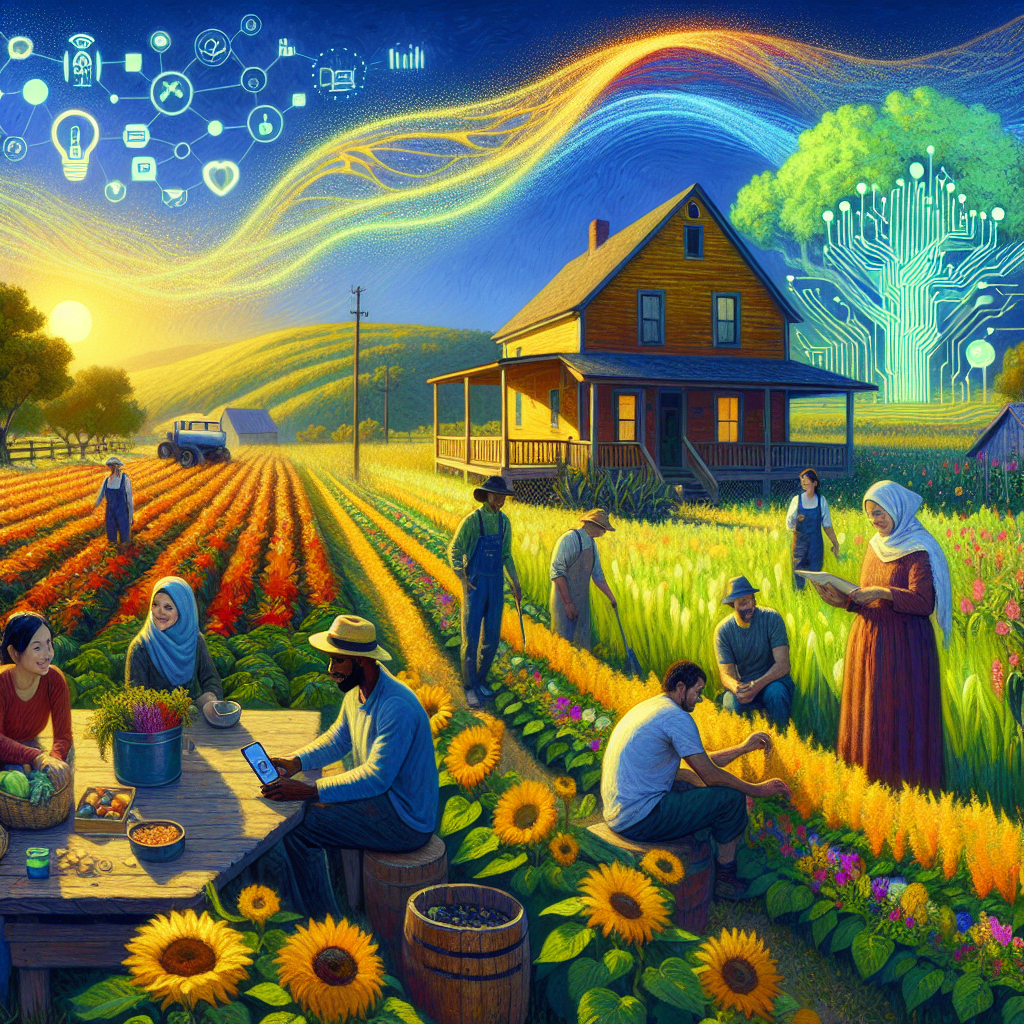
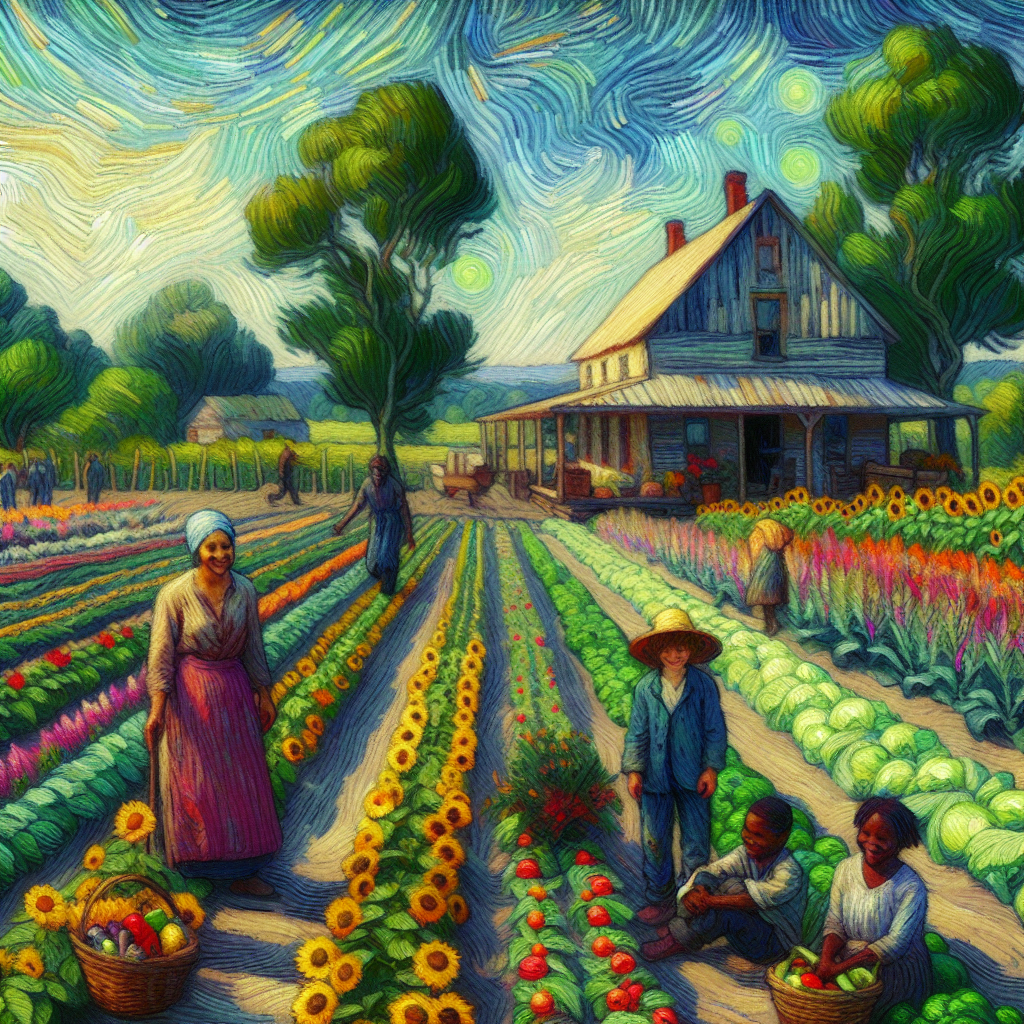
When we think about the customer experience in CSA (Community Supported Agriculture) programs, it’s easy to picture vibrant local farms and the wholesome goodness they bring. But thanks to the rise of artificial intelligence, we’re on the brink of transforming these cherished programs into something even greater. Imagine a CSA down in Dunlap, Tennessee—a place where the warmth of community and the bounty of the land intersect. Here, AI holds the promise of deepening those connections, elevating the experience for everyone involved.
Let’s get into the heart of it. Picture the dedicated farmers, rising before dawn to tend to their crops, pouring their love and hard work into every seed they plant. Their commitment deserves more than just appreciation; it deserves robust support. AI can streamline operations by predicting crop yields and optimizing distribution routes. That means fresher produce arriving on families’ doorsteps. Rationally speaking, when farmers can spend less time on logistics and more time cultivating their land, everyone benefits. The community thrives, as the relationship between farmers and consumers grows stronger.
On an ethical level, AI enhances transparency, letting consumers know exactly where their food is coming from. Imagine receiving notifications about the farm’s latest harvest—real-time updates that not only inform but also engage, creating a sense of participation in the local agricultural narrative. This connection fosters loyalty; customers become patrons of a mission rather than just consumers. You’re not just buying vegetables; you’re investing in a sustainable future.
Authorities in agriculture are recognizing these benefits, endorsing AI not just for efficiency, but for cultivating responsible practices that honor the land and the people in Dunlap. When voices of trust advocate for these technologies, communities can unite in a shared vision of vitality and sustainability.
Now, let’s reflect on the social impact. AI can facilitate connection among community members—sharing recipes, pooling resources, or organizing events centered around the harvest. This builds a stronger community fabric, one where everyone feels they belong. You’re not simply receiving a box of vegetables; you’re joining a family, one united by a common goal of health, wellness, and support.
The future of CSA programs in places like Dunlap, Tennessee, is brimming with potential. By embracing AI, we’re not just enhancing customer experience; we’re nurturing the soil of community spirit, sowing trust and growing relationships. The call to action is clear: let’s champion this evolution together, because the strength of the farm lies in its people.
How Could AI Enhance The Customer Experience In CSA Programs?
How Could AI Enhance The Customer Experience In CSA Programs?
- Community Supported Agriculture (CSA) programs are evolving through the integration of artificial intelligence (AI).
- AI helps farmers in Dunlap, Tennessee, by predicting crop yields and optimizing distribution routes, enhancing efficiency.
- Less time spent on logistics allows farmers to focus on cultivation, benefiting both them and the community.
- AI fosters transparency by providing consumers with real-time updates about farm harvests, increasing engagement and loyalty.
- Authorities endorse AI as a means to cultivate responsible agricultural practices that respect both land and community.
- Socially, AI strengthens community ties by promoting interactions such as recipe sharing and collaborative events.
- The future of CSA programs signifies a commitment to nurturing community spirit, trust, and relationship-building.
How Could AI Enhance The Customer Experience In CSA Programs?
What Ethical Implications Arise From Using AI In Agriculture?
When we talk about the intersection of artificial intelligence and agriculture, it’s easy to get lost in the numbers and the statistics. Sure, AI can optimize yields and predict weather patterns with uncanny accuracy, but what does that mean for the people behind the plow? Picture Dunlap, Tennessee, where rolling farmland meets old barn wood and countless generations have toiled under the sun. Here, farming isn’t just a job; it’s a way of life that’s woven into the very fabric of the community.
The ethical implications of AI in agriculture strike at the heart of this lifestyle. Are we sacrificing the personal touch that defines farming? When machines take over decision-making, are we inadvertently sidelining the wisdom gained from years of real-life experience? There’s a certain magic that happens when a farmer feels the soil or tilts their head to read the sky, decisions steeped in tradition that AI simply can’t replicate.
Additionally, consider the economic aspects. In Dunlap, farmers are often small operators, yet policy-makers herald AI as the solution to food scarcity. But at what cost? For every efficiency gained, there’s a risk of magnifying disparities. The big agribusinesses with resources can harness AI effectively, edging out small family farms in the race for modernity. This isn’t just a statistic; families could lose their land and way of life, all in the name of “progress.”
Then there’s the environmental angle. While AI can help us use resources more efficiently, it also raises questions about sustainability. Are we merely refining the problem of overproduction? The heart aches at the thought of soil degradation and water depletion — consequences that rely not just on algorithms, but on the balance of nature that generations have revered.
But that’s where the narrative shifts. It’s not too late to forge a path that respects the old while embracing the new. Farmers in Dunlap and beyond are starting to collaborate with tech innovators in ways that honor both tradition and advancement. The keys lie in responsible application, keeping open lines of communication, and tapping into that collective wisdom—a melding of experience with innovation.
By fostering community engagement and empathy, we can navigate these waters together. Trust is built over time, but it starts with recognizing that behind every byte of data, there’s a person who cares about their land and their legacy. We have the opportunity to ensure that AI enhances, rather than erodes, the livelihoods and values that make farming enduring and meaningful. Only then can we cultivate a future worth nurturing.

What Ethical Implications Arise From Using AI In Agriculture?
What Ethical Implications Arise From Using AI In Agriculture?
- The intersection of AI and agriculture has significant ethical implications for farming lifestyles, particularly in communities like Dunlap, Tennessee.
- The personal touch and traditional wisdom of farmers may be overshadowed by AI’s decision-making capabilities.
- While AI is promoted as a solution for food scarcity, it risks exacerbating disparities between large agribusinesses and small family farms.
- The adoption of AI raises sustainability concerns regarding resource use and environmental impacts, such as soil degradation.
- There is potential for collaboration between farmers and tech innovators to respect both traditional practices and modern advancements.
- Community engagement and empathy are crucial in navigating the integration of AI in agriculture successfully.
- Ensuring that AI enhances rather than erodes farming values can help cultivate a meaningful future for agriculture.

What Ethical Implications Arise From Using AI In Agriculture?
How Can AI Tools Help Reduce Food Waste In Local Farming?
In a small town like Dunlap, Tennessee, the fields are not just plots of earth; they’re the lifeblood of the community, rich with stories and memories molded by the hands of hardworking farmers. Each seed sown represents hope, a promise for a bountiful harvest, yet too often, those hopes fall prey to an unseen enemy: food waste. It’s an issue we can no longer turn a blind eye to, and that’s where cutting-edge AI tools come into play—offering solutions that resonate with our hearts, minds, and guts.
Imagine a farmer glancing over his crops, feeling a mix of pride and anxiety. He knows that nature is unpredictable. One day, his tomatoes are thriving; the next day, they succumb to disease, pests, or the whims of weather. It’s disheartening to see perfectly good produce rot in the field. Enter AI. These advanced technologies can analyze data on crop health, soil conditions, and weather forecasts, offering real-time insights that empower farmers to make timely decisions. As a result, they can harvest crops at the peak of freshness, minimizing the risk of waste.
Rationally, embracing AI tools can lead to smarter farming techniques, optimizing resources and time. By identifying which crops are thriving and which need immediate attention, farmers can divert resources efficiently, ensuring that fewer crops go to waste. This isn’t just good math; it’s an ethical imperative. Each wasted potato, each spoiled apple, is a failure not just for the farm but for our community, where hunger continues to be a pressing reality even amidst plenty.
Consider the local farmer’s market, where the vibrancy of community spirit meets the cornucopia of local produce. When farmers adopt AI tools, they have a chance to bring fresher, higher-quality products to these markets, establishing greater trust with consumers. This trust fosters loyalty, knitting tighter the fabric of our local economy.
A narrative emerges: technology and tradition working hand in hand—not fighting against each other, but complementing one another for the greater good. As local farms in Dunlap embrace these innovations, they become not just stewards of the land but pioneers in a movement that transcends our rural roots.
So, wherever you are, let’s support our farmers and champion these transformative tools that can help bridge the gap between abundance and waste. Together, we’re stronger, and with intention, we can turn the tide on food waste, one farm at a time.

How Can AI Tools Help Reduce Food Waste In Local Farming?
How Can AI Tools Help Reduce Food Waste In Local Farming?
- The fields in Dunlap, Tennessee, embody the community’s spirit and the hard work of local farmers.
- Food waste is a major issue that harms the promise of a bountiful harvest.
- AI tools offer innovative solutions to help farmers make informed decisions to reduce waste.
- Farmers can analyze data on crop health, soil conditions, and weather to optimize their harvests.
- Using AI can lead to more efficient resource allocation and peak freshness in produce.
- Embracing technology builds trust and loyalty between farmers and consumers at local markets.
- Supporting farmers and technology fosters a movement against food waste, enhancing community well-being.

How Can AI Tools Help Reduce Food Waste In Local Farming?
Conclusion
As we wrap up this journey into the heart and soul of local farming in Dunlap, Tennessee, we find ourselves at a unique crossroads—a place where deep-rooted traditions meet groundbreaking technology in the form of artificial intelligence. It’s a remarkable moment, fraught with both challenge and opportunity.
Picture the landscape of Dunlap: lush fields bathed in golden sunlight, farmers who rise before dawn, and a community bonded by the land’s gifts. Yet, looming overhead are the pressing challenges that modern agriculture faces—climate change, dwindling resources, and economic uncertainties that hang like storm clouds. If we’re honest, the stakes are high. Our farmers have to grapple with not just growing crops, but ensuring their families—and the families of their neighbors—thrive alongside them.
Enter AI, a tool that’s often shrouded in jargon but has the potential to reshape the very fabric of farming. Imagine AI systems that can analyze soil composition, predict weather patterns, and even reduce food waste. This technology isn’t some distant dream of big agribusinesses; it’s a resource that can empower local farms to optimize yields while maintaining the ethics of sustainable practices. Think about the ramifications: when farmers can make informed decisions based on real-time data, they’re empowered to cultivate not just better crops, but better communities.
This isn’t merely a narrative about efficiency; it’s a broader story about connection. The fabric that ties a CSA program together is woven from threads of trust, commitment, and mutual support. By leveraging AI, farmers can tailor their offerings to meet local needs, thereby nurturing not just their crops but their community ties. It transforms the transaction of buying vegetables into a meaningful relationship, deeply rooted in shared values.
Ethics lies at the core of this discussion as well. Farming is more than an occupation; it’s a calling, a stewardship passed through generations. The responsibility to maintain the land for future generations makes the integration of AI not just a practical choice but a moral imperative. Let’s put aside doubts about losing the human touch in agriculture; when we blend tradition with innovation, we can create a sustainable legacy.
So, what can we do? We need to roll up our sleeves and advocate for these technologies, ensuring they’re accessible for small farmers who embodies the spirit of Dunlap. Let’s champion a future where technology enhances our way of life rather than taking it away. Because this isn’t just about farming; it’s about nurturing a community, cultivating a sustainable future, and honoring the very essence of what it means to truly belong. Together, we can sow the seeds for a thriving tomorrow, a collaborative harvest that feeds our bodies and nurtures our souls.

Conclusion
Conclusion:
- Local farming in Dunlap, Tennessee merges traditional practices with modern technology, such as artificial intelligence (AI).
- Farmers in the community face challenges like climate change, resource scarcity, and economic uncertainties.
- AI has the potential to enhance farming by analyzing soil, predicting weather, and reducing food waste.
- This technology empowers local farmers to optimize yields while adhering to sustainable practices.
- The integration of AI fosters community connections, transforming transactions into meaningful relationships.
- Ethics are central to the conversation, highlighting agriculture as a stewardship for future generations.
- The call to action emphasizes advocating for accessible technology for small farmers, nurturing community and sustainability.

Conclusion
Other Resources

Other Resources
Here is a list of other resources you can review online to learn more:
- Dellview Homestead
- Beau Brown Of Jason Lewis Dunlap Supercenter
- FedEx OnSite
- America’s Home Place
- Lodge At Fall Creek Falls
- Wilson’s Lawn Care, LLC
- Affordable Storage Guys – South Dunlap
- Cain Development
- Red Hill Community Church
- Coops Creek Veterinary Clinic
- Best Western Royal Inn
- Dunlap Farmers Market
- Cates Street Pharmacy
- Tides On West Dunlap
Use This Prompt To Get More Resources With Your Favorite Online AI Tool: Please provide me with a list of online articles with their URLs in a bulleted list that I can read regarding Can Local Farms and CSA Programs Improve By Leveraging AI Tools?

Other Resources
Glossary Terms
Can Local Farms and CSA Programs Improve By Leveraging AI Tools? – Glossary Of Terms
1. AI (Artificial Intelligence): The simulation of human intelligence processes by machines, especially computer systems, allowing for decision-making and data analysis.
2. CSA (Community Supported Agriculture): A system where consumers purchase shares of a farm’s harvest in advance, providing farmers with upfront capital and consumers with fresh produce.
3. Local Farm: A farming operation that is geographically close to consumers, often focused on sustainable practices and community engagement.
4. Precision Agriculture: The use of technology and data analytics to monitor and manage field variability in crops to optimize yields and resource use.
5. Data Analytics: The process of examining raw data with the aim of drawing conclusions about that information, often leveraged to improve operations in farming.
6. Yield Prediction: The forecasting of the amount of crops that can be harvested from a given field, based on historical data and current conditions.
7. Soil Health Monitoring: The use of technologies to assess soil quality and health, helping farmers make better decisions for planting and crop management.
8. Machine Learning: A branch of AI that involves training algorithms to recognize patterns in data and make decisions or predictions based on that data.
9. Supply Chain Optimization: The use of technology and data to improve the efficiency and effectiveness of the movement of products from farm to consumer.
10. Crop Rotation: An agricultural practice of alternating different crops in the same area to improve soil health and reduce pest problems, which can be enhanced by AI analysis.
11. Pest Management: Strategies and technologies to control pests, which can be informed by AI-driven data to optimize interventions and minimize chemical use.
12. Climate Adaptation: Strategies that local farms utilize to adjust practices in response to changing climate conditions, often informed by predictive AI models.
13. Farm Management Software: Digital tools that help farmers manage their operations, including financial tracking, crop planning, and resource allocation.
14. IoT (Internet of Things): A network of physical devices connected to the internet that can collect and exchange data, aiding in real-time monitoring of farming conditions.
15. Smart Agriculture: The integration of advanced technologies (like AI, IoT, and robotics) into agricultural practices to enhance productivity and sustainability.
16. Consumer Engagement: The interaction and relationship-building between farms and consumers, often facilitated through technology such as apps or social media platforms.
17. Forecasting Tools: AI-driven tools that analyze data to predict future conditions, such as weather, crop yields, or market demand, benefiting farm planning.
18. Nutrient Management: The strategic application of fertilizers and soil amendments to improve crop yield while minimizing environmental impact, informed by AI data analysis.
19. Automation: The use of technology to perform tasks with minimal human intervention, which can enhance efficiency in farming operations.
20. Sustainable Practices: Agricultural methods that focus on maintaining ecological balance, which can be informed and optimized using AI tools.
21. Digital Marketplace: Online platforms where local farms can sell their produce directly to consumers, leveraging AI for inventory management and pricing strategies.
22. User Experience (UX): The overall experience of a person using a farm-related digital tool or platform, which can be improved through design and AI insights.
23. Market Analysis: The assessment of various market factors to understand trends, consumer preferences, and competitive positioning, often enhanced by AI.
24. Diversification: The practice of growing a variety of crops to reduce risk and increase resilience, which can be strategically planned using AI tools.
25. Collaboration Tools: Applications that facilitate communication and project management among farmers, consumers, and CSA programs, often using AI for data sharing.
26. Blockchain: A technology that provides a secure and transparent way to track transactions and data, which can enhance trust in local food systems.
27. Consumer Insights: Knowledge derived from data on consumer preferences and behaviors, helping farms better tailor their offerings through AI analysis.
28. Waste Reduction: Strategies to minimize waste in the agricultural supply chain, which can be optimized with sophisticated data analysis from AI tools.
29. Remote Sensing: The use of satellite or drone technology to gather information about crops and soil without direct contact, enhancing precision farming capabilities.
30. Education and Training: Programs designed to equip farmers with knowledge and skills to use AI tools effectively, enabling improved production and management strategies.

Glossary Of Terms
Other Questions
Can Local Farms and CSA Programs Improve By Leveraging AI Tools? – Other Questions
If you wish to explore and discover more, consider looking for answers to these questions:
- What specific AI tools are available for local farmers?
- How have local farms in other regions successfully integrated AI technology?
- What challenges do farmers face when adopting AI in their operations?
- How can local communities support farmers in the transition to AI technology?
- What are the potential costs associated with implementing AI tools on farms?
- How can AI improve soil health and sustainability practices?
- What role does education play in helping farmers understand AI technology?
- How can consumer demand shape the adoption of AI in local farming?
- What are the long-term impacts of AI on food prices for consumers?
- How do AI applications impact labor dynamics in agriculture?
- What governmental regulations exist around the use of AI in agriculture?
- How can AI facilitate better marketing strategies for CSA programs?
- In what ways can AI help enhance biodiversity on farms?
- What ethical considerations must be taken into account when using AI in agriculture?
- What future advancements in AI could further benefit local farming?

Other Questions
Haiku
Can Local Farms and CSA Programs Improve By Leveraging AI Tools? – A Haiku
In Dunlap’s warm fields,
AI nurtures the old ways,
Hope blooms, futures thrive.

Haiku
Poem
Can Local Farms and CSA Programs Improve By Leveraging AI Tools? – A Poem
In the dawn’s soft embrace of Dunlap’s fields,
Where hope springs eternal, and tradition wields,
Farmers toil with passion, their hands in the earth,
Crafting a legacy of love, labor, and worth.
But shadows lengthen with challenges in tow—
Climate’s fierce fury and resources run low.
Yet behold! A spark of promise may lie,
In the whispers of silicon, the murmur of AI.
Imagine a harvest, ripe and renewed,
Where each crop’s potential is beautifully queued.
With data as compass, smart tools take flight,
Guiding local farms toward a future so bright.
Let the soil speak in its own secret tongue,
For AI learns rhythms where wisdom is sung.
Analytics in hand, farmers stand tall,
Optimizing yields, answering nature’s call.
But it’s not just the numbers—it’s heart intertwined,
In community gardens, where friendships are lined.
A CSA nurtures, not just crops but the ties,
Connecting lives over tomatoes and pies.
Yet ponder we must on ethics at play,
With each byte of wisdom, are we losing our way?
Will technology overshadow the hands that have sowed?
Or can we merge progress upon the old road?
For behind algorithms, there beats a true heart,
Of family farms yearning, their essence a part
Of a larger connection that binds us in fate,
A promise to nurture the soil, contemplate.
Let’s champion the courage of those brave enough,
To blend the past’s wisdom with tomorrow’s tough stuff.
Together, united, we turn earth to gold,
Crafting narratives richer than tales ever told.
From fields to our tables, let us pledge and ignite,
A sustainable future, where all futures are bright.
With each local farmer, with AI as friend,
We’ll sow seeds of triumph until journey’s end.

Poem
Checklist
Can Local Farms and CSA Programs Improve By Leveraging AI Tools? – A Checklist
Emotional Appeals (Heart)
✅ _____ Connection: Engage with your local CSA community to understand their needs and preferences.
✅ _____ Storytelling: Share personal stories about the impact of local farms on your family and community.
✅ _____ Vision Sharing: Create a vision board or discussion group focused on sustainable agriculture and community well-being.
Rational Appeals (Head)
✅ _____ Data Awareness: Familiarize yourself with how AI analyzes soil health and crop yields; attend a workshop or seminar.
✅ _____ Study the Benefits: Research case studies on AI’s impact on farm productivity and efficiency.
✅ _____ Cost-Benefit Analysis: Evaluate the potential savings and increased yields from integrating AI tools in farming operations.
Ethical Appeals
✅ _____ Sustainability Commitment: Assess your local farming practices and identify areas for ethical improvements, particularly regarding resource use.
✅ _____ Community Engagement: Initiate conversations about responsible AI implementation in local farming and its impact on labor and small farms.
✅ _____ Transparency Practices: Discuss with local farmers how they can communicate food sourcing and sustainability efforts to consumers.
Authority Appeals
✅ _____ Expert Insights: Follow thought leaders in agriculture and AI, and subscribe to relevant magazines or journals to stay informed.
✅ _____ Pilot Programs: Advocate for local experimental programs that test AI technologies in agricultural practices, involving local agricultural departments.
✅ _____ Institutional Support: Seek partnerships with universities or tech organizations that specialize in agricultural innovations.
Narrative Appeals
✅ _____ Story Creation: Collaborate with farmers to document their experiences with AI and its effects on their practices.
✅ _____ Community Workshops: Host storytelling events where farmers can share how AI has changed their operations and foster local pride.
✅ _____ Visual Campaigns: Create infographics or videos illustrating the journey of local produce from field to table, emphasizing the role of AI.
Social Appeals
✅ _____ Literary Engagement: Start a book club focused on agricultural innovation and community sustainability.
✅ _____ Local Events: Organize community potlucks featuring local produce, highlighting farms that use innovative AI practices.
✅ _____ Social Media Advocacy: Use platforms to promote local farms and share how they are adopting AI to enhance sustainability and reduce waste.
Take Action Today!
✅ _____ Choose at least three items from the checklist to implement within the next month to support local farms in leveraging AI tools for improved sustainability and community engagement.

Checklist
At Dunlap Directory, we help Dunlap, Tennessee, business tell stories and market and sell their products and services.
Please share this post with your friends, family, or business associates who may want help telling the stories of their legacy.


