











Navigating Mental Health: Online Strategies For The AI Era
By Tom Seest
At Dunlap Directory, we help Dunlap, Tennessee, business tell stories and market and sell their products and services.
Please share this post with your friends, family, or business associates who may want help telling the stories of their legacy.
How Can Mental Health Services Stay Visible In The Online World In The Age Of AI?
In a world saturated with information and relentless algorithms, standing out is a Herculean task, especially for mental health services. Imagine a small town like Dunlap, Tennessee, where the faces are familiar, but the struggles remain hidden behind closed doors. Here, the fight for mental health visibility isn’t just about services; it’s about breaking stigmas and weaving connections that heal.
The first step in this journey is storytelling. Every individual grapples with their unique battles, and sharing these narratives can create powerful reminders that no one is truly alone. Consider a local resident who bravely addresses their anxiety, detailing the steps they took to seek help. This isn’t just a story; it’s a lifeline for someone else who may be silently suffering. By amplifying these voices through social media, blogs, and community forums, mental health services can cultivate a digital tapestry of stories that foster empathy and connection.
But we cannot rely solely on emotions; there’s also a rational aspect to this equation. Data shows that online searches for mental health resources have skyrocketed in recent years. The challenge is not just to be visible but to offer credible, research-backed information. Optimization of web content with relevant keywords can help services appear in those critical searches, guiding individuals to the help they so desperately need. It’s about being the trusted authority in an ocean of misinformation and ensuring that when someone in Dunlap logs on searching for “mental health support,” our services don’t just exist but shine.
Ethics play a vital role here too. Engaging with community leaders, schools, and local organizations in Dunlap ensures that mental health discussions are normalized. Hosting workshops that demystify mental illness fosters an environment of openness and trust while also building a network of allies. This ethical responsibility not only enhances visibility but solidifies relationships within the community, reminding everyone that mental health is not an isolated issue but a collective concern.
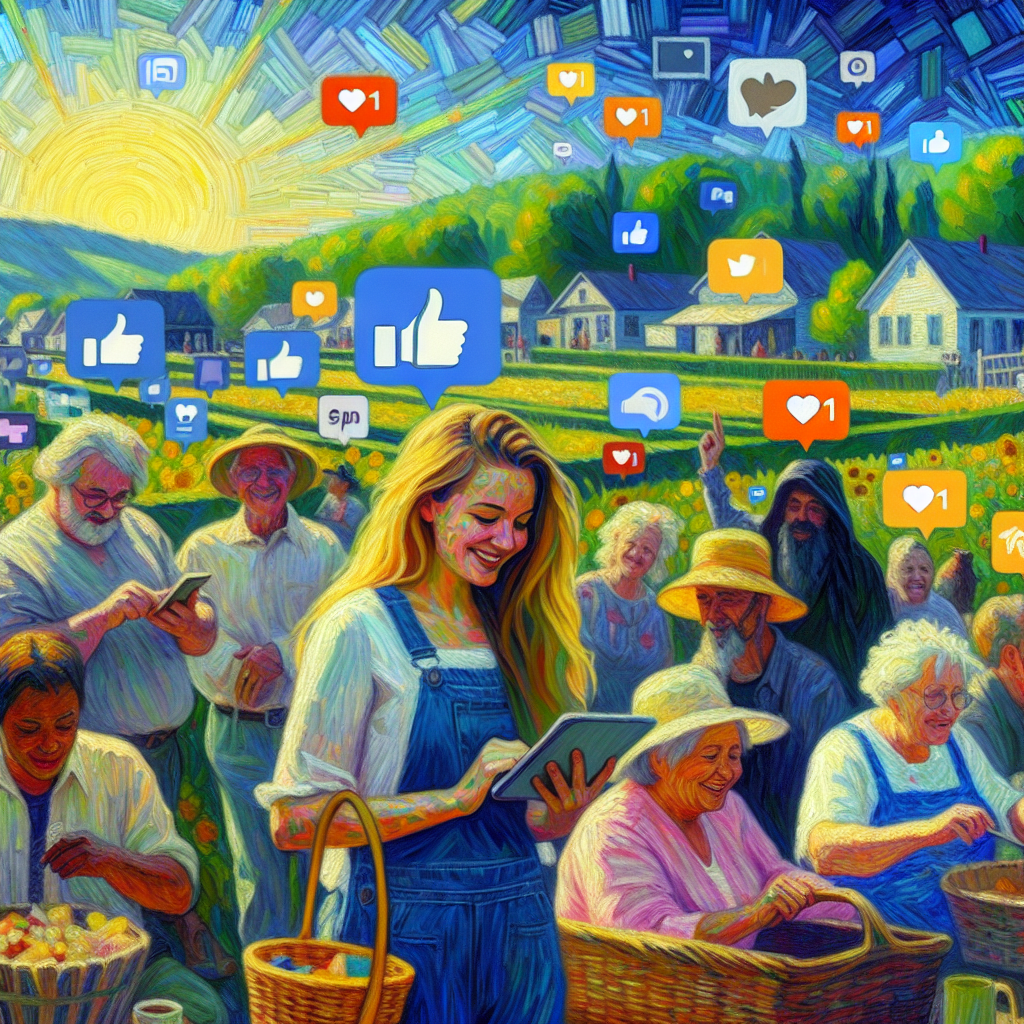
Lastly, let’s not forget that genuine connection drives engagement. A simple like, share, or comment can propel a message far beyond expectations. So, when mental health services spotlight local events, share personal stories, or provide valuable resources online, they become a beacon of hope in Dunlap, illuminating pathways to understanding and healing. In a digital age, the heart of mental health services lies in authenticity, collaboration, and a steadfast commitment to fostering mental wellness—one story at a time.

How Can Mental Health Services Stay Visible In The Online World In The Age Of AI?
How Can Mental Health Services Stay Visible In The Online World In The Age Of AI?
- In small towns like Dunlap, Tennessee, enhancing mental health visibility involves breaking stigmas and building connections.
- Storytelling is crucial; sharing personal struggles fosters empathy and reminds others they are not alone.
- Amplifying local narratives through social media and community forums can create a supportive digital space.
- Data reveals increased online searches for mental health resources, highlighting the need for credible information.
- Optimizing web content with relevant keywords helps services stand out in searches and guides people to help.
- Ethically engaging with community leaders and schools promotes open discussions about mental health and builds networks.
- Fostering genuine connections through online interactions and local events positions mental health services as beacons of hope.
How Can Mental Health Services Stay Visible In The Online World In The Age Of AI?
Table Of Contents
- How Can Mental Health Services Stay Visible In The Online World In The Age Of AI?
- How Can Data Improve Our Understanding Of Mental Health Needs Today?
- What Stories Of Recovery Can Inspire Others To Seek Online Help?
- How Do We Build Community And Support Among Users In Digital Spaces?
- How Can We Ensure That AI Respects The Confidentiality Of Users?
- How Can Personal Narratives Reshape Perceptions Around Mental Health?
- Conclusion
- Other Resources
- Glossary Of Terms
- Other Questions
- Haiku
- Poem
- Checklist
How Can Data Improve Our Understanding Of Mental Health Needs Today?
The world of mental health is a landscape both daunting and intricate, much like the rolling hills and quiet valleys of Dunlap, Tennessee, where the community thrives on the values of kinship, resilience, and candid conversation. Imagine a farmer tending their crops, not just relying on the soil beneath their feet but also on data collected over the seasons. Each piece of information—weather patterns, rainfall, soil health—becomes a tool for better yield and sustainability. Similarly, when we leverage data in mental health, we cultivate a deeper understanding of our communities’ needs.
Emotional stories weave through the fabric of our lives, and data can enrich these narratives. Take a moment to picture the faces of friends who carry their burdens in silence, grappling with issues of anxiety, depression, and isolation. Behind the statistics are real people, their stories waiting to be told. Data paints a picture of these challenges, revealing trends and patterns that highlight unmet needs. It humanizes our understanding, inviting us to listen, to act, and to forge connections that truly matter.
From a rational standpoint, harnessing data is no longer just an option—it’s a necessity. We know that one in five adults wrestles with mental health issues; yet, how many of us pause to consider the conditions leading up to that? Data gives us a map. It tells us where help is most needed and which populations are most vulnerable. This information forms the very backbone of effective mental health policies and programs, ensuring that resources are allocated where they can do the most good.
Ethically, we bear the responsibility to act not only as individuals but as a society. If we ignore the numbers, we ignore the people behind them. The urgency to meet mental health needs can’t be understated; every statistic represents someone’s struggle, someone’s story. Our commitment must extend beyond numbers—we must advocate for systems that encourage openness and understanding.
Lastly, social connection is vital. The more we share our data-driven insights, the more we foster community support. We begin to break down the barriers of stigma when we collectively engage in dialogues about mental health. In Dunlap, Tennessee, and beyond, let’s transform data into action; let’s translate numbers into empathy and stories into solutions. By prioritizing mental health needs with informed determination, we can cultivate a community where every individual feels seen, heard, and supported. It’s time to step up for one another and embrace the power of data to uplift all of us.
How Can Data Improve Our Understanding Of Mental Health Needs Today?
How Can Data Improve Our Understanding Of Mental Health Needs Today?
- The landscape of mental health is complex and interconnected, reflecting community values of kinship, resilience, and open conversation.
- Like farmers using seasonal data for better crop yields, leveraging data can deepen our understanding of community mental health needs.
- Emotional stories highlight the silent struggles of individuals dealing with anxiety, depression, and isolation, emphasizing the human aspect behind the statistics.
- Data provides insight into the conditions affecting mental health, helping identify where help is needed most and revealing vulnerable populations.
- It is an ethical imperative to act on mental health data, as ignoring the statistics means disregarding the individuals behind them.
- Social connection is crucial; sharing data-driven insights helps foster community support and reduces stigma associated with mental health issues.
- By transforming data into action and prioritizing mental health, we can create a community where everyone feels valued and supported.

How Can Data Improve Our Understanding Of Mental Health Needs Today?
What Stories Of Recovery Can Inspire Others To Seek Online Help?
When we think about recovery, it can feel like a solitary journey, but take a moment to consider the stories that bind us together. In Dunlap, Tennessee, a local carpenter named Jake faced a reckoning when his life took a nosedive. The pressures of work and family carved a gaping hole in his spirit. Yet, it was not despair that defined him, but rather something deeper—a turning point sparked by vulnerability. After years of struggling in silence, he found a community online. That first click of the mouse, that leap of faith into the realm of virtual support, was the beginning of his resurrection.
The stories of individuals like Jake resonate because they remind us of our shared humanity. They give voice to the unspoken fears that grip so many—fears of failure, loneliness, and shame. Yet, there’s an undeniable power in connection. When Jake posted his story, he discovered a tapestry of replies, each a thread woven from the collective experiences of others who walked a similar path. The triumphs, the setbacks, the moments of clarity; they all echoed back to him, reinforcing that he was not alone. That is the heart of recovery—finding validation and encouragement nestled within the narratives of others.
Rationally, think about the benefits of seeking online help. The evidence is clear: studies show that those who engage in supportive online communities report higher rates of recovery and improved mental well-being. You might be sitting in your living room, hesitant and uncertain, but the digital age has made those connections accessible. With just a few clicks, you can tap into a wealth of knowledge and shared experience that might just change your life.
Then there’s the ethical angle: Every story shared in these forums is an act of courage. Sharing is not just about casting a lifeline to oneself but extending it to others who might be clinging to the edge. By owning our struggles, we create a safe space, inviting others in to reclaim their voices.
This is what makes these stories so profoundly relatable. They not only inspire but also offer an actionable pathway toward healing. Whether in Dunlap, Tennessee, or across the globe, each simple act of reaching out can spark a flame of hope in someone else’s darkness. So ask yourself: Are you ready to turn the page on your own story?

What Stories Of Recovery Can Inspire Others To Seek Online Help?
What Stories Of Recovery Can Inspire Others To Seek Online Help?
- Recovery often feels like a solitary journey, but shared stories create connection.
- Jake, a carpenter from Dunlap, Tennessee, faced a reckoning due to work and family pressures.
- Vulnerability became a turning point for Jake, leading him to find an online community after years of silence.
- His experience reflects shared fears, such as failure, loneliness, and shame, highlighting our common humanity.
- Engagement in supportive online communities is linked to higher recovery rates and improved mental well-being.
- Sharing personal struggles fosters a safe space, encouraging others to reclaim their voices.
- Each act of reaching out can inspire hope, prompting individuals to reflect on their own stories.

What Stories Of Recovery Can Inspire Others To Seek Online Help?
How Do We Build Community And Support Among Users In Digital Spaces?
Building community and support among users in digital spaces is not just a strategic objective; it’s a calling, a shared journey carved out of passion and resilience. Picture a small town like Dunlap, Tennessee, where neighbors gather to lean on one another, swap stories, and share burdens. This is what we seek to replicate online—a space where people find solace, courage, and strength in numbers.
Digital spaces should feel like a welcoming front porch, not an empty arena filled with echoing voices. We foster connection by encouraging authentic voices to share their truths—struggles, achievements, and everything in between. It’s those real stories—the ones that resonate with personal experiences—that engage the heart. When users share their resilience, their victories, or the bumps along the way, they invite others to join the conversation, breaking down walls and forging ties.
From a rational standpoint, community thrives on trust and reciprocity. If users feel valued and understood, they are more likely to contribute meaningfully. This is where ethics come into play. We must prioritize the well-being and dignity of every individual. Creating guidelines and frameworks that emphasize respect and kindness is vital. When users see a commitment to ethical engagement, it instills confidence and encourages participation. Setting a standard that values ethics fosters a culture of accountability, making every interaction more meaningful.
Narratively, think of the countless tales that emerge from humble beginnings, much like the community spirit of Dunlap. Every member adds their chapter—some with humor, others with vulnerability. Each story becomes a thread in a vibrant tapestry, illustrating the power of shared experiences. Encourage users to craft their own narratives; a simple prompt can unlock profound revelations, weaving personal journeys into a collective narrative.
On a social level, we can leverage the power of community by creating shared initiatives—group challenges, collaborative projects, or even virtual meet-ups. Activities that demand teamwork not only boost morale but also solidify relationships. The gut instinct tells us that humans crave connection, and online platforms can satisfy this primal urge if done right.
In this digital age, we have the tools to foster genuine communities. Let’s harness that power to create spaces where everyone feels seen, heard, and supported—for every user has the potential to ignite change, inspire action, and drive connection. Together, we can build something that transcends screens and resonates in our hearts.

How Do We Build Community And Support Among Users In Digital Spaces?
How Do We Build Community And Support Among Users In Digital Spaces?
- Building community in digital spaces is a calling driven by passion and resilience.
- The goal is to create online environments that resemble supportive small-town neighborhoods.
- Authentic voices sharing personal stories engage users and encourage connection.
- Trust and reciprocity are essential for a thriving community; ethics must be prioritized.
- Every user’s story contributes to a vibrant tapestry of shared experiences.
- Group activities and collaborative projects strengthen relationships and boost morale.
- Digital tools can create genuine communities where users feel seen and supported.

How Do We Build Community And Support Among Users In Digital Spaces?
How Can We Ensure That AI Respects The Confidentiality Of Users?
Consider a small town like Dunlap, Tennessee, where neighbors know each other’s names, and a handshake still means something. In such places, trust is built over years of shared experiences, laughter, and the occasional hardship. This is the kind of connection that resonates deeply within us, and it reflects how we should approach the relationship between artificial intelligence and user confidentiality.
At its core, the essence of AI lies in its ability to process vast amounts of data, yet that power can be a double-edged sword. When we allow machines to sift through our lives, we must ensure that they handle our information with the same respect we expect from our friends in Dunlap. The confidence we place in technology is not just a matter of convenience or efficiency; it’s about safeguarding our dignity and individual stories.
Imagine waking up in your cozy home, stepping outside, and seeing the world through a lens of vulnerability. It strikes at the heart. No one likes the idea of their personal conversations ending up in the hands of corporations or governments, with their motives for handling that information unknown. Here, we have to advocate for transparency and ethical standards that are as solid as the Tennessee mountains that watch over us. Just as you would ask a neighbor for assurances before sharing a secret, we must demand guarantees from those who create AI systems: How will they protect our information? What safeguards are in place to ensure our data doesn’t become fodder for misuse?
But it’s not just about regulations or technical measures; it’s about the shared human experience. Every interaction with AI should feel like a conversation with a trusted friend, one who knows their boundaries and respects your privacy. Imagine AI designed not just with algorithms, but with empathy and an understanding that every data point has a real person behind it.
As a community, we must call on tech developers, policymakers, and users alike to collaborate in fostering this environment of trust. It’s not only our privilege but our responsibility to demand a landscape where AI serves us without compromising our confidentiality. Together, we can create a future where technology feels less like a cold calculation and more like a reliable partner—one you’d invite into your living room in good faith, much like your neighbor from Dunlap. Each of us has a role to play; it’s time to step up and make it happen.

How Can We Ensure That AI Respects The Confidentiality Of Users?
How Can We Ensure That AI Respects The Confidentiality Of Users?
- In small towns like Dunlap, Tennessee, neighborly trust is built through shared experiences and hardship.
- Artificial intelligence processes vast amounts of data, but this power requires respect for user confidentiality.
- Users must demand that AI systems protect their information with safeguards akin to trusting a friend.
- The importance of transparency and ethical standards is emphasized in relationships with AI.
- Every interaction with AI should feel like conversing with a trusted friend who values privacy.
- Collaboration among tech developers, policymakers, and users is essential for fostering trust in AI.
- Everyone has a role in ensuring that technology respects confidentiality and serves as a reliable partner.

How Can We Ensure That AI Respects The Confidentiality Of Users?
How Can Personal Narratives Reshape Perceptions Around Mental Health?
In the small town of Dunlap, Tennessee, where the rolling hills cradle stories both told and untold, personal narratives around mental health have become lifelines. Think about it. Every conversation you’ve had, every story shared over coffee, or the quiet words of a neighbor coming to terms with their own struggles—these moments shape how we understand mental health. They tether the abstract concept of mental illness to the gritty reality of everyday life, fostering connection in a world that often feels isolating.
When a person opens up about their battle with anxiety or depression, it strikes a chord deep within each of us. These stories resonate not just in our hearts but also in our heads, challenging preconceived notions that surround mental health. It makes the invisible visible, transforming statistics and clinical jargon into relatable tales. Picture a young person in Dunlap, bravely sharing their journey, helping others recognize that the heavy weight of their own silence doesn’t have to be borne alone. Their vulnerability dismantles the stigma, inviting empathy rather than judgment.
This isn’t just about feeling good; it’s about igniting critical conversations that transcend the walls of traditional discourse. It’s a rational appeal—when we approach mental health through a narrative lens, we see individuals rather than numbers. Each story shared becomes a thread in the communal fabric of understanding, reinforcing the idea that mental health is not a personal failing but a shared human experience.
Ethically, we have a responsibility to foster these dialogues. Imagine a community where children learn from their parents that it’s okay to talk about their feelings, to express fear, sadness, or frustration without fear of being pushed aside. This creates an environment where everyone is encouraged to speak up, a society built on trust and openness. Authority figures, health professionals, and educators play vital roles here, amplifying these authentic voices to provide guidance and support.
By sharing personal narratives, we nurture a more compassionate community. Each story not only validates someone else’s experience but also empowers them to come forward. So, let’s keep talking, keep sharing, and keep listening. In the heart of Dunlap, Tennessee, that’s how we reshape perceptions and build bridges of understanding in the conversation about mental health.

How Can Personal Narratives Reshape Perceptions Around Mental Health?
How Can Personal Narratives Reshape Perceptions Around Mental Health?
- In Dunlap, Tennessee, personal narratives around mental health serve as lifelines for connection.
- Conversations about struggles with mental health create empathy and challenge preconceived notions.
- Sharing stories makes mental health experiences relatable, transforming statistics into personal tales.
- Vulnerability in sharing one’s struggles helps dismantle stigma and invites understanding.
- Encouraging open discussions fosters a supportive community and nurtures trust.
- Ethical responsibility lies in promoting dialogues about mental health from a young age.
- Continued conversation and sharing reshape perceptions and enhance understanding of mental health issues.

How Can Personal Narratives Reshape Perceptions Around Mental Health?
Conclusion
In the vibrant tapestry of our modern world, where technology and human experience intersect, the conversation around mental health is more crucial than ever. In places like Dunlap, Tennessee, the familiar faces that walk through our community harbor silent struggles, echoing stories of anxiety, depression, and resilience. The challenge for mental health services is not merely about visibility; it’s about creating a bridge of understanding that connects individuals to the support they need. This begins with storytelling. Each story shared—whether it’s a brave recounting of a personal battle or a community member’s triumph—serves as a beacon, reminding others that they are not alone in their struggles.
Our journey toward mental wellness must also be rooted in data. With online searches for mental health resources soaring, it’s vital that credible information is easily accessible. By optimizing content and ensuring it’s research-backed, mental health organizations position themselves as trusted authorities amidst a sea of misinformation. Yet, the metrics tell only part of the story. Behind every statistic lies a person, a unique narrative waiting to be acknowledged. This ethical responsibility extends to our community leaders who can help foster openness and normalize discussions around mental health.
Moreover, genuine connections are the lifeblood of community support. Each like, share, and comment can catalyze meaningful engagement, turning individual stories into collective experiences. Take Jake, a local carpenter whose vulnerability led him from isolation to community support. His journey exemplifies the power of personal narratives—showing that courage resonates deeply, igniting hope and connection among those quietly struggling.
As we build these digital spaces, let’s strive to emulate the warmth of a friendly front porch. An environment where everyone feels valued empowers individuals to share their truths and take part in the conversation. Ethical guidelines underpin this engagement, promoting kindness and respect in every interaction. Here, a sharing culture flourishes, and each person’s narrative becomes part of a broader mutual story—a community bound by shared experiences.
In the face of rapid technological advancement, let’s not lose sight of the human touch. AI, while a powerful tool, must also be engineered with a deep respect for individual privacy. Trust, like the handshake between neighbors, is built on transparency and shared responsibility.
In this digital age, let’s become advocates for a vibrant, supportive ecosystem. Together, we can foster mental health awareness and break down barriers of stigma—transforming not just individual lives but the whole community. It’s a call to arms for every heart, mind, and soul. Everyone’s journey is intertwined; let’s ensure it’s a path paved with understanding, empathy, and support. Together, we can create a future where our stories, strengthened by connection and compassion, illuminate the way to healing.

Conclusion
Conclusion:
- The conversation around mental health is increasingly crucial in today’s world, especially in communities like Dunlap, Tennessee.
- Storytelling is essential for connecting individuals to the support they need, reinforcing the message that no one is alone in their struggles.
- Accessible, credible information on mental health resources is vital as online searches for such resources increase.
- Community leaders play a key role in fostering openness and normalizing mental health discussions.
- Genuine connections and engagement can transform individual stories into shared community experiences.
- Digital spaces should promote a culture of kindness and respect, allowing individuals to share their narratives.
- Advocacy for mental health awareness can help dismantle stigma and create a supportive ecosystem for all.

Conclusion
Other Resources

Other Resources
Here is a list of other resources you can review online to learn more:
- Fairfield Inn & Suites Chattanooga
- Western Union
- Tennessee Tree Toppers Club
- Pickett’s Trout Ranch
- Dunlap Vineyard
- Camp Chet (Reservations required)
- Dunlap Church of Christ
- Bigfoot Adventure Tennessee Zipline
- Dunlap Tennessee and Surrounding County
- Dead Zero Shooting LLC
- Erlanger Primary Care at Sequatchie Valley
- Tennessee Department of Transportation
Use This Prompt To Get More Resources With Your Favorite Online AI Tool: Please provide me with a list of online articles with their URLs in a bulleted list that I can read regarding How Can Mental Health Services Stay Visible In The Online World In The Age Of AI?

Other Resources
Glossary Terms
How Can Mental Health Services Stay Visible In The Online World In The Age Of AI? – Glossary Of Terms
1. Accessibility: The ease with which individuals can obtain mental health services online, including website navigation and resource availability.
2. AI (Artificial Intelligence): Technology that simulates human intelligence, used in applications to enhance mental health services, such as chatbots and predictive analytics.
3. Teletherapy: Remote psychological counseling sessions conducted via video or phone calls, making therapy more accessible to clients.
4. Digital Marketing: Strategies to promote mental health services through online platforms, aiming to reach a broader audience.
5. SEO (Search Engine Optimization): Techniques used to improve website visibility on search engines, critical for attracting clients to mental health services.
6. User Experience (UX): The overall experience a user has on a website or application, important for ensuring clients can easily find and use mental health resources.
7. E-therapy: Online therapy services that provide therapeutic support through digital means, including messaging and video sessions.
8. Social Media Engagement: Interaction with users on social platforms to disseminate information about mental health and foster community support.
9. Content Marketing: Creating and sharing valuable content, such as articles and videos, to inform and attract potential clients to mental health services.
10. Webinars: Online seminars or workshops that offer educational content on mental health topics and promote service offerings.
11. Privacy: The right of individuals to have their personal health information kept confidential, critical for building trust in online services.
12. Crisis Intervention: Immediate support services available online for individuals in mental health crises, often through hotlines or chat services.
13. Telehealth: The delivery of health care services remotely, encompassing mental health, allowing for flexibility and broader reach.
14. Chatbot: An AI-driven application that engages users in conversation, providing information or initial support for mental health inquiries.
15. Stigma: The negative perceptions surrounding mental health issues, which online platforms can help address and reduce.
16. Referrals: Recommendations for clients to receive specialized mental health services, often communicated through online tools.
17. Online Support Groups: Digital communities where individuals can share experiences and receive peer support for mental health issues.
18. Mental Health Apps: Mobile applications designed to help users manage their mental health through various tools, resources, and support features.
19. Virtual Reality (VR): Technology used in therapeutic settings for exposure therapy and mental health treatment, enhancing client engagement.
20. Data Analytics: The process of examining data related to user behavior and mental health trends, helping organizations tailor services and marketing strategies.
21. Inclusivity: Ensuring that mental health services are accessible and relevant to diverse populations, promoting equality in care.
22. Digital Literacy: The ability of individuals to effectively navigate and utilize online resources and platforms impacting mental health.
23. Content Curation: The selection and organization of relevant articles, videos, and resources that address mental health issues and guidance.
24. Feedback Loops: Systems for collecting client feedback on services, informing improvements and enhancing client satisfaction.
25. Online Privacy Regulations: Laws and guidelines that govern the handling of personal health information online, crucial for compliance in mental health services.
26. Community Building: Fostering a sense of belonging and support among individuals accessing mental health services online.
27. Telepsychiatry: A specific branch of teletherapy that involves psychiatric evaluations and medication management done remotely.
28. Awareness Campaigns: Initiatives aimed at educating the public about mental health and available services, often utilizing digital platforms.
29. Gamification: The application of game principles in non-game contexts, such as mental health apps, to engage users and encourage progress in their mental health journey.
30. Peer Support: Assistance provided by individuals who have experienced similar mental health challenges, often facilitated through online platforms.

Glossary Of Terms
Other Questions
How Can Mental Health Services Stay Visible In The Online World In The Age Of AI? – Other Questions
If you wish to explore and discover more, consider looking for answers to these questions:
- What specific online platforms are most effective for mental health services to reach their audience?
- How can mental health services effectively use storytelling to break stigma?
- What role does social media play in amplifying mental health narratives?
- How can local mental health services collaborate with schools and organizations to improve visibility?
- What types of data are most valuable for understanding community mental health needs?
- How can mental health statistics be effectively communicated to the public without causing panic?
- What are some successful examples of online mental health support communities?
- How can individuals find and engage with recovery stories online?
- What ethical guidelines should govern the sharing of personal narratives in mental health discussions?
- What steps can be taken to ensure user confidentiality when using AI in mental health services?
- How can mental health services leverage user-generated content while maintaining ethical standards?
- What practices foster genuine community connections in digital mental health spaces?
- What are the potential risks of sharing personal mental health stories online?
- How do cultural perceptions of mental health affect the visibility of services?
- What role do mental health professionals play in moderating online support communities?

Other Questions
Haiku
How Can Mental Health Services Stay Visible In The Online World In The Age Of AI? – A Haiku
Stories shared ignite,
Bridging hearts in lonely nights,
Hope weaves through our fights.

Haiku
Poem
How Can Mental Health Services Stay Visible In The Online World In The Age Of AI? – A Poem
In Dunlap’s heart where stories dwell,
A silent struggle, we know too well.
Invisible battles hide behind smiles,
Yet voices rise, traversing the miles.
Each tale a thread in a communal weave,
Sharing our fears, teaching to believe.
Jake, the carpenter, found strength in the light,
Clicked through the darkness, sought solace in sight.
With algorithms pounding, noise all around,
Mental health services strive to be found.
Through data and trust, they weave knowledge’s thread,
Mapping the struggles that linger unsaid.
Ethics demand we engage and connect,
Building trust like a porch where neighbors reflect.
Transparency shines, as AI learns grace,
Guarding our stories, a safe, welcoming space.
In every shared moment, let empathy flow,
For vulnerability sparks the seeds that we sow.
Together we rise, collective voices in flight,
Transforming our pain into stories of light.
So heed the call, let narratives soar,
In the tapestry of life, we are never alone anymore.
With hearts intertwined, let us reach out and find,
A community strong, where hope is entwined.

Poem
Checklist
How Can Mental Health Services Stay Visible In The Online World In The Age Of AI? – A Checklist
Heart Appeals: Emotional Connection
1✅ _____ Share Personal Stories: Encourage individuals to share their mental health journeys online.
2✅ _____ Highlight Community Voices: Identify local heroes or community members who have overcome struggles to inspire others.
3✅ _____ Foster Empathy: Create opportunities for sharing experiences in community forums or social media.
Head Appeals: Rational Engagement
1✅ _____ Optimize Web Content: Use relevant keywords and SEO strategies to increase search visibility for mental health services.
2✅ _____ Utilize Data Effectively: Collect and analyze data on community mental health needs to tailor services.
3✅ _____ Provide Evidence-Based Resources: Ensure that information shared online is credible and research-backed.
Gut Appeals: Ethical Responsibility
1✅ _____ Engage Local Leaders: Collaborate with schools, organizations, and influencers to normalize mental health discussions.
2✅ _____ Create Ethical Guidelines: Establish a commitment to respectful engagement in online communities focused on mental health.
3✅ _____ Ensure Confidentiality: Advocate for practices that protect user data and privacy in online mental health platforms.
Authority Appeals: Trusted Voices
1✅ _____ Leverage Experts: Involve mental health professionals in creating and sharing content.
2✅ _____ Host Educational Workshops: Organize events where professionals can demystify mental health issues for the community.
3✅ _____ Share Success Stories from Credible Sources: Curate testimonials from recognized figures in the mental health field.
Narrative Appeals: Storytelling Power
1✅ _____ Create a Storytelling Initiative: Launch campaigns inviting community members to share their own stories.
2✅ _____ Document Recovery Journeys: Feature narratives that illustrate the process of seeking help and healing.
3✅ _____ Use Visual Aids: Incorporate videos or infographics that tell compelling stories about mental health struggles and triumphs.
Social Appeals: Community Engagement
1✅ _____ Build Online Communities: Create virtual spaces for support and sharing, fostering a sense of belonging.
2✅ _____ Launch Collaborative Projects: Encourage users to engage in group activities or challenges that promote mental health awareness.
3✅ _____ Encourage Social Shares: Urge community members to like, share, and comment on mental health posts to expand reach.
Implementing this checklist can effectively foster connections, inspire growth, and enhance the visibility of mental health services in the age of AI.

Checklist
At Dunlap Directory, we help Dunlap, Tennessee, business tell stories and market and sell their products and services.
Please share this post with your friends, family, or business associates who may want help telling the stories of their legacy.


