










Exploring The Heart, Head, And Gut Of Dunlap Vs. Chattanooga Farms
By Tom Seest
At Dunlap Directory, we help Dunlap, Tennessee, business tell stories and market and sell their products and services.
Please share this post with your friends, family, or business associates who may want help telling the stories of their legacy.
How Do Dunlap Tennessee Local Farms and CSA Programs Compare to Those Located In Chattanooga?
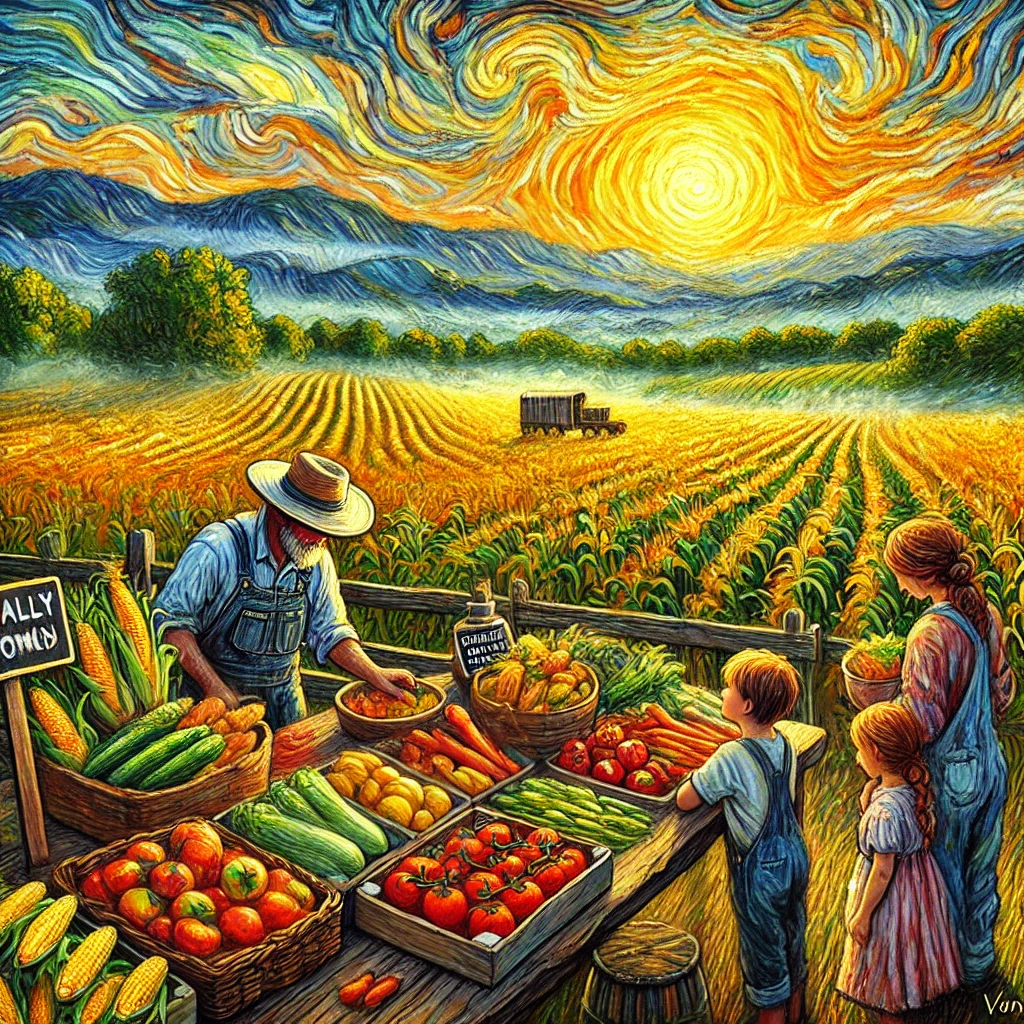
When you take a drive through Dunlap, Tennessee, you’re met with rolling hills and sprawling fields that seem to beckon to you. The farms here are more than just businesses; they are a way of life, steeped in tradition and community. Local farmers nurture their crops with care, growing fresh produce and raising livestock in ways that honor the land and its history. It’s a landscape that tells a story—a story of resilience, hard work, and a dedication to the earth that nurtures us.
In contrast, Chattanooga, just a stone’s throw away, buzzes with the energy of urban life. The farms and Community Supported Agriculture (CSA) programs in this city have their own charm, thriving amidst coffee shops and art galleries. While they offer convenience and a variety of selections that cater to the fast-paced lifestyle, they often lack the intimate connection to their produce found in Dunlap. Here, in contrast, farmers often engage directly with their customers at local farmers’ markets and through subscription programs. You can almost hear the soil speaking through their hands, and each bite of a fresh ear of corn reflects that commitment.
Consider the emotional weight of this choice. In Dunlap, when you buy a basket of tomatoes, it’s not just a transaction; it’s a promise—the farmer’s promise to cultivate quality and care, and your promise to support their labor. This connection instills a sense of community, belonging, and trust. You’re not just supporting farms but families who depend on the land and whose stories you come to know.
On the other hand, while Chattanooga offers a vibrant mix of offerings, the relationship can feel transactional, removed from the daily rhythms of farm life. The pulse of the city gives way to convenience, but at what cost? There’s an ethical consideration in supporting smaller, local operations, particularly those that adhere closely to sustainable practices. Dunlap’s farms often embrace methods that are kinder to the environment, reflecting a moral compass that resonates deeply with many consumers today.
Ultimately, as you weigh your options, think about what matters most to you. If you seek connection, community, and a partnership with the earth, Dunlap, Tennessee, with its local farms and heartfelt CSA programs, might just have what the heart, head, and gut are yearning for—a genuine taste of home.

How Do Dunlap Tennessee Local Farms and Csa Programs Compare to Those Located In Chattanooga?
How Do Dunlap Tennessee Local Farms and Csa Programs Compare to Those Located In Chattanooga?
- Dunlap, Tennessee features rolling hills and traditional farms that reflect community values.
- Local farmers in Dunlap prioritize crop care and livestock raising in harmony with the land.
- The landscape tells a story of resilience, hard work, and dedication to nurturing the earth.
- Chattanooga offers a vibrant urban atmosphere with farms and CSA programs, thriving amidst busy city life.
- While Chattanooga provides convenience and variety, it lacks the personal connection to farms that Dunlap offers.
- Purchasing produce in Dunlap represents a promise of quality and community support, fostering trust and belonging.
- Choosing between Dunlap and Chattanooga involves considering connections to the land, ethical farming practices, and personal values.

How Do Dunlap Tennessee Local Farms and Csa Programs Compare to Those Located In Chattanooga?
Table Of Contents
- How Do Dunlap Tennessee Local Farms and Csa Programs Compare to Those Located In Chattanooga?
- How Do Csa Programs In Dunlap Support Community Health and Well-Being?
- How Have Dunlap Farmers Built Trust Within Their Local Communities?
- How Can Supporting Dunlap Farms Impact the Local Economy and Jobs?
- What Role Does Local Agriculture Play In Preserving Cultural Heritage?
- What Evidence Supports the Benefits Of Eating Local Produce In Dunlap?
- Conclusion
- Other Resources
- Glossary Of Terms
- Other Questions
- Haiku
- Poem
- Checklist
How Do Csa Programs In Dunlap Support Community Health and Well-Being?
In the rolling hills of Dunlap, Tennessee, where the sky seems to embrace the earth, Community Supported Agriculture (CSA) programs are more than just a way to get fresh produce—they’re a lifeline, rooted deeply in the essence of community health and well-being. Picture the Saturday morning farmers’ market, bustling with neighbors exchanging warm hellos and sharing stories just as vibrant as the fruits and vegetables on display. This isn’t merely about food; it’s about forging connections that nourish the soul.
When you sign up for a CSA in Dunlap, you’re not just becoming a customer; you’re joining a family. Each week, you receive a box brimming with seasonal delights, handpicked by local farmers who pour their heart and sweat into each crop. Here’s where the impact deepens: by supporting these programs, you empower sustainable practices that bolster environmental health. You’re not only eating better; you’re making a conscious choice that resonates throughout the community, promoting a more resilient and responsible way of living.
Moreover, think about the nutritional benefits. Fresh, locally-grown produce means better flavors and a bounty of nutrients, directly supporting your family’s health. It’s a win-win situation—your gut rejoices in wholesome, organic flavors while your head understands that these choices lead to healthier lives. It’s hard not to feel inspired when you realize that participating in a CSA means championing agricultural practices that are good for the soil, good for farmers, and good for you.
And let’s not forget the ethical dimension. In a world where grocery store chains dominate, choosing a CSA reinforces a commitment to ethical consumption. By choosing local over corporate, you foster not just economic stability in Dunlap but also promote fair practices that honor the hard work of farmers. Your dollars aren’t just spent; they’re invested in the very fabric of your community.
The narratives surrounding CSA participation are powerful. Hear stories of families coming together to cook meals, of children learning to appreciate nature’s bounty, and of local farmers celebrating the fruits of their labor. It becomes a shared journey toward better health and deeper bonds.
So, take a leap. Get involved with CSA programs in Dunlap, Tennessee. Experience the joy of being part of something bigger, one delicious bite at a time, and watch as your commitment transforms not just your table but the entire community’s health and spirit. It all starts with a single choice.

How Do Csa Programs In Dunlap Support Community Health and Well-Being?
How Do Csa Programs In Dunlap Support Community Health and Well-Being?
- Community Supported Agriculture (CSA) in Dunlap, Tennessee, promotes community health and well-being.
- Joining a CSA means becoming part of a family and receiving a weekly box of seasonal produce from local farmers.
- Supporting CSAs empowers sustainable agricultural practices that enhance environmental health.
- Fresh, locally-grown produce contributes to better nutrition and flavors for families.
- Participating in a CSA reinforces ethical consumption and supports local economic stability.
- CSA participation fosters meaningful stories and connections among families and farmers.
- Engaging with a CSA transforms individual and community health through a shared commitment to local agriculture.

How Do Csa Programs In Dunlap Support Community Health and Well-Being?
How Have Dunlap Farmers Built Trust Within Their Local Communities?
In the rolling hills of Dunlap, Tennessee, trust isn’t just built; it’s cultivated with the same care that farmers reserve for their crops. These dedicated individuals understand that their connection to the land is mirrored in their connection to the community. The farmers of Dunlap are not just producers but stewards of a way of life, and they embrace this role with a fervor that resonates deeply with their neighbors.
Every morning, as the sun rises over the mountains, you’ll find the farmers doing more than just tending to fields—they’re nurturing relationships. Community members see them at local markets, visibly proud to share the fruits of their labor. It’s a powerful image, one that engages the heart: these farmers, with their weathered hands and humble smiles, personify the very essence of dedication. They know their customers by name, and when they talk about soil health and crop rotation, they aren’t just sharing facts—they’re sharing a part of themselves. This narrative creates an emotional connection, inviting individuals to be part of a larger story.
Rationally, these farmers understand that trust is as essential to their livelihood as fertilizer is to their fields. They regulate their practices with transparency, showcasing their commitment to sustainable agriculture and animal welfare. They invite locals to visit their farms, turning apprehension into reassurance. When people see the cows grazing peacefully, the vibrant vegetables bursting with color, and the meticulous care taken to grow food, they connect the dots. Ethics in farming practices become a shared value, enhancing community solidarity and fostering confidence in local products.
On a social level, farmers often engage in community events, from harvest festivals to educational workshops. They create opportunities for families to gather, learn, and connect, reinforcing the fabric of the Dunlap community. Everyone comes together, sharing not just food but stories, laughter, and traditions. It’s in these moments that the gut instinct to trust solidifies; people feel seen, heard, and respected.
As you witness the relationships that span generations, you can’t help but feel inspired. Farmers in Dunlap are more than just agriculturalists; they are integral members of a vibrant tapestry, weaving trust and community spirit with every seed they sow. When you support them, you aren’t just buying vegetables; you are investing in a legacy built on authenticity and connection. So next time you think of where to source your food, remember Dunlap, Tennessee, where trust is as bountiful as the harvest itself.

How Have Dunlap Farmers Built Trust Within Their Local Communities?
How Have Dunlap Farmers Built Trust Within Their Local Communities?
- In Dunlap, Tennessee, trust is cultivated with care, paralleling farmers’ connection to the land and community.
- Dunlap farmers are stewards of their way of life, embracing their roles with passion and dedication.
- They nurture relationships daily, attending local markets and proudly showcasing their produce.
- Farmers foster emotional connections by sharing knowledge about soil health and crop rotation.
- Transparency in farming practices builds trust and confidence in local products.
- Community events and educational workshops create opportunities for learning and connection among families.
- Supporting local farmers means investing in a legacy of authenticity and community spirit in Dunlap.

How Have Dunlap Farmers Built Trust Within Their Local Communities?
How Can Supporting Dunlap Farms Impact the Local Economy and Jobs?
When you hear “Dunlap, Tennessee,” what comes to mind? Rolling hills, fresh air, and the scent of freshly tilled soil? Maybe it’s a nearby farmer’s market or the laughter of children playing at a local park. But what if I told you that supporting places like Dunlap Farms can ripple outwards, touching not just the soil but the very fabric of our community?
Think about it. Every time you buy a product from Dunlap Farms, you’re not just making a transaction; you’re investing in the heartbeat of our local economy. Those dollars stay right here, circulating through shops, schools, and services, creating jobs and fueling dreams. When local farms thrive, they elevate the entire town, one fresh tomato and homemade jam at a time.
Let’s dive a bit deeper. Each farmer, each worker, each family behind Dunlap Farms has a story—stories of hard work, of chasing dreams against the odds. These aren’t just abstract ideas; they’re real people with hopes of putting food on their tables and sending their kids to school. When we support them, we’re acknowledging their struggle, contributing to their vision, and joining a greater narrative that celebrates hard work and resilience.
And then there’s the ethical side. By lending your support to local agriculture, you’re making a choice that respects the earth and its cycles. You’re reducing the carbon footprint associated with long-distance food transport and promoting sustainable practices that benefit our environment. This isn’t just about supporting farms; it’s about healing the landscape we call home.
From an authority standpoint, let’s consider this: trusted studies show that locally sourced food contributes significantly to community resilience. It strengthens the infrastructure that supports local businesses, which means more jobs and a more robust economy. In a world where big corporations often overshadow the little guys, Dunlap Farms stands tall as a cornerstone of local pride and purpose.
Finally, the social impact is enormous. Picture this: with every meal made from Dunlap’s bounty, you’re fostering community connections—around dinner tables, at potlucks, and during neighborhood gatherings. You’re not just feeding yourself; you’re building relationships, reviving traditions, and investing in your community’s shared future.
So, next time you find yourself in Dunlap, Tennessee, remember that supporting local farms engenders a cycle of prosperity. It’s time to put your dollars where your heart is and help cultivate the enduring spirit of our community.

How Can Supporting Dunlap Farms Impact the Local Economy and Jobs?
How Can Supporting Dunlap Farms Impact the Local Economy and Jobs?
- Dunlap, Tennessee, is characterized by its natural beauty and sense of community.
- Supporting Dunlap Farms means investing in the local economy, creating jobs, and fueling dreams.
- Every farmer and worker at Dunlap Farms has a story of hard work and resilience.
- Choosing local agriculture respects the earth and reduces the carbon footprint associated with food transport.
- Studies show that locally sourced food strengthens community resilience and local business infrastructure.
- Eating from Dunlap Farms fosters community connections and revives local traditions.
- Supporting local farms cultivates the spirit of the community and promotes shared prosperity.

How Can Supporting Dunlap Farms Impact the Local Economy and Jobs?
What Role Does Local Agriculture Play In Preserving Cultural Heritage?
Local agriculture is the bedrock of cultural heritage, weaving a tapestry that reflects the identity, values, and traditions of communities like Dunlap, Tennessee. It’s not just about the food on our plates; it’s about the stories behind every crop, the hands that nurture the soil, and the generations that have passed down age-old practices. These practices are the lifeblood of a community, connecting us to our ancestors while reminding us of our place in the continuum of time.
When you stroll through a local farmers market in Dunlap, you witness more than just fresh produce; you experience the echoes of history. Each vendor, whether marketing heirloom tomatoes or handwoven baskets, embodies a narrative that spans decades, if not centuries. This isn’t just commerce; it’s a celebration of resilience and creativity. Local agriculture invites us to engage with our past, giving us insight into how our forebearers cultivated the land, faced challenges, and celebrated harvests. These stories foster a sense of belonging, igniting a spark of pride and nostalgia.
From a rational perspective, local agriculture is also vital for sustainable development. It promotes biodiversity, reduces carbon footprints, and nurtures community partnerships. The mere act of supporting local farmers isn’t merely an economic choice; it’s an ethical stance. By buying local, we’re championing practices that honor the land and its stewards, sustaining both the environment and our cultural fabric. We’re investing in the future, ensuring that our traditions are not just preserved but evolve gracefully into the modern world.
The lessons gleaned from local farming practices often transcend the boundaries of our own communities. We learn culinary skills that were nearly lost, respect for land that’s been worked for generations, and the importance of seasonality. In an age of fast everything, these values resonate deeply, reminding us of the beauty found in patience and perseverance.
Socially, engaging with local agriculture fosters connections among neighbors. Gathering to plant, harvest, or even enjoy a farm-to-table meal promotes a sense of community that is increasingly rare in our digital age. It’s not just about eating well; it’s about nurturing relationships, sharing laughter, and building a legacy that future generations will cherish. These moments, stitched together in the fabric of daily life, serve as reminders that preserving cultural heritage is not just a concept; it’s a vibrant, living practice, as alive as the soil itself.

What Role Does Local Agriculture Play In Preserving Cultural Heritage?
What Role Does Local Agriculture Play In Preserving Cultural Heritage?
- Local agriculture reflects the identity, values, and traditions of communities, such as Dunlap, Tennessee.
- It embodies the stories behind crops, the hands that nurture the soil, and the generational practices passed down through time.
- Visiting farmers markets reveals a historical narrative behind each vendor’s offerings, symbolizing resilience and creativity.
- Supporting local farmers promotes sustainable development, biodiversity, and nurtures community partnerships.
- Buying local is an ethical choice that honors the land and supports the preservation of cultural heritage.
- Lessons from local farming practices teach respect for land and the importance of patience in a fast-paced world.
- Engaging with local agriculture fosters community connections, reinforcing relationships and building a cherished legacy.

What Role Does Local Agriculture Play In Preserving Cultural Heritage?
What Evidence Supports the Benefits Of Eating Local Produce In Dunlap?
When it comes to the simple act of biting into a juicy, sun-ripened tomato or savoring the crisp snap of a local cucumber, our connection to the land in Dunlap, Tennessee isn’t just a matter of taste; it’s a tapestry woven from threads of health, community, and sustainability. The benefits of eating local produce are supported not just by what’s on our plates, but by the stories that surround each meal.
First, let’s talk about freshness. Those tomatoes you buy? They’re picked at peak ripeness, often just hours before they find their way to your kitchen. This means more nutrients, better flavor, and a vibrant, visceral experience with every bite. Unlike the hundreds of miles typical supermarket vegetables might travel, local produce goes from farm to table in a heartbeat. This immediacy doesn’t just satisfy your gut; it nourishes your body, leading to improved health outcomes. Studies show that fresh, local fruits and vegetables are packed with vitamins, antioxidants, and flavor that can boost everything from your mood to your immune system.
Then, there’s the social fabric of Dunlap woven throughout our local food movement. When you purchase produce from nearby farms or farmers’ markets, you’re investing in your community. That dollar you spend helps families thrive, supports local agricultural practices, and nurtures an economy where everyone feels the benefits. It’s not just about groceries; it’s about creating relationships—over shared meals, vibrant markets, and heartfelt conversations. Connecting with local farmers instills a sense of trust; you know where your food comes from and the hard work that goes into it.
And let’s not forget the ethical dimension. By choosing local, you’re making a conscious decision to reduce your carbon footprint, endorsing sustainable practices that preserve the land for future generations. In Dunlap, we can cultivate not only great food but hope for a viable environment.
So, the next time you find yourself in the produce aisle, think about more than just the price tag or the convenience. Feel the pulse of your community in every delicious bite, remember the ethics of what supports local farmers, and savor the benefits that resonate not just with your taste buds, but with your mind and heart. Eating local is more than a trend; it’s a vibrant statement of who we are as a community.

What Evidence Supports the Benefits Of Eating Local Produce In Dunlap?
What Evidence Supports the Benefits Of Eating Local Produce In Dunlap?
- Eating local produce in Dunlap, Tennessee connects health, community, and sustainability.
- Local fruits and vegetables are fresher, picked at peak ripeness, leading to better flavor and nutrition.
- Fresh local produce improves health outcomes by providing essential vitamins and antioxidants.
- Purchasing from local farmers supports the community and helps families thrive economically.
- Buying local fosters relationships and trust between consumers and farmers.
- Choosing local reduces your carbon footprint and supports sustainable agricultural practices.
- Eating local is not just a trend; it represents the values and identity of the Dunlap community.

What Evidence Supports the Benefits Of Eating Local Produce In Dunlap?
Conclusion
Driving through Dunlap, Tennessee, you’re greeted by more than just picturesque landscapes; you encounter a deep-rooted commitment to community and the land itself. The local farms here do more than grow food; they cultivate relationships, instilling a sense of trust and belonging that transcends the simple act of buying produce. When you choose to support these farms, you’re not just making a purchase; you’re entering a partnership grounded in shared values, a promise to sustain the environment, and a dedication to nurturing healthier lives.
Contrast this with the vibrant yet distanced agricultural scene in Chattanooga. While their offerings might be more convenient for a fast-paced lifestyle, the intimate connections and stories behind each crop often fade. When a farmer in Dunlap hands you a basket of tomatoes, you can feel the sweat and love reflected in that exchange. Every item comes with a narrative—a family’s collective effort, a community’s history, and a commitment to ethical farming practices. It’s not just a transaction; it’s a reminder of the resilience and spirit of local agriculture. This emotional investment fosters community spirit, creating bonds among neighbors eager to support local economies and traditions that matter.
Think about what contributing to Dunlap farms means on multiple levels. On the rational side, fresh, locally sourced produce not only delivers superior flavor and nutrition but also supports local jobs and keeps money within the community. The healthy habits cultivated through CSA programs lead not only to better individual health but also to a more robust community, with social gatherings centered around shared meals and experiences.
Ethically, participating in local agriculture takes on added significance. It stands against the backdrop of industrial farming and environmental degradation, supporting sustainable practices that care for the land we depend on. You can take pride in knowing that by making small dietary choices today, you are impacting the future health of both individuals and the community as a whole.
Ultimately, embracing the ethos of Dunlap’s local farms is about more than just food; it’s about making intentional choices that resonate emotionally, rationally, and ethically. With every bite of that farm-fresh produce, you’re connecting with your roots and building a legacy centered around culture, community, and sustainability. When you invest in Dunlap, you’re not just buying food; you’re nourishing your heart, mind, and the very fabric of your community.

Conclusion
Conclusion:
- Dunlap, Tennessee, offers picturesque landscapes and a strong commitment to community and land.
- Local farms cultivate relationships, fostering trust and belonging beyond mere produce sales.
- Supporting these farms means entering a partnership focused on shared values, environmental sustainability, and healthier lives.
- In contrast, Chattanooga’s agricultural scene is vibrant yet lacks the intimate connections found in Dunlap.
- Local produce in Dunlap comes with narratives of community history and ethical farming, making it more than just a transaction.
- Contributing to local farms aids the economy, fosters healthy habits, and facilitates social gatherings.
- Choosing local agriculture supports sustainable practices and contributes positively to individual and community health.

Conclusion
Other Resources

Other Resources
Here is a list of other resources you can review online to learn more:
- Beau Brown Of Jason Lewis Dunlap Supercenter
- Sequatchie County School System
- Scottish Inns & Suites Dayton, TN
- Fall Creek Falls State Park
- LANDING ZONE GRILL
- Five Star Wine & Spirits
- Chattanooga VIP TOURS
- J.W. Morrison Company, LLC
- U-Haul Neighborhood Dealer
- Flying.Camp Paragliding
- Pizza King Dunlap
- Motel 6 Cookeville, TN
- Retro Hughes Road Trailhead of the Cumberland Trail
- Red Roof Inn Monteagle – I-24
- Tennessee Tree Toppers Club
- Mid-Tenn Diesel Truck Repair
Use This Prompt To Get More Resources With Your Favorite Online AI Tool: Please provide me with a list of online articles with their URLs in a bulleted list that I can read regarding How Do Dunlap Tennessee Local Farms and Csa Programs Compare to Those Located In Chattanooga?

Other Resources
Glossary Terms
How Do Dunlap Tennessee Local Farms and Csa Programs Compare to Those Located In Chattanooga? – Glossary Of Terms
1. CSA (Community Supported Agriculture): A system where consumers buy shares of a farm’s harvest in advance, receiving seasonal produce and products directly from the farm.
2. Local Farms: Farms operating within a specific geographic region that supply fresh produce and goods to nearby consumers, emphasizing local food systems.
3. Dunlap: A city in Tennessee known for its agricultural productivity and local farms, contributing to a distinct agricultural landscape compared to nearby areas.
4. Chattanooga: A city in Tennessee with diverse agricultural offerings, including various urban farms and CSAs catering to its urban population.
5. Sustainability: Agricultural practices aimed at meeting current food needs without compromising future generations’ ability to meet their own needs, often associated with organic farming.
6. Farm-to-Table: A movement that emphasizes sourcing food directly from local farms to ensure freshness and support local economies.
7. Organic Farming: A method of agriculture that avoids synthetic chemicals, promotes biodiversity, and enhances soil health through natural practices.
8. Seasonal Produce: Fruits and vegetables that are harvested at specific times of the year, reflecting the natural growth cycles of crops.
9. Food Hub: A centralized facility that processes, distributes, and markets locally produced food products, often supporting local farmers.
10. Ethical Farming: Agricultural practices that prioritize animal welfare, environmental stewardship, and fair labor conditions.
11. Urban Agriculture: The practice of cultivating, processing, and distributing food within or around urban areas, often addressing food deserts.
12. Cooperative: A business organization owned and operated for the benefit of those using its services, which can include farms or CSA programs working together.
13. Permaculture: An approach to agriculture that designs agricultural systems based on natural ecosystems, promoting sustainable land use.
14. Farmers’ Market: A periodic market at which local farmers sell their produce directly to consumers, fostering community and supporting local economies.
15. Crop Rotation: An agricultural practice involving the sequential planting of different crops in the same area across seasons to maintain soil health and reduce pests.
16. Biodiversity: The variety of plant and animal life in a particular habitat, essential for resilience in agricultural systems.
17. Value-Added Products: Goods that have been processed or packaged to enhance their value, such as jams or cheeses made from locally sourced ingredients.
18. Soil Health: The condition of soil that reflects its biological, physical, and chemical properties, vital for productive farming.
19. Greenhouse Farming: The practice of growing plants in controlled environments, extending the growing season and protecting crops from harsh weather.
20. Aquaponics: A sustainable farming practice that combines aquaculture (raising fish) with hydroponics (growing plants in water) for mutual benefits.
21. Direct Marketing: Selling products directly to consumers, eliminating intermediaries and enhancing farm profitability.
22. Heritage Breeds: Traditional animal breeds or plant varieties that have been preserved for their unique characteristics and adaptability.
23. Pesticide-Free: Farming practices that avoid chemical pesticides, emphasizing natural pest control methods.
24. Community Engagement: Involvement of local residents in agricultural initiatives, fostering relationships between farmers and consumers.
25. Food Sovereignty: The right of peoples to healthy and culturally appropriate food produced through ecologically sound and sustainable methods.
26. Shareholder: An individual or family who purchases a share in a CSA, receiving a portion of the farm’s produce during the growing season.
27. Harvest Festival: An event celebrating the agricultural bounty of the season, often featuring local produce, crafts, and community activities.
28. Permitted Practices: Accepted methods within organic farming that adhere to regulatory standards for organic certification.
29. Produce Cooperative: A group of local farmers who come together to collectively market and distribute their products.
30. Land Use Planning: The process of evaluating and managing land resources for sustainable development, particularly in agricultural contexts.

Glossary Of Terms
Other Questions
How Do Dunlap Tennessee Local Farms and Csa Programs Compare to Those Located In Chattanooga? – Other Questions
If you wish to explore and discover more, consider looking for answers to these questions:
- What are the main differences in farming practices between Dunlap and Chattanooga?
- How do community events in Dunlap promote local agriculture?
- What are the common crops grown in Dunlap compared to those in Chattanooga?
- How do CSA programs in Chattanooga compare to those in Dunlap regarding membership and produce variety?
- What role do farmers’ markets play in the Dunlap community?
- How can consumers identify and support sustainable agriculture in both areas?
- What is the historical significance of local farms in Dunlap’s cultural identity?
- How do the economic impacts of local farms in Dunlap compare to those in Chattanooga?
- What stories of local farmers can be shared to highlight their contributions to the community?
- What educational resources are available for those interested in starting their own CSA in Dunlap?
- How do consumer preferences differ between urban and rural farm settings?
- What are some challenges faced by local farmers in Dunlap?
- How does local agriculture affect community mental health and social interactions?

Other Questions
Haiku
How Do Dunlap Tennessee Local Farms and Csa Programs Compare to Those Located In Chattanooga? – A Haiku
Rolling hills of green,
Farms weave tales of our hearts,
Local life, pure trust.

Haiku
Poem
How Do Dunlap Tennessee Local Farms and Csa Programs Compare to Those Located In Chattanooga? – A Poem
In Dunlap’s embrace, where the hills gently rise,
Lies a world steeped in tradition, beneath open skies.
Farmers tend to their fields, with hands worn yet strong,
Nurturing the earth, to nature they belong.
Each harvest a promise, each tomato a tale,
Of resilience and love, in the face of each trial.
Here, the market hums life, with laughter and cheer,
Neighbors gathering round, their connections sincere.
In contrast, Chattanooga pulses with vibrant light,
Convenience a siren, in the urban night.
Yet behind the fast pace lies a question of worth,
Do we lose that embrace of our nurturing earth?
For in Dunlap’s CSA, community thrives,
With boxes of goodness, where spirit arrives.
Nourishment not just of body, but of bond,
In every shared meal, a deeper connection is fond.
Sustainability sings through every farmer’s creed,
Cultivating not just crops, but a legacy’s seed.
Ethical choices weave through peace, not just profit,
Investing in futures, while we nurture each habit.
As stories unite, the heart and mind merge,
A tapestry woven, the taste and the urge.
For every dollar spent, echoes in the soil,
Building a vibrant narrative from our labor and toil.
So let’s cherish the bounty, where culture’s roots lie,
In the fields of Dunlap, where our spirits can fly.
With trust as our currency, connections profound,
Eating local sustains both the land and each bound.
Join the journey of flavors, let your gut resonate,
In every bite taken, is a chance to create.
Together we flourish, as families and friends,
In Dunlap’s embrace, where community blends.

Poem
Checklist
How Do Dunlap Tennessee Local Farms and Csa Programs Compare to Those Located In Chattanooga? – A Checklist
Checklist: Supporting Local Agriculture in Dunlap, Tennessee
Heart Appeals:
_____ Attend a local farmers’ market to experience the community vibe.
_____ Share a meal made with local produce; invite friends to deepen community connections.
_____ Learn a farmer’s story to appreciate the dedication and tradition behind your food.
Head (Rational) Appeals:
_____ Research the nutritional benefits of local produce compared to grocery store options.
_____ Explore how supporting local farms contributes to economic stability in Dunlap.
_____ Understand the environmental impact of locally sourced food and its role in sustainability.
Gut (Emotional) Appeals:
_____ Reflect on the feeling of community and belonging when buying from local farmers.
_____ Visualize the freshness and quality of farm-to-table food compared to store-bought.
_____ Consider how your choice supports ethical agricultural practices.
Ethical Appeals:
_____ Commit to choosing products from local farms over corporate chains.
_____ Support sustainable farming practices that respect the land and community.
_____ Advocate for fair labor practices that benefit local farmers and their families.
Authority Appeals:
_____ Read studies and expert opinions on the benefits of local sourcing for health and economy.
_____ Attend workshops or talks by local farmers about sustainable practices.
_____ Engage with community leaders about the importance of preserving local agriculture.
Narrative Appeals:
_____ Share personal stories or experiences related to local farming and community connections.
_____ Document the journey of a seasonal crop from a local farm to your table.
_____ Encourage others to participate in community events that celebrate local agriculture.
Social Appeals:
_____ Join community-supported agriculture (CSA) programs to invest in local farms.
_____ Participate in community gatherings that feature local produce and farming practices.
_____ Connect with neighbors to build a network that supports local food initiatives.

Checklist
At Dunlap Directory, we help Dunlap, Tennessee, business tell stories and market and sell their products and services.
Please share this post with your friends, family, or business associates who may want help telling the stories of their legacy.


