












An Overview Of Crop Insurance – Protecting Your Farm Against Price Swings and Weather In Rural Tennessee
By Tom Seest
At Dunlap Directory, we help Dunlap, Tennessee, business tell stories and market and sell their products and services.
Please share this post with your friends, family, or business associates who may want help telling the stories of their legacy.
Crop Insurance – Protecting Your Farm Against Price Swings and Weather In Rural Tennessee
In Dunlap, Tennessee, life unfolds against a backdrop of rolling hills and expansive fields, where farmers rise before dawn, fueled by the promise of a good harvest. But the unpredictability of nature and volatile market prices can quickly turn that promise into a threat. Crop insurance stands as a safety net, an essential tool for safeguarding not just crops but the very livelihood of families who depend on agriculture.
Picture a thriving cornfield swaying gently in the Tennessee breeze, the golden stalks a testament to long hours of hard work. Yet, just as quickly as the sun rises, storms can roll in, drenching those fields and washing away hope. Crop insurance provides a layer of assurance in these moments of uncertainty. It’s not just a policy; it’s a commitment to resilience, ensuring that when disaster strikes—be it a hailstorm or a sudden drop in market prices—farmers can weather the storm and emerge with their farms intact.
Understanding the complexities of crop insurance might seem daunting, but each farmer in Dunlap knows it’s an investment in their future. With the support of insurance, they can focus on what they do best: nurturing the land and producing food for their community. This not only promotes individual well-being but strengthens the entire rural economy. When farmers are secure, local businesses thrive, families flourish, and communities bond over their shared reliance on the land.
Think of the stories passed down through generations, tales of hardship, perseverance, and triumph. Every farmer in Dunlap has a story to tell—a narrative woven with threads of hope and grit. Crop insurance is part of that narrative, a partner in the fight against uncertainty. It fosters trust in an industry where faith is often tested. When farmers know they have support, they can take risks that lead to innovation and growth, securing the food supply for tomorrow.
Moreover, there’s an ethical responsibility to protect the land and those who cultivate it. Investing in crop insurance reflects a dedication not just to oneself but to future generations who will inherit the care of these fields. It’s about leaving behind a legacy of strength and sustainability, a legacy that future farmers in Dunlap can rely on.
In rural Tennessee, crop insurance doesn’t just cover losses; it cultivates hope. It’s a call to action for every farmer to take charge of their destiny, because when you sow the seeds of security, you harvest a future worth protecting.

Crop Insurance – Protecting Your Farm Against Price Swings and Weather In Rural Tennessee
Crop Insurance – Protecting Your Farm Against Price Swings and Weather In Rural Tennessee
- Dunlap, Tennessee features a landscape of rolling hills and fields where farmers work early for a good harvest.
- Crop insurance serves as a critical safety net for farmers, protecting their livelihoods amid unpredictable nature and market fluctuations.
- It provides assurance against disasters like storms and price drops, allowing farmers to retain their farms and resilience.
- Farmers view crop insurance as an investment in their future, enabling them to focus on agricultural productivity and community food production.
- Secure farmers contribute to thriving local businesses and stronger rural economies.
- Each farmer’s story includes themes of hardship and perseverance, with crop insurance playing a vital role in ensuring trust and facilitating growth.
- Investing in crop insurance reflects a commitment to sustainable agriculture and the wellbeing of future generations.

Crop Insurance – Protecting Your Farm Against Price Swings and Weather In Rural Tennessee
Table Of Contents
- Crop Insurance – Protecting Your Farm Against Price Swings and Weather In Rural Tennessee
- How Can Crop Insurance Safeguard My Income?
- What Risks Do I Face Without Crop Insurance?
- How Can I Choose the Right Crop Insurance Policy?
- What Are the Financial Benefits Of Crop Insurance?
- How Does Weather Impact My Crop Insurance Needs?
- Conclusion
- Other Resources
- Glossary Of Terms
- Other Questions
- Haiku
- Poem
- Checklist
How Can Crop Insurance Safeguard My Income?
Crop insurance can be the lifeline for farmers navigating the unpredictable waters of agriculture, particularly in places like Dunlap, Tennessee. Imagine waking up each morning, the sun rising over fields of promise, only to be reminded that everything you’ve worked for could vanish in an instant: droughts, floods, pests. The harsh reality of farming is that nature doesn’t always play fair. Here’s where crop insurance steps in, acting as both a safety net and a source of reassurance.
When thinking about income protection, it’s important to consider that crop insurance doesn’t just mitigate financial loss; it fosters resilience. With the right coverage, you can safeguard your income, allowing you to plan, invest, and grow without the paralyzing fear of losing it all to unforeseen circumstances. It’s about protecting your livelihood, your family’s future, and the very community that relies on your agricultural output. This is not merely a policy; it’s a pact with the future.
On an emotional level, think of the stories that unfold each season. The farmer in Dunlap who wakes up before dawn to tend to his crops, his hopes sewn within every seed. When disaster strikes, crop insurance can provide a glimmer of hope amid disappointment. It ensures that one setback won’t mean the end of a dream. The heart of farming beats with stories, sacrifice, and unwavering dedication, which crop insurance acknowledges, turning vulnerability into strength.
Rationally, the numbers speak volumes. The costs of insuring your crops can pale in comparison to the losses incurred from natural disasters. A good insurance policy can cover crop failures, ensuring you remain solvent even when the harvest is lost. This reality grants farmers not only peace of mind but also permission to dream bigger. Investing in crop insurance is like investing in your own future—a calculated decision for sustainability.
Ethically, farming supports families, communities, and economies. When farmers safeguard their income, they stabilize local markets and contribute to food security. It’s about shared responsibility, ensuring that when one part of the agricultural landscape falters, it doesn’t bring down others with it.
In essence, crop insurance inspires trust. It’s an ally in the field, a silent supporter in moments of crisis, and a reminder that, despite the challenges, resilience is rooted in action. You don’t just insure crops; you protect a legacy, nurture community, and embody hope. Engage with this vital tool; take action today and safeguard not just your income but the future of every farmer in Dunlap, Tennessee.

How Can Crop Insurance Safeguard My Income?
How Can Crop Insurance Safeguard My Income?
- Crop insurance acts as a safety net for farmers facing unpredictable agricultural conditions in Dunlap, Tennessee.
- It helps mitigate financial loss and fosters resilience, allowing farmers to plan and invest without fear.
- On an emotional level, it provides hope amid setbacks, ensuring that dreams can persist despite challenges.
- Financially, the costs of crop insurance are often outweighed by potential losses from natural disasters.
- Insurance policies can cover crop failures, offering peace of mind and encouraging larger aspirations.
- Ethically, crop insurance supports local economies and food security by stabilizing farmer income.
- Ultimately, crop insurance builds trust and safeguards not just individual livelihoods but the future of farming communities.

How Can Crop Insurance Safeguard My Income?
What Risks Do I Face Without Crop Insurance?
In Dunlap, Tennessee, the fields stretch wide under a vast sky, a testament to hard work and hope. Yet, amidst the beauty of our farmlands lies an unspoken truth: the risks we face without crop insurance can be staggering. Imagine dedicating your heart and soul to your crops, nurturing them through rain and drought, only to see them wiped out by an unforeseen storm or pest infestation. The emotional toll is heavy. It’s not just about the loss of crops; it’s about the dreams, the investments, and the future of your family.
Rationing your resources becomes a brutal reality. Each season you gamble with Mother Nature, relying on luck more than knowledge. The numbers speak for themselves: without insurance, you could find yourself facing crippling debt if disaster strikes. Your savings—years of hard-earned money—could vanish overnight, leaving you to question everything you’ve worked for. This is not merely a financial risk; it is an existential one that weighs heavily on the heart.
Ethically, consider the community that thrives on our agriculture. When individual farmers falter, so too do their neighboring businesses, schools, and families. The ripple effect is profound. A single crop failure can send shockwaves through our local economy, straining resources that everyone relies on. The sound of silence in a once-bustling community can be deafening.
Now, let’s talk about authority. Industry experts and seasoned farmers alike will tell you: investing in crop insurance is not just smart; it’s essential. It’s backed by decades of data and an understanding of risk management that transcends the individual. It’s about being part of a larger narrative—one that prioritizes resilience over recklessness.
You might think of the neighbors who have faced devastating losses without insurance. Their stories serve as cautionary tales, reflecting the very real loss of hope and livelihood. The heartbreak doesn’t just affect them; it stretches through our shared community fabric.
Taking action now, before calamity strikes, can cultivate a sense of control over the unpredictable. You hold the power to safeguard your pursuits and secure your family’s future. Here in Dunlap, we know the value of perseverance and hard work. Protecting your crops with insurance is a proactive step toward ensuring that the promise of tomorrow remains alive in our fields today.

What Risks Do I Face Without Crop Insurance?
What Risks Do I Face Without Crop Insurance?
- Dunlap, Tennessee’s farmlands symbolize hard work and hope, yet face significant risks without crop insurance.
- The emotional toll of losing crops due to unforeseen disasters extends beyond financial loss, impacting dreams and family futures.
- Without insurance, farmers may face crippling debt and the possibility of losing their savings overnight.
- The local economy relies on agriculture, and individual farmer losses can have a ripple effect on neighboring businesses and families.
- Experts emphasize that investing in crop insurance is essential for financial stability and resilience in agriculture.
- Stories of neighbors facing losses without insurance highlight the communal impact of agricultural struggles.
- Proactively securing crop insurance empowers farmers to protect their pursuits and ensure a sustainable future for their families.

What Risks Do I Face Without Crop Insurance?
How Can I Choose the Right Crop Insurance Policy?
Choosing the right crop insurance policy can feel like standing at a crossroads in Dunlap, Tennessee, where the rolling hills meet the practicality of everyday farming life. It’s not just a financial decision; it’s about the very core of your livelihood, the heart of your family’s future, and the gut intuition that guides your choices.
Start by considering the emotional weight this decision carries. You’re not just insuring a piece of land; you’re protecting decades of hard work, sacrifice, and hopes for generations to come. Picture that bumper crop thriving under the sun, but also recognize the storms that can wipe it all away in an instant. A good policy acknowledges both the ups and downs, offering you a safety net when life throws its inevitable curveballs.
Now, let’s engage your rational side. Delve into the specifics of the policies available. What does coverage really mean? Understand the difference between yield and revenue coverage. Get granular—know how your chosen policy responds to varying conditions, from droughts to floods, and ensure it aligns perfectly with your agricultural practices and market realities. Comparison shopping isn’t just smart; it’s essential. You’re not merely looking at numbers on a page, you’re weighing the potential impact on your operation and your community.
On an ethical front, consider the companies offering these policies. Are they reputable? Do they understand the unique challenges of farmers in your area? Seek out providers that stand for your community’s values and have a track record of supporting rural America. Trust is built through transparency and reliability, so engage with peers who’ve navigated similar waters.
Narrative matters, too. Every farmer has a story to tell—yours deserves to be safeguarded. Talk to fellow farmers in Dunlap, share experiences, and lean on each other’s insights. Use these connections to gauge which insurers have walked the walk and which ones might just be selling promises. The best recommendations come from those who’ve faced adversity and triumphed because of wise decision-making.
Ultimately, choosing the right crop insurance policy isn’t just a transaction; it’s a commitment to resilience, an act of faith in the land you love, and a pledge to protect everything you’ve worked for. Empower yourself with knowledge, trust your instincts, and foster connections within your community. Make this choice with confidence, knowing you’ve taken a significant step toward safeguarding your agricultural legacy.

How Can I Choose the Right Crop Insurance Policy?
How Can I Choose the Right Crop Insurance Policy?
- Choosing a crop insurance policy is a significant decision impacting livelihood and family legacy.
- Consider the emotional weight; it protects years of hard work and hopes for the future.
- Understand the specifics of policies, including yield vs. revenue coverage and their responses to conditions like droughts and floods.
- Comparison shopping is essential to evaluate the impact on your operation and community.
- Research the reputation and values of insurance providers to ensure they align with community needs.
- Engage with fellow farmers for insights and recommendations based on shared experiences.
- Choosing the right policy is a commitment to resilience and safeguarding agricultural legacy.

How Can I Choose the Right Crop Insurance Policy?
What Are the Financial Benefits Of Crop Insurance?
Crop insurance isn’t just a policy; it’s a lifeline forged in the heart of agriculture, especially for farmers in places like Dunlap, Tennessee. Imagine waking up on a sun-soaked morning, the fields stretching before you, each row of corn or soybeans a promise of hard work and hope. Yet, there’s always that nagging fear: what happens when nature throws an unexpected curveball? Floods, droughts, pests—these aren’t just unfortunate events; they can be devastating. This is where crop insurance steps in, turning fear into confidence.
Let’s be clear: the financial benefits of crop insurance are not merely numbers on a spreadsheet; they represent real-life security for families. Consider a farmer who, invested in their land and livelihood, buys a policy. When disaster strikes, the comfort of knowing that insurance will cushion the financial blow can mean the difference between despair and resilience. This coverage allows farmers to recover quickly, ensuring that they can reinvest in their operations, support their families, and contribute to their communities. It’s not just an economic transaction; it’s a commitment to resilience.
From a rational perspective, crop insurance stabilizes income, especially in times of volatility. Farmers face countless uncertainties, from market fluctuations to climate change. A solid crop insurance policy mitigates these risks, ensuring a steady flow of income that can make or break operations. This stabilizing effect enhances economic growth within communities, as farmers reinvest their earnings locally, supporting businesses and creating jobs.
On an ethical level, crop insurance serves the greater good. By safeguarding farmers, it encourages sustainable practices and food security. In a world where the population is ever-increasing, ensuring that our farmers can stay afloat means a more stable food supply for everyone. We all benefit ethically when we support systems that promote sustainability and security.
The stories of farmers in Dunlap illustrate this clearly. Take John, who faced a severe drought last summer. With the help of his insurance policy, he was able to invest in drought-resistant crops for the following season, showcasing how insurance can foster innovation and adaptability. It’s not just about managing loss; it’s about striving forward.
When farmers protect their crops with insurance, they’re not just safeguarding their own futures; they’re nurturing the very foundation of our communities. It’s a social contract, fostering trust among neighbors and creating a network of support that transcends individual farms. Crop insurance isn’t just about money; it’s about community, resilience, and the shared journey of growing together.

What Are the Financial Benefits Of Crop Insurance?
What Are the Financial Benefits Of Crop Insurance?
- Crop insurance is essential for farmers, providing security against unpredictable natural disasters.
- Financial benefits of crop insurance offer real-life support for farming families, enabling recovery and reinvestment.
- Crop insurance stabilizes farmers’ income amid market fluctuations and climate change pressures.
- It promotes economic growth in communities by allowing farmers to reinvest earnings locally.
- Ethically, crop insurance encourages sustainable practices and enhances food security for a growing population.
- Farmers like John demonstrate how insurance fosters innovation and adaptability, facilitating recovery from losses.
- Crop insurance builds community trust and support, reinforcing the shared journey of agriculture.

What Are the Financial Benefits Of Crop Insurance?
How Does Weather Impact My Crop Insurance Needs?
In Dunlap, Tennessee, where the rolling hills cradle our fields and the sun dances on our crops, the relationship between weather and crop insurance is deeply personal. It’s not just numbers and policies; it’s about livelihoods, families, and futures. As the sun rises over our land, it paints a picture of hope and hard work. But it can quickly change, as storms roll in and the weather becomes unpredictable.
Picture this: a fierce storm sweeps through, leaving behind a trail of destruction. Crops that once promised abundance are now battered and broken. It’s a gut-wrenching reality. That’s where crop insurance steps in—not merely as a safety net, but as a lifeline. It doesn’t just provide financial coverage; it offers peace of mind. The rational mind understands the statistics; the unpredictability of weather patterns affects every farmer. Drought, floods, and frost can all devastate our hard-earned investments overnight.
Yet, it’s also about ethics. Ensuring you have adequate coverage is not just a smart decision; it’s a responsible one. It acknowledges the sacrifices of those who’ve come before us and the dreams of those who will follow. Protecting your crops is an act of stewardship toward the land and community. When you invest in crop insurance, you’re honoring the trust placed in you by fellow farmers, families, and future generations. It’s about preserving not just your farm, but the overall agricultural fabric of Dunlap.
Navigating these storms, both literal and metaphorical, requires insight and guidance. Consulting with local insurance experts can bridge the gap between fear and confidence. They understand the specific challenges of our region—the unique climate, soil, and crops that define our lifestyle. This local expertise builds trust and fosters connections that transcend simple transactions.
As we gather together, sharing stories of seasons past and losses endured, the sense of community grows stronger. In Dunlap, we know that the weather can be both friend and foe. Embracing the unpredictable nature of farming is part of the journey. By securing appropriate crop insurance, we shield our dreams and livelihoods from the caprices of nature. Investing in protection today means safeguarding our future, ensuring that we can continue sharing our love for the land and our commitment to farming, come rain or shine.

How Does Weather Impact My Crop Insurance Needs?
How Does Weather Impact My Crop Insurance Needs?
- The relationship between weather and crop insurance in Dunlap, Tennessee, is personal and impactful on livelihoods.
- Severe weather can destroy crops, making crop insurance a crucial safety net and source of peace of mind for farmers.
- Ensuring adequate coverage is both a smart and ethical decision, honoring the sacrifices of past and future generations.
- Investing in crop insurance supports not only individual farms but also the wider agricultural community in Dunlap.
- Local insurance experts possess valuable knowledge about regional challenges, fostering trust and connections among farmers.
- The community bonds over shared experiences of loss and resilience in the face of unpredictable weather.
- Securing appropriate crop insurance protects dreams and ensures the continuity of farming despite nature’s uncertainties.

How Does Weather Impact My Crop Insurance Needs?
Conclusion
In Dunlap, Tennessee, crop insurance is not just a financial safety net; it’s a beacon of hope that sustains families and communities amid uncertainty. Farmers wake before dawn, pouring their hearts into the land, only to face the unpredictable whims of nature and market volatility. Yet, crop insurance offers them resilience—the assurance that when disaster strikes, they won’t lose everything they’ve worked for with the rising sun.
The emotional weight of this decision is profound. Farmers aren’t merely safeguarding crops; they’re protecting dreams that reach far beyond a single harvest. When storms or pests threaten their livelihood, crop insurance provides a way out from despair, preserving their ability to contribute to their families and communities. This moral duty becomes intertwined with their commitment to future generations, ensuring that heirs will inherit a stable agricultural landscape rather than a legacy of heartbreak.
Rationally, insuring crops is not just smart; it’s essential. The numbers are stark—without coverage, devastating losses can plunge farmers into debt, jeopardizing their entire operation. Yet with crop insurance, farmers can take calculated risks, foster innovation, and invest in sustainable practices without the paralyzing fear of losing it all. Each policy represents a profound partnership with the land, empowering farmers to cultivate not just crops but a sense of security for their families.
The community fabric of Dunlap is woven tightly around agriculture; when individual farmers thrive, local businesses flourish, schools receive support, and society as a whole benefits. The ethical implications of crop insurance extend well beyond the individual; they embrace a shared responsibility to uphold economic and food security for all. When farmers invest in their protection, they bolster the resilience of an entire community, reflecting an understanding that their success directly impacts their neighbors.
Through shared narratives—stories of perseverance in the face of adversity—crop insurance becomes part of broader agricultural lore. It’s not just an administrative task; it’s participating in a collective fight against unpredictability. Every decision to insure crops echoes a commitment to uphold the agricultural traditions that have sustained Dunlap for generations.
In conclusion, investing in crop insurance is a call to farmers in Dunlap and beyond: it’s time to secure your future. Embrace this opportunity not simply as a policy but as a promise—a promise to protect what matters most, a promise that embodies our collective hope for tomorrow, where fields flourish, and communities thrive together.

Conclusion
Conclusion:
- In Dunlap, Tennessee, crop insurance serves as both a financial safety net and a source of hope for farmers and communities.
- Farmers face unpredictable natural events and market fluctuations, but crop insurance provides resilience against these challenges.
- Insuring crops protects not only farmers’ livelihoods but also their dreams and commitment to future generations.
- Without crop insurance, devastating losses can lead to debt, threatening the entire farming operation.
- Crop insurance enables farmers to take risks and invest in sustainable practices, fostering innovation.
- The success of individual farmers supports local businesses and enhances community well-being in Dunlap.
- Investing in crop insurance is a collective responsibility that ensures economic and food security while preserving agricultural traditions.

Conclusion
Other Resources

Other Resources
Here is a list of other resources you can review online to learn more:
- Wingate by Wyndham Chattanooga
- Sonic Drive-In
- Funk Excavation
- Comfort Inn & Suites Chattanooga-East Ridge
- Shackleford Ridge County Park, Signal Mountain Tennessee
- Collins West Campground
- Tennessee Cumberland Plateau Campground
- U T Performance
- Dunlap Adventist Christian School
- Booker T. Washington State Park
- Postal Annex Dunlap TN
- Big Valley Brands, Inc.
- Cates Street Pharmacy
- Little Caesars
Use This Prompt To Get More Resources With Your Favorite Online AI Tool: Please provide me with a list of online articles with their URLs in a bulleted list that I can read regarding Crop Insurance – Protecting Your Farm Against Price Swings and Weather In Rural Tennessee

Other Resources
Glossary Terms
Crop Insurance – Protecting Your Farm Against Price Swings and Weather In Rural Tennessee – Glossary Of Terms
1. Crop Insurance: A policy designed to protect farmers against loss of crop yield due to adverse conditions or price fluctuations.
2. Premium: The amount paid for insurance coverage, typically assessed annually by the insurer based on the risk of loss.
3. Underwriting: The process through which insurers evaluate the risk of insuring a particular farm or crop.
4. Policyholder: The individual or entity that holds an insurance policy, entitled to receive benefits in the event of a covered loss.
5. Harvest Guarantee: The maximum amount of coverage provided to a farmer for losses, based on the expected yield.
6. Adjusted Gross Revenue (AGR): An insurance product that protects against loss of revenue rather than yield, considering both crop sales and other income.
7. Crop Yield: The total amount of crop produced per unit of area, often measured in bushels per acre.
8. Loss Adjustment: The process of determining the amount and cause of crop loss for claims processing.
9. Diversification: A strategy to spread investment across different crops to reduce risk from price volatility and weather events.
10. Catastrophic Risk Protection (CAT): A basic level of crop insurance that provides minimal coverage against severe losses.
11. Federal Crop Insurance: A government-backed program offering various insurance products to protect farmers from crop losses.
12. Actual Production History (APH): A record of a farmer’s historical crop yields, used to determine insured amounts.
13. Reinsurance: Insurance purchased by an insurance company to manage risk by sharing potential losses with another insurer.
14. Risk Management: Strategies and practices employed by farmers to mitigate potential financial losses associated with farming.
15. Exclusion: Specific conditions or events not covered by an insurance policy, often detailed in the policy document.
16. Insurable Interest: The financial stake a policyholder has in the insured crop, essential for the validity of an insurance contract.
17. Planted Acres: The total area that a farmer has sown with crops, which is critical for assessing insurance coverage.
18. Claim: A request made by the policyholder for compensation under the terms of the insurance policy due to a covered loss.
19. Adjuster: An insurance professional who assesses damage and determines the compensation amount for claims.
20. Sustainable Farming: Agricultural practices that aim to maintain productivity while minimizing environmental impact and risks.
21. Weather Index Insurance: A policy based on weather data (e. g. , rainfall levels) rather than actual crop losses, providing payment based on predetermined weather events.
22. Financial Margin: The difference between a farmer’s income and expenses, which crop insurance can help protect.
23. Soil Health: The condition of soil that affects crop productivity and resilience against environmental stressors, influencing insurance risk assessments.
24. Endorsement: An amendment to an insurance policy that adds or modifies coverage terms.
25. Farm Service Agency (FSA): A governmental body providing assistance with crop insurance and various agricultural support programs.
26. Crop Valuation: The process of assessing the monetary value of crops based on expected market prices and production costs.
27. Liquidity: The ability of a farmer to meet short-term financial obligations, often impacted by crop insurance payouts.
28. Yield Protection: Insurance that protects against a decrease in crop yields, compensating for loss based on average production.
29. Maximized Coverage: The highest level of financial protection offered under a specific insurance plan to cover potential losses.
30. Committed Soil Conservation: Practices implemented to maintain soil quality and prevent erosion, which can reduce risk exposure in farming.

Glossary Of Terms
Other Questions
Crop Insurance – Protecting Your Farm Against Price Swings and Weather In Rural Tennessee – Other Questions
If you wish to explore and discover more, consider looking for answers to these questions:
- What types of crop insurance policies are available to farmers in Dunlap, Tennessee?
- How do yield-based policies differ from revenue-based policies?
- What is CAT coverage and when is it appropriate?
- How are premiums calculated for different crops and coverage levels?
- What federal or state subsidies exist to reduce insurance premiums?
- Who is eligible for premium subsidies and are there AGI or acreage limits?
- What are the enrollment deadlines and critical dates I must meet?
- What documentation and records do I need to enroll in a policy?
- How do I report acreage and when is acreage reporting required?
- What qualifies as a covered cause of loss (drought, flood, hail, pests, disease, etc.)?
- Which losses are excluded from standard crop insurance policies?
- How does the claims process work and how long does it take to receive payment?
- What evidence or proof is required to support a loss claim?
- How are indemnity payments calculated?
- What is prevented planting coverage and how do I qualify?
- How do weather-index (parametric) policies work compared with loss-adjusted policies?
- What is basis risk and how might it affect index-based products?
- Can I insure specialty crops, orchards, or organic crops in Dunlap?
- How does crop insurance interact with Federal Crop Insurance Corporation (FCIC) and RMA programs?
- How do conservation programs or conservation compliance affect eligibility?
- What options exist for whole-farm or multi-peril coverage (e.g., WFRP)?
- How do endorsements or add-ons (e.g., replanting, prevented loss endorsements) work?
- What are typical deductibles or coverage levels and how do they impact premiums?
- How do market price fluctuations and futures contracts interact with revenue policies?
- How do I choose the right coverage level for my operation and risk tolerance?
- How can crop insurance support access to credit or loans from lenders?
- What should landlords and tenants know about insuring share-rented or cash-rented acres?
- How often should I review or adjust my policy as markets and climate change?
- Where can I find a local crop insurance agent or agency in Dunlap?
- What are typical timelines and steps after I file a loss (adjuster visit, appraisal, payment)?
- How is recordkeeping handled for multi-year claims or appeals?
- What are my options if I disagree with an adjuster’s assessment?
- How does crop insurance affect my tax liability and how are indemnity payments reported?
- Are there community or cooperative programs that help small farmers access affordable coverage?
- What practical steps can I take now to reduce my premium or limit exposure?

Other Questions
Haiku
Crop Insurance – Protecting Your Farm Against Price Swings and Weather In Rural Tennessee – A Haiku
Fields of promise sway,
Storms threaten hopes, hearts echo—
Secure tomorrow.

Haiku
Poem
Crop Insurance – Protecting Your Farm Against Price Swings and Weather In Rural Tennessee – A Poem
In Dunlap’s fields where dreams entwine,
Farmers rise, hearts pulsing in time,
Under sunlit skies or stormy fate,
Crop insurance stands, a guard at the gate.
When weather strikes with devastating blows,
Hope can falter, and uncertainty grows.
Yet, a safety net woven with care,
Promises resilience in the face of despair.
Imagine the harvest, ripe with intent,
Each seed a story, each row represents,
The toil of a farmer, the sweat on their brow,
Secure in the knowledge that faith guides them now.
Rising costs, market swings, nature’s cruel jest,
Crop insurance fosters a sturdy nest.
It’s not just numbers—it’s family, it’s home,
A lifeline to hold when the storms start to roam.
Through trials endured, communities mend,
Farmers uplift, as they learn to transcend.
Each policy bold, a beacon of light,
Transforming despair into future’s bright sight.
Ethics entwined in the fabric of soil,
Protecting the land, reaping rewards from the toil.
Legacy nurtured for generations to see,
In the heart of the farmer lies our community’s plea.
So rise, all ye stewards of this fertile ground,
Invest in your purpose, let security abound.
For when storms do threaten to blanket the land,
With crop insurance close, together we stand.
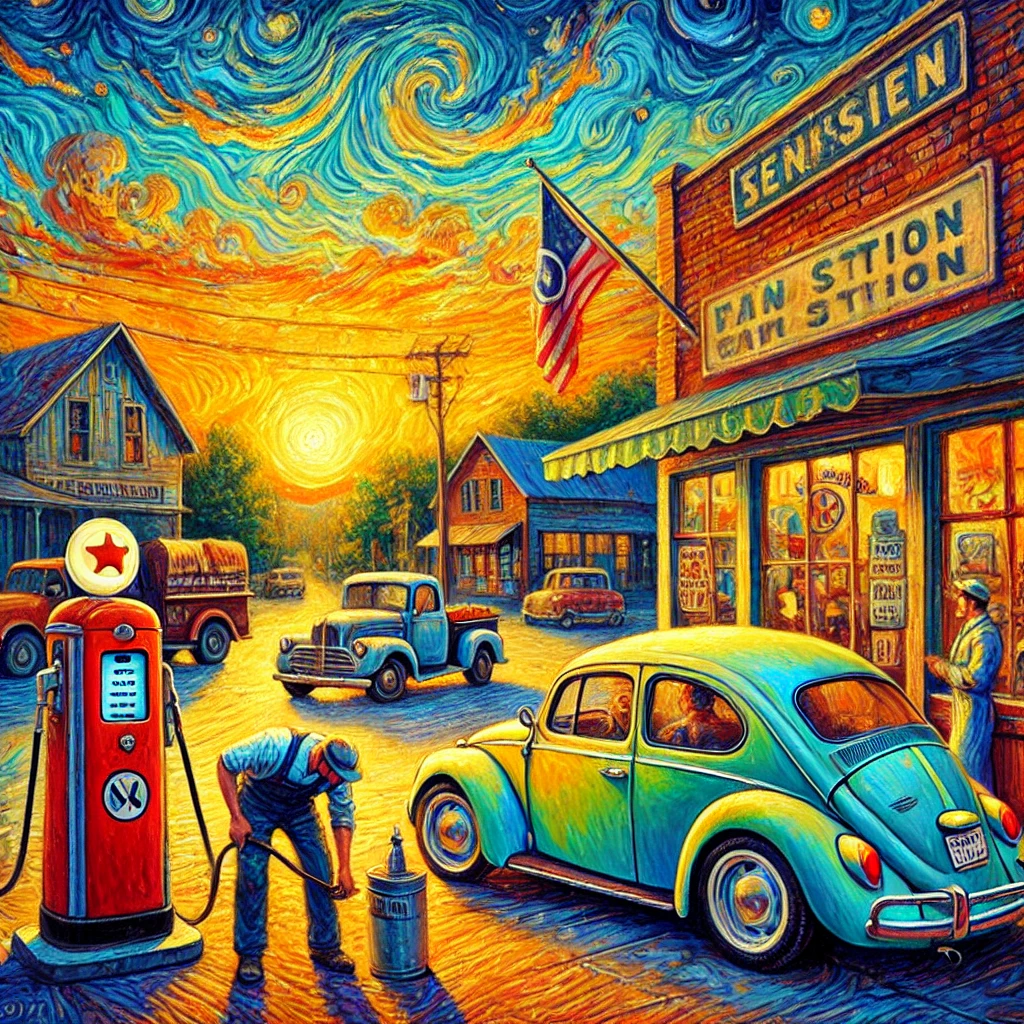
Poem
Checklist
Crop Insurance – Protecting Your Farm Against Price Swings and Weather In Rural Tennessee – A Checklist
Emotional Appeals
_____ Reflect on Your Passion: Write down why you began farming and what it means to you and your family.
_____ Visualize Resilience: Consider scenarios where crop insurance could protect your dreams—what does that look like?
_____ Share Stories: Talk to fellow farmers about their experiences; gather inspiring stories and lessons learned.
Rational Appeals
_____ Evaluate Coverage Options: List different types of crop insurance policies available and compare their costs versus potential losses.
_____ Understand Policy Terms: Break down complex insurance jargon; know the differences between yield and revenue coverage.
_____ Consult Financial Experts: Meet with financial advisors or insurance specialists to discuss tailored coverage that fits your farm’s needs.
Ethical Appeals
_____ Acknowledge Responsibility: Reflect on your role in safeguarding your community’s agricultural fabric; consider future generations.
_____ Choose Reputable Insurers: Research companies that are known for supporting rural communities; prioritize ethical providers.
_____ Promote Sustainability: Consider how crop insurance can support eco-friendly practices and contribute to food security.
Authority Appeals
_____ Learn from Experts: Attend workshops or seminars led by agricultural specialists or successful farmers.
_____ Utilize Trusted Resources: Gather literature or testimonials from established farmers in your area who advocate for crop insurance.
_____ Stay Informed on Industry Trends: Subscribe to agricultural news sources for updates on crop insurance policies and risk management strategies.
Narrative Appeals
_____ Document Your Farming Journey: Keep a journal that chronicles your experiences and challenges throughout the growing seasons.
_____ Join Community Discussions: Participate in local farming groups or forums; share personal narratives and learn from others’ experiences.
_____ Highlight Local Impact: Connect your story to community events or economic contributions to illustrate the importance of farming and insurance together.
Social Appeals
_____ Engagement with Neighbors: Foster relationships with neighboring farmers; discuss shared concerns and experiences with crop insurance.
_____ Participate in Community Initiatives: Support or host events focused on agricultural resilience and crop insurance education.
_____ Advocate Together: Collaborate on initiatives aimed at promoting awareness of the financial and emotional benefits of crop insurance in your community.
This checklist encourages a holistic approach to engaging with crop insurance, addressing emotional, rational, ethical, authority, narrative, and social appeals for a well-rounded perspective.

Checklist
At Dunlap Directory, we help Dunlap, Tennessee, business tell stories and market and sell their products and services.
Please share this post with your friends, family, or business associates who may want help telling the stories of their legacy.


