












An Overview Of Depreciation Schedules – Tracking Assets Over Time for Tax Purposes In Rural Tennessee
By Tom Seest
At Dunlap Directory, we help Dunlap, Tennessee, business tell stories and market and sell their products and services.
Please share this post with your friends, family, or business associates who may want help telling the stories of their legacy.
Depreciation Schedules – Tracking Assets Over Time for Tax Purposes In Rural Tennessee
In the heart of rural Tennessee, particularly in places like Dunlap, the rhythm of life often revolves around the land and the assets that those living there hold dear. Understanding depreciation schedules isn’t just about crunching numbers for tax purposes; it’s about valuing what you’ve worked hard to acquire and ensuring it serves you as effectively as possible throughout its life. For farmers, ranchers, and small business owners in these tight-knit communities, each piece of machinery, each building, represents years of dedication, sweat, and sometimes tears.
Think about that trusty old tractor. It’s more than just metal and wheels; it’s part of your livelihood, a partner through countless seasons. Over time, its value will change, and recognizing this through a proper depreciation schedule allows you to appreciate its journey while preparing for the future. This isn’t merely an accounting exercise—it’s a way of honoring your investment and planning for what lies ahead.
When you track depreciation, you’re not just calculating numbers for the IRS; you’re making informed decisions about repairs, upgrades, or replacements. Every dollar you save on taxes from proper asset tracking might go back into your farm or small business, allowing for new investments that can change your community. It fosters a sense of responsibility, not just to yourself and your family, but to your neighbors and local economy as well.
Moreover, keeping an accurate record builds a foundation of trust in your financial practices. When that inevitable audit comes knocking, your careful documentation speaks volumes—not just about compliance, but about your integrity. Authenticity resonates deeply in rural Tennessee, where character often counts more than credentials.
As you engage with the numbers, let them tell a story. Each entry on your depreciation schedule is a chapter detailing your business’s evolution in Dunlap. Remember that you’re part of a larger narrative, one that connects your hard work to sustaining a vibrant, resilient community. Embracing this practice not only positions you for practical benefits but also enriches your sense of belonging and contribution.
In a world where every action has a ripple effect, tracking your assets through depreciation isn’t just savvy; it’s a way to fortify the very fabric of what makes rural Tennessee special. So, roll up your sleeves, take control of your journey, and let these schedules guide you toward a future where your assets—and your community—can thrive together.

Depreciation Schedules – Tracking Assets Over Time for Tax Purposes In Rural Tennessee
Depreciation Schedules – Tracking Assets Over Time for Tax Purposes In Rural Tennessee
- Life in rural Tennessee, especially in Dunlap, revolves around land and cherished assets.
- Depreciation schedules help value hard-earned assets and ensure they serve effectively over time.
- For farmers and small business owners, machinery and buildings symbolize years of dedication.
- Tracking depreciation aids in making informed decisions regarding repairs and replacements.
- Accurate records foster trust and integrity, essential during audits and in community relationships.
- Each entry in the depreciation schedule reflects the business evolution and community contribution.
- Engaging with depreciation strengthens the local economy and enhances community resilience.

Depreciation Schedules – Tracking Assets Over Time for Tax Purposes In Rural Tennessee
Table Of Contents
- Depreciation Schedules – Tracking Assets Over Time for Tax Purposes In Rural Tennessee
- Why Is Accurate Depreciation Important for Your Assets?
- How Do You Ensure Compliance with Tax Regulations?
- What Common Mistakes Do People Make In Depreciation Tracking?
- How Can Optimized Depreciation Impact Your Overall Profitability?
- Are You Maximizing Your Tax Deductions Through Proper Schedules?
- Conclusion
- Other Resources
- Glossary Of Terms
- Other Questions
- Haiku
- Poem
- Checklist
Why Is Accurate Depreciation Important for Your Assets?
In the quaint town of Dunlap, Tennessee, the heartbeats of local businesses echo the rhythms of life. Here, every asset—be it a truck that barrels down the highway or a piece of machinery humming in a workshop—carries a story. Accurate depreciation isn’t just a number on a balance sheet; it’s a lifeline for assessing worth and planning for the future. It speaks to more than just financial obligation; it embodies a commitment to honesty and sustainability.
When business owners understand the true value of their assets through precise depreciation, they harness the power of informed decision-making. Every dollar saved or lost takes on new meaning. It’s about clarity, grounding owners in the reality of their investment. As these numbers come to life, they illuminate the path to investment, allowing you to weigh the risks of buying new equipment against maintaining the old. This rational perspective fosters confidence, guiding you toward choices that sustain not just profit margins but the livelihoods that depend on them.
Ethically, we owe it to ourselves and to our communities to treat our assets with the respect they deserve. Misrepresenting value might offer a short-term gain but leads to long-term deficits—not just in finance, but in trust. In a place like Dunlap, where neighbor takes pride in neighbor’s success, maintaining accurate records becomes essential not just for auditing purposes but for building relationships based on integrity. Let’s face it, when we play fair in business, we elevate our community; we build the fabric of trust that binds us together.
From a narrative standpoint, think of the journey of your assets. They are not mere tools; they’re part of a story, from their inception in the factory to their retirement in your garage. Accurately tracking depreciation reveals how those assets serve their purpose over time, allowing you to plan their eventual replacement or upgrade. This foresight ensures that businesses stay competitive and responsive, echoing the grit and tenacity the residents of Dunlap exemplify.
In our social fabric, the discussion of depreciation allows for connection. Sharing how we calculate and understand these values creates a dialogue that enhances collective knowledge. When a business thrives thanks to informed choices about asset management, it encourages others to follow suit—spurring growth and innovation in our beloved town.
Ultimately, accurate depreciation is more than bookkeeping; it’s about nurturing your assets and, by extension, your community’s prosperity. It’s a small yet powerful act with ripple effects that resonate far beyond spreadsheets and profits.

Why Is Accurate Depreciation Important for Your Assets?
Why Is Accurate Depreciation Important for Your Assets?
- Dunlap, Tennessee, showcases the significance of local businesses and their assets.
- Accurate depreciation is essential for assessing asset value and planning for the future.
- Understanding asset value aids informed decision-making and financial clarity.
- Ethical asset management builds trust and strengthens community relationships.
- Accurately tracking depreciation allows for strategic planning regarding equipment replacement.
- Discussions on depreciation enhance knowledge and promote growth within the community.
- Accurate depreciation contributes to community prosperity beyond just financial records.

Why Is Accurate Depreciation Important for Your Assets?
How Do You Ensure Compliance with Tax Regulations?
Ensuring compliance with tax regulations is a task that demands attention, diligence, and a bit of heart. Picture this: a small business owner in Dunlap, Tennessee, working late into the night, driven by a vision to create something meaningful. They’ve poured their savings, sweat, and countless hours into their dream. Suddenly, they find themselves tangled in a web of tax codes that seem more like a maze than a guide. That’s where the journey of compliance begins—not just as a legal obligation, but as a commitment to integrity and community.
First, understanding tax regulations isn’t just about crunching numbers; it’s about embracing the responsibility that comes with running a business. Business owners must arm themselves with knowledge. This isn’t merely an exercise in obligation; it’s a pledge to their employees, their customers, and ultimately, to themselves. When taxes are handled correctly, it builds trust—not just with government agencies but within the community. In Dunlap, being known as a reliable, law-abiding entity can set a business apart, uniting people around shared values of transparency and accountability.
Next, seek advice from professionals who know the ins and outs of the tax landscape. Accountants and tax advisors are not just number-crunchers; they are allies in the quest for compliance. Their insights can turn confusion into clarity and ensure that no one walks this road alone. Investing in their expertise might seem like an added cost, but it’s a smart move that saves money in the long run—avoiding fines and penalties enhances stability.
Documentation is another vital part of the puzzle. Keeping accurate records isn’t just good practice; it reflects a respect for the process and for the community that sustains your business. When every receipt, every transaction is tracked, there’s a story being told—a narrative of hard work, ethical responsibility, and community engagement. This thoroughness resonates with employees and customers alike, creating a culture where compliance is celebrated rather than feared.
Lastly, remember that compliance isn’t just personal; it’s a social responsibility. In places like Dunlap, Tennessee, businesses form the backbone of the community. Each compliant business contributes to a shared future, fostering a healthier local economy and a stronger community. When companies step up and meet their tax obligations, they send a clear message: success is not just about profit, but about paving the way for the next generation. Your commitment to compliance isn’t just a duty; it’s an opportunity to connect, inspire, and build a legacy that your community can depend on.
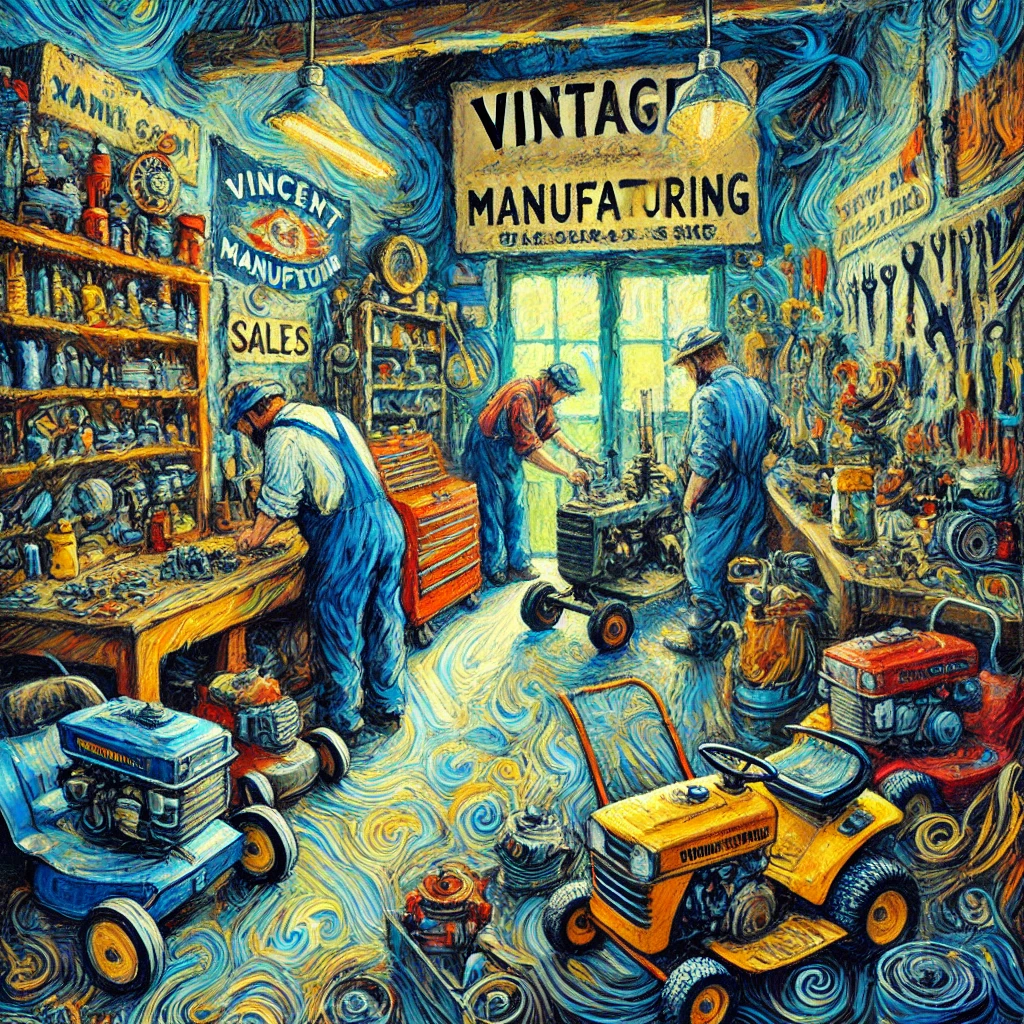
How Do You Ensure Compliance with Tax Regulations?
How Do You Ensure Compliance with Tax Regulations?
- Ensuring tax compliance requires attention, diligence, and commitment from business owners.
- Understanding tax regulations is essential for establishing responsibility and trust within the community.
- Seeking professional advice from accountants and tax advisors can clarify complexities and prevent costly mistakes.
- Accurate documentation reflects respect for processes and fosters community engagement.
- Every compliant business contributes to a stronger local economy and community health.
- Compliance builds a sense of accountability and transparency that benefits employees and customers.
- Commitment to compliance is both a duty and an opportunity to inspire future generations.

How Do You Ensure Compliance with Tax Regulations?
What Common Mistakes Do People Make In Depreciation Tracking?
In the heart of Dunlap, Tennessee, where factories hum and fields stretch wide, there’s a common thread woven into the fabric of local businesses: the challenge of tracking depreciation. It sounds straightforward, right? But dig a little deeper, and you’ll find landmines hidden beneath the surface, ready to trip up the most diligent operators.
One of the first missteps is misunderstanding what depreciation actually represents. It’s not just about valuing assets over time; it’s about embracing the reality that every piece of equipment or vehicle, whether rusting in the sun or humming in the shop, is losing value. This fundamental misunderstanding can lead to skewed financial reporting. It’s like entering a race with blinders on—sure, you’re moving forward, but not in the right direction.
Next, there’s the failure to consistently update depreciation schedules. Time waits for no one, and the assets you bought yesterday aren’t worth the same today. Leaving outdated figures on the balance sheet is akin to putting a band-aid on a gaping wound. It’s about more than just numbers; it’s about ensuring that you genuinely know your business’s health. A well-maintained schedule isn’t just a safeguard against financial penalties; it builds trust with stakeholders who rely on transparency and accuracy.
Then there’s the emotional residue of overlooking small assets. The overlooked tools in the back of a workshop may seem insignificant, but they accumulate and can stir unexpected surprises during audits. Imagine a local mechanic in Dunlap, forgotten wrenches sinking unnoticed into the economic abyss. What happens when the auditor finds them? It’s not just about the tools; it’s the reputation on the line.
And let’s not forget the lumping of everything into a single category. Different assets depreciate at different rates, and treating them all the same creates a misunderstanding of their value. When you grasp these differences, you create a stronger foundation for your financial planning.
Finally, there’s the isolation that comes from attempting to tackle depreciation tracking alone. In a community like Dunlap, collaboration is key. Engaging with local accountants or joining a business group can illuminate best practices and shared stories of triumph and defeat.
Effective depreciation tracking is not just a numbers game; it’s about fostering a culture of awareness and responsibility. It builds a bridge between fiscal health and ethical stewardship, ensuring that as businesses grow, they do so on solid ground. Don’t overlook the small things. They matter more than you think.

What Common Mistakes Do People Make In Depreciation Tracking?
What Common Mistakes Do People Make In Depreciation Tracking?
- Businesses in Dunlap, Tennessee, face challenges in tracking depreciation.
- Misunderstanding depreciation can skew financial reporting and hinder business direction.
- Consistently updating depreciation schedules is crucial for accurate financial health assessment.
- Overlooking small assets can lead to unexpected complications during audits.
- Lumping all assets into a single category misrepresents their depreciation rates and values.
- Collaboration with local accountants and business groups enhances understanding and best practices.
- Effective tracking fosters a culture of financial awareness, promoting responsible stewardship.

What Common Mistakes Do People Make In Depreciation Tracking?
How Can Optimized Depreciation Impact Your Overall Profitability?
Optimized depreciation might sound like just another financial buzzword, but let’s break it down into something that actually matters to small businesses and hardworking folks in places like Dunlap, Tennessee. Every dollar counts, especially for the local butcher or the owner of that charming family-run diner down the street. Understanding how to handle depreciation can be the difference between scraping by and thriving.
At its core, optimized depreciation is about knowing your assets’ full potential. Imagine investing your hard-earned money in that old delivery truck that’s served you well. Instead of simply writing it off slowly over several years, you can assess its current value more accurately, maximizing your tax benefits. This isn’t just a number on a ledger; it’s cash back in your pocket, giving you the freedom to invest in a new oven or perhaps expand your services. Rationally speaking, this strategy allows you to better allocate resources, staying ahead of competitors who might not be as savvy.
But let’s not forget the ethical dimension here. We live in a community where businesses thrive on trust. When you’re transparent about managing your finances and depreciation, you’re not only operating ethically but also building a solid reputation. Customers appreciate businesses that make responsible financial decisions; they’ll come back, knowing their money supports a company that cares about its long-term sustainability.
Think of it as storytelling, a narrative where every financial decision links back to your values. When you optimize your depreciation, you’re not just crunching numbers; you’re crafting a story of resilience and strategic growth. Local patrons in Dunlap want to connect with businesses that embody these qualities, and your financial savvy speaks volumes.
Moreover, embracing this approach places you as an authority in the community. Imagine leading a workshop, sharing insights on how local businesses can optimize their depreciation strategy. You become the lighthouse in the fog, guiding others towards financial clarity and strength.
Let’s face it—navigating taxes and depreciation can be daunting, but the emotional rewards are immense. As you reclaim that cash flow, picture investing back into your community, creating jobs, and supporting local events. It’s this cycle of giving and receiving that fuels a vibrant local economy. So, take hold of that opportunity; embracing optimized depreciation could be the key to unlocking prosperity not just for you but for the entire community of Dunlap, Tennessee.

How Can Optimized Depreciation Impact Your Overall Profitability?
How Can Optimized Depreciation Impact Your Overall Profitability?
- Optimized depreciation is crucial for small businesses, particularly in local communities like Dunlap, Tennessee.
- Understanding depreciation helps business owners maximize tax benefits and improve cash flow.
- Accurately assessing asset values allows better resource allocation and competitive advantage.
- Transparent financial management builds trust and a good reputation within the community.
- Financial decisions should reflect the business’s values, creating a narrative of resilience and growth.
- Business owners can position themselves as community authorities by sharing knowledge on optimized depreciation.
- Investing reclaimed cash flow back into the community supports local jobs and events, fostering economic vibrancy.

How Can Optimized Depreciation Impact Your Overall Profitability?
Are You Maximizing Your Tax Deductions Through Proper Schedules?
In a world where every dollar counts, understanding how to effectively navigate your taxes can feel like a Herculean task. Yet, nestled within the mountains of paperwork and forms lies an opportunity for you to reclaim what’s rightfully yours. Take a moment to imagine the relief of knowing you’ve maximized your tax deductions, all while feeling a sense of accomplishment and financial security. In places like Dunlap, Tennessee, this isn’t just a dream—it’s something you can achieve with the right knowledge and preparation.
When we think about tax deductions, it’s easy to get lost in the numbers and regulations. But remember, each deduction is more than just a line on a form; it’s the fruit of your hard work and sacrifices. For many, especially those in small towns, every dollar saved can feed a family, fund a child’s education, or support a local business. This is the ethical choice to make: ensuring you’re not giving more to the government than necessary. You owe it to yourself—to your community—to be diligent.
Let’s think rationally for a moment. When properly organized, your schedule allows you to track and claim deductions that might otherwise slip through your fingers. Imagine approaching tax season not with dread, but with confidence. You’ll have receipts and records in hand, ready to showcase all the expenses that can lessen your taxable income. It’s not just about saving money; it’s about peace of mind and empowering yourself with knowledge.
The narrative surrounding taxes often paints a grim picture, but it doesn’t have to be that way. You hold the key to making sense of the complexities. By embracing this process, you’re not only maximizing your financial potential but also connecting with a wider community of individuals who take pride in understanding their obligations and rights. It’s about fostering a social fabric where everyone plays their part; you aren’t just another number.
Imagine sitting down at the end of the day, a feeling of satisfaction washing over you, knowing you’ve navigated these waters with finesse and integrity. You’re not just maximizing deductions; you’re building a better future for yourself and your family. In Dunlap, Tennessee, every decision today can resonate tomorrow, creating lasting impacts. Embrace the challenge, put those schedules to use, and take pride in reclaiming the value of your hard work. Trust in the process, and you’ll find the balance between responsibility and reward.

Are You Maximizing Your Tax Deductions Through Proper Schedules?
Are You Maximizing Your Tax Deductions Through Proper Schedules?
- Navigating taxes can be challenging, but it offers opportunities to reclaim funds.
- Maximizing tax deductions provides a sense of accomplishment and financial security.
- Each deduction represents hard work; savings can impact families and communities.
- Proper organization aids in tracking and claiming deductions effectively.
- Understanding the complexities of taxes empowers you and fosters community engagement.
- Approaching tax season with confidence transforms the experience from dread to satisfaction.
- Every decision made about taxes today can have lasting impacts on the future.

Are You Maximizing Your Tax Deductions Through Proper Schedules?
Conclusion
In Dunlap, Tennessee, where the land and its assets are woven into the daily lives and futures of its residents, understanding depreciation is about more than just numbers—it’s about honoring hard work and fostering community growth. Each asset, from a trusty tractor to a local diner’s stove, tells a story of commitment and resilience. Accurate depreciation tracking isn’t merely an accounting chore; it’s an emotional investment in the future of one’s business, ensuring that every dollar saved is reinvested back into the community.
It’s essential for business owners to appreciate the transformative power of depreciation. This understanding allows them to navigate financial decisions with clarity, leading to informed choices regarding repairs or upgrades. The benefits ripple through the local economy, fostering trust and reinforcing a sense of responsibility towards neighbors and the community at large. When business owners meticulously track their assets, they simplify the inevitable audit processes and build a reputation of integrity, which holds more weight in rural cultures where character matters.
Taking the time to effectively manage depreciation creates a foundation for success. Each entry on a schedule is not only a necessary evil; it’s a narrative documenting a business’s journey, illustrating how investments empower local dreams. Engaging in this practice cultivates a sense of belonging, as businesses grow hand-in-hand with their communities. By sharing knowledge about depreciation, business owners enhance collective understanding, creating a supportive environment where the success of one becomes a shared celebration.
Compliance with tax regulations goes beyond obligation; it’s about establishing trust and responsibility. In Dunlap, businesses that meet tax requirements contribute to a legacy of accountability that fosters community spirit. Engaging professionals for clarity and keeping precise records demonstrates respect for both the process and the people who rely on these businesses.
The path to optimized depreciation may seem daunting, but it unlocks a treasure trove of financial benefits, allowing businesses to thrive. In a place where every dollar matters, this optimization isn’t just about efficiency; it’s about empowering communities and fostering a sense of purpose. When locals maximize their tax deductions, they tap into resources that can nourish families, support education, and uplift the entire town.
Ultimately, tracking depreciation effectively is not just a savvy financial move. It’s a heartfelt commitment to sustaining a vibrant, interconnected community that thrives on mutual respect, shared stories, and a relentless spirit of growth. Through these efforts, businesses in Dunlap not only secure their own futures but also weave the very fabric of resilience that defines their community.

Conclusion
Conclusion:
- Understanding depreciation in Dunlap, Tennessee, is about honoring hard work and community growth.
- Each asset owned by residents tells a story of commitment and resilience.
- Accurate depreciation tracking is an emotional investment that ensures reinvestment into the community.
- Business owners benefit from understanding depreciation, leading to informed financial decisions.
- Meticulous tracking of assets fosters community trust and reinforces responsibility.
- Effective depreciation management creates a foundation for business success and community belonging.
- Tracking depreciation is a commitment to sustaining a vibrant, interconnected community through financial optimization.
Other Resources

Other Resources
Here is a list of other resources you can review online to learn more:
- HUBNER Component Solutions LLC
- Western Union
- Sequatchie Cave State Natural Area
- Foster Falls Recreation Area
- Scottish Inns & Suites Dayton, TN
- Marshall Renovations
- Dunlap Restaurant
- Farmer Morgan
- Clayton Homes
- Little Tail Farms
- Super 8 by Wyndham Monteagle TN
- Needful Things General Store
- Walmart Photo Center
- R & R RV Campground
- Sequatchie County Mayor’s Office
Use This Prompt To Get More Resources With Your Favorite Online AI Tool: Please provide me with a list of online articles with their URLs in a bulleted list that I can read regarding Depreciation Schedules – Tracking Assets Over Time for Tax Purposes In Rural Tennessee

Other Resources
Glossary Terms
Depreciation Schedules – Tracking Assets Over Time for Tax Purposes In Rural Tennessee – Glossary Of Terms
1. Accrual: An accounting method where income and expenses are recorded when they are earned or incurred, regardless of when cash is exchanged.
2. Asset: A resource owned by an entity that is expected to provide future economic benefits, including property, equipment, and vehicles.
3. Depreciation: The allocation of the cost of a tangible asset over its useful life for accounting and tax purposes.
4. Depreciation Schedule: A detailed table showing how an asset’s value will decrease over time, including the calculation of annual depreciation expense.
5. Straight-Line Depreciation: A method where the same amount of depreciation expense is allocated each year over the asset’s useful life.
6. Accelerated Depreciation: A method that allows for higher depreciation expenses in the earlier years of an asset’s life, reducing taxable income sooner.
7. Useful Life: The estimated period over which an asset is expected to generate economic benefits.
8. Salvage Value: The estimated residual value of an asset at the end of its useful life after depreciation.
9. Book Value: The value of an asset recorded on the balance sheet, calculated as the original cost minus accumulated depreciation.
10. Tax Deduction: An expense that can be subtracted from an individual’s or business’s taxable income, affecting overall tax liability.
11. Capital Asset: A long-term asset that provides value over time, typically used in business operations, such as buildings and machinery.
12. Section 179 Deduction: A provision allowing businesses to deduct the full purchase price of qualifying equipment and software purchased or financed during the tax year.
13. MACRS: The Modified Accelerated Cost Recovery System used in the United States to calculate depreciation for tax purposes.
14. Impairment: A significant decline in the value of an asset, which may require an adjustment in book value.
15. Asset Management: The systematic process of developing, operating, maintaining, and selling assets in a cost-effective manner.
16. Forex Depreciation: A decrease in the value of an asset measured in foreign currency terms, often affecting international tax situations.
17. Cash Flow: The total amount of money being transferred into and out of a business, influencing asset purchase decisions.
18. Investment Property: Real estate held to earn rental income or for capital appreciation, subject to unique depreciation rules.
19. Expense Recognition: The accounting principle stating that expenses should be recognized in the period in which they help generate revenues.
20. Leasehold Improvements: Modifications made to rental properties, which are typically depreciated over the terms of the lease.
21. Investment Recovery: The process of recovering the value of an investment in an asset through depreciation and other means.
22. Tax Basis: The total cost of an asset for tax purposes, including purchase price and direct costs, used to calculate gains or losses.
23. Expenditure: An outlay of money that can be categorized as either a capital investment or an operating expense, impacting financial statements.
24. Operating Expense: Ongoing costs for running a business that are not directly tied to production, which can include depreciation.
25. Financial Reporting: The process of preparing and presenting financial statements that reflect the financial performance and position of an organization.
26. Asset Allocation: The strategy of dividing investments among different categories of assets, impacting depreciation profiles.
27. Historical Cost: The original monetary value of an asset recorded on the financial statements, which serves as the basis for depreciation calculations.
28. Capital Expenditure (CapEx): Funds used by a company to acquire or upgrade physical assets such as property, buildings, or equipment.
29. Tax Compliance: Adhering to tax laws and regulations, including proper depreciation practices for asset tracking.
30. Rural Development: Economic growth and improvement of living conditions in rural areas, often influencing asset management and depreciation practices.

Glossary Of Terms
Other Questions
Depreciation Schedules – Tracking Assets Over Time for Tax Purposes In Rural Tennessee – Other Questions
If you wish to explore and discover more, consider looking for answers to these questions:
- What exactly is depreciation and how does it differ from amortization and depletion?
- Which types of assets commonly used by farms and small businesses in Dunlap qualify for depreciation?
- What depreciation methods are available (e.g., MACRS, straight‑line, declining balance) and which is best for my situation?
- How do I determine an asset’s useful life for depreciation purposes?
- What is Section 179 expensing and how can it be used by small businesses and farmers in Tennessee?
- What is bonus depreciation and is it currently available for purchases I make?
- How do federal depreciation rules differ from Tennessee state tax rules?
- How do I calculate salvage value and should I use one for my assets?
- How should I set up and maintain a depreciation schedule (format, fields, update frequency)?
- How do I decide whether a cost is a repair (expense) or a capital improvement (depreciable)?
- How do I record the retirement, sale, or disposal of an asset on my depreciation schedule and tax return?
- What are the tax implications of selling or trading in a depreciated asset, including depreciation recapture?
- How is depreciation affected if an asset’s use changes from personal to business or vice versa?
- How do I depreciate mixed‑use assets that serve both business and personal purposes?
- How are vehicles, tractors, and other specialized farm equipment depreciated, and are there special limits (e.g., luxury auto limits)?
- How should leased assets be treated differently from owned assets for depreciation?
- What records, receipts, and documentation should I keep to support depreciation claims—and how long should I keep them?
- What common mistakes or audit triggers related to depreciation should I avoid?
- When is it worth consulting a tax professional or agricultural accountant about depreciation?
- Are there Tennessee or local incentives, grants, or programs that affect asset acquisition or depreciation treatment?
- How do I handle depreciation for assets that were inherited or received as gifts?
- Can I change the depreciation method or useful life after I have started depreciating an asset, and what is the process?
- How does depreciation affect my cash flow, profit & loss statement, and tax liability?
- How can I use depreciation planning to budget for repairs, upgrades, or asset replacement cycles?
- How can I ethically maximize tax deductions through depreciation without risking noncompliance?
- What software, apps, or templates work well for small farms and businesses to manage depreciation schedules?
- How are casualty losses, theft, or natural disaster damages handled in relation to depreciation?
- How is depreciation treated in estate planning, business succession, or transfer of ownership?
- Which IRS forms and deadlines relate to depreciation reporting, and what must be filed for federal and state returns?
- How do I allocate purchase price between land (non‑depreciable) and buildings or improvements (depreciable)?
- How do partial‑year depreciation conventions (mid‑month, mid‑quarter) work and which applies to my assets?
- What penalties or consequences can arise from incorrect depreciation reporting and how can I correct past errors?

Other Questions
Haiku
Depreciation Schedules – Tracking Assets Over Time for Tax Purposes In Rural Tennessee – A Haiku
Assets age with care,
Numbers tell our stories true,
Community thrives strong.

Haiku
Poem
Depreciation Schedules – Tracking Assets Over Time for Tax Purposes In Rural Tennessee – A Poem
In the heart of Tennessee’s rural embrace,
Where fields blossom with traces of hard-earned grace,
Depreciation tells the tale of toil and sweat,
A farmer’s trusty tractor, a legacy met.
Each asset a story, a piece of the land,
Reflecting the grit and the dreams we’ve planned.
Tracking the journey, we honor the past,
Making wise choices, ensuring they last.
With every worn tool, a lesson to glean,
In numbers lies trust, a community’s sheen.
Navigating taxes, a task not so plain,
It fosters integrity, a local refrain.
Mistakes lurk in shadows, tempting the keen,
But knowledge unites us in what we can glean.
To optimize value, to share and to learn,
Is to build brighter futures, together we earn.
So let’s track our worth, through the years it will sing,
Of resilience and hope, the prosperity we bring.
In Dunlap, we stand, with hearts proud and true,
For each dollar saved is a dream coming due.

Poem
Checklist
Depreciation Schedules – Tracking Assets Over Time for Tax Purposes In Rural Tennessee – A Checklist
Emotional Appeals:
1. Recognize the personal story behind each asset; reflect on how they contribute to your livelihood.
2. Celebrate small victories when saving on taxes; visualize reinvesting in your community.
3. Connect emotionally with the narrative of your business’s journey through accurate tracking.
Rational Appeals:
1. Understand the true value of each asset; assess current worth versus written-off value.
2. Regularly update depreciation schedules; ensure all entries reflect current conditions.
3. Evaluate the financial impact of maintaining versus replacing equipment; make informed decisions.
Ethical Appeals:
1. Maintain integrity in financial practices; commit to honest and accurate reporting.
2. Respect community standards; uphold trust by documenting all transactions diligently.
3. Recognize the long-term value of ethical accounting; contribute positively to community reputation.
Authority Appeals:
1. Consult with tax professionals; leverage their expertise to navigate complex regulations.
2. Stay informed on local tax laws; participate in community workshops or training.
3. Share knowledge with peers; position yourself as a resource for others in the community.
Narrative Appeals:
1. Document the history of your assets; create a compelling story of growth and evolution.
2. Reflect on past decisions and their outcomes; learn from successes and mistakes.
3. Tie your business’s journey to community resilience; highlight contributions to local well-being.
Social Appeals:
1. Engage in discussions with fellow business owners; learn from shared experiences and practices.
2. Foster a culture of collaboration; work together on sound asset management strategies.
3. Build relationships based on transparency; promote a sense of community responsibility through accurate tracking.

Checklist
At Dunlap Directory, we help Dunlap, Tennessee, business tell stories and market and sell their products and services.
Please share this post with your friends, family, or business associates who may want help telling the stories of their legacy.


