










An Overview Of Forward Contracting – Locking In Prices for Your Agricultural Products In Rural Tennessee
By Tom Seest
At Dunlap Directory, we help Dunlap, Tennessee, business tell stories and market and sell their products and services.
Please share this post with your friends, family, or business associates who may want help telling the stories of their legacy.
Forward Contracting – Locking In Prices for Your Agricultural Products In Rural Tennessee
In the heart of rural Tennessee, particularly in Dunlap, farmers face an age-old battle: the fluctuating prices of agricultural products. Imagine pouring your sweat, time, and resources into the ground, only to see the value of your harvest swing wildly as market forces play their game. This is where forward contracting enters the scene—a tool that can transform uncertainty into stability.
Forward contracting provides an opportunity for farmers to lock in prices for their produce before they even plant a seed. Picture this: you’re sitting at your kitchen table, calculating your costs, and planning your yield. With forward contracting, you can secure a price for your corn or soybeans months before they hit the market. It alleviates the stress of worrying about whether prices will plummet right before harvest. It’s about taking control of your business and protecting your livelihood from the unpredictable winds of the market.
But let’s not forget the emotional appeal. Farming isn’t just about dollars and cents; it’s about legacy, family, and tradition. Many of us in Dunlap know the stories of our grandparents who toiled the land, often during times of economic uncertainty. By choosing forward contracting, you honor that legacy, ensuring that your family farm remains viable for future generations. It’s not just about the next crop; it’s about preserving a way of life.
Rationally, it’s a savvy business move. With the proper research and a solid understanding of market trends, a farmer can enter into contracts that not only safeguard their income but also create a reliable cash flow. This can make all the difference when it comes time to invest in new equipment, expand operations, or even take a well-deserved vacation.
Ethically, it promotes fair trade practices. When more farmers engage in forward contracting, it stabilizes local economies and fosters community resilience—all key components of rural strength in Tennessee.
As neighbors, we’re all in this together. In a community like Dunlap, sharing knowledge is vital. Farmers can connect, discuss their experiences with forward contracting, and even collaborate on securing better deals. It’s not just a financial decision; it’s a social one that builds trust and strengthens the bonds among us.
So, take a step toward financial stability. Lock in those prices, protect your harvest, and invest in your future. You have the power to navigate the agricultural landscape with confidence and dignity, securing your family’s legacy and your community’s strength.

Forward Contracting – Locking In Prices for Your Agricultural Products In Rural Tennessee
Forward Contracting – Locking In Prices for Your Agricultural Products In Rural Tennessee
- Farmers in Dunlap, Tennessee, struggle with fluctuating agricultural product prices.
- Forward contracting allows farmers to lock in prices before planting, providing stability.
- This approach alleviates stress regarding price drops before harvest.
- Emphasizes the emotional connection to farming as a legacy and tradition.
- Entering contracts can ensure reliable cash flow for investments and operations.
- Promotes fair trade practices and stabilizes local economies, enhancing community resilience.
- Encourages collaboration and knowledge sharing among farmers in the community.

Forward Contracting – Locking In Prices for Your Agricultural Products In Rural Tennessee
Table Of Contents
- Forward Contracting – Locking In Prices for Your Agricultural Products In Rural Tennessee
- What Emotions Arise When Unsure About Crop Prices?
- How Can Forward Contracting Stabilize Your Income?
- Are You Ready to Take Control Of Your Farming Futures?
- What Ethical Considerations Should Guide Your Pricing Decisions?
- How Have Other Farmers In Tennessee Benefited From Forward Contracts?
- Conclusion
- Other Resources
- Glossary Of Terms
- Other Questions
- Haiku
- Poem
- Checklist
What Emotions Arise When Unsure About Crop Prices?
In the heart of Dunlap, Tennessee, farmers stand at a crossroads, grappling with the uncertainty of crop prices. This isn’t just a matter of finances; it’s a torrent of emotions swirling around their livelihoods. The worry settles in like the fog that clings to the valleys each morning, heavy and suffocating. With every fluctuation in the market, the question looms large: “Will I be able to provide for my family?” That question isn’t merely about numbers; it resonates with a deep-rooted fear of failure and the instinctual drive to protect loved ones.
When the prices dip, the weight feels unbearable. Anxiety creeps in, feeding on the unknown, leaving a farmer’s heart racing as they wonder if their hard work and sacrifice will bear fruit or wither away. Rationally, they know that prices can rise and fall like the seasons, driven by weather patterns, demand, and global markets. Yet these rational thoughts often clash with the gut feelings that arise when confronting something as intimate and personal as one’s home, heritage, and hope for the future.
Decisions made in moments of doubt can feel ethical, weighing the need to maintain a fair standard while ensuring sustainability for the land. Each choice made in the wake of uncertainty calls for a conscious reflection on the impact those choices hold—not just for the individual, but for the community of Dunlap. A farmer isn’t simply planting seeds; they’re planting the hopes and dreams of generations. The interconnectedness of their struggles creates a quiet bond, reminding them that they’re not alone in this emotional storm.
The narrative that’s woven through these experiences teaches resilience. Each family story is unique yet fundamentally similar, echoing sentiments of tenacity and grit. It is this shared struggle that unites farmers, fostering a sense of belonging. The community rallies, offering support and insights, reminding each other that they are part of something larger. This solidarity builds trust and confidence in facing the stormy seas of unpredictability.
In Dunlap, when the hours stretch long and doubts cloud judgment, it’s vital to hold onto the belief that tomorrow can bring change. The ability to navigate these emotional landscapes can lead to wiser decisions, empowering each farmer to weather the hardships and emerge hopeful, ready to embrace whatever the market has to offer. It’s not just about the crops; it’s about the heart and soul of those who cultivate them.

What Emotions Arise When Unsure About Crop Prices?
What Emotions Arise When Unsure About Crop Prices?
- Dunlap, Tennessee farmers face uncertainty in crop prices, impacting their livelihoods and emotions.
- The fear of providing for their families looms with each market fluctuation.
- Prices can vary due to weather, demand, and global influences, causing anxiety about the future.
- Decisions are made with ethical considerations for sustainability and community impact.
- Farmers’ struggles create a bond, reinforcing the idea that they are not alone in their challenges.
- The community fosters resilience through shared experiences, support, and unity.
- Maintaining hope helps farmers navigate challenges and empowers them to confront uncertainties.

What Emotions Arise When Unsure About Crop Prices?
How Can Forward Contracting Stabilize Your Income?
In the heart of Dunlap, Tennessee, where the rolling hills meet the spirit of hard work, the concept of forward contracting is more than just economics; it’s a lifeline for farmers and small businesses alike. Picture this: you’ve spent countless hours tilling the soil, nurturing your crops, and praying for a bountiful harvest. All that effort, all that hope, can feel tenuous when the market swings like a pendulum—a moment of bliss swiftly overshadowed by uncertainty. But what if there was a way to lock in that hard-earned progress?
Forward contracting is the solution—a powerful tool to stabilize income and provide peace of mind. It’s simple yet profound. By agreeing to sell your product at a predetermined price before harvest, you shield yourself from the unpredictable whims of market forces. This kind of financial foresight resonates deeply; it’s about taking control. Imagine you’ve planted your seeds with a promise: no matter what storms come your way, you’ll receive fair compensation for your labor.
From a rational standpoint, forward contracting nurtures financial security. It allows you to budget effectively, plan your expenses, and invest in future endeavors, all while offering a layer of protection against price fluctuations. When you know exactly what you’re going to earn, you can make informed decisions—whether it’s upgrading equipment or expanding your operation. In an industry that often feels beyond control, this certainty is like a steady heartbeat, giving you room to breathe.
Ethically, embracing forward contracting fosters a spirit of collaboration within the community. You’re not just safeguarding your own future; you’re contributing to the local economy. Farmers who engage in these contracts often develop strong relationships with buyers, creating a sense of mutual respect and trust. It’s a social network woven together by common goals and shared challenges.
And let’s not forget the narrative—every contract is a story of resilience, of dreams planted in the soil of hard work. Each agreement tells a tale of hope for tomorrow, where farmers, ranchers, and small businesses transform uncertainty into opportunity. This isn’t just about financial stability; it’s about building a legacy, ensuring that future generations in Dunlap and beyond can thrive.
Choosing forward contracting isn’t merely a business decision; it’s a declaration of faith—faith in your work, your community, and your ability to weather any storm. So, seize the opportunity, take a stand, and let your income be as stable as the values that ground you.

How Can Forward Contracting Stabilize Your Income?
How Can Forward Contracting Stabilize Your Income?
- Forward contracting serves as a financial lifeline for farmers and small businesses in Dunlap, Tennessee.
- This strategy allows producers to lock in prices before harvest, providing stability amidst market fluctuations.
- It fosters financial security, enabling effective budgeting, expense planning, and investment in future endeavors.
- Engaging in forward contracting encourages collaboration and strengthens relationships within the local economy.
- Each contract represents resilience and hope, transforming uncertainty into opportunity for the community.
- Forward contracting is more than a business decision; it reflects faith in one’s work and community.
- Ultimately, it aims to build a legacy, ensuring sustainable success for future generations.

How Can Forward Contracting Stabilize Your Income?
Are You Ready to Take Control Of Your Farming Futures?
In Dunlap, Tennessee, the rhythm of life follows the plow, the seasons, and the sweat that coats the brows of farmers as they navigate their fields. The heart of agriculture beats strongly here, yet it is often overshadowed by uncertainty and challenges that seem insurmountable. But imagine for a moment, turning that uncertainty into opportunity. It’s more than just a dream; it’s a call to action.
Farming is not just a job; it’s a legacy. The soil you work, the seeds you plant, and the harvest you reap don’t just feed families — they feed futures. But too often, these futures feel dictated by circumstances beyond your control. Weather patterns shift unpredictably, markets fluctuate, and the pressures of modernity weigh heavily. However, this is your chance to reclaim autonomy over your farming journey.
Think of the farmers who came before you, those who braved the elements, stretched every dollar, and fought against the odds. Their grit is a testament to resilience. You’re part of that lineage, and it’s time to pen your own chapter. By embracing the tools, education, and resources available today, you empower yourself to make informed decisions grounded in data and backed by community support.
Connect with fellow farmers and share stories; learn from one another’s experiences. Cultivating these relationships fosters a network of resilience. In your neighbor’s success lies inspiration; in your struggles, solidarity. Together, you can break the chains of uncertainty and step into a realm where proactive choices pave the way for sustainability and prosperity. Your land deserves it, your family deserves it, and your community deserves it.
On a broader scale, you have a vital role in the ethical fabric of food production. By taking charge of your farming future, you contribute to a system that not only nurtures the land but also respects the environment, local economies, and the health of consumers. This commitment strengthens your position as a steward of the land — a role that is increasingly vital in our changing world.
As you contemplate this journey, remember that action starts with belief. Belief in oneself, in the land, and in the future you can shape. So, are you ready to take that leap? In Dunlap, Tennessee, the soil is rich with potential, and so are you. Embrace the challenge, harness the resources, and cultivate a future that is truly yours.

Are You Ready to Take Control Of Your Farming Futures?
Are You Ready to Take Control Of Your Farming Futures?
- In Dunlap, Tennessee, agriculture is central to life, driven by the labor of farmers who face various challenges.
- Farming is portrayed as a legacy that not only feeds families but also shapes futures, often influenced by unpredictable circumstances.
- The text emphasizes reclaiming autonomy over farming through education, tools, and community resources.
- Farmers are encouraged to connect, share experiences, and build a resilient network for support and inspiration.
- Taking charge of farming contributes to ethical food production that respects the environment and local economies.
- Belief in oneself and the potential of the land is essential for shaping a sustainable future in agriculture.
- The call to action urges farmers to embrace challenges and harness available resources for their future success.

Are You Ready to Take Control Of Your Farming Futures?
What Ethical Considerations Should Guide Your Pricing Decisions?
In the heart of Dunlap, Tennessee, where the rhythm of life moves with the seasons, pricing decisions aren’t just numbers on a sheet; they’re a reflection of our values. Every tag on a product tells a story, and it’s up to us to ensure that story is one of fairness and responsibility. The first thing to consider is the impact of your pricing on the community. Pricing too high leaves some folks out in the cold, while pricing too low can undermine the very essence of what you offer. It’s not just about profit; it’s about connection.
Think for a moment about the local artisan, lovingly crafting goods with pride. When that artisan sets a price, they’re not just covering costs—they’re valuing their craft and the hard work behind it. Pricing ethically means respecting that work while also keeping it accessible. It’s about finding that sweet spot where love for the craft meets respect for the consumer’s wallet. It’s a balancing act that requires a gutsy decision-making process, but it fosters trust and loyalty, vital components in any lasting relationship.
Yet, it’s not only an emotional conversation; there’s a rational element at play. Evaluate your costs and the market landscape with a keen eye. Measure your offerings against the competition—not just in price but in value. What unique benefit do you bring to the table? Make sure your pricing reflects that uniqueness, establishing an authority that resonates with your customers. When they see the worth, they’re more likely to remain loyal, supporting not just a product, but a purpose.
Furthermore, consider the narrative you’re weaving with each price tag. Are you telling a story of fair wages and sustainable practices? Are you uplifting your community? In Dunlap, this craft could very well influence the family next door or the small shop down the street. Your pricing can either empower them or set them back.
Lastly, remember that social responsibility is woven into the fabric of ethical pricing. When you practice transparency and fairness, you contribute to a culture that values integrity. Your customers are more informed than ever, and they want to support businesses that align with their values. So, let’s be the kind of company that keeps our heads high, our hearts open, and our minds sharp. Make pricing decisions that echo the essence of who we are and what we stand for. That’s how we build trust in each dollar exchanged and inspire action in every purchase made.

What Ethical Considerations Should Guide Your Pricing Decisions?
What Ethical Considerations Should Guide Your Pricing Decisions?
- In Dunlap, Tennessee, pricing reflects community values and the impact of decisions.
- Pricing too high excludes some customers, while pricing too low undermines product value.
- Local artisans value their craft through pricing, balancing accessibility and fair compensation.
- Effective pricing requires evaluating costs, the market, and unique value offerings.
- Each price tag tells a story about fair wages and sustainable practices that affect the community.
- Social responsibility and transparency are central to ethical pricing, promoting integrity.
- Customers prefer to support businesses that reflect their values, fostering trust and loyalty.

What Ethical Considerations Should Guide Your Pricing Decisions?
How Have Other Farmers In Tennessee Benefited From Forward Contracts?
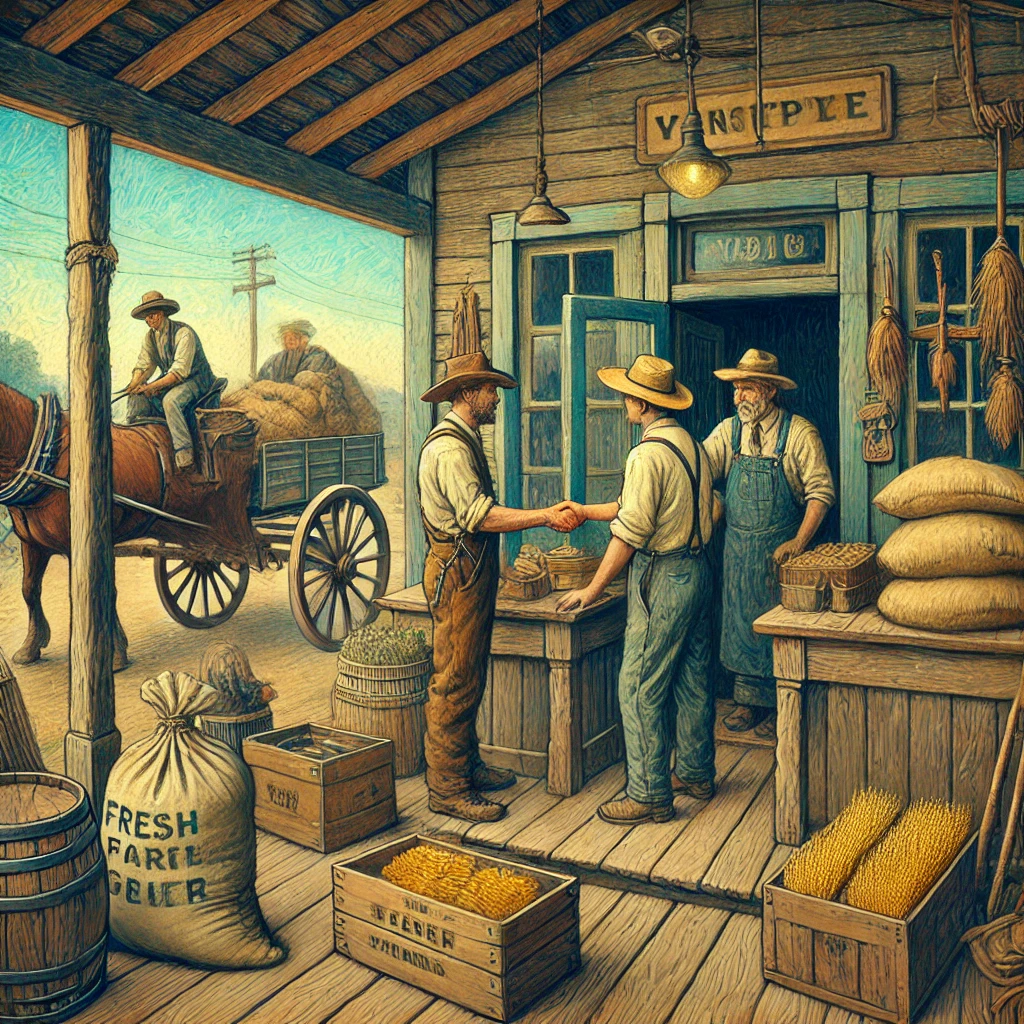
In Dunlap, Tennessee, farmers have harnessed the power of forward contracts to transform their operations and secure their futures. It’s a simple concept, really: locking in prices before the harvest, but its implications reach far beyond mere dollars and cents.
Imagine a family farm, with generations of hard work etched into the soil. The unpredictability of market prices can feel like a storm cloud hanging over their heads. But with forward contracts, these farmers gain a powerful tool to plant their seeds with confidence. They know the prices they will receive, allowing them to plan not just for the season but for the next chapters of their lives. A farmer can stand tall, looking over his fields, not burdened by uncertainty but buoyed by a promise.
The stories emerging from Dunlap resonate with resilience. A local farmer can recall a year when the market tanked just as his crops were ready for harvest. He faced tough choices: sell low and struggle to make ends meet, or take the risk of holding out for better prices. Thanks to forward contracts, he made his decision based on opportunity rather than desperation, enabling him to weather the storm, reinvest in his farm, and provide for his family without compromise.
Forward contracts also foster a sense of community support among farmers. They’re not just individual players in an unpredictable game; they’re part of a collective effort. When farmers team up to negotiate contracts, they establish a powerful voice in the market, showcasing the strength of unity. The collaboration nurtures a shared sense of purpose, reinforcing the ethical notion that together, they can overcome even the toughest challenges.
Moreover, with the stability that forward contracts provide, farmers can innovate. They can experiment with sustainable practices without fearing the consequences of volatile pricing. This forward-thinking approach encourages a culture of responsibility toward the land, each other, and future generations. It’s not just about making a living; it’s about cultivating a legacy.
In Dunlap, Tennessee, the growing acceptance of forward contracts represents more than just a financial strategy. It’s a lifeline, a bridge from worry to promise, empowering farmers with control over their destinies. Through these contracts, they find not only their footing in the market but also a renewed connection to the land and their heritage, inspiring trust and confidence from everyone involved in the fabric of agricultural life.
How Have Other Farmers In Tennessee Benefited From Forward Contracts?
How Have Other Farmers In Tennessee Benefited From Forward Contracts?
- Farmers in Dunlap, Tennessee use forward contracts to secure their futures by locking in prices before harvest.
- Forward contracts enable farmers to plan confidently for the season and beyond, reducing uncertainty.
- A local farmer shares a story of resilience, making decisions based on opportunity rather than desperation.
- Forward contracts promote community support among farmers, fostering collaboration and a unified market voice.
- With pricing stability, farmers can innovate and implement sustainable practices without fear of market volatility.
- Acceptance of forward contracts signifies a lifeline for farmers, empowering them with control over their destinies.
- These contracts nurture a renewed connection to the land and heritage, building trust within the agricultural community.

How Have Other Farmers In Tennessee Benefited From Forward Contracts?
Conclusion
In rural Tennessee, particularly in Dunlap, agriculture resonates deeply through the hearts and lives of the farming community. Each turn of the season brings hope, but with it, an omnipresent uncertainty about prices that weighs heavily on every farmer. The traditional landscape of farming is riddled with anxiety over market fluctuations, squeezing the very essence of livelihoods. Yet, amid these unpredictable tides, forward contracting emerges as a beacon of stability—a strategic move allowing farmers to lock in prices before planting their crops, giving them a firm footing in the financial realm.
Imagine the relief of knowing exactly what your corn or soybeans will yield months before harvest—a sense of control amidst chaos. This isn’t just a financial tool; it’s a lifeline, a means to preserve family legacies rooted in soil tilled by generations, ensuring that future farmers will continue the hard, yet vital work of cultivating the land. By choosing forward contracting, farmers are engaging in an act of love—a commitment to easing the financial burdens of their families while fostering community resilience.
Rationally, the choice to enter these contracts goes beyond mere economic sense; it creates a reliable cash flow that can help with vital purchases—from new tractors to family vacations. The ethical dimension is equally compelling, enhancing local economies and invigorating the bonds among neighbors. Farmers who collaborate to secure better deals foster trust, making community prosperity a shared goal. It’s about joining forces to face the storm, recognizing that when one farmer thrives, the community flourishes.
However, the journey through this uncertainty isn’t merely a transactional affair; it’s interwoven with deep emotional and personal narratives. Each farmer’s story—rooted in toil, perseverance, and hope—reflects the common struggle against volatilities that loom like dark clouds. The tales of resilience that unfold within these agricultural families echo a collective spirit of togetherness, reinforcing that no one is alone in the fight against uncertainty.
Forward contracting is not just a step towards financial security; it solidifies a legacy of mindful stewardship of the land. By embracing this strategy, farmers take control of their destinies, safeguarding their futures while cultivating a culture of ethical responsibility toward both the community and the environment.
In Dunlap, it’s time to reclaim autonomy. Embrace forward contracting and watch as uncertainty morphs into opportunity, fostering not just individual success, but a flourishing communal spirit. In the hands of farmers, those contracts become symbols of not just stability, but hope, legacy, and a commitment to a brighter agricultural future.

Conclusion
Conclusion:
- Agriculture deeply influences the community in rural Tennessee, especially in Dunlap.
- Farmers face uncertainty regarding market prices that impact their livelihoods.
- Forward contracting allows farmers to lock in prices before planting, providing financial stability.
- This strategy fosters a sense of control and preserves family legacies in farming.
- Entering contracts promotes reliable cash flow, aiding vital purchases for farmers.
- Collaboration among farmers enhances local economies and strengthens community bonds.
- Forward contracting symbolizes hope and responsibility, enabling farmers to reclaim autonomy and shape a brighter future.

Conclusion
Other Resources

Other Resources
Here is a list of other resources you can review online to learn more:
- Verizon Business Services
- Savage Gulf State Park
- H&M Armory
- North Chickamauga Creek Gorge State Park
- Little Cove Campground
- Cumberland Mountain State Park
- Quality Inn & Suites
- Sequatchie County Fair
- TN Heating and Cooling
- Motel 6 Cookeville, TN
- Cravens House
- Sequachee Valley Electric Cooperative
- Rolling Oak Distillery
- Hamilton County Chester Frost Park Campground
- Taqueria La Rancherita
- Sequatchie Valley BBQ
- Serenity Pointe Thrift Store
Use This Prompt To Get More Resources With Your Favorite Online AI Tool: Please provide me with a list of online articles with their URLs in a bulleted list that I can read regarding Forward Contracting – Locking In Prices for Your Agricultural Products In Rural Tennessee

Other Resources
Glossary Terms
Forward Contracting – Locking In Prices for Your Agricultural Products In Rural Tennessee – Glossary Of Terms
1. Forward Contract: A financial agreement to buy or sell an asset at a predetermined price at a specified future date.
2. Price Locking: The act of securing a fixed price for a product to prevent fluctuations due to market volatility.
3. Agriculture: The science and practice of farming, including cultivation of soil for growing crops and raising animals for food.
4. Commodity: A basic good used in commerce that is interchangeable with other goods of the same type, often agricultural products like corn or soybeans.
5. Risk Management: Strategies and practices used to minimize the potential financial losses related to market fluctuations.
6. Market Fluctuation: Variability in the price levels of commodities due to changes in supply and demand.
7. Hedge: An investment strategy intended to limit or offset potential losses in an asset by taking an opposite position in a related asset.
8. Cash Markets: Markets where financial instruments are traded for immediate delivery and payment.
9. Delivery Date: The specific date on which the buyer must accept delivery of the product as per the terms of the forward contract.
10. Counterparty: The other party involved in a financial transaction, such as a buyer or seller in a forward contract.
11. Contractual Terms: Specific conditions outlined in a forward contract, including price, quantity, and delivery specifics.
12. Speculation: Trading with the expectation of making a profit by anticipating future price movements, often involving higher risk.
13. Futures Market: A marketplace for buying and selling contracts that obligate the buyer to purchase, or the seller to sell, an asset at a predetermined future date and price.
14. Agricultural Producers: Individuals or organizations involved in the cultivation and harvesting of crops and livestock.
15. Production Costs: Expenses incurred in the process of producing agricultural products, including labor, equipment, and materials.
16. Delivery Commitment: An agreement by the seller to deliver the contracted agricultural product to the buyer on the specified date.
17. Market Analysis: The examination of market conditions and trends to make informed decisions regarding buying and selling in agriculture.
18. Price Risk: The potential for loss due to changes in the market price of agricultural commodities.
19. Agreements: Legal contracts made between parties, outlining the specifics of the transaction, including obligations and rights.
20. Breach of Contract: A violation of the terms agreed upon in a contract, which can lead to legal consequences.
21. Settlement: The process of fulfilling the obligations outlined in a contract, including the exchange of products and payment.
22. Margin: The collateral that a trader must deposit to cover potential losses on their position in the futures market.
23. Local Market Conditions: The specific economic and environmental factors that can influence the supply and demand of agricultural products in a particular area.
24. Price Discovery: The process of determining the price of a commodity based on supply and demand dynamics.
25. Agreements Types: Different kinds of contracts used in forward contracting, including spot contracts, future contracts, etc.
26. Opportunity Cost: The potential benefits lost when choosing one alternative over another, such as locking in prices versus selling in the spot market.
27. Liquidity: The ease with which an asset can be converted into cash without affecting its market price.
28. Seasonality: The tendency for certain agricultural products to have fluctuating prices based on the time of year or seasonal production cycles.
29. Contract Performance: The ability of parties in a contract to fulfill their agreed-upon obligations.
30. Regulatory Compliance: Adhering to laws and regulations governing agricultural transactions and contracts in a given jurisdiction.

Glossary Of Terms
Other Questions
Forward Contracting – Locking In Prices for Your Agricultural Products In Rural Tennessee – Other Questions
If you wish to explore and discover more, consider looking for answers to these questions:
- What exactly is a forward contract and how does it differ from a futures contract or options?
- Which crops and livestock in Dunlap are most commonly suited to forward contracting?
- When is the best time in the growing cycle to enter a forward contract?
- How are forward contract prices determined and what price formulas are used?
- What are the typical contract term lengths and delivery windows?
- What quality, grade, and testing standards are usually specified in these contracts?
- What happens if my yield is lower than contracted volume due to weather, disease, or other losses?
- How do forward contracts handle price adjustments for quality or moisture content at delivery?
- What are the main financial risks and benefits of using forward contracts?
- How does counterparty risk work and how can I evaluate a buyer’s creditworthiness?
- Can forward contracts be assigned, transferred, or sold to another buyer?
- What are common cancellation, default, and dispute-resolution provisions?
- How do forward contracts interact with crop insurance and government support programs?
- What tax implications and reporting requirements come with forward contracting?
- Are there minimum volume requirements or contract sizes for small family farms?
- How do transportation, storage, and delivery logistics get handled and who pays those costs?
- What fees or commissions do brokers, co-ops, or marketing groups typically charge?
- How can farmers in Dunlap pool together or use cooperatives to negotiate better forward contracts?
- What paperwork, records, and bookkeeping practices are recommended for contract management?
- How can I compare offers and negotiate better terms with buyers?
- What local resources (extension services, ag lenders, legal counsel) can help me set up contracts?
- Are there template contracts or sample clauses I should review before signing?
- How flexible are forward contracts if market conditions change unexpectedly?
- What strategies exist to hedge basis risk between local prices and national market indices?
- How do forward contracts affect cash flow, lending eligibility, and farm financing?
- What are the ethical considerations when prioritizing price stability over market exposure?
- Can forward contracting encourage or discourage sustainable and conservation practices?
- What are common pitfalls farmers encounter when first using forward contracts?
- How have specific Tennessee farms measured outcomes—income stability, profitability, or losses—after using forward contracts?
- What documentation should I keep in case of audit or legal dispute?
- How do contract terms address force majeure, extreme weather, or declared disasters?
- What role do local buyers, processors, and agribusinesses play in shaping contract terms?
- How do seasonal storage costs and warehouse receipts factor into contract pricing?
- What negotiation tactics or timing give farmers the best chance to lock in favorable prices?
- How do forward contracts fit into a broader risk-management plan including diversification and market monitoring?

Other Questions
Haiku
Forward Contracting – Locking In Prices for Your Agricultural Products In Rural Tennessee – A Haiku
Seeds in rich soil,
Contracts inked against the storm,
Hope blooms, futures bright.
Haiku
Poem
Forward Contracting – Locking In Prices for Your Agricultural Products In Rural Tennessee – A Poem
In the heart of Tennessee’s tamed land,
Farmers toil with dreams in hand,
Amidst the fields where shadows play,
They seek stability, come what may.
Amidst the storms of price and fear,
Forward contracting draws them near.
A promise made, a price to hold,
Transforming uncertainty into gold.
With every seed beneath the soil,
A legacy of hard work and toil.
Through contracts forged, their futures bright,
They shield their harvest from the night.
Community binds them, stories share,
Together they navigate the market’s snare.
In unity’s strength, they find their voice,
Standing firm, they make the choice.
Ethics embedded in every trade,
A spirit of fairness that can’t fade.
For every price that they decide,
Resilience blooms, and hopes abide.
So here in Dunlap, with every plume,
They cultivate legacy amidst the gloom.
With courage and wisdom, they pave the way,
Taking control, come what may.

Poem
Checklist
Forward Contracting – Locking In Prices for Your Agricultural Products In Rural Tennessee – A Checklist
Checklist for Forward Contracting in Agriculture
Emotional Appeals
_____ Reflect on Your Legacy: Consider how forward contracting honors your family’s farming tradition.
_____ Visualize Stability: Think about the peace of mind that comes with securing prices before harvest.
_____ Share Stories: Connect with fellow farmers about their experiences and emotional journeys with forward contracting.
Rational Appeals
_____ Research Market Trends: Analyze current and historical market data to inform your contracting decisions.
_____ Calculate Costs: Create a budget that reflects your fixed and variable expenses to better understand your earnings.
_____ Evaluate Contract Options: Compare different contracts to choose the one that offers the best financial outcome.
Ethical Appeals
_____ Fair Pricing: Commit to setting prices that are fair to both you and your buyers.
_____ Community Impact: Reflect on how your pricing and contracting decisions affect the local economy.
_____ Sustainability Practices: Incorporate ethical farming and pricing practices that respect the environment.
Authority Appeals
_____ Consult Experts: Engage with agricultural advisors or financial experts to deepen your understanding of forward contracting.
_____ Leverage Established Relationships: Collaborate with trusted buyers who understand your needs and can provide better contract terms.
_____ Stay Informed: Keep up with industry publications and seminars to enhance your knowledge on forward contracting strategies.
Narrative Appeals
_____ Document Your Journey: Maintain a journal of your experiences with forward contracting to reflect on your growth as a farmer.
_____ Capture Community Stories: Share success stories within your community about how forward contracting has benefited local farms.
_____ Emphasize Resilience: Create narratives of overcoming market challenges through smart contracting choices.
Social Appeals
_____ Build a Network: Join local agricultural groups to discuss strategies and share insights about forward contracting.
_____ Participate in Workshops: Attend seminars that focus on the benefits of forward contracting and engage in discussions.
_____ Encourage Collaboration: Work with neighboring farmers to negotiate better contract terms collectively.
Action Steps
_____ Evaluate Your Readiness: Assess whether you are prepared to implement forward contracting in your operations.
_____ Set Goals: Define clear objectives for what you want to achieve through forward contracting.
_____ Take the Leap: Commit to locking in prices and explore the peace of mind that follows.

Checklist
At Dunlap Directory, we help Dunlap, Tennessee, business tell stories and market and sell their products and services.
Please share this post with your friends, family, or business associates who may want help telling the stories of their legacy.


