









An Overview Of Matching Grant Programs – Doubling Your Investment In Rural Communities In Rural Tennessee
By Tom Seest
At Dunlap Directory, we help Dunlap, Tennessee, business tell stories and market and sell their products and services.
Please share this post with your friends, family, or business associates who may want help telling the stories of their legacy.
Matching Grant Programs – Doubling Your Investment In Rural Communities In Rural Tennessee
Think about Dunlap, Tennessee—a hidden gem tucked away in the scenic hills. This small town is not just a dot on the map; it’s a gathering place of dreams, aspirations, and a deep-set community spirit. Here, neighbors know neighbors, and the heartbeat of the community can be felt in every corner. But like many rural areas, Dunlap faces challenges. Economic growth can feel like a distant dream amid limited resources. This is where matching grant programs come into play, transforming not just the landscape but the very fabric of our lives.
Imagine a local business owner in Dunlap, tired of watching potential slip away because funding is out of reach. With matching grants, every dollar invested can double in impact and potential. These programs not only boost local projects but also instill a sense of hope and opportunity. When community members see investment flowing back into their town, it inspires them to participate, to engage, and to believe that their contributions matter. It’s about igniting a collective spirit, reminding us that we are stronger together.
Rationally, the benefits are clear: doubling investments leads to enhanced infrastructure, improved services, and the revitalization of local businesses. These grants help cultivate environments where entrepreneurs can thrive, where families can find fulfilling jobs, and where children can grow up in vibrant settings. Each dollar allocated brings not just a promise of better amenities but the assurance of a brighter future.
Ethically, this is an invitation for everyone to roll up their sleeves. It’s a call for shared responsibility—an understanding that investing in our communities is investing in our own well-being. It speaks volumes about the values we hold dear: caring for one another, supporting local initiative, and recognizing that every effort counts.
Take a step back and consider the narrative. Every success story in Dunlap begins with someone who dared to dream. A matching grant can turn those dreams into reality. The town’s legacy depends on its ability to secure these opportunities, and every resident has a role to play.
In this pivotal moment, you can help shape the future of Dunlap. Be part of the movement that doubles your investment and creates real change. When we stand together, we can transform not just our town, but also the lives intertwined within it. Embrace this chance to make a difference. Together, let’s harness the power of community and ensure that Dunlap continues to thrive.

Matching Grant Programs – Doubling Your Investment In Rural Communities In Rural Tennessee
Matching Grant Programs – Doubling Your Investment In Rural Communities In Rural Tennessee
- Dunlap, Tennessee, is a close-knit community facing economic challenges.
- Matching grant programs can significantly impact local businesses and projects.
- Every dollar invested through these grants can doble its potential and impact.
- Community engagement is fostered by visible investments, encouraging participation.
- Doubling investments leads to enhanced infrastructure and job opportunities.
- There is a shared responsibility among residents to invest in their community’s future.
- Collective efforts can transform Dunlap, promoting growth and opportunity for all.

Matching Grant Programs – Doubling Your Investment In Rural Communities In Rural Tennessee
Table Of Contents
- Matching Grant Programs – Doubling Your Investment In Rural Communities In Rural Tennessee
- What Dreams Can Matching Grants Make Possible for Rural Tennessee?
- How Can Financial Matching Shape a Sustainable Future?
- What Ethical Impact Does Investing In Rural Communities Hold?
- Who Benefits the Most From Matching Grants In These Regions?
- What Role Do Local Leaders Play In Securing Matching Grants?
- Conclusion
- Other Resources
- Glossary Of Terms
- Other Questions
- Haiku
- Poem
- Checklist
What Dreams Can Matching Grants Make Possible for Rural Tennessee?
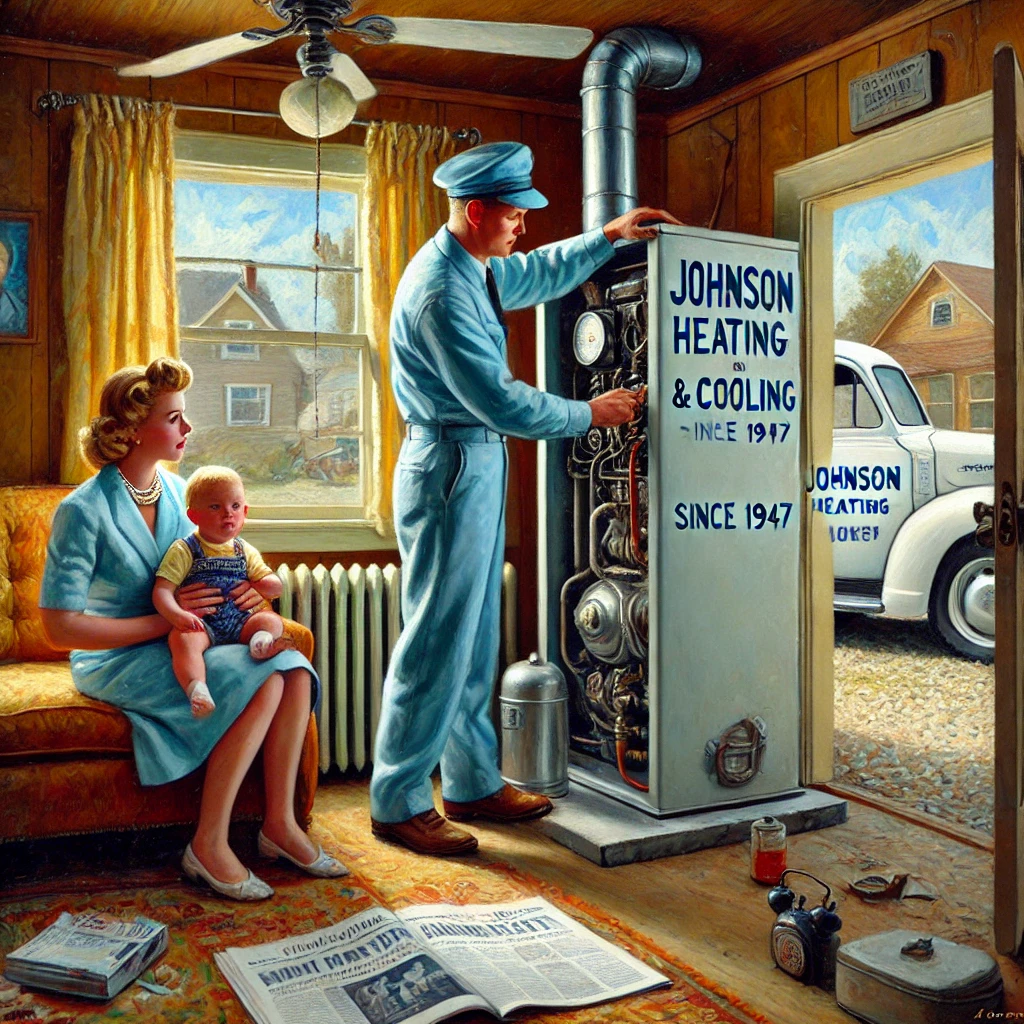
In the heart of Dunlap, Tennessee, a small town that embodies the spirit of rural America, the potential for transformation lies within the grasp of matching grants. These grants provide not just funding but a lifeline—a chance for communities to embrace their dreams and aspirations. Picture this: a local farmer, who has worked the land for generations, finally able to invest in sustainable practices that not only cultivate the soil but also cultivate future generations. This isn’t just about money; it’s about initiatives that speak to the essence of who we are as a community.
Imagine a young entrepreneur in Dunlap, overflowing with innovative ideas yet stymied by lack of resources. With matching grants, that dream can become a reality. These infusions of capital don’t merely multiply dollars; they amplify hope, creating jobs, fostering collaboration, and encouraging local partnerships. When businesses flourish, families thrive. Children grow up with opportunities right in their own backyard, transforming their dreams from distant wishes into achievable goals.
This is where the ethical imperative comes into play. Communities that invest in themselves send a powerful message: we believe in our future. It’s a call to action, summoning every resident to rally around shared goals—an invitation to contribute to a legacy that will echo through generations. By tapping into matching grants, Dunlap can create a robust ecosystem where people aren’t just surviving but truly thriving.
Authority figures and community leaders, recognizing the importance of these grants, can become champions of change. Their voices can rally support, dispel doubts, and unite individuals towards a common purpose. Their stories resonate—parents recounting how they pulled together to create playgrounds, locals recalling how a small business became the heart of the community. These narratives serve as reminders that successful ventures can stem from humble beginnings.
Connecting on a social level is crucial. Every dollar garnered through these grants fosters a sense of pride, standing for shared vision and values. It uplifts those who once felt isolated, assuring them they are not alone in their aspirations. It’s about sparking conversations, igniting passions, and mobilizing a workforce young and old, ready to bolster Dunlap’s trajectory.
In the tapestry of rural Tennessee, matching grants can weave dreams into reality, stitching together the aspirations of individuals and the collective heartbeat of Dunlap, empowering its residents to take bold steps into a promising future.

What Dreams Can Matching Grants Make Possible for Rural Tennessee?
What Dreams Can Matching Grants Make Possible for Rural Tennessee?
- Matching grants in Dunlap, Tennessee, offer funding and a lifeline for community transformation.
- A local farmer can invest in sustainable practices to benefit future generations.
- Young entrepreneurs gain resources to turn innovative ideas into reality, creating jobs and local partnerships.
- Investing in the community sends a powerful message of belief in the future and shared goals.
- Community leaders can champion these grants, rallying support and uniting individuals for a common purpose.
- Grants foster a sense of pride and connection, uplifting isolated residents and igniting passions.
- Overall, matching grants can empower Dunlap’s residents to realize their aspirations and build a promising future.
What Dreams Can Matching Grants Make Possible for Rural Tennessee?
How Can Financial Matching Shape a Sustainable Future?
Financial matching is more than just a strategy; it’s a pathway toward fostering a sustainable future for communities like Dunlap, Tennessee. Imagine a small town where local businesses thrive through mutual benefit—a place where every dollar spent circulates within the community, creating jobs and enhancing lives. It’s not just about the money; it’s about the stories behind those dollars and the people they uplift.
In Dunlap, when individuals and organizations come together to match financial contributions, it ignites a ripple effect of generosity and collaboration. A local factory invests in a community program, and then another business steps in, matching those funds. This isn’t mere charity; it’s a strategic alliance that cultivates trust and confidence within the community. It shows residents that they’re not alone in their endeavors, sparking a sense of collective responsibility.
The message is clear: we have the power to shape our future. Rationally, financial matching can leverage limited resources, expanding their impact exponentially. A small investment can blossom into greater educational opportunities, better infrastructure, and improved quality of life. Engaging local stakeholders ensures everyone has a stake in the outcomes. It’s not just about surviving; it’s about thriving, together.
Ethically, we owe it to one another to find innovative ways to solve challenges. By matching funds, we demonstrate a commitment to uplifting our neighbors, creating a society where everyone has the chance for success. In a world filled with uncertainty, these actions serve as beacons of hope, inspiring individuals to invest not just their money but their time and talents as well.
Narratively, each instance of financial matching creates a story that transcends the mundane transactions of daily life. It reflects dedication, vision, and a belief in “We” over “Me.” As these stories spread, they forge a shared identity that unites the community—people feel connected and invested in each other’s successes.
So, what does this all mean for Dunlap and beyond? It means that through financial matching, we can ensure a sustainable future built not on fleeting trends but on solid foundations of trust, cooperation, and shared values. It’s a moral imperative that invites participation from everyone, crafting a community that’s not just surviving, but thriving. It’s an invitation to roll up your sleeves, engage, and be part of something greater than oneself.

How Can Financial Matching Shape a Sustainable Future?
How Can Financial Matching Shape a Sustainable Future?
- Financial matching fosters a sustainable future for communities like Dunlap, Tennessee.
- It enables local businesses to thrive through mutual benefit, circulating dollars within the community.
- The collaboration ignites a ripple effect of generosity, creating strategic alliances rather than mere charity.
- Financial matching expands the impact of limited resources, enhancing educational opportunities and quality of life.
- Ethically, it demonstrates commitment to uplifting neighbors and fostering a society of shared success.
- Each act of financial matching creates stories that unite the community, promoting a collective identity.
- This approach builds a future based on trust, cooperation, and shared values, encouraging active participation.

How Can Financial Matching Shape a Sustainable Future?
What Ethical Impact Does Investing In Rural Communities Hold?
Investing in rural communities holds a profound ethical impact that transcends mere financial gain. Take Dunlap, Tennessee, for example—a small town rich in character and history, where the heartbeat of a community can be felt through every handshake and shared meal. Investing here is not just about economics; it’s about people, their dreams, and their resilience.
When we consider rural investment, we think of farmers ready to grow, artisans eager to share their craft, and local businesses yearning for a chance to thrive. These are more than just names on a balance sheet; they are stories waiting to unfold. Supporting these communities acknowledges their struggles and aspirations, fostering a sense of connection that resonates on a deeply human level. This is where the heart of investment lies—not just in numbers, but in nurturing the potential of every individual.
From a rational perspective, investing in rural areas like Dunlap yields substantial returns. The potential for innovation, creativity, and entrepreneurship is staggering. Local economies can flourish when given the right tools and resources, leading to job creation and improved living standards. This isn’t just good financial sense; it’s a pathway toward sustainable growth and development. Economic vitality leads to educational opportunities, better healthcare, and a stronger foundation for future generations.
Ethically, the decision to invest in rural communities reflects our values and priorities. It speaks to a commitment to lift others, to recognize that every person deserves a chance to succeed, regardless of their zip code. This principle mirrors the age-old pledge that we’re all in this together. By channeling resources into Dunlap and similar towns, we are actively participating in the moral fabric of society, weaving together a tapestry rich in diversity and shared purpose.
In the grand narrative of America, rural investments elevate the conversation around equity and inclusion. These communities, often overlooked, hold the power to drive innovation and cultural richness. When we cultivate relationships in these areas, we foster a spirit of trust and collaboration that benefits everyone.
Investing ethically in rural communities is not merely a responsibility but an opportunity—a chance to rewrite the story for places like Dunlap. These investments can ignite passion, inspire action, and transform lives. By choosing to invest our time, resources, and heart here, we can instill hope where it is needed most and build a future that honors the spirit of every resident.

What Ethical Impact Does Investing In Rural Communities Hold?
What Ethical Impact Does Investing In Rural Communities Hold?
- Investing in rural communities has ethical implications beyond financial gain.
- Dunlap, Tennessee exemplifies the importance of community connection through investment.
- Investment acknowledges the struggles and aspirations of individuals in rural areas.
- Rural investment has the potential for substantial economic returns and innovation.
- Investing in local economies can lead to job creation and improved living standards.
- Investment reflects commitment to equity and inclusion, recognizing every person’s potential.
- Ethical investment in rural areas transforms lives and fosters hope for future generations.

What Ethical Impact Does Investing In Rural Communities Hold?
Who Benefits the Most From Matching Grants In These Regions?
In the heart of Dunlap, Tennessee, where the rolling hills cradle small-town charm, there’s a palpable energy infused by matching grants. These unique financial tools don’t just fuel economic growth; they invigorate communities, connecting neighbors and creating a sense of belonging.
Imagine a local farmer, a staple of the community, working tirelessly to keep her family farm afloat. With matching grants, she can modernize her equipment, invest in sustainable practices, and turn her dream of producing organic goods into reality. The grant not only bolsters her business but also elevates local agriculture, creating jobs and feeding families in Dunlap. This isn’t just about money—it’s about nurturing roots, both in the soil and in the community.
At the same time, the schools in Dunlap also stand to gain. With matching grants aimed at educational initiatives, teachers get the funds they need to enhance their classrooms, purchase technology, and develop extracurricular programs. This investment directly shapes the minds and futures of our children, inspiring them to dream bigger and reach higher. When kids have access to richer educational experiences, it benefits everyone—those kids grow into informed adults who can contribute meaningfully to society.
Yet, it’s not solely the individuals or institutions that benefit. Businesses in Dunlap thrive when community projects flourish. Local artisans and small enterprises blossom as the influx of grant funding acts as a catalyst for growth. When grants support community events, they foster social connections, bringing people together to celebrate shared values and create lasting memories. The entire community begins to pulse with a renewed sense of pride and purpose.
Additionally, there’s an ethical aspect to matching grants. They’re designed to foster inclusion—ensuring that all voices in Dunlap, regardless of background or economic standing, have the opportunity to thrive. The process encourages participation and collaboration, inviting residents to invest in their community’s future actively.
These grants weave a tapestry of hope, innovation, and resilience, inviting everyone to play a role in driving Dunlap forward. Each dollar matched is a testament to belief; belief not just in projects, but in one another, creating a ripple effect that extends far beyond any single initiative. It’s not just about receiving funds—it’s about cultivating a legacy, a shared commitment to building a brighter future. By leveraging matching grants, Dunlap stands poised to transform challenges into opportunities, proving that when communities rally together, the possibilities are as vast as the Tennessee skies.

Who Benefits the Most From Matching Grants In These Regions?
Who Benefits the Most From Matching Grants In These Regions?
- Matching grants in Dunlap, Tennessee, promote economic growth and community connection.
- Local farmers can modernize their operations and produce organic goods, benefiting both their businesses and local agriculture.
- Educational initiatives funded by matching grants enhance classroom resources and support extracurricular programs for schools.
- Children’s access to improved educational experiences prepares them for meaningful contributions to society.
- Businesses, artisans, and small enterprises thrive through grant-funded community projects and events.
- Matching grants foster inclusion, encouraging participation from diverse community members.
- They create a legacy of hope and resilience, empowering the community to transform challenges into opportunities.

Who Benefits the Most From Matching Grants In These Regions?
What Role Do Local Leaders Play In Securing Matching Grants?
In small towns like Dunlap, Tennessee, leaders are more than just figureheads; they are the heartbeat of the community. When it comes to securing matching grants, these local champions become architects of opportunity, connecting the dreams of their residents with the resources needed to turn those aspirations into reality. It’s not merely about numbers and proposals; it’s about people and purpose.
Picture a local leader standing in front of a town hall meeting, radiating passion and conviction. They share stories of families struggling to keep their businesses afloat, children yearning for better educational resources, and seniors seeking engagement in a rapidly changing world. Through these narratives, they weave a tapestry of collective experience, one that graces the minds of potential funders and compels them to invest right where it matters most.
The appeal doesn’t stop at emotion; it reaches into the realm of rationality. Local leaders possess a unique understanding of their community’s strengths and weaknesses, which makes them credible advocates. They know that matching grants are not just about financial input; they are about fostering growth, developing skills, and nurturing innovation. By presenting comprehensive data and heartfelt stories, they help grantors see the potential return on their investment—not just financially, but socially and ethically.
Moreover, they embody authority in their communities. Their long-standing relationships with residents instill trust, easing concerns and fostering a sense of unity. People rally behind a familiar face, someone they know will fight for their shared interests. This trust translates into collective action, empowering individuals to engage in the grant-seeking process actively. When local leaders advocate on behalf of their communities, they tap into a reservoir of support that makes the process not only effective but inevitable.
With each successful grant secured, the narrative shifts from survival to thriving. The townsfolk see improvements in infrastructure, education, and community programs, rippling hope and motivation throughout Dunlap. Local leaders don’t just advocate for funds; they champion a future where the community can flourish, fostering a culture of resilience and aspiration.
It’s about connection. Local leaders serve as bridges between the aspirations of their neighbors and the resources of the outside world. They face challenges with grit and determination, reflecting the spirit of Dunlap itself. Their role in securing matching grants is not just a task; it’s a calling to lift their community toward greater heights, embodying the very essence of what it means to lead from the heart.

What Role Do Local Leaders Play In Securing Matching Grants?
What Role Do Local Leaders Play In Securing Matching Grants?
- Local leaders in small towns like Dunlap, Tennessee, are vital community figures and advocates for residents’ aspirations.
- They connect community dreams with resources needed to secure matching grants.
- Through storytelling, they illustrate the needs of families, children, and seniors to potential funders.
- Local leaders understand community strengths and weaknesses, presenting credible cases for funding.
- Trust established through long-standing relationships encourages collective action among residents.
- Successful grants lead to improvements in infrastructure, education, and community programs, promoting a thriving community.
- They act as bridges to external resources, reflecting determination and fostering resilience in their community.

What Role Do Local Leaders Play In Securing Matching Grants?
Conclusion
In Dunlap, Tennessee, a small town rich in community and potential, matching grant programs emerge as a transformative force, doubling the investments that breathe life into dreams and aspirations. These grants are not mere financial tools; they are lifelines that empower local business owners, farmers, educators, and families. The challenges faced by Dunlap are shared by many rural communities, caught in a cycle of limited resources and economic stagnation. But with the right support, these challenges can be overcome.
Consider the impact of a local farmer receiving a matching grant, able to modernize equipment or adopt sustainable practices, ensuring not only their livelihood but also contributing to a broader agricultural economy. Or envision schools enhanced by grants that provide necessary resources for teachers and students alike, shaping future leaders who grow up with opportunities to thrive right in their hometown.
The rational benefits are clear: each dollar invested means better infrastructure, more robust local businesses, and jobs that support families. But the emotional resonance goes deeper. Every project funded through these grants tells a story of community resilience, showcasing how together, ideas become reality. When residents see their neighbors rallying for community projects, it creates a sense of belonging and pride, illustrating that dreams are not just individual pursuits but collective achievements.
Ethically, matching grants invite all members of the community to take part in shaping their future. They foster inclusivity, encouraging every resident to contribute to a brighter tomorrow, not just for themselves but for their neighbors as well. Local leaders play a crucial role, serving as advocates who connect the aspirations of their community with the necessary resources. Their passion inspires action, inviting everyone to get involved, reinforcing the idea that real change happens when people unite around common goals.
Through these grants, Dunlap can cultivate an ecosystem where collaboration thrives, transforming the town into a place where not just some, but all, can flourish. The call to action is clear: engage with the community, embrace the opportunities presented, and invest in collective dreams. Together, by harnessing the power of matching grants, Dunlap stands poised to not just survive, but truly thrive, paving the way for a future filled with hope and possibility. This is a moment to seize, to ignite the spirit of community, and to build a legacy that honors the heart and soul of Dunlap, ensuring it remains a vibrant tapestry of aspirations realized for generations to come.

Conclusion
Conclusion:
- Matching grant programs in Dunlap, Tennessee, serve as a transformative force for the community.
- Grants empower local business owners, farmers, educators, and families by providing vital financial support.
- Challenges faced by Dunlap mirror those of many rural areas experiencing economic stagnation.
- Grants enable local farmers to modernize equipment and adopt sustainable practices, benefiting the broader agricultural economy.
- Schools receive resources through grants that enhance education and create opportunities for future leaders.
- Matching grants foster community resilience and a sense of belonging among residents.
- Local leaders play a crucial role in connecting community aspirations with necessary resources, driving collective action for change.

Conclusion
Other Resources

Other Resources
Here is a list of other resources you can review online to learn more:
- Montes Stone Products
- Elder’s Ace Hardware-Dunlap
- Quality Inn
- S & J RV Park
- The Ridge
- Rent-A-Center
- Music Makers
- Dunlap Farmers Market
- Sequatchie Valley Bouncers
- Dairy Queen
Use This Prompt To Get More Resources With Your Favorite Online AI Tool: Please provide me with a list of online articles with their URLs in a bulleted list that I can read regarding Matching Grant Programs – Doubling Your Investment In Rural Communities In Rural Tennessee

Other Resources
Glossary Terms
Matching Grant Programs – Doubling Your Investment In Rural Communities In Rural Tennessee – Glossary Of Terms
1. Matching Grant: A financial incentive where funders provide an equal amount of money contributed by the grantee.
2. Rural Development: Initiatives aimed at improving the economic and social conditions of rural areas.
3. Investment: The allocation of resources, typically financial, to generate a return or support a community project.
4. Nonprofit Organization: An entity that operates for a purpose other than profit, often focused on community enhancement.
5. Funding Source: An organization or entity that provides financial support for projects or initiatives.
6. Economic Growth: The increase in the production and consumption of goods and services in a community.
7. Community Engagement: Involvement of local residents in the decision-making processes affecting their area.
8. Sustainability: The ability to maintain economic, social, and environmental health over the long term.
9. Capacity Building: Activities that improve an organization’s ability to fulfill its mission and sustain itself.
10. Project Proposal: A formal document outlining a proposed project, including objectives, methods, and funding needs.
11. Grant Application: The process of submitting a request for financial funding, detailing project plans and budgets.
12. Local Government: Authorities governing local areas, responsible for community regulations and development.
13. Collaboration: Working together between organizations or sectors to achieve common goals.
14. Fundraising: The act of soliciting and gathering financial contributions for a project or organization.
15. Eligibility Criteria: Specific requirements that applicants must meet to qualify for grant consideration.
16. Program Implementation: The process of executing and managing a project or initiative effectively.
17. Leverage: Utilizing existing resources or funding to attract additional financial support.
18. Stakeholders: Individuals or groups with an interest or investment in a project’s outcomes.
19. Impact Assessment: Evaluating the effects and outcomes of a project on the community.
20. Economic Diversification: Efforts to expand the variety of economic activities in a rural area.
21. Technical Assistance: Support provided to enhance the skills and abilities of organizations implementing projects.
22. Grant Cycle: The periodic schedule of grant applications, evaluations, and award distributions.
23. Community Partnership: Collaborative relationships between various organizations and individuals to strengthen community initiatives.
24. Return on Investment (ROI): A measure of the financial return generated from an investment compared to its cost.
25. Scalability: The potential of a project to grow and adapt to increased demands or larger community needs.
26. Data Collection: The systematic gathering of information to assess project needs and outcomes.
27. Outreach Program: Initiatives designed to engage and inform community members about resources and support available.
28. Social Capital: The networks of relationships among people in a community, facilitating cooperation and support.
29. Vision Statement: A declaration outlining the desired long-term achievements and impact of a project or organization.
30. Grant Management: The processes involved in overseeing the use of grant funds, including budgeting, reporting, and compliance.

Glossary Of Terms
Other Questions
Matching Grant Programs – Doubling Your Investment In Rural Communities In Rural Tennessee – Other Questions
If you wish to explore and discover more, consider looking for answers to these questions:
- What types of projects are eligible for matching grants in Dunlap and similar rural Tennessee communities?
- Who can apply for these matching grants—individuals, nonprofits, businesses, or local governments?
- What are the typical matching ratios (e.g., 1:1, 2:1) and how flexible are they?
- Are in‑kind contributions (volunteer hours, donated materials) accepted as part of the match?
- What is the typical size range of matching grants available for rural projects?
- What are common funding sources for matching grants (federal, state, foundations, corporate)?
- What is the application process and timeline from submission to award?
- What documentation is required to prove the matching funds are secured?
- Are there pre‑application workshops or technical assistance available for applicants?
- What selection criteria do grantors use to evaluate proposals?
- How are projects monitored and evaluated after funds are awarded?
- What reporting and audit requirements accompany matched grants?
- How long do grantees have to complete their projects once funded?
- Can matching grants be used for operating expenses, or are they limited to capital projects?
- Are there restrictions on how matching grant funds may be spent (procurement rules, prevailing wage, etc.)?
- What are common pitfalls that cause applications to fail?
- How can small communities mobilize local match quickly if cash is limited?
- What strategies help leverage private donations and business sponsorships as match?
- How do matching grants affect local taxes, fees, or municipal budgets?
- Are there tax implications for donors or recipients when matching funds are used?
- How do matching grants promote long‑term sustainability rather than one‑time fixes?
- What metrics should communities use to measure the success and ROI of funded projects?
- How can communities ensure equitable access to matching grants across different neighborhoods and groups?
- What role should local leaders, councils, and boards play during the grant application and implementation phases?
- How can rural towns build capacity (grant writing, project management) to win and manage matching grants?
- What partnerships (regional, university, nonprofit) improve a project’s chances of receiving matched funding?
- Are there examples or case studies of similar Tennessee towns that successfully used matching grants?
- How can applicants estimate realistic project budgets and matching requirements?
- What happens if a community cannot deliver the promised match after receiving the grant?
- How are disputes over matched funds resolved between grantors and recipients?
- Can matching grants be combined with other funding sources (loans, tax credits, incentive programs)?
- How should a community prioritize projects when multiple needs compete for matching funds?
- What are the environmental and social safeguards required for projects funded by matching grants?
- How do grantors measure indirect benefits such as increased civic engagement or social cohesion?
- Where can residents find current listings of matching grant opportunities for rural Tennessee?
- Who are the local contacts or agencies that can help Dunlap begin the matching grant process?

Other Questions
Haiku
Matching Grant Programs – Doubling Your Investment In Rural Communities In Rural Tennessee – A Haiku
Dreams of a small town,
Matching grants sow hope and growth,
Together we thrive.

Haiku
Poem
Matching Grant Programs – Doubling Your Investment In Rural Communities In Rural Tennessee – A Poem
In Dunlap’s hills, where dreams convene,
A community pulse beats strong and keen.
Matching grants emerge like morning light,
Doubling hopes, turning darkness to bright.
Local farmers, with hearts full of land,
Invest in futures, together we stand.
Entrepreneurs, visions bold in their sights,
With funds matched, they reach new heights.
Schools flourish, knowledge takes flight,
Children inspired to chase dreams with might.
Every dollar shared, a testament true,
To the strength of a bond, both old and new.
Leaders rise, with stories to tell,
Connecting each voice, weaving together well.
Trust built in courage, a tapestry spun,
In unity, we thrive, we work as one.
Ethical investments for the rich and the poor,
A call to our hearts, a chance to restore.
With each small action, we pave the way,
For brighter tomorrows, where hopes can stay.
In Dunlap, we thrive, each effort counts,
In the fabric of life, our spirit mounts.
Matching grants—a bridge to embrace,
Transforming our future, together we face.

Poem
Checklist
Matching Grant Programs – Doubling Your Investment In Rural Communities In Rural Tennessee – A Checklist
Checklist for Engaging with Matching Grant Programs in Rural Communities
Emotional Appeals
_____ Connect Stories: Share personal narratives from community members who have benefited from grants.
_____ Foster Pride: Highlight accomplishments achieved through grants, emphasizing community unity and resilience.
_____ Celebrate Transformations: Organize events showcasing successful projects funded by matching grants.
Rational Appeals
_____ Financial Impact Analysis: Provide clear data on how matching grants double investment potential.
_____ Resource Allocation Plan: Outline how funds will be utilized for maximum community benefit.
_____ Long-term Vision: Present projections for sustainable growth resulting from grant utilization.
Ethical Appeals
_____ Highlight Responsibility: Encourage collective community investment, stressing the moral obligation to support local initiatives.
_____ Promote Inclusion: Ensure participation from diverse community members in the grant-seeking process.
_____ Demonstrate Values: Frame investments as a commitment to nurturing local talent and opportunities.
Authority Appeals
_____ Engage Local Leaders: Involve respected figures who can galvanize community support and trust.
_____ Showcase Expert Endorsements: Leverage endorsements from authorities or experts in community development.
_____ Educate on Grant Processes: Provide resources or workshops led by knowledgeable individuals to guide applicants.
Narrative Appeals
_____ Share Success Stories: Use case studies of individuals or organizations that have successfully secured grants.
_____ Create a Collective Story: Inspire a narrative that reinforces the idea of shared community aspirations in seeking grants.
_____ Visual Documentation: Use photos or videos to depict the impact of grants on the community’s growth and vibrancy.
Social Appeals
_____ Build Networks: Encourage collaboration among residents, businesses, and organizations for stronger grant applications.
_____ Promote Social Responsibility: Advocate for community involvement in projects funded by grants to foster connection.
_____ Create Support Groups: Establish forums or groups for residents to discuss and collaborate on potential grant projects.
Practical Tips
_____ Regular Meetings: Schedule discussions to track community needs and grant opportunities.
_____ Feedback Loop: Create a system for sharing updates on grant status and community project progress.
_____ Resource Sharing: Provide access to tools and templates for preparing grant applications.

Checklist
At Dunlap Directory, we help Dunlap, Tennessee, business tell stories and market and sell their products and services.
Please share this post with your friends, family, or business associates who may want help telling the stories of their legacy.


