










An Overview Of Sales Tax Holidays – Understanding Incentives for Rural Businesses In Rural Tennessee
By Tom Seest
At Dunlap Directory, we help Dunlap, Tennessee, business tell stories and market and sell their products and services.
Please share this post with your friends, family, or business associates who may want help telling the stories of their legacy.
Sales Tax Holidays – Understanding Incentives for Rural Businesses In Rural Tennessee
Sales Tax Holidays – Understanding Incentives for Rural Businesses in Rural Tennessee
In the heart of rural Tennessee, small towns like Dunlap thrive on the backbone of local businesses. During sales tax holidays, there’s a palpable buzz—a collective excitement that ignites the spirit of community. These events aren’t just a time for consumers to snag deals; they are vital lifelines for our local enterprises, fostering a cycle of economic growth that is deeply rooted in our soil.
Imagine a family walking into a local shop, fabric swaying in the warm breeze, laughter echoing off the walls. It’s a scene that embodies the essence of rural life. When sales tax holidays roll around, it’s not merely numbers that decimal icons present; it’s about connecting communities. For every dollar spent at a local store, that money doesn’t just vanish into the ether; it re-circulates, bolstering jobs, funding schools, and supporting local charities. Families helping families—that’s the heart of rural Tennessee.
But let’s engage the head, too. These tax holidays present a strategic opportunity, allowing rural businesses to attract customers who might otherwise shop online or in far-off cities. They serve as a catalyst for local economic resilience. By alleviating the financial burden through temporary tax relief, we encourage citizens to invest back into the community. This is not just an economic incentive; it’s a chance for Dunlap’s businesses to shine, to take the stage they deserve in a competitive market.
Ethically, supporting rural businesses is a societal responsibility we all share. Choosing to spend locally during these tax holidays isn’t just a smart financial decision; it’s a declaration of values. It says we care about our community, our neighbors, and the fabric that holds us all together. We are the stewards of our economy, and every dollar spent locally reinforces our collective identity.
With the authority our shared experiences provide, we must engage in a narrative that showcases not just the statistics, but the faces behind the counters. Each business has a story worth telling—owners who poured their dreams into these shops, families whose histories are woven into the very walls.
As we embrace this spirit of solidarity, let’s share these moments of triumph. A community that supports its own builds a legacy. So, as sales tax holidays approach, step into your local store, feel that connection, and remember—the heart of Tennessee beats strongest when we rally around our neighbors in Dunlap and beyond. By choosing local, we uplift our community, our economy, and each other.

Sales Tax Holidays – Understanding Incentives for Rural Businesses In Rural Tennessee
Sales Tax Holidays – Understanding Incentives for Rural Businesses In Rural Tennessee
- Sales tax holidays generate excitement and community spirit in rural Tennessee towns like Dunlap.
- These events provide essential support to local businesses, fostering economic growth.
- Money spent in local stores re-circulates, supporting jobs, schools, and charities.
- Tax holidays attract customers who might shop elsewhere, enhancing local resilience.
- Spending locally is both an economic incentive and a declaration of community values.
- Supporting local businesses contributes to a shared economic identity and responsibility.
- Each local business has its own story, adding depth to the community’s economic narrative.

Sales Tax Holidays – Understanding Incentives for Rural Businesses In Rural Tennessee
Table Of Contents
- Sales Tax Holidays – Understanding Incentives for Rural Businesses In Rural Tennessee
- Are Sales Tax Holidays Worth the Hype for Rural Businesses?
- How Do Sales Tax Incentives Impact Local Economies?
- Can Shopping Locally During Tax Holidays Strengthen Communities?
- What Ethical Considerations Arise with Tax Incentives for Businesses?
- How Do Rural Businesses Leverage Tax Holidays to Boost Sales?
- Conclusion
- Other Resources
- Glossary Of Terms
- Other Questions
- Haiku
- Poem
- Checklist
Are Sales Tax Holidays Worth the Hype for Rural Businesses?
Sales tax holidays often spark debates, particularly among rural businesses like those in Dunlap, Tennessee. When the chatter rises about these temporary reprieves from sales tax, it’s easy to get swept away by the excitement. But let’s step back for a moment and think about what’s really at stake for the shop owners and communities.
In a small town, every decision carries weight. The business owner doesn’t just sell goods; they offer trust, familiarity, and a sense of belonging. Picture the local store owner in Dunlap, who knows every customer by name, whose livelihood is tethered not just to profit margins but to the hearts of their community. Sales tax holidays can seem like a win—an opportunity to attract bustling foot traffic, boost sales, and keep the doors open a little longer. But do they genuinely deliver?
Rationally, one can argue that cutting taxes for a weekend might entice shoppers from nearby urban centers and stimulate local economies. Yet, consider the reality: those discounts often lure customers to bigger retailers who can absorb losses more easily. The small businesses, often running on razor-thin margins, might not gain the same traction. This isn’t just numbers on a page; it’s about families relying on these businesses for jobs and community engagement.
Ethically, we must contemplate the long-term effects. Is offering a sales tax holiday genuinely beneficial, or does it create a cycle of dependency that leaves rural businesses scrambling to compete against larger, well-established chains? A one-week bonanza can feel like a lifeline, but when the excitement fades, what’s left behind? Small business owners face the risk of changing consumer habits, as people become accustomed to seeking deals in bigger towns.
Narratively, there’s a power in the stories from Dunlap. Each transaction sings a tale of resilience. A local hardware store that sells the nails and wood that build homes, a grocery store that provides more than just food—it offers familiarity, comfort, and care. The significance of these establishments can’t be measured purely in dollars and cents.
Ultimately, as we weigh the merits of sales tax holidays, it’s crucial to consider the bigger picture. It’s about maintaining the integrity of rural economies and fostering deeper connections within our communities. It’s not just a financial decision; it’s about supporting those who stand at the heart of our towns, ensuring they aren’t left behind. Let’s champion what sustains us, not just for a fleeting moment, but for the long haul.

Are Sales Tax Holidays Worth the Hype for Rural Businesses?
Are Sales Tax Holidays Worth the Hype for Rural Businesses?
- Sales tax holidays provoke debates, especially among rural businesses in places like Dunlap, Tennessee.
- Local shop owners provide trust and a sense of belonging, making their success vital to the community.
- While tax holidays may attract foot traffic, they often favor larger retailers over small businesses with thin profit margins.
- Discounts can lead to a dependency cycle, hindering rural businesses in competition with established chains.
- Consumer habits may shift towards seeking deals in urban areas, impacting local businesses.
- Local establishments contribute more than just economic value; they embody community resilience and care.
- Evaluating sales tax holidays requires considering their impact on rural economies and community integrity.

Are Sales Tax Holidays Worth the Hype for Rural Businesses?
How Do Sales Tax Incentives Impact Local Economies?
Sales tax incentives can serve as a double-edged sword for local economies, embodying both promise and peril. In places like Dunlap, Tennessee, these incentives create a compelling narrative about growth, opportunity, and community resilience. When policymakers roll out the red carpet for businesses via sales tax breaks, they’re essentially saying, “Come thrive here.” It’s an invitation that resonates with entrepreneurs looking for fertile ground to plant their seeds of innovation.
Consider the local diner in Dunlap, where the smell of fresh biscuits lingers in the air and the friendly server remembers your order. Tax incentives can help small businesses like this one flourish, allowing them to hire more staff, source local ingredients, and become cornerstones of the community. When you support a local diner, you’re not just enjoying a meal; you’re participating in an economic cycle that feeds families and fosters connections.
On the flip side, there’s a rational calculation to be made. Cities must weigh the immediate allure of drawing in businesses against the long-term impact on community funding. Sales tax incentives mean less immediate revenue for essential services—roads, schools, and emergency services. It’s a balancing act that demands careful consideration. Local leaders have a moral and ethical responsibility to ensure that incentives don’t simply shift tax burdens to those who can least afford it.
The authority of local government comes into play here. Citizens need to trust that their leaders will act in their best interest, fostering an environment where growth doesn’t come at the expense of public welfare. When communities thrive, people feel it deep in their gut. They see new jobs, improved infrastructure, and opportunities that inspire hope. It’s this collective sense of progress that makes a town like Dunlap a place to call home.
As stories of successful businesses emerge, they create a social fabric woven with threads of trust, shared experience, and resilience. Locals rally around these success stories, feeling a sense of pride in their collective accomplishments. This isn’t just about numbers—it’s about people, families, and futures. Sales tax incentives can catalyze a vibrant local economy, proving that when community spirit and smart policy intertwine, something truly remarkable can happen.

How Do Sales Tax Incentives Impact Local Economies?
How Do Sales Tax Incentives Impact Local Economies?
- Sales tax incentives can be both beneficial and detrimental for local economies.
- In Dunlap, Tennessee, these incentives promote growth and attract businesses, encouraging innovation.
- Small businesses, like local diners, can thrive with the support of tax incentives, fostering community connections.
- There is a need to balance immediate business attraction with the long-term impacts on essential services and community funding.
- Local leaders must ensure that tax incentives do not disproportionately burden those least able to afford it.
- Trust in local government is crucial for fostering an environment where community growth aligns with public welfare.
- Successful businesses contribute to a vibrant local economy, enhancing the community fabric and inspiring collective pride.

How Do Sales Tax Incentives Impact Local Economies?
Can Shopping Locally During Tax Holidays Strengthen Communities?
In Dunlap, Tennessee, a town where every corner echoes with stories and each storefront has a heartbeat, the local tax holiday becomes more than just a fiscal event; it’s a lifeline for the community. Shopping locally during these holidays isn’t merely about saving a few bucks; it’s about investing in the very fabric that holds our small towns together. When we prioritize local businesses, we’re not just patrons; we become participants in a shared narrative—a narrative that fosters connection and cultivates pride.
Imagine walking into a store where the owner knows your name, where the shelves are filled with goods made by neighbors you’ve seen at the local park or church. That personal touch, that handshake, creates a relationship that can’t be replicated by any online giant. It’s this trust that turns commerce into community. When you buy a pair of shoes from a local shop instead of clicking “add to cart” online, you’re not just purchasing footwear; you’re supporting local jobs, fueling the economy, and ensuring that the tax revenue circulates within your own neighborhood.
And the emotional pull extends beyond individual transactions. Every dollar spent locally is like a seed planted in the fertile soil of Dunlap. By nurturing our local businesses, we invite growth—new opportunities, increased community events, and a vibrant local culture that resonate with who we are. Rationally, supporting our local shops during tax holidays boosts economic resilience. Studies show that money spent within the community has a multiplier effect, generating additional revenue for local services and infrastructure.
Ethically, the decision to shop local embodies a commitment to sustainability. It’s an act of solidarity, standing with our neighbors against the relentless tide of globalization that threatens to dilute our uniqueness. This isn’t just business; it’s about preserving the character of Dunlap. Our towns are built on relationships, and shopping locally fosters the kind of social bonds that make neighborhoods thrive.
Let’s remember the stories that come with every small purchase. Every handmade craft, locally sourced delicacy, or service rendered comes with the hopes and dreams of our fellow citizens. When we opt to shop locally during tax holidays, we’re not just filling our carts; we’re fortifying our community’s foundation. We are choosing to honor our shared journey, and that’s a choice worth making.

Can Shopping Locally During Tax Holidays Strengthen Communities?
Can Shopping Locally During Tax Holidays Strengthen Communities?
- The local tax holiday in Dunlap, Tennessee, serves as a crucial support system for the community.
- Shopping locally is seen as an investment in the town’s fabric, fostering connections and pride.
- Local businesses offer personal interactions and relationships that online shopping cannot replicate.
- Purchasing from local shops contributes to job support, economic fueling, and neighborhood tax revenue circulation.
- Every dollar spent locally helps to grow opportunities, enhance community events, and strengthen local culture.
- Shopping local represents a commitment to sustainability and is an act of solidarity against globalization.
- Every local purchase supports the hopes and dreams of fellow citizens, strengthening the community’s foundation.

Can Shopping Locally During Tax Holidays Strengthen Communities?
What Ethical Considerations Arise with Tax Incentives for Businesses?
Tax incentives for businesses may seem like a straightforward idea on the surface, designed to spur growth and create jobs. However, when we peel back the layers, especially in places like Dunlap, Tennessee, a more complex picture emerges, stirring deeper questions about fairness, responsibility, and community impact.
Imagine a local factory that thrives on tax breaks, hiring dozens of workers from the area. Sounds great, right? But what happens when those incentives start to create an uneven playing field? Small businesses, the lifeblood of Dunlap’s economy, may struggle under the weight of larger companies capitalizing on these advantages. This scenario can evoke a visceral reaction; it’s about more than just numbers on a balance sheet. It touches hearts when local shops close their doors because they can’t compete.
The rational side reminds us of the economic principles at play. Tax incentives are meant to stimulate investment, yet they can also breed dependence on government support. There’s a fine line between encouraging growth and fostering a culture where businesses wait for handouts instead of innovating. What’s the long-term impact of relying on these incentives? Communities built on transient investments may crumble when the allure of lower taxes fades, leaving behind a wake of unemployment and disillusionment.
From an ethical viewpoint, we must ask: Who benefits from these incentives? And at what cost? The promise of job creation should not overshadow the need for equitable treatment of all businesses. There is an ethical obligation to ensure that while larger firms expand, smaller local players can thrive too. This isn’t just about profit margins; it’s about the dignity of work and the strength of community ties.
Authority figures, from local government officials to business leaders, hold immense influence over these decisions. Their choices resonate across Dunlap, shaping not just the local economy but also the very ethos of the community. Trust is essential. When residents see their leaders prioritize the well-being of everyone, not just a selected few, confidence in local governance and commerce strengthens.
Ultimately, it’s about fostering a sustainable environment. Tax incentives can be a tool for good, but only when wielded with discernment. Communities thrive when every business has a fair chance to succeed, creating a symbiotic relationship that elevates everyone. The challenge lies in ensuring that our methods of encouragement reflect both ethical integrity and communal responsibility, allowing Dunlap to not just survive, but truly flourish.

What Ethical Considerations Arise with Tax Incentives for Businesses?
What Ethical Considerations Arise with Tax Incentives for Businesses?
- Tax incentives aim to promote growth and job creation but present complex challenges in places like Dunlap, Tennessee.
- Large companies benefiting from tax breaks can create an uneven playing field for small businesses, leading to closures and economic distress.
- While designed to stimulate investment, tax incentives can lead to dependence on government support rather than fostering innovation.
- The long-term impact of reliance on these incentives may include unemployment and community disillusionment once the allure of lower taxes fades.
- Ethically, it is crucial to question who truly benefits from these incentives and ensure equitable treatment for all businesses.
- Local authority figures play a significant role in decision-making, impacting both the economy and community trust.
- For tax incentives to be effective, they must be implemented thoughtfully to support a sustainable and thriving community.

What Ethical Considerations Arise with Tax Incentives for Businesses?
How Do Rural Businesses Leverage Tax Holidays to Boost Sales?
In the heart of Dunlap, Tennessee, rural businesses are unraveling a critical lifeline: tax holidays. These designated periods, often celebrated by communities, provide local entrepreneurs a unique opportunity to not just survive, but thrive. When the tax burden is lifted, it creates a ripple effect that extends far beyond revenue figures. It spreads into the very soul of the community, invigorating local pride and social vibrancy.
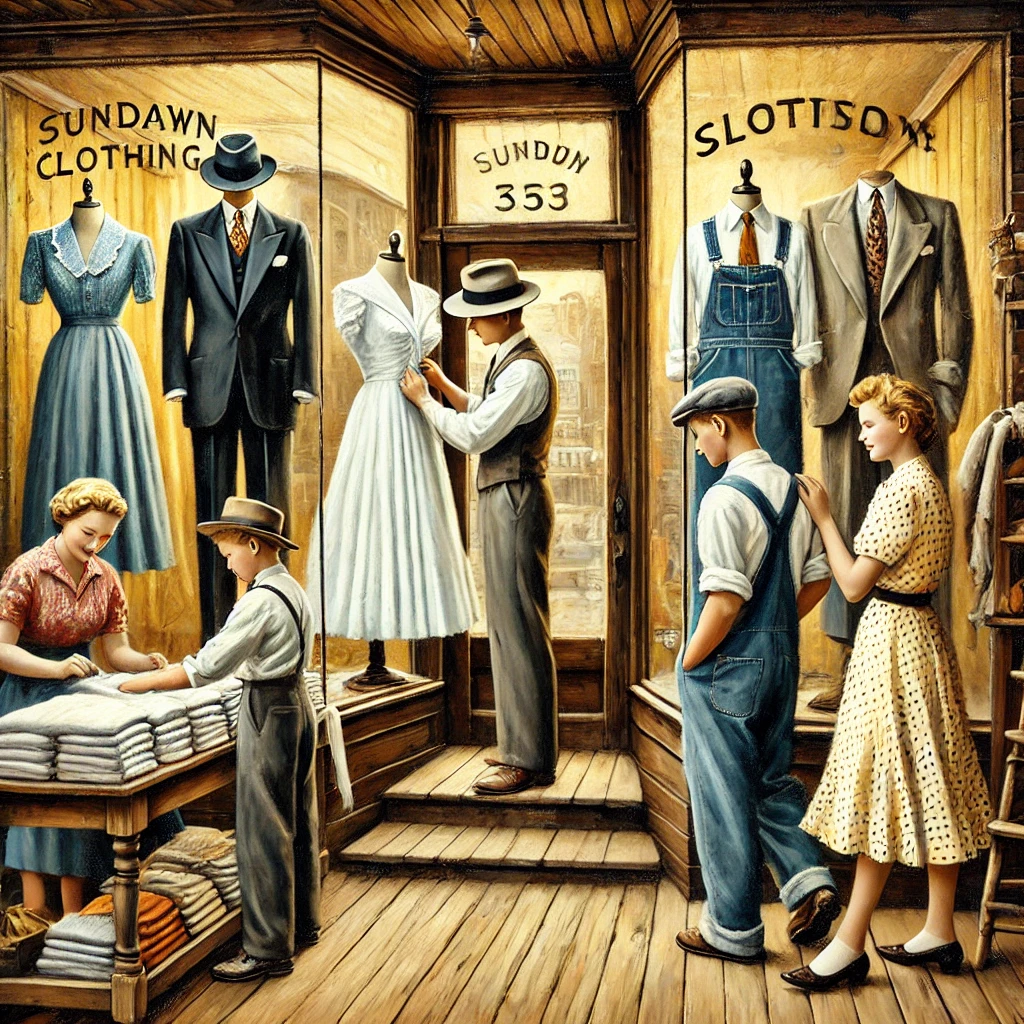
When a family decides to shop locally during a tax holiday, it’s not just about saving a few bucks. It’s about supporting their neighbor’s dreams, the shop owner who stays late after hours to ensure every product shines and every customer leaves with a smile. This connection transforms simple transactions into meaningful exchanges, fostering a sense of belonging that is vital in rural settings. It touches the heart, reminding us that our purchasing decisions hold power—you’re not just buying a product; you’re investing in a story, a family, a future.
Rationally, these tax holidays provide a significant boost to local economies. Business owners can offer promotions and discounts that draw in more customers. This uptick in sales often translates into the hiring of new employees, who bring energy and passion into the workplace while spreading the word about the local gems that dot the landscape of Dunlap. Each community member’s choice to shop locally becomes a vote for economic vitality, an ethical stance for sustaining local businesses in an age where larger corporations threaten to overshadow them.
The authority of these tax incentives lies in the numbers and the narratives that accompany them. Local chambers of commerce and business leaders champion these events, showcasing their positive impacts through data-driven stories that resonate. During these holidays, the streets are filled with activity, laughter, and connection, creating a bustling marketplace where neighbor meets neighbor, and friendships are kindled anew. This environment encourages social engagement, reinforcing a sense of trust within the community—trust that the money spent here circulates back, fostering growth and opportunity for all.
In this harmonious blend of emotion, reason, and ethical responsibility, rural businesses harness the power of tax holidays to create not just profit, but a lively, connected, and resilient community. In Dunlap, these periods of reprieve from taxes ignite opportunities that remind us all of the collective strength found in our shared journeys.

How Do Rural Businesses Leverage Tax Holidays to Boost Sales?
How Do Rural Businesses Leverage Tax Holidays to Boost Sales?
- Tax holidays in Dunlap, Tennessee, provide essential support for local businesses, allowing them to thrive.
- These periods promote community pride and social vibrancy by lifting the tax burden on entrepreneurs.
- Shopping locally during tax holidays fosters meaningful connections and supports neighbors’ dreams.
- Increased sales during these events allow business owners to offer promotions and hire new employees.
- Local shopping is an ethical choice that supports economic vitality against larger corporations.
- Chambers of commerce and business leaders highlight the positive impacts of tax holidays through data-driven narratives.
- Tax holidays create a vibrant marketplace, encouraging social engagement and community trust.
How Do Rural Businesses Leverage Tax Holidays to Boost Sales?
Conclusion
Sales tax holidays in rural Tennessee, particularly in towns like Dunlap, are more than just fleeting fiscal breaks; they are fundamental to the lifeblood of the community. These events generate a palpable excitement that extends beyond mere discounts, galvanizing local businesses and reinforcing the bonds woven into the very fabric of small-town life. When families walk into their favorite local shops during these holidays, they are not merely exchanging money for goods; they are investing in their neighbors’ dreams and supporting a vital social network.
Every dollar spent locally recirculates, benefiting jobs, schools, and charities, reinforcing a stronger communal identity. There’s an emotional connection at play, a sense of belonging fostered by relationships built over years. The local store owner knows not just names but stories, making every transaction a personal investment in one another’s well-being. This is where the heart of rural Tennessee thrives, rooted in mutual support and shared experiences.
Rationally speaking, sales tax holidays allow rural businesses to compete with larger retail outlets and online giants—testing the economic pulse of the community. These tax breaks can catalyze increased foot traffic and sales, bringing a welcome opportunity for cash flow when margins are typically thin. Additionally, these local businesses create a ripple effect of job creation, as increased sales can lead to hiring more employees, thus bolstering the local economy.
Ethically, the choice to support local businesses during tax holidays is a declaration of values. It’s not just about the money—it’s a commitment to sustain the unique character of the town. Supporting local enterprises isn’t just good policy; it reflects a sense of responsibility to ensure that every business has a fair chance to thrive in a landscape often dominated by larger entities.
The authority of these tax incentives must be wielded carefully. While they offer short-term relief, it’s essential to consider the long-term implications. The local government has a role in nurturing an environment where small businesses can flourish without becoming overly reliant on incentives, which can entrench inequities.
Ultimately, participating in sales tax holidays isn’t merely a financial maneuver; it’s an investment in the community’s collective future. As residents choose to support their local businesses, they strengthen the bonds that keep Dunlap and similar towns thriving. In every local purchase, there’s a story of resilience and a shared journey that transcends the commercial—one that is about coming together in support of the community and ensuring that the heart of rural Tennessee beats strong for generations to come.

Conclusion
Conclusion:
- Sales tax holidays in rural Tennessee, such as in Dunlap, are crucial for community vitality.
- These events foster excitement, supporting local businesses and enhancing community bonds.
- Spending at local shops is an investment in neighbors’ dreams and a social network.
- Local spending recirculates, benefiting jobs, schools, and charities, strengthening community identity.
- Sales tax holidays help rural businesses compete with larger retailers and online giants.
- Supporting local businesses reflects a commitment to sustain the town’s unique character and values.
- Participation in sales tax holidays is an investment in the community’s future and resilience.

Conclusion
Other Resources

Other Resources
Here is a list of other resources you can review online to learn more:
- Friends Of The Park Of Sequatchie County
- S & J RV Park
- Red Hill Community Church
- Diane Mahoney, EA
- Rent-A-Center (15195 Rankin Ave, Dunlap, TN)
- Cain Development
- Intoxalock (6100 SR28, Dunlap, TN)
- Andy’s Pizza and Steakhouse
- Word of Life Assembly of God
- Walgreens
- FedEx OnSite
- OYO Hotel Cleveland, TN
- Accident Attorneys Greer, Swafford & Adams
- AUSTIN POWDER COMPANY
- La Quinta Inn & Suites by Wyndham Chattanooga North – Hixson
Use This Prompt To Get More Resources With Your Favorite Online AI Tool: Please provide me with a list of online articles with their URLs in a bulleted list that I can read regarding Sales Tax Holidays – Understanding Incentives for Rural Businesses In Rural Tennessee

Other Resources
Glossary Terms
Sales Tax Holidays – Understanding Incentives for Rural Businesses In Rural Tennessee – Glossary Of Terms
1. Sales Tax Holiday: A temporary period during which certain purchases are exempt from sales tax, aimed at encouraging consumer spending.
2. Rural Businesses: Enterprises located in non-urban areas, often focusing on agriculture, manufacturing, and local services.
3. Incentives: Benefits or advantages provided to stimulate economic activity, such as reduced taxes or subsidies.
4. Economy: The system of production, distribution, and consumption of goods and services in a particular area or country.
5. Exemption: A release from an obligation or rule, such as the requirement to pay sales tax on specific items.
6. Consumer Spending: The total amount of money spent by households on goods and services in a given time period.
7. Local Government: The administration of a specific municipality or region, responsible for policies affecting local businesses and community services.
8. Small Business: An independently owned business with a small number of employees and relatively low volume of sales.
9. Tax Policy: Government regulations governing the taxation structure, including rates and exemptions applicable to businesses and individuals.
10. Retail: The sale of goods to the public, typically in small quantities for consumption rather than for resale.
11. Promotion: Marketing strategies designed to increase awareness and sales of products or services.
12. Fiscal Stimulus: Government measures, typically involving increased public spending or tax cuts, to encourage economic growth.
13. Market Demand: The total quantity of a product or service that consumers are willing and able to purchase at various prices.
14. Economic Development: Initiatives and policies aimed at improving the economic well-being and quality of life in a specific area.
15. Productivity: The efficiency of production, often measured as the output of goods and services per unit of input.
16. Supply Chain: The network of entities involved in producing and delivering a product or service to consumers.
17. Retail Sales: Transactions in which goods or services are sold directly to consumers.
18. Consumer Behavior: The study of how individuals select, purchase, use, and dispose of goods and services.
19. Tax Incentive: A favorable tax treatment granted to businesses to stimulate economic activity, such as reduced tax rates or credits.
20. E-commerce: Buying and selling of goods and services through electronic networks, mainly the internet.
21. Investment: The allocation of resources, usually money, into assets with the expectation of generating income or profit.
22. Public Policy: Decisions and actions taken by government to address societal issues, including taxation and economic incentives.
23. Community Engagement: Involvement of local residents in decision-making processes affecting their neighborhoods and businesses.
24. Business Growth: The increase in size or market presence of a business, achievable through various strategies, including sales tax holidays.
25. Infrastructure: The physical structures and facilities needed for the operation of a society, including transportation and utilities.
26. Workforce: The group of individuals engaged in or available for work in a particular industry or area.
27. Regulatory Environment: The set of laws and regulations that shape the operational landscape for businesses.
28. Entrepreneurship: The process of starting and operating a new business, often involving risk-taking and innovation.
29. Financial Viability: The ability of a business to generate enough revenue to meet its expenses and sustain operations over time.
30. Tax Revenue: The income that governments receive from taxation, which can be used to fund public services and initiatives.

Glossary Of Terms
Other Questions
Sales Tax Holidays – Understanding Incentives for Rural Businesses In Rural Tennessee – Other Questions
If you wish to explore and discover more, consider looking for answers to these questions:
- When exactly do Tennessee sales tax holidays occur and how often are they scheduled?
- Which specific items are exempt during Tennessee sales tax holidays (clothing, school supplies, electronics, etc.)?
- Are there price limits or thresholds for exempt items during the tax holiday?
- Do tax holidays apply to online purchases, curbside pickup, and out‑of‑state orders?
- Are services (repairs, installations, grooming, etc.) included or excluded from tax holiday exemptions?
- How do sales tax holidays affect sales tax collection and revenues for local governments and schools in Dunlap?
- Does the state or county reimburse localities for revenue lost during tax holidays?
- How do large chain retailers benefit compared with small rural businesses during these events?
- Do sales tax holidays simply shift purchase timing or do they produce net increases in annual sales?
- What evidence or data exist showing the short‑ and long‑term economic impacts on rural towns like Dunlap?
- How can a small business in Dunlap prepare inventory, staffing, and pricing for a tax holiday?
- What marketing and promotional strategies are most effective for rural businesses during tax holidays?
- Are there eligibility requirements or registration steps merchants must follow to participate?
- How should businesses handle point‑of‑sale systems and bookkeeping to reflect tax holiday exemptions?
- What enforcement mechanisms exist to prevent abuse or misreporting during tax holidays?
- What penalties apply if a seller charges tax incorrectly during the holiday?
- How do tax holidays influence hiring, seasonal employment, and wages in small communities?
- Do tax holidays create dependency on temporary incentives and undermine long‑term competitiveness?
- What alternative or complementary incentives might better support sustained rural economic development?
- How can local leaders design incentive policies that protect small, independent businesses?
- What ethical issues arise from offering tax incentives to some businesses and not others?
- How can communities measure the return on investment (ROI) of hosting or promoting tax holiday events?
- What data should municipalities collect before and after tax holidays to evaluate impact?
- How do tax holidays affect consumer behavior and long‑term shopping habits in rural areas?
- What role can chambers of commerce, downtown associations, and nonprofits play in maximizing benefits?
- How can consumers calculate their real savings during a tax holiday versus regular discounts or sales?
- Can businesses legally combine manufacturer coupons, in‑store discounts, and tax holiday exemptions?
- How do cross‑border or out‑of‑town shoppers influence local economic gains during the holiday?
- Are there successful case studies from other rural Tennessee towns that Dunlap can model?
- What metrics (sales volume, foot traffic, employment, tax receipts) best indicate success?
- How should local governments communicate tax holiday rules clearly to both consumers and merchants?
- What training or resources are available for small retailers to comply with holiday tax rules?
- How might tax holidays impact online marketplaces and third‑party sellers registered in Tennessee?
- What long‑term strategies can communities employ to convert temporary holiday shoppers into regular local customers?
- How do tax holidays interact with other local or state incentive programs and zoning/permit rules?

Other Questions
Haiku
Sales Tax Holidays – Understanding Incentives for Rural Businesses In Rural Tennessee – A Haiku
Local shops come alive,
Tax breaks fuel community,
Hearts weave through each sale.

Haiku
Poem
Sales Tax Holidays – Understanding Incentives for Rural Businesses In Rural Tennessee – A Poem
In Tennessee’s heart, where small dreams grow,
Sales tax holidays spark a vibrant glow.
Dunlap thrives, where laughter fills the air,
Local shops beckon, folks gather with care.
Each dollar spent weaves a community’s thread,
Jobs and schools flourish, where local love spreads.
These moments of joy, not just savings on tags,
Foster connections—no need for high tags.
Ethics remind us to nurture our kin,
Supporting small businesses, where hope begins.
Stories of struggle echo through the streets,
Each shop a refuge, where familiarity greets.
Yet caution we take, for the stakes are high,
Big chains may lure, while small shops might die.
Do we invest in what keeps our towns strong,
Or trade deep connections for fast bargains long?
Tax breaks can promise a joyful embrace,
But transparent governance must hold its place.
For true community thrives on trust and respect,
In the dance of commerce, let fairness connect.
So celebrate holidays, gather and cheer,
With each local purchase, let intentions be clear.
Building a legacy that’s vibrant and bright,
In Dunlap’s embrace, we find our true might.

Poem
Checklist
Sales Tax Holidays – Understanding Incentives for Rural Businesses In Rural Tennessee – A Checklist
Checklist for Sales Tax Holidays: Engaging the Heart, Head, and Gut
Emotional Appeals
1. Connect with Community: Reflect on how shopping locally supports neighborhood relationships and fosters a sense of belonging.
2. Celebrate Local Stories: Share the stories of local business owners and their contributions to the community.
Rational Appeals
3. Assess Economic Impact: Evaluate the economic benefits of local spending during tax holidays, including potential job creation and support for local services.
4. Analyze Sales Trends: Review data on sales increases during previous tax holidays to understand potential outcomes.
Ethical Appeals
5. Prioritize Fairness: Consider the ethical implications of tax incentives and their effects on small businesses versus larger competitors.
6. Support Sustainable Practices: Promote the importance of sustainability in local commerce during tax holidays.
Authority Appeals
7. Engage Local Leaders: Involve community leaders in promoting local businesses during tax holidays to build trust and authority.
8. Leverage Expert Opinions: Utilize testimonials from local business owners and economic analysts on the benefits of shopping local.
Narrative Appeals
9. Share Personal Experiences: Encourage storytelling about past shopping experiences that highlight the community spirit and individual connections.
10. Document Community Events: Create a narrative around community events that coincide with tax holidays, emphasizing shared experiences and local pride.
Social Appeals
11. Encourage Community Participation: Foster a culture of participation where locals invite friends and family to shop together during tax holidays.
12. Promote Local Success Stories: Highlight successful local businesses that thrive during tax holidays to inspire and engage others.

Checklist
At Dunlap Directory, we help Dunlap, Tennessee, business tell stories and market and sell their products and services.
Please share this post with your friends, family, or business associates who may want help telling the stories of their legacy.


