








Adapting Local Museums For The AI Era
By Tom Seest
At Dunlap Directory, we help Dunlap, Tennessee, business tell stories and market and sell their products and services.
Please share this post with your friends, family, or business associates who may want help telling the stories of their legacy.
How Can Local Museums Stay Visible In The Online World In The Age Of AI?
Local museums, like those dotting the landscape of Dunlap, Tennessee, have a sacred duty: to preserve not only history but the very soul of the community. In a world increasingly dominated by the swift currents of AI and the digital tide, these repositories of culture must find new ways to stay visible and relevant. It’s a weighty challenge, but one ripe with opportunity for connection and discovery.
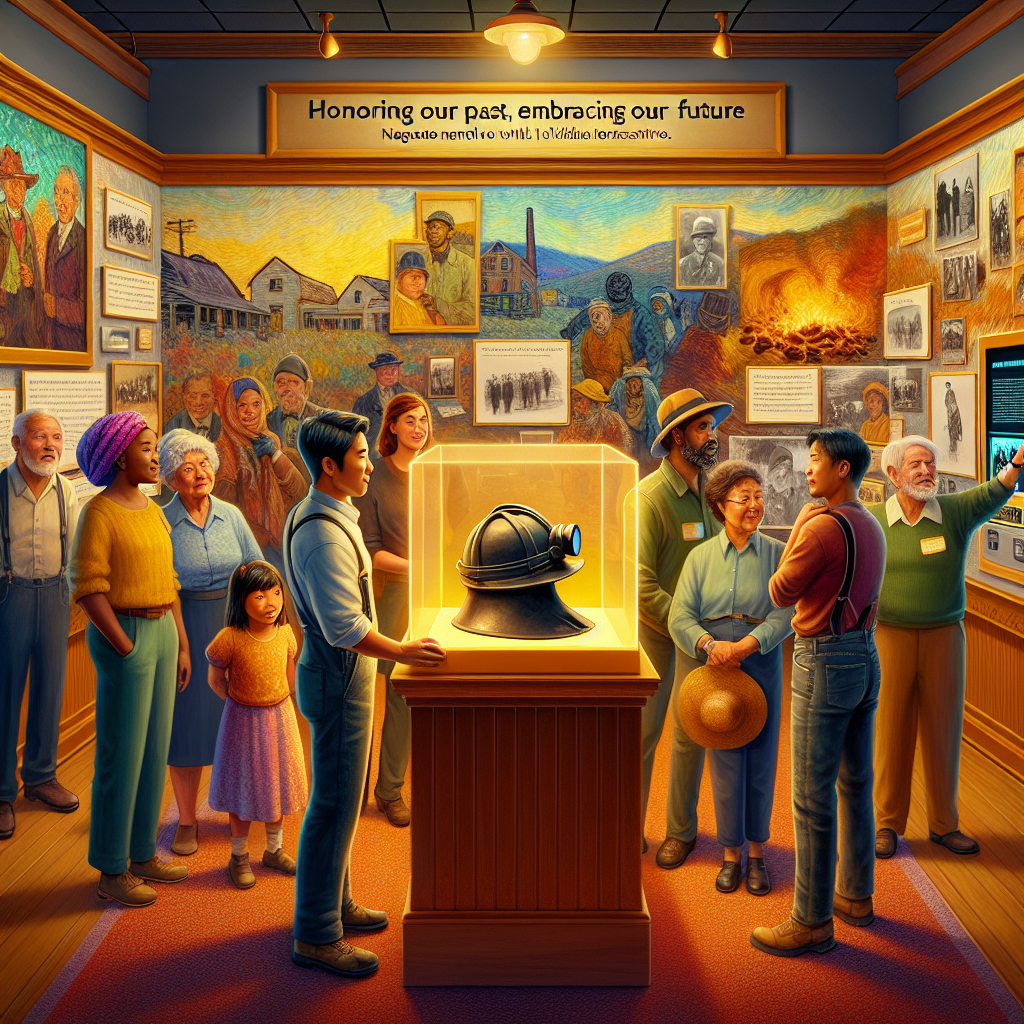
Imagine the heart of the community pulsing through the halls of a small museum, where stories of triumph, struggle, and resilience linger in the air. Every exhibit is a chapter in the story of who we are—a living narrative that deserves to be told, shared, and passed down through generations. By embracing digital platforms, museums can invite the world into their narrative without losing the essence of their place in Dunlap. Virtual tours, live-streamed events, or interactive social media content can bring those dusty artifacts alive, merging education with entertainment.
From a practical standpoint, building an online presence isn’t just a nice addition; it’s essential for survival. The data is undeniable: people are spending more time online than ever before. Crafting an engaging online persona doesn’t merely attract visitors; it cultivates a community. Museums can tap into local influencers or collaborate with schools to reach a wider audience, transforming their spaces into buzzing hubs of interest and activity.
But it isn’t a leap for the faint-hearted. It requires an ethical commitment to authenticity. Museums hold treasures that tell the truth of our cultural fabric, and that integrity needs to shine through in the digital realm. Sharing stories of local artists, historical figures, or even ordinary folks who made an extraordinary impact fosters pride and connections. When people see themselves represented in the tapestry of history, trust builds—as does loyalty.
We can’t overlook the power of narrative, either. Every exhibit in Dunlap tells a story waiting to be unfolded. Engaging storytelling on digital platforms can weave these narratives into the daily lives of community members. These stories don’t just belong to the past; they breathe life into the present, connecting people across generations.
Ultimately, it’s not only about staying visible in an online world; it’s about forging genuine connections with the world around us, breathing new life into the stories that define us and ensuring that the pulse of Dunlap and its history continues to be felt both online and offline. It’s time for local museums to get creative, get connected, and let their stories resonate far beyond their walls.

How Can Local Museums Stay Visible In The Online World In The Age Of AI?
How Can Local Museums Stay Visible In The Online World In The Age Of AI?
- Local museums in Dunlap, Tennessee, have a vital role in preserving community history and culture.
- Amidst advancing AI and digital trends, museums must innovate to remain visible and relevant.
- Each exhibit at these museums serves as a chapter in the community’s narrative, worthy of sharing across generations.
- Utilizing digital platforms like virtual tours and social media can enhance engagement and accessibility.
- An online presence is essential for survival, attracting visitors and fostering community connections.
- Museums should commit to authenticity, sharing stories of local impact and representation to build trust and loyalty.
- Engaging storytelling can link the past to the present, creating connections across generations and revitalizing local history.

How Can Local Museums Stay Visible In The Online World In The Age Of AI?
Table Of Contents
- How Can Local Museums Stay Visible In The Online World In The Age Of AI?
- What Unique Stories Can Your Museum Share To Captivate Visitors?
- How Can Local Museums Leverage AI To Enhance Visitor Engagement?
- What Ethical Implications Arise When Using AI For Museum Curation?
- What Role Do Local Communities Play In Supporting Museum Visibility?
- How Can Virtual Tours Bridge The Gap To Distant Audiences Effectively?
- Conclusion
- Other Resources
- Glossary Of Terms
- Other Questions
- Haiku
- Poem
- Checklist
What Unique Stories Can Your Museum Share To Captivate Visitors?
Every museum holds within its walls a treasure trove of stories waiting to unfurl, tales that connect us to our past, present, and future. Take, for instance, Dunlap, Tennessee—a place where the echoes of history resonate deeply. Here, the ordinary meets the extraordinary, and every artifact has a narrative worth sharing.
Imagine walking through the exhibits, feeling the weight of a worn leather boot that once belonged to a coal miner, a flicker of determination embedded in its scuffs. This isn’t just footwear; it’s a testament to the resilience of a community. As visitors huddle around these stories, they discover how the grit of Dunlap’s workers shaped their town and transformed the landscape of American industry. This is the kind of connection that transcends time, the kind that ignites a fire in the gut and reminds us of the collective struggles and triumphs that define our humanity.
But beyond individual tales lies a web of narratives that intertwine with broader historical themes. In Dunlap, the heritage of the Appalachian culture weaves through the fabric of national narratives—stories of migration, labor, and innovation. By sharing these threads, your museum can not only captivate the heart but also engage the rational mind. Data and statistics can show the transformation of Dunlap over decades, yet it’s the personal accounts—the anecdotes that bring numbers to life—that will truly resonate.
Moreover, museums can serve as ethical platforms, inviting discussions about justice, preservation, and community values. What does it mean to preserve a heritage while paving the way for progress? The ethics of memory invite reflection and dialogue, making your institution not only a place to visit but a catalyst for change and understanding.
Engaging the authority of local historians or featuring community voices highlights the authenticity of these stories. By bringing in scholars or long-time residents to share their experiences, your museum can become a gathering place for ideas and perspectives—a true reflection of Dunlap’s diverse narrative.
When visitors leave, they’ll carry a piece of Dunlap with them, inspired by the stories of perseverance, community, and hope. They won’t just walk away with knowledge; they’ll feel a connection that invites them to return, to dive deeper into the rich tapestry of history that defines us all. This is how museums can move beyond educational spaces and become vital threads in the social fabric of our lives.

What Unique Stories Can Your Museum Share To Captivate Visitors?
What Unique Stories Can Your Museum Share To Captivate Visitors?
- Museums hold significant stories connecting us to our past, present, and future.
- Dunlap, Tennessee, serves as an example where history resonates deeply through artifacts.
- Items like worn leather boots represent the resilience of a community and its impact on American industry.
- Broader historical themes of migration, labor, and innovation intertwine with local narratives in Dunlap.
- Museums can engage visitors emotionally through personal anecdotes that complement data and statistics.
- They act as ethical platforms for discussions about justice, preservation, and community values.
- Involving local historians and community voices enhances authenticity and encourages connections among visitors.

What Unique Stories Can Your Museum Share To Captivate Visitors?
How Can Local Museums Leverage AI To Enhance Visitor Engagement?
Local museums, much like the cherished small towns we pass through—like Dunlap, Tennessee—are treasure troves filled with stories waiting to be unearthed. Imagine walking into a local museum and feeling a flicker of excitement as an artificial intelligence guide greets you, tailored to your interests and curiosity. This is the future of visitor engagement, where technology meets local passion, propelling museums into the hearts and minds of every visitor.
Picture a family entering a quaint museum, their anticipation palpable. An AI tool could provide personalized itineraries based on their interests, from the ancient artifacts that echo our past to the local folklore that shapes community identity. It’s more than efficiency; it’s about creating a connection. The AI can engage the kids with interactive quizzes while offering historical narratives to adults, drawing everyone into a shared experience that fosters discussion long after the day is done.
We all crave connection. That’s what makes us human. A well-executed AI strategy can transform cold data into warm conversations. By analyzing visitor preferences, museums can curate exhibits that resonate deeply, inviting patrons to explore themes often overlooked. Local artists and historians can collaborate with AI developers to craft deeper narratives reflecting the spirit of their community. This collaboration not only honors ethical and cultural considerations but also likens museums to living entities that evolve alongside their patrons.
Trust grows when museums become responsive. By utilizing AI analytics, they can gauge visitor feedback in real-time, adapting exhibits to meet the changing needs and interests of the community. Whether it’s an aging population or a youth-driven crowd, understanding these dynamics allows museums to serve all, encouraging inclusivity and reinforcing their role as cultural custodians.
After all, what’s the purpose of a museum? It’s not merely to preserve the past but to invigorate the present. Let’s rally around our local institutions, urging them to embrace technology as a bridge to deeper connections. Imagine the potential—an engaged community, a richer learning environment, and, ultimately, lasting memories. So here’s to the future of our local museums, may they thrive amidst the advancements of AI, serving as the heartbeat of towns like Dunlap, Tennessee. Let’s equip them not just for survival, but for a robust and vibrant sharing of stories worth telling.

How Can Local Museums Leverage AI To Enhance Visitor Engagement?
How Can Local Museums Leverage AI To Enhance Visitor Engagement?
- Local museums, like small towns, are treasure troves of untold stories.
- AI technology can personalize visitor experiences by providing tailored itineraries and interactive engagements.
- AI can bridge generational gaps, offering engaging content for both children and adults.
- Effective AI strategies can transform data into meaningful conversations and connections.
- Collaboration between local artists, historians, and AI developers can create deeper community narratives.
- Museums can use AI to adapt exhibits based on real-time visitor feedback, promoting inclusivity.
- The goal of museums is to invigorate the present while preserving the past, fostering connections within the community.

How Can Local Museums Leverage AI To Enhance Visitor Engagement?
What Ethical Implications Arise When Using AI For Museum Curation?
In the dusty halls of museums, where stories of old whisper through timeworn artifacts, the arrival of AI has sparked both excitement and concern. Consider a small museum in Dunlap, Tennessee, where local storytellers once curated collections with heart and soul. Their original intent was to connect generations, to share a narrative, a slice of life that only art can convey. But as algorithms and machine learning step in, a pivotal question arises: Are we losing the essence of humanity in our storytelling?
The use of AI in museum curation offers a dazzling array of possibilities. Imagine an algorithm that immerses visitors in tailored experiences, recommending artifacts based on individual preferences and past interests. But hold on—what about the human touch? Curation used to be a conversation, a dialogue between past and present, curator and visitor. When an algorithm becomes the gatekeeper of our history, do we risk erasing the very voices that shaped it?
The ethical implications here aren’t just a checkbox on a corporate report. They dig deep into our collective identity. A computer does not feel; it does not understand the cultural significance of a piece the way a human does. The risk is palpable. Are we willing to allow an invisible hand to dictate which artworks resonate with our emotions and carry our stories forward? This is not just about data; it’s about dignity, respect, and the authenticity that our ancestors fought to preserve.
Moreover, there’s the question of access—who programs these algorithms? Power dynamics in technology can lead to biases, leaving out entire narratives, particularly from marginalized communities. Imagine if the rich tales of Dunlap’s history were buried beneath layers of algorithmic indifference. That’s not just unethical; it’s a disservice to the legacy we must protect.
So, as we wade into this digital frontier, let’s ensure we’re embracing technology without letting it overshadow the human condition. Museums should remain a community’s heart, a place where stories live and breathe. Together, we can advocate for an AI that enhances, rather than replaces, the narrative, allowing technology to serve as a bridge rather than a gulf. In this journey, it’s our stories that should take center stage, ensuring the soul of our history is never traded for convenience.

What Ethical Implications Arise When Using AI For Museum Curation?
What Ethical Implications Arise When Using AI For Museum Curation?
- The introduction of AI in museums has generated excitement and concern regarding the essence of storytelling.
- AI could offer personalized visitor experiences, but it risks losing the human touch in curation.
- There’s a concern that algorithms might erase the voices that have historically shaped narratives.
- Ethical implications of AI extend to our collective identity and cultural significance.
- Who programs the algorithms raises issues of power dynamics and potential biases against marginalized communities.
- Museum curation should prioritize human connection while integrating technology thoughtfully.
- The goal is to ensure technology enhances the storytelling experience without overshadowing human narratives.

What Ethical Implications Arise When Using AI For Museum Curation?
What Role Do Local Communities Play In Supporting Museum Visibility?
Local communities are the lifeblood of museums, transforming these spaces from mere repositories of artifacts into vibrant, pulsating centers of culture and connection. Take Dunlap, Tennessee, for example—this small town is home to the Sequatchie Valley Museum, a place where stories of everyday heroes are preserved, and where history is not just watched; it’s lived. Community support plays a pivotal role in bringing visibility to such institutions, fostering pride in local heritage while attracting visitors seeking authentic experiences.
When local residents embrace a museum, they weave a tapestry of narratives that reflect not only their personal histories but also their collective identity. This is not an abstract concept. Imagine a group of kids from Dunlap, their eyes wide with wonder as they explore exhibits filled with artifacts they’ve only heard about from their grandparents. This emotional connection is where the heart of community involvement pulses strongest. It’s the joy of seeing their hometown’s story come to life, instilling a sense of belonging and purpose in the narrative fabric of their lives.
But it’s not just about feelings; it’s also about facts and figures. Economically speaking, museums can act as driving forces in local economies. Increased visibility can lead to tourism, drawing in visitors who will support local businesses. This rational appeal is key in showing that a community’s investment in its museum can yield significant returns—financially and socially. It’s about sustaining community vitality, creating jobs, and fostering an environment where culture is celebrated and preserved.
Ethically, supporting local museums signals a commitment to preserving history for future generations. It shows that communities value their stories and want their rich legacies honored. This moral responsibility binds residents together, nurturing a sense of stewardship over their collective heritage.
Then there’s the social aspect. Every exhibit, every artifact, creates a platform for dialogue and connection. Community events, workshops, and lectures bring folks together, fostering relationships that might not have otherwise blossomed. In a world where digital interactions often overshadow face-to-face connections, local museums can create spaces for real conversations, genuine laughter, and shared experiences.
In Dunlap, as in countless towns across the nation, the visibility of a museum is a reflection of the community’s heart, economy, ethical compass, and social fabric. By rallying around these cultural pillars, residents not only honor their past but also build a brighter future, encouraging everyone to look forward with pride, curiosity, and a profound sense of shared identity.

What Role Do Local Communities Play In Supporting Museum Visibility?
What Role Do Local Communities Play In Supporting Museum Visibility?
- Local communities enhance museums, transforming them into centers of culture and connection.
- The Sequatchie Valley Museum in Dunlap, Tennessee, exemplifies how local stories and heroes are preserved.
- Community involvement fosters pride in local heritage and attracts visitors seeking authentic experiences.
- Museums create emotional connections and a sense of belonging for local residents.
- Economically, museums can boost local economies by increasing tourism and supporting local businesses.
- Ethically, supporting museums demonstrates a commitment to preserving history for future generations.
- Museums serve as platforms for social interaction, facilitating dialogue and connections among residents.

What Role Do Local Communities Play In Supporting Museum Visibility?
How Can Virtual Tours Bridge The Gap To Distant Audiences Effectively?
In the heart of Dunlap, Tennessee, where the mountains cradle small-town charm, a new frontier is emerging. Picture yourself walking through a local gallery, art hanging in vibrant hues, each piece a window into the soul of the community. But what if your feet can’t tread those sacred floors? That’s where virtual tours step in to bridge the distance, inviting the world to experience it all, no matter where they reside.
Imagine a single mother in New York, scrolling through her phone. She stumbles upon a virtual tour of a bustling farmer’s market in Dunlap, where laughter intertwines with the scent of ripe strawberries and freshly baked bread. Each click pulls her deeper into this experience—she feels the warmth of the sun, hears the lively chatter, and connects with the vendors who have poured their hearts into their craft. It’s more than just visuals; it’s a full sensory experience that connects people who might never meet face-to-face.
This technology isn’t merely about exploration; it’s about democratizing access. In a world where opportunities can feel distant, virtual tours provide access equal to everyone. It nurtures curiosity and engagement across social lines, empowering individuals and communities to lace together their stories and share their heritage. Those in Dunlap can showcase their history and passion, while distant audiences can engage with something genuine and raw, fostering understanding and empathy.
Moreover, let’s be real—the ethical draw of sharing culture and experiences can’t be ignored. With nothing but a smartphone, the stories of this Tennessee enclave can be magnified to captivate a global audience. It’s a call to celebrate diversity, where every click echoes the spirit of inclusion, recognizing that every voice matters.
Virtual tours also harness authority—not just technology, but the age-old storytelling tradition. When a local artist takes you through his studio, sharing the trials and triumphs of his craft, you’re not just seeing art; you’re feeling a story, one that resonates with your own experiences. It bridges divides, allowing people to invest emotionally and rationally in what they see.
As we unearth a new way to connect, it inspires action. Those virtual journeys can ignite travel plans, support local businesses, and build a thriving community that loves where it lives. So whether you’re in Dunlap or a thousand miles away, take a moment to join the tour. Feel that connection, because it’s never been easier to find a piece of home, no matter where you are.

How Can Virtual Tours Bridge The Gap To Distant Audiences Effectively?
How Can Virtual Tours Bridge The Gap To Distant Audiences Effectively?
- Dunlap, Tennessee, offers small-town charm and artistic vibrancy through local galleries.
- Virtual tours allow global access to community experiences, bridging the gap for those unable to visit in person.
- Engaging with local farmer’s markets through virtual experiences fosters a sensory connection with distant audiences.
- Virtual tours democratize access to cultural experiences, encouraging curiosity and understanding across social lines.
- These tours highlight the importance of sharing culture, promoting diversity and the value of every voice.
- Storytelling through virtual experiences enhances emotional connections and allows for deeper engagement with local artisans.
- These virtual journeys can inspire tangible actions like travel plans and support for local businesses, fostering community growth.

How Can Virtual Tours Bridge The Gap To Distant Audiences Effectively?
Conclusion
Local museums are the heartbeats of their communities, preserving stories that shape our identities and echo through time. In this age of artificial intelligence and digital connectivity, museums like those in Dunlap, Tennessee, face the unique challenge of staying relevant and visible. Yet, this challenge presents a tremendous opportunity for creativity and connection. Each museum holds a wealth of narratives, artifacts imbued with the spirit of resilience and triumph that deserve to be shared in ways that resonate with today’s audiences.
Embracing digital platforms can transform how these local centers display their rich histories. Virtual tours and social media engagements can rejuvenate dusty exhibits, inviting the world in while keeping the essence of local culture intact. Such efforts aren’t just enhancements; they’re essential for survival in a landscape where our collective attention is increasingly diverted online. By tapping into local influencers and educational institutions, museums can expand their reach and vitality, turning into vibrant hubs of interest and activity.
Authenticity must remain the guiding principle in this digital transition. The integrity of the stories shared—whether about local artists or historical events—cultivates community pride and trust. When museums honor the richness of their narratives, visitors form connections that last far beyond a single trip. Real engagement occurs through the stories that interweave personal and communal experiences. That’s where trust and loyalty grow, fortifying the museum’s role as a cultural custodian.
The promise of AI also brings forth ethical considerations that should not be ignored. While technology can enhance visitor experience through personalized engagement, it raises questions about the essence of storytelling. Local voices and human connection cannot be lost in algorithms and data. It’s crucial to maintain a balanced dialogue between innovation and integrity. The stories of Dunlap must be told by those who embody its spirit.
Communities play a pivotal role in ensuring the visibility of their museums, reinforcing the idea that these institutions are not just places to visit but vital threads in the social fabric. Through workshops, events, and collaborations, local heritage becomes an interactive celebration, stimulating economic growth and fostering pride. By supporting their museums, residents weave a tapestry of narrative that reflects a shared identity.
Ultimately, as local museums adapt to our increasingly digital world, they must do so with creativity, connectivity, and an unwavering commitment to the heart of their stories. A collaborative approach that respects history while embracing technology can breathe new life into the cultural narratives that define us—ensuring that the pulse of places like Dunlap continues to resonate loudly, both online and offline.
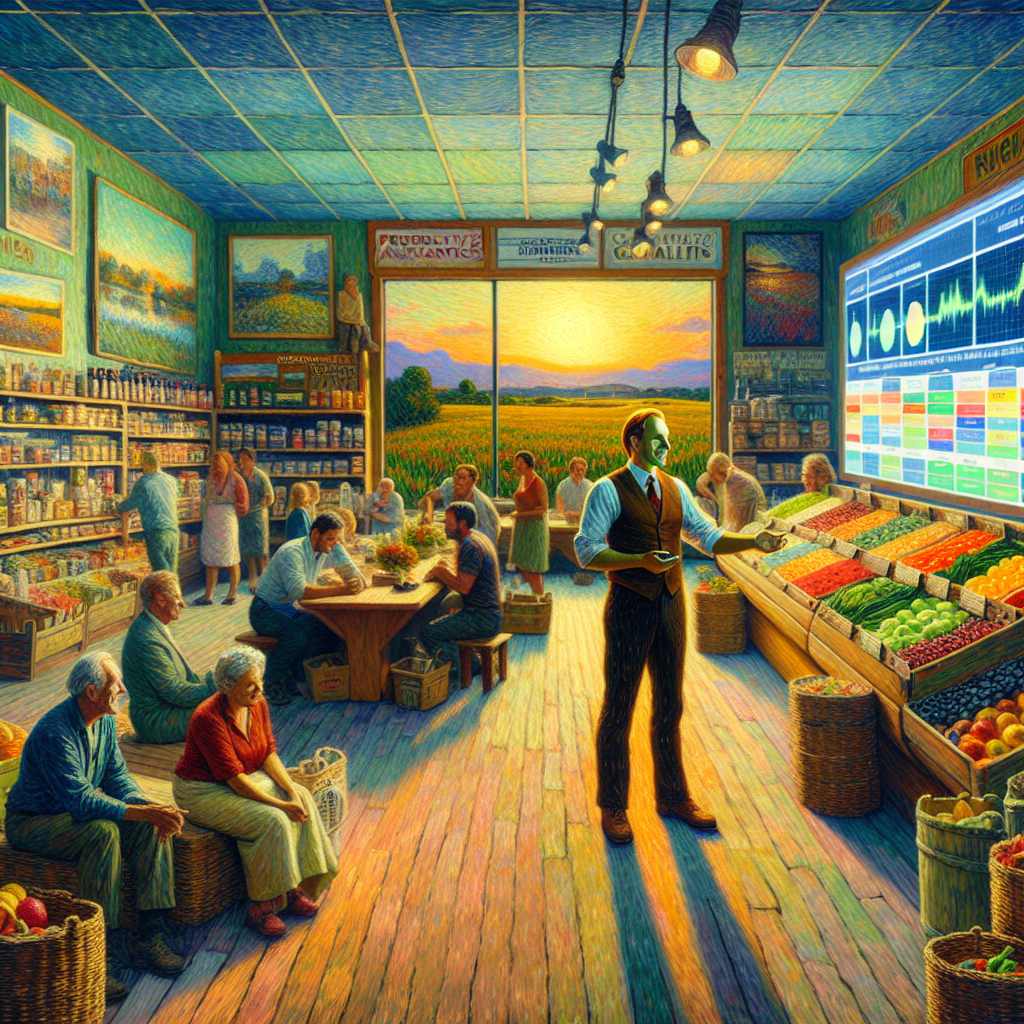
Conclusion
Conclusion:
- Local museums preserve community stories, shaping identities and echoing through time.
- Museums in Dunlap, Tennessee face the challenge of staying relevant in a digital age, presenting opportunities for creativity and connection.
- Embracing digital platforms like virtual tours and social media enhances visibility while keeping local culture alive.
- Authenticity and integrity in storytelling cultivate community pride and trust, fostering lasting visitor connections.
- AI can enhance visitor experiences, but ethical considerations must be addressed to preserve local voices and human connections.
- Community engagement through events and collaborations reinforces museums as vital threads in the social fabric, stimulating pride and economic growth.
- Adapting to a digital world requires creativity, connectivity, and a commitment to the authenticity of cultural narratives.

Conclusion
Other Resources

Other Resources
Here is a list of other resources you can review online to learn more:
- Cedar Springs Bakery
- The Old Tar Woodworker
- Flat Mountain Baptist Church
- Rolling Oak Distillery
- Prime Income & Tax Services
- Lincare
- Hall Church Of Christ
- Dunlap Farmers Market
- Huddle House (15352 Rankin Ave, Dunlap, Tennessee)
- S & J RV Park
- Wilson’s Lawn Care, LLC
Use This Prompt To Get More Resources With Your Favorite Online AI Tool: Please provide me with a list of online articles with their URLs in a bulleted list that I can read regarding How Can Local Museums Stay Visible In The Online World In The Age Of AI?

Other Resources
Glossary Terms
How Can Local Museums Stay Visible In The Online World In The Age Of AI? – Glossary Of Terms
1. Accessibility: The degree to which information and resources are available to all users, including those with disabilities.
2. Augmented Reality (AR): Technology that overlays digital information, such as images or sounds, onto the real world, enhancing visitor experiences.
3. Branding: The process of creating a distinct identity for a museum that conveys its mission, values, and offerings.
4. Content Management System (CMS): Software used to create, manage, and modify digital content on a museum’s website.
5. Engagement: The interaction between the museum and its audience, often measured by likes, shares, comments, and participation in events.
6. Exhibitions: Curated displays of artifacts or artwork designed to educate and engage visitors.
7. Hybrid Experience: A blend of in-person and digital offerings, allowing for a more versatile visitor experience.
8. Incident Response: Strategies and plans for handling cybersecurity threats or data breaches that may affect museum operations.
9. Interactive Displays: Digital presentations that allow visitors to engage actively with content, often using touchscreens or mobile devices.
10. Keywords: Terms or phrases that help improve a museum’s search engine optimization (SEO), making it easier for online users to find their content.
11. Marketing: The strategies and tactics used to promote the museum’s offerings and attract visitors, both online and offline.
12. Metrics: Data points used to measure the effectiveness of online initiatives, such as website traffic and social media engagement.
13. Mobile Optimization: Designing digital content to ensure it is easily accessible and functional on smartphones and tablets.
14. Online Exhibitions: Virtual displays that allow users to explore curated content remotely.
15. Outreach: Efforts made by museums to connect with their community and promote their offerings beyond traditional methods.
16. Partnerships: Collaborations with other institutions or organizations to expand reach and share resources.
17. Personalization: Tailoring online experiences for users based on their preferences and behavior to enhance engagement.
18. Social Media: Platforms like Facebook, Instagram, and Twitter that museums use to promote events, share content, and connect with audiences.
19. Sustainability: Practices aimed at minimizing environmental impact, often relevant in exhibition design and operations.
20. Technology Integration: The incorporation of new technologies, such as AI or VR, into museum experiences and operations.
21. User Experience (UX): The overall experience of a user interacting with a museum’s website or digital content, focusing on ease of use and satisfaction.
22. Virtual Reality (VR): Immersive technology that creates a simulated environment for users, often used to enhance educational experiences.
23. Webinars: Online seminars that serve as educational tools for audiences, often featuring experts discussing relevant topics.
24. Web Presence: The overall visibility and branding of a museum on the internet, including its website and social media platforms.
25. Workshops: Interactive training sessions offered by museums to engage the community in hands-on learning experiences.
26. AI-Powered Tools: Applications that utilize artificial intelligence to create personalized content recommendations or streamline administrative tasks.
27. Crowdsourcing: Gathering input, information, or funding from a large group of people, often through online platforms.
28. Digital Archiving: The process of converting physical artifacts into digital formats for preservation and online access.
29. SEO (Search Engine Optimization): Strategies used to improve a website’s visibility in search engine results, enhancing discoverability.
30. Live Streaming: Broadcasting events or discussions in real-time over the internet, allowing remote participation and engagement.

Glossary Of Terms
Other Questions
How Can Local Museums Stay Visible In The Online World In The Age Of AI? – Other Questions
If you wish to explore and discover more, consider looking for answers to these questions:
- What specific digital platforms can museums use to enhance their online presence?
- How can museums effectively measure the success of their online engagement efforts?
- What challenges do museums face in implementing AI technology for visitor engagement?
- How can museums ensure that they maintain authenticity while using AI?
- What are some successful examples of museums that have leveraged AI effectively?
- How can local artists and historians be involved in museum storytelling?
- What types of community programs can museums create to increase local involvement?
- What ethical guidelines should museums follow when using AI for curation?
- How can museums effectively promote their virtual tours to reach a wider audience?
- What role do social media influencers play in boosting museum visibility?
- How can museums provide more accessible experiences for visitors with disabilities?
- What kind of feedback mechanism can museums implement to understand visitor needs better?

Other Questions
Haiku
How Can Local Museums Stay Visible In The Online World In The Age Of AI? – A Haiku
Heritage alive,
Museums bridge time and space,
Hearts, minds, souls unite.

Haiku
Poem
How Can Local Museums Stay Visible In The Online World In The Age Of AI? – A Poem
In the heart of Dunlap, stories weave,
Through the halls where memories breathe.
Museums stand as beacons, bold,
Guardians of history, treasures untold.
Yet, as shadows of AI loom near,
These sacred spaces must adapt, persevere.
Embrace the digital, let voices unite,
With virtual tours that bring hearts to light.
A flicker of hope in leather worn shoes,
The spirit of miners, the dreams they’d choose.
Every artifact whispers of struggles and strife,
A testament to resilience, to the pulse of life.
Community binds us, a tapestry shared,
Every child, every elder, in stories ensnared.
Economy thrives where heritage sings,
A future envisioned, supported by wings.
But let’s tread lightly on data’s terrain,
For in algorithms, humanity’s pain.
Craft narratives rich, where truth does flow,
Ethics of memory demand we bestow.
With local voices, historians greet,
As AI serves, let humanity not retreat.
Curate with heart, connect with intent,
In this digital age, let culture ferment.
So gather, dear town, with passion and pride,
For museums are spaces where voices abide.
From Dunlap to far shores, let history roam,
Together, let’s nurture our stories, our home.

Poem
Checklist
How Can Local Museums Stay Visible In The Online World In The Age Of AI? – A Checklist
Emotional Appeals:
✅ _____ Share impactful stories from local history that resonate with community identity.
✅ _____ Highlight narratives of perseverance and resilience within the community.
✅ _____ Foster community pride through personal connections to artifacts and exhibits.
Rational Appeals:
✅ _____ Utilize data to demonstrate the increasing online engagement of potential visitors.
✅ _____ Analyze visitor feedback regularly to refine exhibitions and programming.
✅ _____ Showcase positive economic impacts of museums on local businesses and tourism.
Ethical Appeals:
✅ _____ Commit to authenticity in storytelling and curation of artifacts.
✅ _____ Ensure representation of diverse voices and narratives, including marginalized communities.
✅ _____ Engage in discussions about cultural preservation versus modernization and progress.
Authority Appeals:
✅ _____ Collaborate with local historians and artists to enhance the credibility of exhibits.
✅ _____ Feature expert speakers in virtual or physical events to bring educational value to programs.
✅ _____ Establish partnerships with schools and educational institutions to reach young audiences.
Narrative Appeals:
✅ _____ Develop engaging stories for digital platforms that bring exhibits to life.
✅ _____ Create immersive experiences (like virtual tours) that invite participation from distant audiences.
✅ _____ Encourage staff and community members to share personal anecdotes related to exhibits.
Social Appeals:
✅ _____ Host community events and workshops to facilitate interaction and relationship-building.
✅ _____ Leverage social media to create a sense of community among followers and local residents.
✅ _____ Promote collaborative projects that involve community input in planning new exhibits or programs.
Practical Actions:
✅ _____ Build a user-friendly website that features virtual tours and educational content.
✅ _____ Stay active on social media, sharing regular updates, highlights from collections, and upcoming events.
✅ _____ Experiment with AI tools to personalize visitor experiences and increase engagement.
Use this checklist to explore how your local museum can thrive in the digital age, bridging connections with both the community and the broader world.

Checklist
At Dunlap Directory, we help Dunlap, Tennessee, business tell stories and market and sell their products and services.
Please share this post with your friends, family, or business associates who may want help telling the stories of their legacy.


