












Revolutionizing Dental Care With AI Technology
By Tom Seest
At Dunlap Directory, we help Dunlap, Tennessee, business tell stories and market and sell their products and services.
Please share this post with your friends, family, or business associates who may want help telling the stories of their legacy.
Can Dentists Improve By Leveraging AI Tools?
Picture this: a small-town dentist in Dunlap, Tennessee, whose practice is as much a part of the community as the local diner or the county fair. Trust built over years, smiles exchanged in the waiting room, and the comforting familiarity of a place where everyone knows your name. Yet, even the most caring dentist faces challenges—limited time, increasing patient loads, and the relentless march of technological advancements that can make or break a practice.
Let’s be honest: the field of dentistry, like many others, is at a crossroads. Face it, not every dentist wants to become a tech guru overnight, but the reality is that by harnessing the power of AI tools, they can enhance efficiency and patient care without sacrificing that human touch. And that’s critical. Imagine a world where diagnostic processes are improved, where data analytics can predict potential dental issues before they even manifest, leading to earlier interventions and less costly treatments.
From an emotional standpoint, this isn’t just about technology; it’s about people. It’s about the family you’ve seen grow from tiny tots to teenagers, the couples who come in for regular check-ups, and the elders in town who need a listening ear along with their dental care. These AI tools can streamline operations, reduce wait times, and ultimately lead to more meaningful interactions during appointments. Less time on paperwork means more time to connect—to understand each patient’s unique fears and concerns.
Now, let’s get rational—these innovations don’t replace the dentist; they empower them. The modern consumer demands efficiency and transparency, and by adopting AI, dentists can not only keep pace but leave their mark as leaders in their community. Algorithm-driven insights can help tailor treatment plans specific to individual needs, making dentistry less about routine and more about personalized care.
On the ethical front, isn’t it our duty to provide the best possible care? By integrating AI, dentists aren’t just improving their bottom line; they’re enhancing patient outcomes, leading to healthier smiles and happier families.
In a time when community matters more than ever, the voices of Dunlap’s dentists can lead the charge toward innovative change. By embracing AI tools, they can strengthen their practice, enrich their relationships with patients, and redefine what it means to care for one’s community. It’s not just about tools; it’s about building trust and confidence in the art of dentistry, keeping that heart of service beating strong.

Can Dentists Improve By Leveraging AI Tools?
Can Dentists Improve By Leveraging AI Tools?
- Small-town dentists face challenges like limited time and increasing patient loads.
- AI tools can enhance efficiency and patient care without losing the human touch.
- Improved diagnostics and data analytics can lead to earlier interventions and lower treatment costs.
- AI helps streamline operations, reduce wait times, and foster meaningful patient interactions.
- These innovations empower dentists to provide personalized care tailored to individual needs.
- Integrating AI enhances patient outcomes and promotes healthier smiles and happier families.
- Embracing AI can strengthen dental practices and build trust within the community.

Can Dentists Improve By Leveraging AI Tools?
Table Of Contents
- Can Dentists Improve By Leveraging AI Tools?
- Can AI Tools Enhance Patient Care In Dental Practices?
- How Can Data Analytics Optimize Dental Treatment Outcomes?
- What Ethical Considerations Arise When Using AI In Dentistry?
- How Do AI Advancements Transform Traditional Dental Practices?
- Can Predictive Analytics Reduce Patient Anxiety In Dental Visits?
- Conclusion
- Other Resources
- Glossary Of Terms
- Other Questions
- Haiku
- Poem
- Checklist
Can AI Tools Enhance Patient Care In Dental Practices?
In the rolling hills of Dunlap, Tennessee, where small-town charm meets the evolving landscape of healthcare, the integration of AI tools in dental practices is ushering in a new era of patient care. Imagine stepping into your local dentist’s office, greeted by a friendly smile and state-of-the-art technology that not only streamlines your visit but also enhances the very essence of what it means to care for patients.
Let’s talk about the heart. The essence of dentistry lies not just in filling cavities or polishing teeth but in building relationships that foster trust. When AI tools are incorporated, they don’t replace that human touch; they elevate it. Picture a dentist who can spend less time sifting through data and more time engaging with you, the patient. By helping to analyze your unique dental history and predict future needs, these tools give practitioners insights that lead to more personalized care. This isn’t just a technological upgrade; it’s the heartbeat of a practice committed to knowing you better.
Now, shift to the head. Rationally speaking, the statistics support the claim that AI can enhance accuracy in diagnostics. Studies show that dentists using AI-assisted tools can identify problems earlier and create more effective treatment plans. Picture a future where you walk into your appointment, and the dentist, equipped with cutting-edge technology, can ensure that you leave not only with a brighter smile but also with peace of mind knowing your health is in the best hands. Who wouldn’t want that?
Let’s not forget the ethical implications. As dental practices in places like Dunlap adopt AI tools, they also become part of a larger movement—a commitment to better health outcomes for all. This technology ensures you receive equitable care based on data-driven insights, rather than solely on subjective judgment. Isn’t that the kind of progressive thinking we want in our communities?
Lastly, there’s the social aspect. In our close-knit communities, word travels fast. A local dentist using AI tools isn’t just embracing innovation; they’re showcasing a commitment to excellence. When you share your positive experience with friends and family, you’re not just talking about a visit to the dentist—you’re endorsing a culture that values both tradition and progress.
AAI tools have the potential to enhance patient care in dental practices across Dunlap, Tennessee, transforming visits from routine check-ups into personalized experiences. Together, let’s embrace this exciting journey, fostering a healthier future for our communities.

Can AI Tools Enhance Patient Care In Dental Practices?
Can AI Tools Enhance Patient Care In Dental Practices?
- The integration of AI tools in dental practices in Dunlap, Tennessee, enhances patient care.
- AI tools streamline visits while elevating the human touch in dentist-patient relationships.
- Practitioners can focus more on patient engagement, improving personalized care through data analysis.
- Studies indicate that AI enhances diagnostic accuracy, leading to earlier problem identification and effective treatment plans.
- The adoption of AI technology in dentistry promotes equitable care based on data-driven insights.
- Local dentists using AI tools showcase a commitment to excellence and innovation in healthcare.
- AI tools transform dental visits into personalized experiences, fostering a healthier future for communities.

Can AI Tools Enhance Patient Care In Dental Practices?
How Can Data Analytics Optimize Dental Treatment Outcomes?
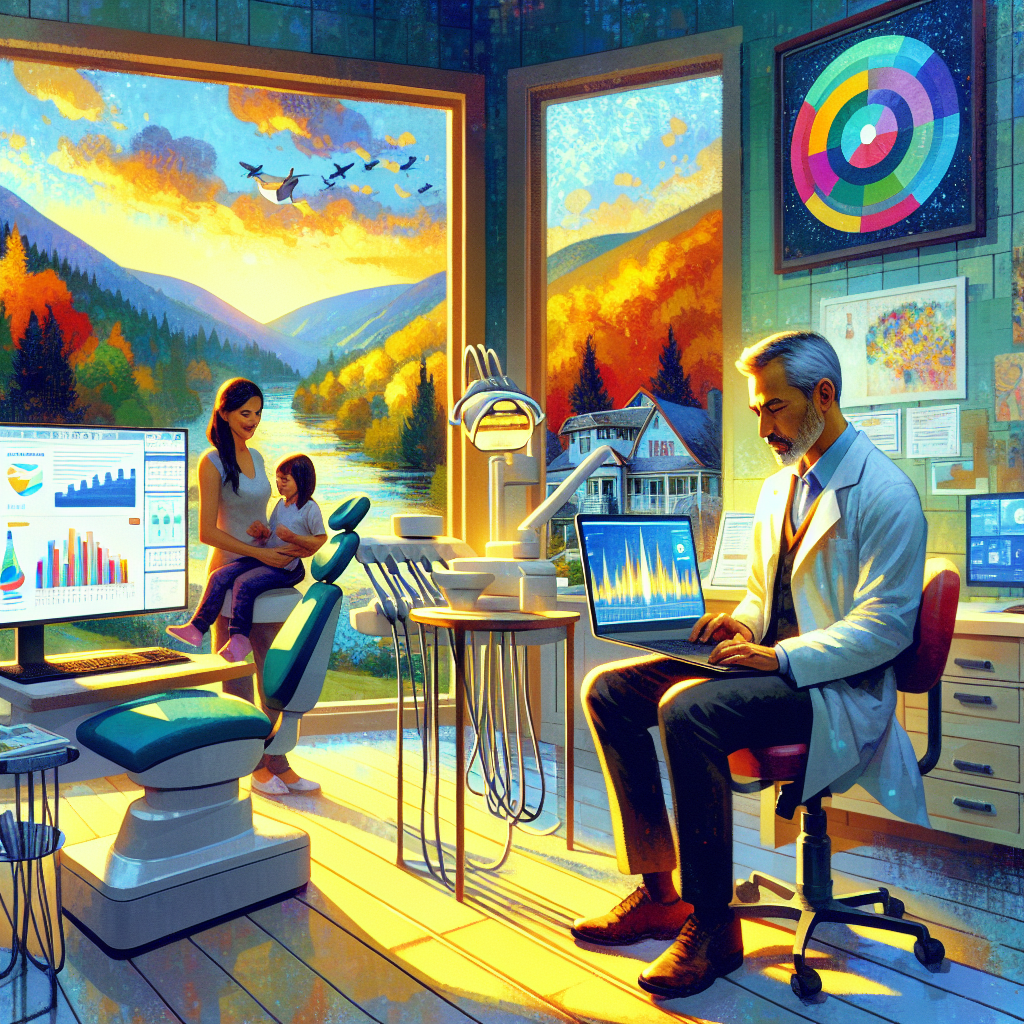
Imagine, if you will, a dentist in Dunlap, Tennessee, sitting in their office overlooking the serene valley. This isn’t just a job for them; it’s a calling. They want to help people smile brighter, but navigating the ocean of data can feel a bit like fishing without a net. Here’s where the magic of data analytics comes in—a transformative tool that can elevate their craft and, more importantly, change lives.
At its core, data analytics is all about making sense of numbers. Picture a dentist using powerful software to track patterns in patient outcomes, treatment timelines, and even appointment follow-ups. This insight doesn’t just help the dentist get better at their job; it provides a roadmap to tailor treatments specific to each patient’s unique needs. It’s the difference between shooting arrows in the dark and aiming at a target.
But let’s reflect for a moment—what does this mean for the people of Dunlap? It means fewer complications, more effective treatments, and ultimately, healthier smiles. The rational part of us appreciates the facts: according to studies, practices that implement data-driven strategies see a significant uptick in satisfactory patient outcomes. But it’s the emotional appeal that connects us—the warm feeling of knowing that your dentist is using every tool available to ensure your health and happiness.
Now consider the ethical side of all this. Isn’t it the duty of every healthcare provider to use their knowledge and resources to the fullest? Dentists in Dunlap harnessing data analytics aren’t just optimizing their practice; they’re committing to a higher standard of care. It’s a pledge to ensure that every tooth they treat gets the best possible attention.
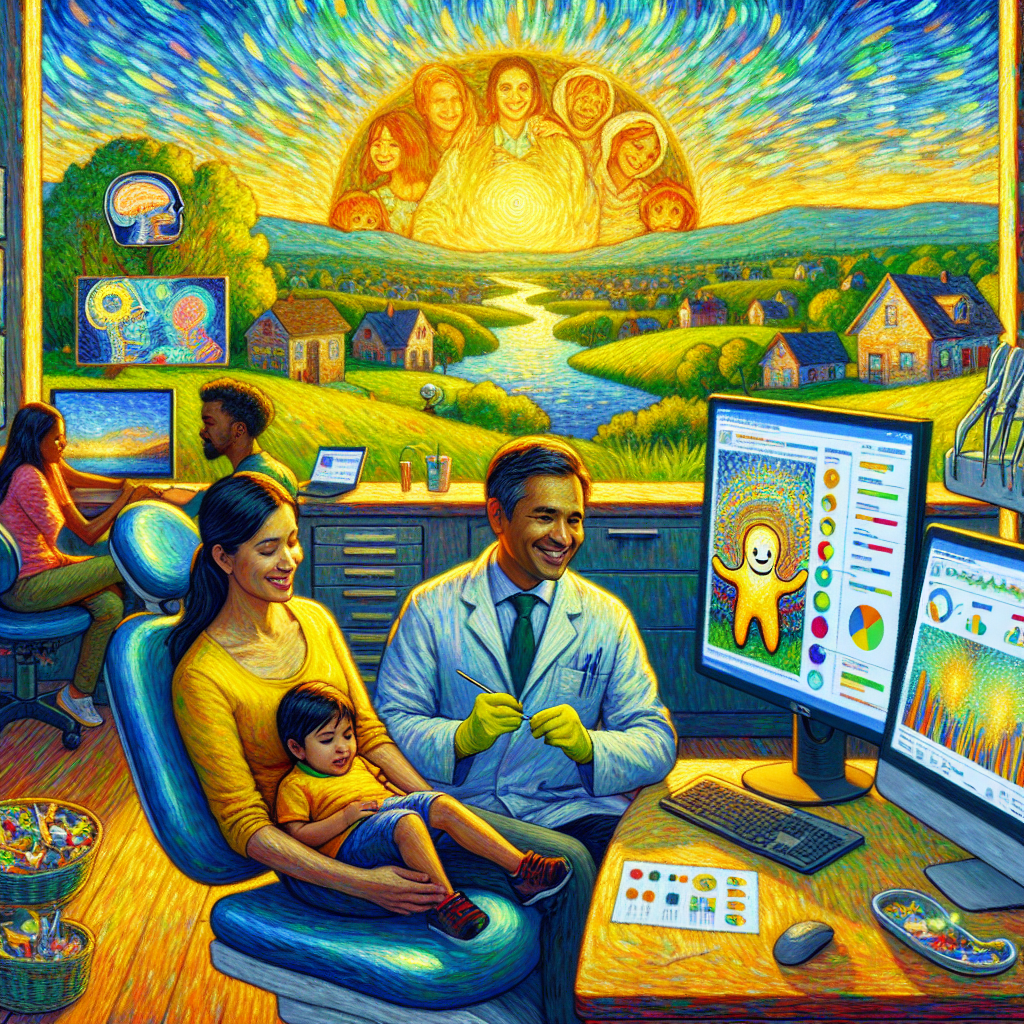
And let’s weave a little narrative here. Picture a family in Dunlap—their youngest is due for a routine check-up. Instead of a standard approach, the dentist pulls up a report that shows similar cases and shares a proactive treatment plan that enhances overall well-being. This moment is about trust and connection—strings of data coming together to create a tapestry of care.
Ultimately, the power of data analytics isn’t just about numbers; it’s about people. It’s about a community where each individual’s health is prioritized, where dentists feel empowered, and where smiles become not just possible, but inevitable. Life may be challenging, but with data on your side, the road to better dental care is wide open.
How Can Data Analytics Optimize Dental Treatment Outcomes?
How Can Data Analytics Optimize Dental Treatment Outcomes?
- A dentist in Dunlap, Tennessee views their work as a calling, aiming to help people smile brighter.
- Data analytics serves as a transformative tool enabling dentists to understand patient outcomes and tailor treatments.
- Utilizing data helps reduce complications, enhance treatment effectiveness, and lead to healthier smiles in the community.
- Practices employing data-driven strategies report significant improvements in patient satisfaction and outcomes.
- There is an ethical obligation for healthcare providers to fully utilize their knowledge and resources for patient care.
- A narrative illustrates how personalized treatment plans from data analysis can strengthen trust and connection with patients.
- The power of data analytics emphasizes the importance of prioritizing individual health and empowering dental professionals.
How Can Data Analytics Optimize Dental Treatment Outcomes?
What Ethical Considerations Arise When Using AI In Dentistry?
Imagine a small town like Dunlap, Tennessee, where the dental office isn’t just a place to get a check-up, but a trusted sanctuary for health and well-being. In this quaint community, the dentist is more than a practitioner; they’re a confidant, a healer, and a friend. So, when artificial intelligence (AI) begins to slip into these familiar halls, it stirs up a whirlwind of ethical considerations that demand our attention.
On one hand, there’s the undeniable allure of precision. AI technologies can analyze dental images with pinpoint accuracy, catching issues that even the most experienced eye might miss. But here’s where the heart matters. We must ask ourselves: At what cost? If a machine replaces the warm touch of a human hand, the comforting smile of a dentist, what is lost in that transaction? The empathetic connection—a vital part of the patient experience—is often the glue that bonds a dentist to their patient.
Consider the rational implications: Who truly owns the data that AI gleans from patient interactions? With sensitive information at stake, we face an ethical quagmire about privacy, consent, and ownership. Patients in Dunlap deserve not just technology, but also a clear understanding of how their data is used and protected. This transparency builds trust, ensuring everyone involved—patients and healthcare professionals alike—are on the same page.
Let’s not forget the narrative of accessibility. While AI can streamline procedures and reduce costs, it also risks widening the gap between those who have access to such technology and those who do not. What happens to the families in Dunlap who may feel left behind in this technological leap? Decisions made in the boardrooms of dental technology companies often overlook the voices of everyday people, and that’s a story worth telling.
In addressing these ethical challenges, we must engage with a well-informed community, offering workshops, discussions, and plain old heart-to-heart chats. This approach fosters connection, reminding us that at the core of dentistry—like any profession—lies the shared experience of being human.
So, as we embrace AI in dentistry, let’s make sure we’re not just improving the tools of the trade, but also deepening the bonds that make this profession so uniquely rewarding. It’s time to forge a path where innovation and compassion walk hand in hand in our dental practices.

What Ethical Considerations Arise When Using AI In Dentistry?
What Ethical Considerations Arise When Using AI In Dentistry?
- The integration of AI in dentistry raises significant ethical considerations in small communities.
- AI can enhance precision in dental diagnostics but may compromise the human connection between dentist and patient.
- Ownership and privacy of patient data collected by AI is a critical concern that needs addressing.
- Transparency about data use is essential to build trust between patients and healthcare providers.
- AI technology may widen the gap in accessibility to dental care between different socioeconomic groups.
- Community engagement through workshops and discussions is vital to navigate ethical challenges in AI usage.
- Emphasizing compassion alongside technological advancement ensures that dental practices remain connected to their patients.

What Ethical Considerations Arise When Using AI In Dentistry?
How Do AI Advancements Transform Traditional Dental Practices?
In a small clinic nestled in Dunlap, Tennessee, the hum of dental tools once set the rhythm for a familiar routine; now, the gentle whir of AI technology transforms not just procedures but also the very fabric of patient care. Imagine this: a dentist, armed with powerful algorithms and pinpoint accuracy, able to predict tooth decay before it even starts. This isn’t just wishful thinking; it’s a reality dawning upon us, and it’s changing how we think about our oral health.
For many, a trip to the dentist provokes anxiety and dread—a rite of passage often met with clenching fists and sweaty palms. But what if your dentist could not only ease that dread but also offer a level of personalized care that feels almost like magic? AI advancements are doing just that by creating tailored treatment plans rooted in predictive analytics. Suddenly, each individual’s journey through the dental landscape is not just haphazard; it’s a carefully charted path designed to meet their unique needs.
When we consider the ethics of this technology, it becomes clear that the focus is shifting from mere profits to genuine patient outcomes. AI is leveling the playing field, providing small-town practices like those in Dunlap with access to cutting-edge tools once reserved for big-city clinics. This democratization of technology inspires confidence, knowing that no matter where you live, you can receive the best that modern dentistry has to offer.
Beyond the efficiency gains and innovative treatment options, there lies a profound narrative of connection. In communities like Dunlap, the dentist isn’t just a healthcare provider; they’re often a trusted friend. With AI’s ability to free up time, dentists can spend more moments face-to-face with their patients, nurturing that bond. Imagine a dentist who knows not just your dental history, but your milestones—birthdays, accomplishments, and even the struggles that sometimes keep you up at night.
This arrival of AI in dental practices invites everyone—not just the tech-savvy—to embrace a brighter and better future for oral health. It’s a call to action: to look past the fear of the unknown and to see what’s possible when tradition meets innovation. So, the next time you step into a dental office, remember that the transformations unfolding within those walls are about more than just teeth—they’re about caring for the heart, head, and gut of our communities.

How Do AI Advancements Transform Traditional Dental Practices?
How Do AI Advancements Transform Traditional Dental Practices?
- A small clinic in Dunlap, Tennessee, is experiencing a transformation with the introduction of AI technology in dental practices.
- AI tools allow dentists to predict tooth decay before it occurs, leading to a proactive approach to oral health.
- The use of AI creates personalized treatment plans based on predictive analytics, reducing patient anxiety and enhancing care.
- Ethical considerations are shifting focus from profits to genuine patient outcomes, making advanced care more accessible to small-town practices.
- AI democratizes access to cutting-edge dental tools, providing quality care similar to that of larger urban clinics.
- AI helps dentists spend more time with patients, fostering deeper personal connections within small communities.
- The integration of AI in dental practices encourages everyone to embrace innovation for a better future in oral health.

How Do AI Advancements Transform Traditional Dental Practices?
Can Predictive Analytics Reduce Patient Anxiety In Dental Visits?
When we talk about the intersection of predictive analytics and patient care, it’s essential to consider the human side of this equation. Imagine a family in Dunlap, Tennessee, gearing up for a routine dental visit. For many, it’s not just an appointment; it’s a mountain of emotions. The dental chair looms large, a place associated with anxiety and discomfort. But what if there was a way to ease those worries long before you even stepped into that office?
Enter predictive analytics—a powerful tool that sifts through data to anticipate patient needs, fears, and preferences. Picture a dentist who isn’t just concerned with filling cavities but understands that every patient has their own unique emotional landscape. By using predictive analytics, they can look at past appointments, treatment histories, and even real-time feedback to tailor a dental experience for each person. It’s not just about the numbers; it’s about the connection forged between patient and provider.
Imagine the relief of a parent sitting in that waiting room, knowing that their dentist is already aware of their child’s fear of the drill. Thanks to insights drawn from analytics, that dentist has adjusted the approach, perhaps by offering calming techniques or a quick distraction with a funny video. This gives parents the confidence to comfort their children without feeling helpless. Suddenly, what was once a daunting ordeal transforms into a more manageable experience—one filled with understanding rather than anxiety.
Now, let’s get real. Dental anxiety is not just a buzzword; it’s a barrier that can prevent people from getting the care they need. That’s where the ethical responsibility of practitioners comes into play. By utilizing predictive analytics, dental professionals aren’t just improving their bottom line; they’re making a stand for their patients’ well-being. They’re showing that they care—truly care—about each person who walks through the door.
Storytelling here plays a crucial role. Let’s say there’s a patient from Dunlap who trepidatiously shared their fear of needles during a consultation. With analytics, the dentist can track this concern and provide alternatives or even numbing options that make the experience less daunting. This personal touch fosters a bond of trust.
In a world where healthcare can sometimes feel cold and impersonal, leveraging predictive analytics bridges the gap, creating a warm, supportive environment. Ultimately, when fears are met with understanding and compassion, we move closer to a future where dental visits are less about anxious waiting and more about confident smiles.

Can Predictive Analytics Reduce Patient Anxiety In Dental Visits?
Can Predictive Analytics Reduce Patient Anxiety In Dental Visits?
- The emotional aspects of patient care greatly influence experiences at the dentist’s office.
- Predictive analytics can anticipate patient needs, fears, and preferences, enhancing the dental experience.
- Dentists can utilize past appointments and real-time feedback to tailor treatments for individual patients.
- Understanding a child’s fear of dental procedures allows dentists to implement calming techniques beforehand.
- Dental anxiety is a significant barrier to care, emphasizing the importance of ethical responsibilities for practitioners.
- Personalized care using analytics fosters trust and understanding between patients and healthcare providers.
- Leveraging predictive analytics can transform dental visits from stressful experiences into opportunities for confidence and comfort.

Can Predictive Analytics Reduce Patient Anxiety In Dental Visits?
Conclusion
In conclusion, the integration of AI tools in dentistry isn’t just a technological upgrade; it is a heartfelt evolution that harmonizes tradition with innovation, particularly vital in communities like Dunlap, Tennessee. Picture this: a local dentist, perhaps someone you’ve trusted for years, empowered by AI to provide even better care without losing that personal touch. Here, it’s about more than just bytes and data; it’s about real people—families who rely on dental professionals for their health and well-being.
Emotionally, the prospect of AI in dental practices is both exciting and reassuring. Imagine walking into a dentist’s office where the discomfort of dental anxiety is mitigated not by gimmicks but through thoughtful, data-driven insights into your unique needs and preferences. This advancement allows practitioners to engage in deeper conversations, not just about teeth but about you—their patient. It builds the kind of trust that’s the bedrock of any strong community, reminding us that compassionate care is still the name of the game.
Yet, let’s not sidestep the rational side. Studies illustrate that AI can refine diagnostics, facilitating earlier interventions and more effective treatment plans. In essence, it transforms an appointment from a routine task into a personalized journey tailored to individual needs. For patients, this means less time in the chair and more meaningful interactions, where the dental experience feels genuinely attuned to their lives.
Ethically speaking, we must challenge ourselves as caregivers and community members: isn’t it our fundamental duty to leverage every tool available to enhance patient outcomes? By adopting AI, dentists are not just improving efficiencies; they are committing to excellence in care. That’s a promise worth standing behind, reinforcing a culture of health that values every smile.
Finally, the compelling narrative forged in this dental revolution reflects a call to action for practices everywhere. As you consider your next dental appointment, remember that you’re not just receiving care but participating in a collective push towards innovation rooted in compassion and integrity. In embracing these new technologies, we are not merely transforming dental practices; we are fortifying the heart of our communities. Let’s keep that heartbeat strong, ensuring a future where every dental visit is a step toward healthier, happier lives—a future we’re building together, one smile at a time.

Conclusion
Conclusion:
- The integration of AI tools in dentistry merges tradition with innovation, benefiting communities like Dunlap, Tennessee.
- Local dentists, empowered by AI, can provide better care while maintaining a personal touch for families relying on them.
- AI in dental practices alleviates dental anxiety through thoughtful, data-driven insights tailored to individual needs.
- Enhanced patient-dentist conversations foster trust, reminding us that compassionate care is essential for strong communities.
- AI improves diagnostics and treatment plans, transforming routine appointments into personalized journeys.
- Adopting AI reinforces a culture of health and a commitment to excellence in patient care by leveraging enhanced tools.
- The dental revolution calls for practices to innovate with compassion and integrity, creating healthier, happier communities.

Conclusion
Other Resources

Other Resources
Here is a list of other resources you can review online to learn more:
- Cravens House
- Camp Chet (Reservations required)
- Valley Fest
- Historic Coke Ovens Park
- Griffith Elementary School
- Walmart Tech Services
- Sequatchie County Veterans Memorial Park
- Volunteer Eyecare (formerly Sequatchie Valley Eye Care)
- The Shedquarters
- Intoxalock Ignition Interlock
- Citizens Tri-County Bank
- Booker T. Washington State Park
- Sequatchie County ECD 911 Center
- God’s Warriors Martial Arts
- Sequatchie Valley Insurance LLC
- Collins West Campground
Use This Prompt To Get More Resources With Your Favorite Online AI Tool: Please provide me with a list of online articles with their URLs in a bulleted list that I can read regarding Can Dentists Improve By Leveraging AI Tools?

Other Resources
Glossary Terms
Can Dentists Improve By Leveraging AI Tools? – Glossary Of Terms
1. Artificial Intelligence (AI): Computer systems designed to perform tasks that typically require human intelligence, including learning, reasoning, and problem-solving.
2. Machine Learning (ML): A subset of AI that enables systems to learn from data and improve their performance over time without being explicitly programmed.
3. Deep Learning: A subset of ML that uses neural networks with many layers (deep networks) to analyze various forms of data, particularly images.
4. Image Recognition: AI’s ability to identify and classify objects within images, useful in dentistry for interpreting X-rays and clinical photos.
5. Predictive Analytics: Techniques that use historical data, statistical algorithms, and ML to predict future outcomes, helping dentists anticipate patient needs or treatment outcomes.
6. Natural Language Processing (NLP): A branch of AI that enables machines to understand, interpret, and respond to human language, aiding in patient communication and documentation.
7. Dental Imaging Software: AI-enhanced tools that improve the analysis and interpretation of dental images, enhancing diagnostic accuracy and treatment planning.
8. Clinical Decision Support Systems (CDSS): AI systems that analyze data to provide healthcare professionals with evidence-based clinical recommendations.
9. Tele-dentistry: The remote delivery of dental care using telecommunications technology, often enhanced by AI tools for patient monitoring and care.
10. Chatbot: An AI-powered program that simulates human conversation, used in dental practices for scheduling appointments and answering patient inquiries.
11. Robotic Surgery: Robotics equipped with AI that assist in performing dental surgeries with higher precision and minimal invasiveness.
12. Workflow Automation: AI tools that streamline administrative tasks within a dental practice, such as scheduling, billing, and patient management.
13. Personalized Dentistry: An approach that tailors dental care to individual patients based on data analysis, leading to more effective treatment plans.
14. Data Analytics: Techniques that involve inspecting, cleansing, transforming, and modeling data to discover useful information for decision-making.
15. Patient Engagement: Strategies using AI tools to enhance patients’ involvement in their own care, leading to improved satisfaction and outcomes.
16. Virtual Reality (VR): An immersive technology that can be utilized in dental training and patient treatment experiences, enhancing understanding and reducing anxiety.
17. Augmented Reality (AR): Enhances the real-world environment with digital overlays, useful in educational settings and patient consultations in dentistry.
18. 3D Printing: The process of creating three-dimensional objects from digital designs, utilized for making dental prosthetics and models.
19. Wearable Technology: Devices that monitor health metrics, which can provide dentists with real-time data about patients’ oral health.
20. Dental Informatics: The intersection of dental science and information technology to enhance the management and analysis of dental data.
21. Patient Care Management Systems: Comprehensive software solutions that streamline a dental practice’s patient-related processes and improve quality of care.
22. Cybersecurity: Measures taken to protect sensitive patient data in compliance with regulations, increasingly relevant when using AI tools.
23. Regulatory Compliance: Ensuring that all AI applications adhere to legal and ethical standards in healthcare, minimizing risk to both patients and practitioners.
24. Behavioral Insights: Data-driven analysis that helps understand patient behaviors and preferences, guiding more effective marketing and patient outreach strategies.
25. Quality Control: AI systems that monitor and analyze clinical processes to ensure that dental practices maintain high standards of care.
26. Training Datasets: Large sets of data used to train AI systems to ensure they are accurate and effective in their applications within dental practice.
27. User Interface (UI): The means by which a user interacts with an AI tool, crucial for ensuring ease of use for dental practitioners and staff.
28. Interoperability: The ability of different IT systems and software applications to communicate and exchange data effectively—a vital aspect in integrating AI tools in dental practices.
29. Ethical Dilemmas: Moral challenges that arise from the use of AI in dentistry, including patient consent, data privacy, and bias in algorithms.
30. Continuous Learning: Ongoing education and training for dental professionals to stay updated on AI advancements and integrate them into their practice effectively.

Glossary Of Terms
Other Questions
Can Dentists Improve By Leveraging AI Tools? – Other Questions
If you wish to explore and discover more, consider looking for answers to these questions:
- What specific AI tools are currently available for dental practices?
- How can dentists get trained in using AI tools effectively?
- What are the costs associated with implementing AI technology in dental practices?
- Are there case studies or success stories of dental practices that have adopted AI tools?
- What kind of data is typically collected and analyzed by AI in dentistry?
- How does patient privacy get ensured when using AI tools?
- What are the potential risks or downsides of integrating AI in dental care?
- How do AI tools improve diagnostic accuracy compared to traditional methods?
- What role do patients have in the data collected by AI systems?
- How can dentists maintain the human touch while leveraging technology?
- What are the regulatory considerations for using AI in dental practices?
- Can AI tools help in managing appointment schedules and patient follow-ups?
- How have dental patients responded to practices utilizing AI tools?
- What are the ethical considerations specific to patient consent for AI usage?
- Will the rise of AI in dentistry affect job opportunities for dental professionals?

Other Questions
Haiku
Can Dentists Improve By Leveraging AI Tools? – A Haiku
AI in dentists’ hands,
Hearts and tech intertwine well,
Trust blooms with each smile.

Haiku
Poem
Can Dentists Improve By Leveraging AI Tools? – A Poem
In Dunlap’s embrace, where the hills gently sigh,
A small-town dentist greets you, with warmth in their eye.
Beyond just teeth, it’s the trust that they build,
With smiles and with stories, their patients are thrilled.
Yet shadows loom large in the swift breath of change,
Innovations in dental care feel daunting and strange.
But what if, dear friend, this tech held the key,
To better connections, where compassion runs free?
Picture a world where bright algorithms align,
Predicting decay before it’s drawn the line.
With data as guide, each appointment a song,
Where feelings of anxiety no longer belong.
AI does not seek to replace the skilled hands,
But empowers the art where empathy stands.
Less time on the mundane, more moments to share,
Understanding emotions, the fears laid bare.
Rational minds see the efficiency’s grace,
Fewer complications, a smoother embrace.
Yet ethics must steer this remarkable ride,
Protecting our data, with trust as our guide.
In communities close-knit, where word travels fast,
A future of excellence is shaping at last.
When technology aids but the heart remains whole,
Dental care blossoms, renewing the soul.
So as you step forth, with thoughts heavy and light,
Remember the love that makes every visit bright.
For in the dance of tradition with modern-day flair,
Lies a vision of health, with kindness laid bare.
Embrace this new journey, let worries take flight,
For the heart of your dentist is guiding the light.
Together we’ll weave a narrative bold,
In the heart of Dunlap, new stories unfold.

Poem
Checklist
Can Dentists Improve By Leveraging AI Tools? – A Checklist
Emotional Appeal
1. ✅ _____ Foster Connections: Reflect on how AI tools can help you spend more time with patients, strengthening relationships through personalized care.
2. ✅ _____ Share Success Stories: Gather testimonials from patients highlighting improved experiences with AI-integrated practices.
3. ✅ _____ Celebrate Community Impact: Emphasize how AI can enhance community trust and overall well-being through better dental care.
Rational Appeal
4. ✅ _____ Analyze Effectiveness: Review studies on the accuracy and benefits of AI in diagnostics, aiming to quantify improvements in patient outcomes.
5. ✅ _____ Cost-Benefit Analysis: Assess the cost of implementing AI tools against the potential efficiencies gained and improved patient retention.
6. ✅ _____ Stay Informed: Follow industry trends on AI advancements in dental care to make informed decisions and maintain competitive edge.
Ethical Appeal
7. ✅ _____ Prioritize Patient Consent: Establish transparent policies on data usage, ensuring patients are informed about how their data is being used.
8. ✅ _____ Create Access Guidelines: Develop strategies to ensure equitable access to AI technologies for all patients, regardless of demographic factors.
9. ✅ _____ Balance Technology and Humanity: Institute policies that encourage the human aspect of care even as technology becomes more integrated into practice.
Authority Appeal
10. ✅ _____ Engage with Experts: Host workshops or discussions featuring dental professionals who successfully implement AI tools in their practices.
11. ✅ _____ Certifications and Training: Invest in continual learning opportunities for staff on the ethical use and functionalities of AI tools.
12. ✅ _____ Seek Endorsements: Acquire testimonials from respected figures in the dental field to bolster your practice’s credibility in using AI.
Narrative Appeal
13. ✅ _____ Create Patient Stories: Document case studies that illustrate transformative outcomes, emphasizing personal narratives that resonate with the community.
14. ✅ _____ Share Your Journey: Tell your own story about why you decided to integrate AI into your practice and how it aligns with your commitment to quality care.
15. ✅ _____ Highlight a Cultural Shift: Frame the adoption of AI within the broader narrative of evolving healthcare practices, showing commitment to modernization without sacrificing human connection.
Social Appeal
16. ✅ _____ Engage the Community: Organize community discussions or informational sessions about the benefits of AI in dentistry.
17. ✅ _____ Promote Word-of-Mouth: Encourage satisfied patients to share their experiences with friends and family, helping to build a communal awareness of AI benefits.
18. ✅ _____ Mentor Peers: Facilitate mentorships or partnerships with other local practitioners to foster collective growth in AI adoption in the area.
Additional Suggestions
✅ _____ Feedback Mechanisms: Implement a system for receiving patient feedback on their experiences with AI tools to continuously improve the process.
✅ _____ Creative Marketing: Utilize social media to share insights and information about how AI is improving patient care and to demystify technology for the community.
✅ _____ Regular Reviews: Schedule periodic reviews of your AI tools and their effectiveness, ensuring they remain aligned with patient needs and practice goals.
This checklist aims to address the heart, head, and gut of the reader, helping dental practitioners embrace AI tools while keeping the emotional and ethical aspects of patient care at the forefront.

Checklist
At Dunlap Directory, we help Dunlap, Tennessee, business tell stories and market and sell their products and services.
Please share this post with your friends, family, or business associates who may want help telling the stories of their legacy.


