












An Overview Of Health and Mortality Planning – Protecting Your Business and Family In Rural Tennessee
By Tom Seest
At Dunlap Directory, we help Dunlap, Tennessee, business tell stories and market and sell their products and services.
Please share this post with your friends, family, or business associates who may want help telling the stories of their legacy.
Health and Mortality Planning – Protecting Your Business and Family In Rural Tennessee
In rural Tennessee, particularly in places like Dunlap, we’re no strangers to hard work and the values that come with it. As the sun rises over the mountains, farmers tend to their crops, shopkeepers open their doors, and families gather around the breakfast table. But beneath this idyllic scene lies a pressing reality: the importance of health and mortality planning. It’s not just a wise choice; it’s an essential practice that protects what matters most—your family and your business.
When you think about the future, consider what would happen if you suddenly couldn’t provide for your loved ones. This isn’t just a thought exercise; it’s a stark reality for many who find themselves facing unforeseen medical crises or untimely deaths. Crafting a comprehensive plan allows you to face these uncertainties with confidence, ensuring that your family can weather any storm. It’s about safeguarding the legacy of hard work and dedication that you’ve put into your business and nurturing environment around Dunlap.
Planning for health and mortality isn’t merely a financial concern; it’s an ethical obligation. It speaks volumes about how much you care for the people around you. By taking the steps to prepare—whether through life insurance, health coverage, or emergency plans—you demonstrate a commitment to your family’s well-being. You’re not just securing their futures; you’re also setting an example of responsibility and foresight.
Think of the connections within the community. In small towns, everyone knows everyone. We look out for each other—be it through a handshake at the local grocery store or a nod while passing on the backroads. By engaging in health and mortality planning, you’re not just protecting your family; you’re contributing to the social fabric of Dunlap. The more individuals and families that commit to these practices, the stronger our community becomes. We’re all in this together, and collective resilience is what keeps us afloat.
Share your plans and experiences with others. Start conversations around kitchen tables and local gatherings. When we speak openly about these challenges, we uplift each other, foster trust, and inspire action. Let’s create a culture where planning for the unexpected becomes second nature, giving everyone peace of mind knowing that their loved ones are taken care of. In the heart of Dunlap, together, we can build a future that honors our values and protects what we hold dear.

Health and Mortality Planning – Protecting Your Business and Family In Rural Tennessee
Health and Mortality Planning – Protecting Your Business and Family In Rural Tennessee
- Rural Tennessee, especially Dunlap, values hard work and community engagement.
- The importance of health and mortality planning protects families and businesses.
- Planning provides confidence in the face of unforeseen medical crises or deaths.
- It is an ethical obligation that demonstrates care for loved ones.
- Engaging in planning strengthens community bonds and collective resilience.
- Open discussions about planning foster trust and inspire action among residents.
- Collaboratively building a planned future honors community values and preservation.

Health and Mortality Planning – Protecting Your Business and Family In Rural Tennessee
Table Of Contents
- Health and Mortality Planning – Protecting Your Business and Family In Rural Tennessee
- How Can Effective Planning Reduce Stress During Health Crises?
- What Ethical Responsibilities Do Businesses Have to Their Communities?
- How Do Local Resources Influence Health Outcomes In Rural Tennessee?
- What Narratives Inspire Hope In Facing Health Challenges Together?
- How Can We Foster a Stronger Support System for Rural Families?
- Conclusion
- Other Resources
- Glossary Of Terms
- Other Questions
- Haiku
- Poem
- Checklist
How Can Effective Planning Reduce Stress During Health Crises?
Effective planning can be the beacon that guides us through the tumultuous waters of health crises, and for communities like Dunlap, Tennessee, it can mean the difference between panic and resilience. Imagine a small town, its spirit woven together by shared experiences and challenges. When a health crisis emerges, chaos can easily threaten that bond. Yet, there’s hope in a well-crafted plan, one that not only address the immediate health concerns but also respects the emotional needs of its residents.
When you take a moment to consider the rational side of planning, it becomes evident that a clear strategy can significantly reduce uncertainty. Numbers tell the story: communities that prioritize preparedness often see lower rates of anxiety and distress during crises. This isn’t just about stats; it’s about lives—families, children, and friendships that need nurturing during tough times. Solid planning fosters an environment where people feel safe and connected, allowing them to support one another rather than succumb to fear.
From an ethical standpoint, effective planning acknowledges the responsibility we bear to protect our most vulnerable neighbors. In Dunlap, where togetherness is a way of life, a thoughtful approach ensures that no one is left behind. When families know there’s a plan in place, trust blossoms. It’s the reassurance that our leaders are taking care of the community, that they are listening, and acting wisely.
Telling a relatable story can drive this point home. Picture a mother in Dunlap, heart heavy with worry as she juggles work and caring for her children. Thanks to a community plan for health crises, she knows there are resources available, hotlines to call, and neighbors who will check in. That connection transforms her experience from isolation to a collective effort, proving that planning is not just about structures but about building a network of trust and care.
Effective planning during health crises is not just a tactical decision but a heart-centered initiative. It’s an appeal to our gut instincts, the knowledge that we are not alone. As we forge forward, let’s harness the power of preparation—because in Dunlap, Tennessee, strength comes from standing together, grounded in planning and united by compassion.

How Can Effective Planning Reduce Stress During Health Crises?
How Can Effective Planning Reduce Stress During Health Crises?
- Effective planning is crucial for navigating health crises, providing guidance for communities like Dunlap, Tennessee.
- A well-crafted plan addresses immediate health concerns and respects residents’ emotional needs.
- Clear strategies in planning reduce uncertainty and anxiety during crises.
- Prepared communities experience lower rates of distress, fostering safe and connected environments.
- Effective planning emphasizes ethical responsibility to protect vulnerable community members.
- Trust grows when families know there is a reliable community plan, ensuring no one is left behind.
- Planning is a heart-centered initiative that builds a supportive network, transforming isolation into collective effort.

How Can Effective Planning Reduce Stress During Health Crises?
What Ethical Responsibilities Do Businesses Have to Their Communities?
In Dunlap, Tennessee, a small town nestled in the heart of the South, the rhythm of life often mirrors the pulse of the community. Here, businesses are not just profit machines; they are the lifeblood that fuels neighborhoods, supports families, and fosters a sense of belonging. Ethical responsibilities arise not from mandates but from an innate understanding of what it means to be a part of something larger.
Think about the carpenter crafting furniture in his workshop. He doesn’t just see wood; he sees homes where families will gather, memories will be made, and stories will unfold. It’s this deep connection that drives businesses to operate with integrity. Ethical responsibility means prioritizing people over profits. Small towns like Dunlap showcase this beautifully, where local businesses often lead the charge in community support, whether it’s sponsoring youth sports teams or donating to local schools.
Rationally, the economics are clear: investing in the community pays dividends. When businesses engage with their surroundings, they create a loyal customer base that advocates for their brand. This mutual relationship nurtures trust, creating a customer who feels valued and invested. It’s more than just marketing; it’s building a narrative that ties a business’s success directly to the health of the community.
From a moral standpoint, there’s an ethical call to action. Companies hold a responsibility not only to their shareholders but also to their employees and the communities where they operate. Imagine a factory closing its doors, leaving behind not just an empty building but also families facing uncertainty. The moral compass in business decisions must always point toward empathy and consideration.
Engagement goes beyond transactions; it’s about fostering deep connections. Businesses in Dunlap have the unique opportunity to enhance lives, creating bonds that stretch far beyond the cash register. They are catalysts for change, encouraging collaboration, inspiring volunteer efforts, and rallying support for local charities.
This sense of purpose resonates. When a business steps up, it reflects a commitment to doing what’s right, not just what’s profitable. In turn, communities respond, solidifying a circle of support where both flourish. This ethical responsibility is a call to arms—an invitation to take meaningful action within the fabric of one’s community, inspiring confidence and trust that echo long after the initial engagement. When businesses embrace their roles wholeheartedly, they champion not just their own success, but the collective spirit of Dunlap and beyond.

What Ethical Responsibilities Do Businesses Have to Their Communities?
What Ethical Responsibilities Do Businesses Have to Their Communities?
- Dunlap, Tennessee’s businesses are vital for community support and belonging.
- Ethical responsibility is seen in prioritizing people over profits.
- Local businesses contribute to the community through sponsorships and donations.
- Investing in the community creates a loyal customer base that fosters trust.
- Companies have a moral obligation to their employees and communities, beyond profit.
- Business engagement promotes deep connections and supports local charities.
- A commitment to ethical responsibility enhances both business success and community spirit.
What Ethical Responsibilities Do Businesses Have to Their Communities?
How Do Local Resources Influence Health Outcomes In Rural Tennessee?
In the heart of rural Tennessee, nestled among the hills and valleys, lies Dunlap—a town where the lifeblood of the community flows through its local resources. These resources, often overlooked in broader discussions about health, play a crucial role in shaping the well-being of residents. In a place where the horizon stretches as wide as the possibilities, access to clean water, quality food, and healthcare facilities can mean the difference between thriving and merely surviving.
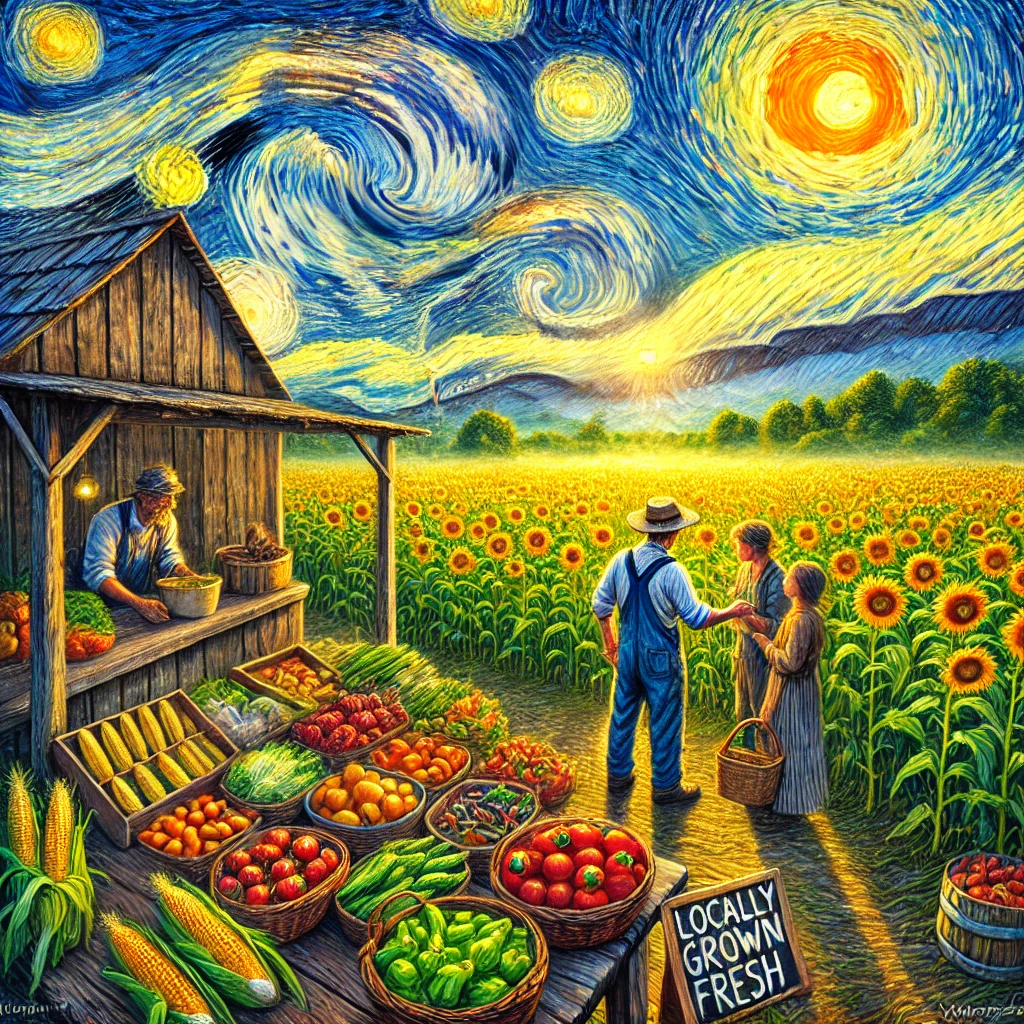
Let’s take a moment to picture a family in Dunlap, where the sun rises over the local farmer’s market, bursting with fresh produce. Here, community members gather, creating not just a marketplace but a vibrant tapestry of relationships. The fruits and vegetables they buy aren’t just organic; they’re a lifeline, a connection to the soil and to one another. Studies consistently show that access to fresh foods significantly impacts health outcomes; when families fill their plates with local produce, they cultivate not just nutrition but also community ties that bolster mental and emotional resilience.
However, it’s not just about what’s on the table. In Dunlap, the accessibility of healthcare services can determine whether a simple illness becomes a major health crisis. Local clinics become sanctuaries where the concerned are met with compassion rather than indifference. This close-knit connection between healthcare providers and the community generates trust, encouraging residents to seek preventative care rather than relying solely on emergency services. This is not merely a healthcare issue; it’s an ethical imperative—a shared responsibility to ensure that everyone in Dunlap has a fair shot at a healthy life.
Consider the voices of the local leaders, those who prioritize investments in healthcare infrastructure and education. Their efforts echo the sentiment that everyone deserves access to quality health services. With each infrastructure improvement, each program launched for wellness education, they reinforce a belief that health isn’t just an individual concern—it’s a collective one.
Ultimately, the narrative of Dunlap reflects a resilient spirit. It invites us to recognize that in every small town, local resources are not just statistics on a report; they are the fibers that weave together the fabric of community life. By fostering these resources, we don’t just uplift individuals; we invigorate entire communities, ensuring that the heart of rural Tennessee beats strong and healthy.

How Do Local Resources Influence Health Outcomes In Rural Tennessee?
How Do Local Resources Influence Health Outcomes In Rural Tennessee?
- Dunlap, a rural town in Tennessee, relies on local resources for community well-being.
- Access to clean water, nutritious food, and healthcare facilities affects residents’ health significantly.
- The local farmer’s market serves as a gathering place, fostering relationships and community ties.
- Research shows that fresh food access improves health outcomes and mental resilience.
- Healthcare accessibility in Dunlap helps prevent minor illnesses from escalating into major health crises.
- Local leaders emphasize investments in health infrastructure and wellness education for equitable access to care.
- Dunlap’s story highlights the importance of local resources in strengthening community life and health.

How Do Local Resources Influence Health Outcomes In Rural Tennessee?
What Narratives Inspire Hope In Facing Health Challenges Together?
In Dunlap, Tennessee, stories of resilience thrive in the heart of the community, woven through the fabric of everyday life. When the going gets tough, it’s these narratives that bind us together, fostering a spirit of unity in the face of health challenges. Whether you’re battling illness or supporting a loved one, the power of shared experiences can be a beacon of hope.
Consider the tale of a local woman who, against all odds, organized a fundraiser after her own cancer diagnosis. Her journey was not just personal; it ignited a movement, galvanizing neighbors and friends to rally together. They filled the town hall with laughter, tears, and stories — each person bringing their own fight to the table. This wasn’t merely an event; it was a declaration that no one faces health struggles alone. It’s this kind of narrative that appeals to our ethical nature, reminding us that our shared humanity is strength.
You might wonder about the science behind these collective experiences. Research shows that social connections are crucial in navigating health adversities. They help in reducing anxiety, fostering resilience, and improving outlooks. The rational brain understands that we are stronger together, while the heart yearns for companionship during rough times. In Dunlap, folks have embraced this truth. They’ve come to see that vulnerability is a strength and that sharing their stories can ripple out further than they can imagine.
Every time someone steps up, whether it’s sharing a meal, lending an ear, or participating in a community health event, they create a narrative that not only inspires but builds a sense of belonging. These stories are not just anecdotes; they are lifelines, bridging the gap between fear and hope. This community knows that by standing together, they cultivate an environment rich with trust and empowerment.
The real magic happens when these narratives begin to intertwine. A chronic illness experienced by one can illuminate paths for another. As they share their tribulations and victories, the discord of isolation fades, and connections blossom. In facing health challenges together, Dunlap exemplifies the profound truth that we are all in this together. Through shared stories, we don’t just inspire hope; we cultivate a resilient community ready to take on any challenge life throws our way.

What Narratives Inspire Hope In Facing Health Challenges Together?
What Narratives Inspire Hope In Facing Health Challenges Together?
- In Dunlap, Tennessee, stories of resilience nurture community spirit during health challenges.
- A local woman organized a fundraiser after her cancer diagnosis, inspiring collective support.
- The event highlighted that no one faces health struggles alone, fostering shared humanity.
- Research shows social connections reduce anxiety, foster resilience, and improve outlooks.
- Dunlap residents embrace vulnerability, seeing shared experiences as a source of strength.
- Community involvement, such as meals and health events, creates a sense of belonging and trust.
- Stories of chronic illness illuminate paths for others, cultivating a resilient and united community.

What Narratives Inspire Hope In Facing Health Challenges Together?
How Can We Foster a Stronger Support System for Rural Families?
In a small town like Dunlap, Tennessee, life unfolds at a different pace. Here, everybody knows everyone, and the ties that bind are stronger than any fiber optic connection. Rural families face unique challenges, from limited access to healthcare and education to economic instability. It’s easy to overlook this reality when we’re caught up in the hustle of urban life. Yet, the strength of our communities lies in our ability to rally around each other, transforming the landscape of support from a mere idea into a lifeline.
Building a robust support system requires more than just well-meaning gestures; it demands action grounded in empathy and understanding. The heart of it rests in fostering relationships. Imagine a network where local farmers, teachers, and healthcare workers unite to share resources and knowledge. Picture mentors stepping up to guide the youth of Dunlap, instilling hope and ambition where it’s often lacking. By creating touchpoints between families and the wider community, we can cultivate an atmosphere where everyone feels valued and understood.
On a practical level, greater investment in local resources is essential. This means ensuring that rural healthcare is not just a promise on paper but a reality. It calls for accessible mental health services, from counselors familiar with the unique stresses of rural life to support groups where families can find solace and understanding. These services should not come with barriers, but rather be integrated into the fabric of the community to ensure that help is just around the corner.
Ethically, it’s our responsibility to ensure that rural families do not fall through the cracks. When we take the time to listen to their stories—about struggling with transportation to jobs, or the heartbreak of children leaving for opportunities elsewhere—we lay the groundwork for real advocacy. It’s about acknowledging their plight and taking steps to bridge the gap between need and availability.
Moreover, we can leverage the strength of social media to amplify these narratives. Sharing local success stories of families overcoming adversity can inspire others to get involved. When community members see their neighbors thriving, it fosters a sense of belonging and motivation to contribute. The bottom line is simple: by recognizing the remarkable resilience of rural families, we can ignite a movement fueled by compassion, shared experiences, and unwavering support.
Every effort counts, and together, we can transform Dunlap into a model of resilience and community strength—because a strong support system is not just a nice idea; it’s a necessity for real progress.

How Can We Foster a Stronger Support System for Rural Families?
How Can We Foster a Stronger Support System for Rural Families?
- Dunlap, Tennessee, is a small town with strong community ties and unique challenges.
- Rural families face limited access to healthcare, education, and economic instability.
- Building a support system requires empathy, understanding, and action.
- Collaboration among local farmers, teachers, and healthcare workers can enhance community resources.
- Investment in accessible mental health services is crucial for rural well-being.
- Listening to rural families’ stories can lead to effective advocacy and support.
- Sharing success stories on social media can inspire community involvement and foster resilience.

How Can We Foster a Stronger Support System for Rural Families?
Conclusion
Health and mortality planning in rural Tennessee isn’t just about policies or paperwork; it’s about ensuring the well-being of families and businesses in communities like Dunlap. Here, as days begin with the sound of farmers tending fields and shopkeepers preparing for daily hustle, there lies a deeper truth: life’s unpredictability demands preparation. Planning for health crises and mortality isn’t merely a financial matter; it represents an ethical commitment to loved ones. This foresight showcases a sense of duty and responsibility, an expression of care that sustains families and echoes throughout the community.
In the close-knit environment of Dunlap, where familiar faces greet one another daily, the act of planning cultivates a collective strength. It fosters connections, building trust among neighbors, whether at a community meeting or a local gathering. When one family takes the initiative to prepare, it sends a ripple effect throughout the community—encouraging others to follow suit. This collective embrace of planning creates a fabric of resilience, nurturing a culture where families know they’re supported.
Access to local resources profoundly influences health outcomes. In Dunlap, the availability of fresh produce, healthcare facilities, and community support plays a pivotal role in fostering well-being. The connection to local food sources not only nourishes bodies but strengthens bonds within the community, while accessible healthcare instills confidence that the well-being of residents is prioritized. The responsibility to uphold these ties rests on the shoulders of businesses, which serve as bastions of ethical engagement. When they prioritize community welfare, it elevates the entire town, forging alliances that extend beyond consumer transactions.
Narratives of resilience, woven through shared experiences, further illuminate the spirit of Dunlap. These stories become lifelines, reinforcing the importance of unity in facing challenges. Each moment of vulnerability shared among neighbors transforms individual struggles into collective strength, proving that no one faces health adversities alone.
To Foster a stronger support system for rural families, intentional action is crucial. Investments in local resources are imperative—ensuring that healthcare, education, and economic opportunities remain accessible. Encouraging relationships and mentorship within the community cultivates an atmosphere where everyone feels empowered and valued.
Ultimately, the aim is clear: to weave together the individual threads of strength into a robust tapestry of community resilience. In Dunlap, embracing health and mortality planning becomes not just an act of preservation but a commitment to nurturing the heart and soul of a community that stands together, come what may.

Conclusion
Conclusion:
- Health and mortality planning in rural Tennessee aims to ensure well-being for families and businesses.
- Preparation for health crises reflects ethical commitment and responsibility towards loved ones.
- In Dunlap, planning fosters collective strength and trust among neighbors.
- One family’s proactive planning encourages the entire community to engage in similar actions.
- Access to local resources, such as fresh produce and healthcare, significantly impacts health outcomes.
- Community narratives of resilience strengthen bonds and highlight shared experiences in overcoming challenges.
- Investments in local resources and mentorship are essential for empowering rural families and fostering community resilience.

Conclusion
Other Resources

Other Resources
Here is a list of other resources you can review online to learn more:
- Shazam Atm
- Friends of Lewis Chapel Community
- Ponderosa Co.
- Verizon
- Dunlap Tennessee
- Dunlap Grapevine
- Food Bank
- Harrison Bay State Park
- Rock City Gardens
- Sequatchie Farmers Co-Op
- Natural Affinity -Handcrafted Herbal Essentials
- Sequatchie County High School
- H&R Block
- Harris Park Splash Pad
- North Star Boutique
Use This Prompt To Get More Resources With Your Favorite Online AI Tool: Please provide me with a list of online articles with their URLs in a bulleted list that I can read regarding Health and Mortality Planning – Protecting Your Business and Family In Rural Tennessee

Other Resources
Glossary Terms
Health and Mortality Planning – Protecting Your Business and Family In Rural Tennessee – Glossary Of Terms
1. Health: The state of physical, mental, and social well-being, not merely the absence of disease.
2. Mortality: The incidence of death within a population; often measured in terms of mortality rates.
3. Planning: The process of setting goals, developing strategies, and outlining tasks and schedules to accomplish the objectives.
4. Insurance: A financial product that provides compensation in the event of loss or damage, often related to health or life coverage.
5. Risk Assessment: The systematic process of evaluating potential risks that could negatively impact individuals or organizations.
6. Emergency Preparedness: Planning and organization aimed at ensuring readiness for potential disasters or health emergencies.
7. Public Health: The science and art of preventing disease, prolonging life, and promoting health through organized societal efforts.
8. Wellness: A proactive approach to health that emphasizes preventive measures and holistic care.
9. Chronic Disease: Long-lasting health conditions that can be controlled but not cured, such as diabetes or heart disease.
10. Access to Care: The degree to which individuals can obtain healthcare services when needed.
11. Health Equity: The principle of ensuring that every individual has a fair opportunity to attain their highest level of health.
12. Rural Health: The study and improvement of health in non-urban areas, which often face unique challenges and disparities.
13. Preventive Care: Medical services aimed at disease prevention, such as vaccinations and regular check-ups.
14. Family Leave: Employment policy allowing employees to take time off to care for family members or themselves during health events.
15. Palliative Care: Specialized medical care focused on providing relief from symptoms and stress of serious illness.
16. Telehealth: The use of telecommunication technologies to deliver health-related services and information remotely.
17. Community Resources: Local services and support systems available to individuals and families for health and wellness.
18. Work-Life Balance: The equilibrium between professional responsibilities and personal life, crucial for health and well-being.
19. Mental Health: A person’s emotional, psychological, and social well-being, affecting how they think, feel, and act.
20. Longevity: A term referring to a prolonged life or lifespan, often influenced by health practices.
21. Health Literacy: The ability to obtain, process, and understand basic health information to make informed health decisions.
22. Lifestyle Factors: Elements like diet, exercise, and habits that impact overall health and longevity.
23. Local Healthcare Systems: The network of healthcare providers and facilities available within a community or region.
24. Crisis Management: The process of handling emergencies or unforeseen events that threaten health or safety.
25. Biostatistics: The application of statistics to analyze and interpret data related to public health and biology.
26. Health Insurance Portability: The ability to transfer health insurance benefits from one job to another or maintain coverage during life changes.
27. Social Determinants of Health: Conditions in which people are born, grow, live, work, and age that significantly affect health outcomes.
28. Home Health Care: Medical services provided in a patient’s home to assist with recovery or ongoing health needs.
29. Informed Consent: The process of obtaining permission from patients before conducting healthcare interventions based on understanding their risks and benefits.
30. Health Policy: Decisions, goals, and actions developed by governments and organizations to improve public health and healthcare systems.

Glossary Of Terms
Other Questions
Health and Mortality Planning – Protecting Your Business and Family In Rural Tennessee – Other Questions
If you wish to explore and discover more, consider looking for answers to these questions:
- What immediate steps should I take to create a health and mortality plan for my family and business?
- What legal documents should I have (will, trust, advance directive, durable power of attorney) and how do I get them in Tennessee?
- Which types of life insurance are best for rural small business owners and farmers?
- How much life and disability insurance coverage do I need to protect my family and keep my business running?
- How do I create a business continuity or succession plan if I become disabled or pass away?
- What are the costs of estate planning and are there low-cost or pro bono resources available locally?
- How do advance directives and medical power of attorney work under Tennessee law?
- What local healthcare facilities, clinics, hospice, and palliative care providers serve Dunlap and surrounding areas?
- Are telemedicine services available and reliable for residents of rural Tennessee, and how do I access them?
- How can I find and access mental health and counseling services in rural communities?
- What community, nonprofit, or faith-based organizations offer assistance during health crises?
- What transportation options exist for getting to medical appointments if I lack a vehicle?
- What public benefits (Medicaid, Medicare, veterans’ benefits) might be available and how do I apply?
- How can local businesses ethically support community health without jeopardizing their own finances?
- Are there tax incentives or grants for businesses that invest in community health initiatives?
- What federal, state, or foundation grants are available to improve rural health infrastructure?
- How can local food systems, farmers’ markets, and nutrition programs be leveraged to improve health outcomes?
- What preventive screenings and vaccinations should rural adults and children prioritize?
- How can families plan for funeral and burial costs and what local assistance programs exist?
- How should parents and caregivers document and share emergency plans and medical information for children?
- What steps can schools and youth organizations take to support health education and resilience?
- How do we measure whether community health and mortality planning efforts are actually improving outcomes?
- What best practices exist for sharing personal plans with family and community while protecting privacy?
- How can volunteers be recruited, trained, and organized to support neighbors during health emergencies?
- What cultural, social, or economic barriers prevent people from planning, and how can they be overcome?
- How can small towns coordinate emergency response between businesses, clinics, and local government?
- Are there local examples or case studies of successful rural communities that strengthened health resilience?
- How can chronic disease management (diabetes, heart disease, COPD) be improved locally?
- What role should employers play in providing health benefits for seasonal, part-time, and agricultural workers?
- How can families ensure continuity of caregiving and medical decision-making if a primary caregiver is incapacitated?

Other Questions
Haiku
Health and Mortality Planning – Protecting Your Business and Family In Rural Tennessee – A Haiku
Mountains cradle hope,
Families weave their futures tight,
Together, we rise.

Haiku
Poem
Health and Mortality Planning – Protecting Your Business and Family In Rural Tennessee – A Poem
In rural Tennessee’s embrace, where the sun kisses the land,
Families toil, hearts entwined, with hopes that firmly stand.
Yet beneath the toil’s triumph, a truth must take its place—
Planning for health and mortality, the cornerstone of grace.
When shadows of illness loom, the family feels the strain,
In unity we find our strength, through heartache, fear, and pain.
A legacy of love secured, with foresight as our guide,
We shield our loved ones, thriving, in compassion we confide.
Businesses bloom, not just for gain, but rooted in the land,
For every bond and story shared strengthens the helping hand.
Engagement flourishes in trust, as local hearts unite,
For those who give to others reap a harvest rich and bright.
Access to fresh fruits, care nearby, creates a vibrant thread,
Where local leaders rise to serve, a community widespread.
With every caring gesture felt, the ties of trust will grow,
And together we can flourish, through every high and low.
In tales of courage, darkness yields, as light begins to show,
We find in shared resilience a path through loss and woe.
Each voice a song of hope entwined, a lifeline in the fight,
A tapestry of stories, interwoven, bold and bright.
In Dunlap’s heart, the call is clear: support shall be our creed,
For every family matters, with love our guiding need.
So let us rally, hand in hand, to build a stronger thread,
For a future rich and vibrant, where no heart feels misled.

Poem
Checklist
Health and Mortality Planning – Protecting Your Business and Family In Rural Tennessee – A Checklist
Emotional Appeals
_____ Reflect on the legacy you want to leave for your family and community.
_____ Identify emotional triggers that motivate you to prepare for uncertainties.
Rational Appeals
_____ Assess the benefits of having a comprehensive health and mortality plan (e. g. , reduced anxiety).
_____ Calculate potential financial impacts of unforeseen health crises on your family and business.
Ethical Appeals
_____ Consider your moral obligations to protect your family and support vulnerable community members.
_____ Evaluate how your planning can demonstrate responsibility and foresight to others.
Authority Appeals
_____ Research local resources available for health and mortality planning (e. g. , insurance providers, legal advisors).
_____ Seek advice from trusted professionals within your community or industry.
Narrative Appeals
_____ Share personal stories or local narratives that highlight the importance of planning in times of crisis.
_____ Engage with community members to gather inspirational experiences regarding health challenges.
Social Appeals
_____ Foster dialogue about health and mortality planning in community gatherings or social media.
_____ Build a network of support by connecting with local leaders invested in health and well-being.
Practical Steps
_____ Create a detailed health and mortality plan, including insurance, emergency contacts, and healthcare resources.
_____ Schedule regular reviews of your plan to make necessary updates as circumstances change.
_____ Involve family members in the planning process to ensure everyone understands their roles and responsibilities.
By addressing these areas, you can cultivate a well-rounded approach to health and mortality planning that benefits both your family and the broader community.

Checklist
At Dunlap Directory, we help Dunlap, Tennessee, business tell stories and market and sell their products and services.
Please share this post with your friends, family, or business associates who may want help telling the stories of their legacy.


