












An Overview Of Packaging and Materials – Finding Affordable Solutions Without Quality Loss In Rural Tennessee
By Tom Seest
At Dunlap Directory, we help Dunlap, Tennessee, business tell stories and market and sell their products and services.
Please share this post with your friends, family, or business associates who may want help telling the stories of their legacy.
Packaging and Materials – Finding Affordable Solutions Without Quality Loss In Rural Tennessee
Packaging and Materials – Finding Affordable Solutions Without Quality Loss in Rural Tennessee
In the heart of Dunlap, Tennessee, the landscape tells a story—of rolling hills and hardworking hands straining against the weight of today’s economic landscape. Here, in this beautiful but often overlooked corner of America, the challenge of finding affordable packaging and materials resonates deeply with local businesses. It’s not just about sealing a box; it’s about preserving dreams wrapped in cardboard and ensuring that the products of sweat and toil reach their destinations intact.
Let’s be clear: quality doesn’t have to be sacrificed on the altar of affordability. Those who call Dunlap home understand that their livelihoods depend on both. They know the stakes—every dollar counts, and every choice matters. Here, innovation often springs from necessity—a local craftsman finding a new supplier just down the road, a clever tweaking of design to minimize waste, or a community coming together to share resources. It’s a blend of grit and creativity, driven by a desire to see families thrive.
Rationally, the math adds up. Local sourcing reduces transportation costs, not just economically but environmentally. It’s about creating a sustainable ecosystem where local businesses support each other in a tightly-knit community. These partnerships foster trust, transforming mere transactions into lasting relationships. It’s no longer two parties exchanging goods—it’s neighbors working toward a common goal, lifting each other up.
Ethically, the commitment to affordable, quality materials reflects a shared value system. It embodies a belief that everyone deserves a chance to succeed without compromising their principles. Supporting local businesses strengthens that moral framework. By choosing materials sourced from their own backyard, residents of Dunlap are not only reviving the local economy but also contributing to a narrative that highlights dignity in labor and the importance of community.
Then there’s the emotional aspect. Think about the pride that comes from unboxing a product crafted with care, knowing it was made by someone who understands the value of hard work. That connection transforms a simple purchase into a shared experience, a testament to the resilience of rural Tennessee.
In a world filled with faceless giants and mass production, Dunlap represents a return to authenticity, where each choice is driven by a deep-seated understanding of the land and its people. Businesses here are not just seeking profits—they’re building legacies. The challenge is steep, but if there’s one thing that Dunlap has shown us, it’s that with determination and a community spirit, the most affordable solutions can also be the most meaningful.

Packaging and Materials – Finding Affordable Solutions Without Quality Loss In Rural Tennessee
Packaging and Materials – Finding Affordable Solutions Without Quality Loss In Rural Tennessee
- Dunlap, Tennessee faces challenges in finding affordable packaging and materials essential for local businesses.
- Quality can be maintained while ensuring affordability, crucial for the livelihoods of residents.
- Local innovation includes finding suppliers nearby and minimizing waste through design adjustments.
- Local sourcing reduces transportation costs and supports environmental sustainability.
- Community partnerships evolve into trustworthy relationships, fostering a shared goal among businesses.
- Closing the economic loop through local materials improves the community’s moral and ethical framework.
- The emotional pride in locally crafted products enhances the consumer experience and promotes resilience.

Packaging and Materials – Finding Affordable Solutions Without Quality Loss In Rural Tennessee
Table Of Contents
- Packaging and Materials – Finding Affordable Solutions Without Quality Loss In Rural Tennessee
- “How Can We Balance Cost and Quality In Rural Packaging?
- What Sustainable Materials Can Reduce Costs In Rural Areas?
- How Do We Ensure Ethical Sourcing In Packaging?
- What Role Do Local Artisans Play In Affordable Packaging Solutions?
- How Can Community Collaboration Lower Packaging Expenses?
- Conclusion
- Other Resources
- Glossary Of Terms
- Other Questions
- Haiku
- Poem
- Checklist
“How Can We Balance Cost and Quality In Rural Packaging?
How Can We Balance Cost and Quality In Rural Packaging?
In a small town like Dunlap, Tennessee, the heartbeat of the community reverberates through its local businesses, where the challenge of balancing cost and quality in packaging is as palpable as the Appalachian air itself. Picture this: a family-owned farm stands at the crossroads of tradition and modernity, striving to deliver fresh produce while grappling with rising costs. The struggle isn’t just about numbers; it’s about preserving the integrity of the products and the community they represent.
When we consider packaging, it’s not merely about the aesthetics or the price tag. It’s about trust—the trust that consumers place in the products they buy. Quality packaging can act as a shield, protecting the freshness of farm goods while telling a story about the care and craftsmanship behind them. Emotionally, supporting local businesses goes beyond a transaction; it’s a connection. Each package holds the essence of the land it comes from and the families who toil day in and day out to bring their goods to market. This connection fosters a sense of loyalty among consumers who are not just buyers but supporters of their community.
Rationally, the balance between cost and quality stems from understanding market dynamics. Rural businesses must assess their resources wisely. Emphasizing sustainable materials can not only enhance the quality of packaging but also reduce costs over time. Educating producers about economically viable yet high-quality packaging solutions can empower them to make informed choices that resonate with their values and those of their customers.
Ethically, it’s imperative to recognize the impact of our choices. By insisting on quality, we send a message: we care about the environment and the health of our communities. Consumers are increasingly driven by ethical considerations, and by honoring these values through thoughtful packaging, rural businesses can establish themselves as leaders in a world that craves authenticity.
Narratively, consider the journey from the field to the table. A sturdy, aesthetically pleasing package is more than just a container; it’s a vessel for stories, traditions, and memories. Each package could evoke a sense of pride, showcasing the labor of love that defines Dunlap’s farming heritage.
Finally, socially, when residents choose local goods packaged with care, they are not just making a purchase; they are investing in their community’s future. The camaraderie built through these choices can inspire a movement—one that values quality over convenience, forging a path that uplifts everyone involved. Balancing cost and quality in rural packaging isn’t just a necessity; it’s a call to action for all of us to support each other, one package at a time.

“How Can We Balance Cost and Quality In Rural Packaging?
“How Can We Balance Cost and Quality In Rural Packaging?
- Local businesses in Dunlap, Tennessee, face the challenge of balancing cost and quality in packaging.
- Quality packaging fosters consumer trust and protects the integrity of fresh produce.
- Supporting local businesses creates emotional connections and loyalty among consumers.
- Assessing resources and utilizing sustainable materials can enhance packaging quality and reduce costs over time.
- Choosing quality packaging reflects concern for the environment and community health, resonating with ethical consumerism.
- Packaging serves as a narrative vessel, showcasing the history and labor involved in local farming.
- Purchasing locally packaged goods helps build community and promotes a movement valuing quality over convenience.

“How Can We Balance Cost and Quality In Rural Packaging?
What Sustainable Materials Can Reduce Costs In Rural Areas?
What Sustainable Materials Can Reduce Costs in Rural Areas?
In Dunlap, Tennessee, the heart of rural America, the landscape is dotted with the remnants of a bygone era—structures built from materials that once symbolized permanence and prosperity. Today, we stand at a unique crossroads, where the principles of sustainability can breathe new life into our communities while cutting costs significantly. The beauty of using sustainable materials isn’t just in their environmental benefits; it’s about making smart, economical choices that resonate with local values and traditions.
Consider the humble yet resilient nature of locally sourced timber. Pine and oak from nearby forests not only provide sturdy frameworks for homes but also inject funds back into the local economy. This means jobs for our friends and neighbors, reinforcing a sense of community that transcends mere economics. When we choose materials grown right here, we tap into an age-old principle: we become stewards of our land, ensuring its health for generations to come.
Then there’s the growing trend of using recycled materials. Imagine a world where old barnwood is reborn as stunning cabinetry or where reclaimed bricks tell stories of the past as they form a new structure. It’s a narrative linking past and present—a tale as timeless as our Appalachian hills. Each piece has character, a history that we can celebrate, while simultaneously reducing costs associated with new materials. It’s a win-win that speaks to our ethical obligation to care for the earth while making wise financial decisions.
Now let’s talk about insulated concrete forms (ICFs). These might sound like just another buzzword, but ICFs are revolutionizing how we build. In places like Dunlap, where winters can bite and summers sizzle, these materials offer excellent thermal insulation at a fraction of traditional costs. This reduces energy bills at a time when every dollar counts, allowing families to allocate resources to education or healthcare instead of utilities. Rational, practical, and profoundly impactful—all rooted in the desire for a better future.
Engagement with sustainable materials is not just about cost-saving; it’s about forging connections. When a community comes together to advocate for sustainable practices, it fosters a sense of unity and collective purpose. We see the results in our landscapes and lives, and we feel empowered, knowing that our choices matter.
In Dunlap, we hold the power to shape a future that’s economically viable, environmentally sound, and ethically mindful. As we embrace sustainable materials, we not only care for our wallets but also for the soul of our community, ensuring that it thrives for years to come.

What Sustainable Materials Can Reduce Costs In Rural Areas?
What Sustainable Materials Can Reduce Costs In Rural Areas?
- Sustainable materials can rejuvenate rural communities while reducing costs.
- Locally sourced timber, such as pine and oak, supports the local economy and job creation.
- The use of recycled materials, like reclaimed barnwood and bricks, combines environmental responsibility with cost savings.
- Insulated concrete forms (ICFs) offer superior thermal insulation, resulting in lower energy bills.
- Community engagement around sustainable practices promotes unity and collective purpose.
- Embracing sustainability helps shape economically viable and environmentally responsible futures.
- Sustainable choices benefit both individual finances and the broader community’s well-being.

What Sustainable Materials Can Reduce Costs In Rural Areas?
How Do We Ensure Ethical Sourcing In Packaging?
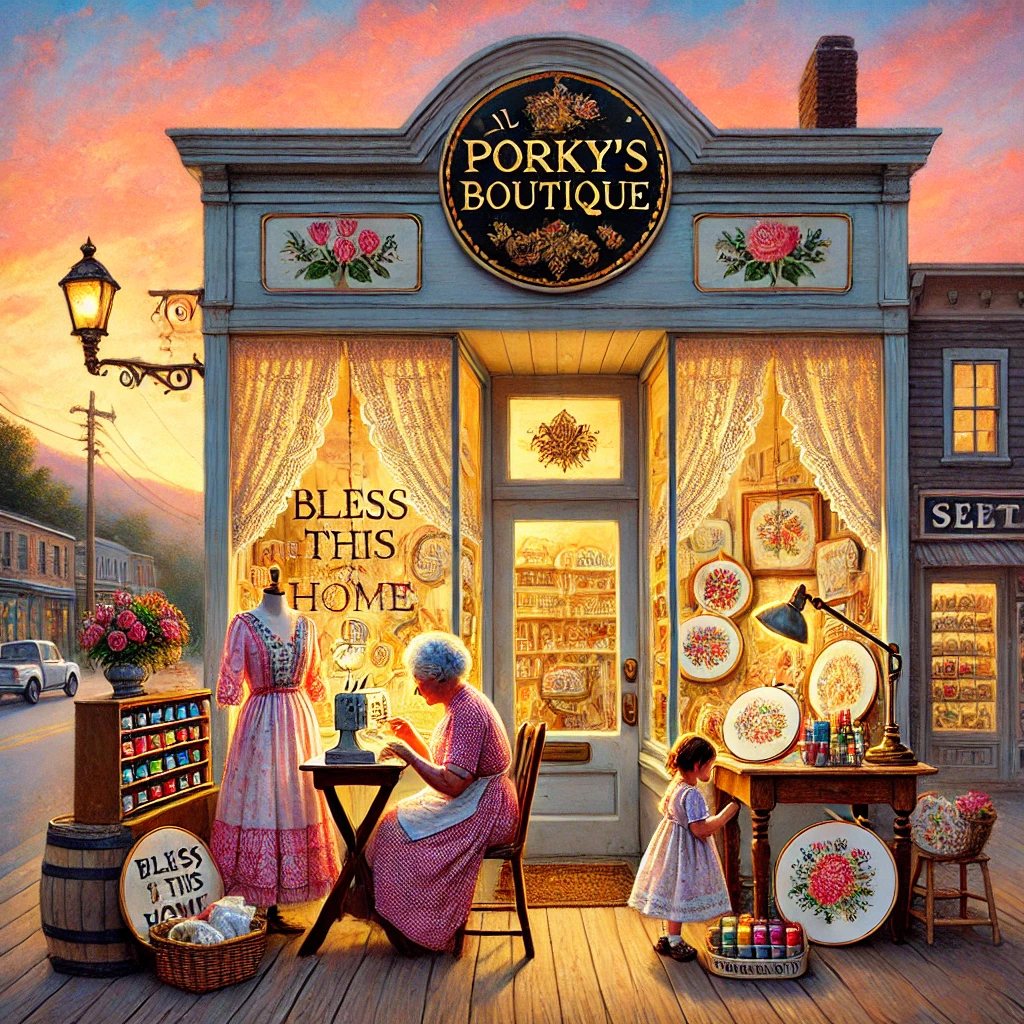
Packaging. It’s often overlooked, yet it plays a crucial role in the story of a product. Imagine the journey of a simple box that cradles something you value, perhaps a beloved item sourced from a small business in Dunlap, Tennessee. Each layer of that package tells a tale of material choices that echo far beyond its mere function. To ensure ethical sourcing in packaging, we must dig deep into the soil of our commitment—not just to the product but to the people and environment that bring it to life.
First, let’s consider the impact of our choices. As consumers, we hold the power to drive change. When we opt for packaging created with sustainably sourced materials, we’re not just reducing waste; we’re honoring the lives of those who manufacture those materials. From the trees that grow tall in Tennessee to the workers crafting the packaging, our decisions ripple through communities. Ethical sourcing nurtures a sense of responsibility—an understanding that every package embodies a network of human stories and environmental consequences.
Now, it’s not just about emotion; it’s about data. Unpacking the numbers reveals the stark truth: traditional packaging often contributes to environmental degradation and social injustice. Recycled materials can lower carbon footprints significantly, making every package a chance for improvement. By supporting brands that prioritize ethical sourcing, we affirm the belief that those materials matter—every decision counts. Statistical evidence shows that consumers increasingly favor companies that are transparent about their sourcing practices. And with each purchase made, we can be agents of change, growing demand for responsible practices.
Let’s foster a community united by shared values. When we choose ethical packaging, we enable brands to thrive—brands that champion fairness, environmental stewardship, and community growth. It’s about connection. When we share these choices with one another, we create a movement, inspiring others to advocate for ethical sourcing. By discussing our experiences with products sourced responsibly, we cultivate a culture of accountability and integrity.
In the heart of Dunlap, Tennessee, or wherever you find yourself, remember that ethical sourcing in packaging isn’t merely a buzzword; it’s a call to connect. Let’s lead with our gut, our heads, and our hearts, creating a world where every package reflects our commitment to a brighter, more ethical future. Together, we can shape the story our purchases tell—making a difference, one package at a time.
How Do We Ensure Ethical Sourcing In Packaging?
How Do We Ensure Ethical Sourcing In Packaging?
- Packaging plays a crucial role in a product’s narrative, influencing consumer perceptions.
- Ethical sourcing in packaging involves a commitment to both products and the people and environment involved in their creation.
- Consumers can drive change by choosing sustainably sourced materials, reducing waste and honoring those who produce them.
- Traditional packaging often contributes to environmental harm; recycled materials significantly lower carbon footprints.
- Supporting brands that prioritize ethical sourcing reveals a growing consumer preference for transparency and responsibility.
- Choosing ethical packaging fosters community values, enabling brands that advocate for fairness and environmental stewardship to thrive.
- Ethical sourcing in packaging is a call to action, encouraging a collective effort towards a more responsible future.

How Do We Ensure Ethical Sourcing In Packaging?
What Role Do Local Artisans Play In Affordable Packaging Solutions?
In towns like Dunlap, Tennessee, the value of local artisans goes far beyond aesthetics; they are pivotal in redefining what affordable packaging can be. Picture the skilled hands of a craftsman, pouring not just materials but heart and soul into creating packaging solutions that tell stories and nurture communities. These aren’t just random products that end up in a landfill; they are vessels of personal connection and sustainability.
Local artisans operate at the intersection of tradition and innovation, skillfully blending age-old methods with contemporary needs. Each crafted piece carries with it a narrative—whether it be the time-honored techniques passed down through generations or the modern design sensibilities rooted in local culture. This blends the emotional resonance with rational pragmatism, appealing to our desires for sustainability while ensuring that budget constraints are met.
Consider the ethical implications of choosing local over mass-produced goods. When we opt for artisanal packaging, we vote with our dollars. We’re supporting our neighbors, fostering economic growth, and advocating for methods that prioritize eco-friendliness over convenience. In a world that often seems driven by speed and efficiency, local artisans reintroduce us to the values of care and mindful consumption. Without doubt, every product they create imparts a sense of trust and reliability—qualities that are essential in today’s often impersonal marketplace.
Moreover, the social impact is profound. By engaging local artisans, businesses not only enhance their brand identity but also create deeper connections with their customer base. People want to know where their products come from, who made them, and how their purchase contributes to a larger community narrative. These artisans are more than just connectors of goods; they’re storytellers, bringing authenticity into packaging.
In Dunlap, Tennessee, the synergy between artisans and businesses demonstrates that affordable packaging does not have to sacrifice quality or integrity. It’s a collective journey toward solutions that reflect our values and redefine our understanding of affordability. When we embrace the artistry of our local craftsmen, we’re not just opting for cost-effective choices; we’re participating in a movement that celebrates creativity, community, and sustainability. That’s more than just packaging; it’s a heartfelt commitment to a brighter future.

What Role Do Local Artisans Play In Affordable Packaging Solutions?
What Role Do Local Artisans Play In Affordable Packaging Solutions?
- Local artisans in Dunlap, Tennessee, redefine affordable packaging through craftsmanship that emphasizes sustainability and community connection.
- Artisans blend traditional techniques with modern design, creating products rich in narrative and emotional resonance.
- Choosing local over mass-produced goods supports economic growth and eco-friendly practices.
- Artisans reintroduce values of care and mindful consumption in a fast-paced market.
- Engaging local artisans strengthens brand identity and fosters deeper customer relationships.
- Transparency about product origins enhances authenticity in packaging.
- The partnership between artisans and businesses promotes quality and integrity in affordable packaging solutions.

What Role Do Local Artisans Play In Affordable Packaging Solutions?
How Can Community Collaboration Lower Packaging Expenses?
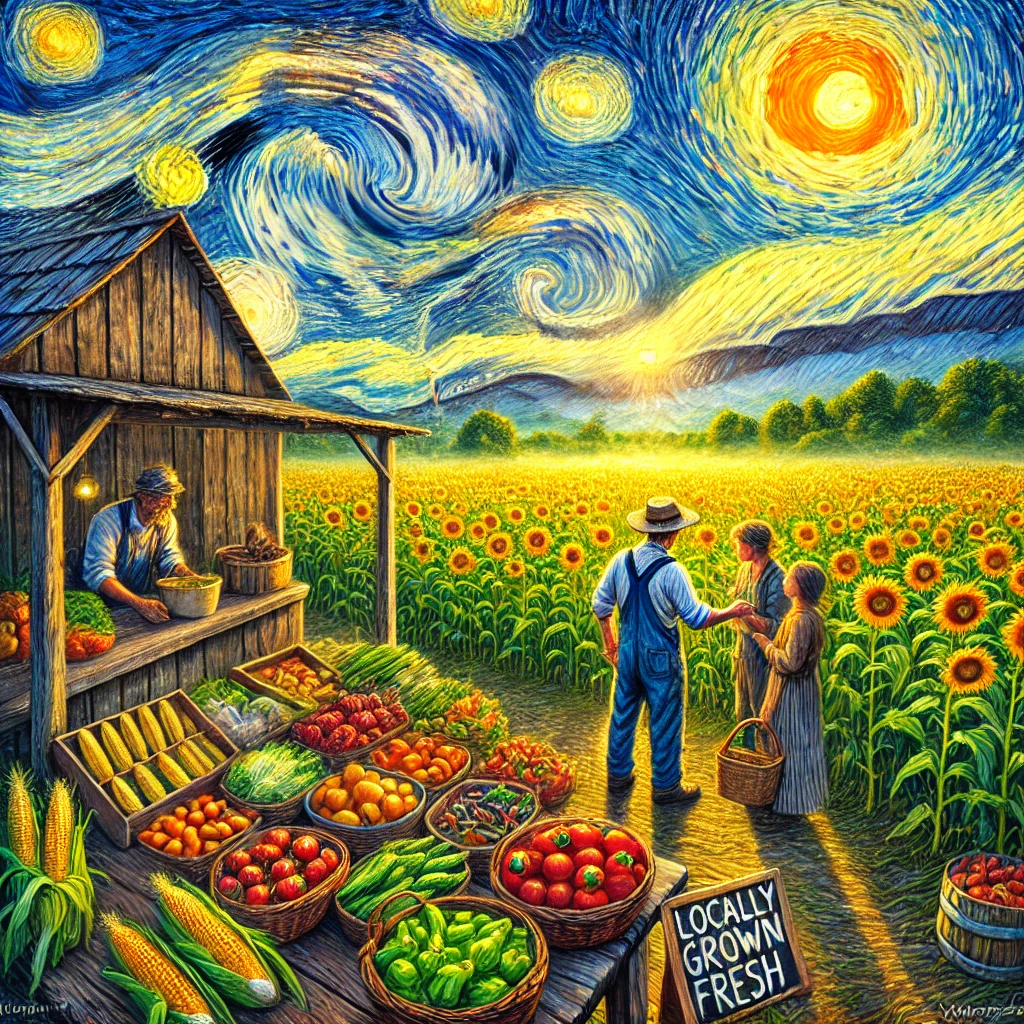
In the heart of Dunlap, Tennessee, a shift is underway—one that could change the way we think about packaging expenses. Picture a small community coming together, pooling resources, and sharing knowledge. It’s not just about cutting costs; it’s about building a foundation of trust and collaboration. When local businesses unite, they create a network that thrives on mutual support. This collective effort can lower packaging expenses in ways that individual companies often overlook.
Imagine a local bakery teaming up with a nearby farm. By sourcing produce directly from each other, they not only reduce delivery costs but also minimize waste. Together, they can negotiate better prices for biodegradable packaging suppliers, fostering a sustainable approach that resonates with environmentally conscious consumers. This partnership nurtures relationships—between farmers, bakers, and loyal customers—building a community ethos that values local business over faceless corporations.
Think of the data: when businesses collaborate, they unlock valuable insights into shared challenges. One company’s struggle with excess packaging might inspire another’s innovative solution. A local manufacturer might discover that a simpler design could cut packaging costs significantly, and by sharing that design with fellow producers, they elevate the whole community. This collaborative spirit enhances efficiency, leading to lower overhead that benefits everyone involved. It’s a clear win-win scenario.
We need to embrace the ethical responsibility that comes with our purchasing power. By choosing to engage in community collaboration, we are directly supporting our local economy. Each dollar spent on locally packaged goods reinforces a cycle of prosperity, creating jobs and fostering innovation. It’s more than just a pragmatic decision; it’s a declaration of our values.
In a world increasingly driven by the bottom line, let’s not underestimate the power of connection. It’s not just about saving a few bucks—it’s about creating a robust framework where family businesses thrive together. When we choose to invest in collaboration, we cultivate a sense of belonging and shared purpose. Together, we can forge a stronger, more resilient community in Dunlap, Tennessee.
Join the movement. Let’s work together, share ideas, and create a future where packaging expenses don’t break the bank but bring us closer together. The heart of this initiative beats with potential. With trust, collaboration, and commitment, we can lower packaging expenses while enriching our community’s fabric.
How Can Community Collaboration Lower Packaging Expenses?
How Can Community Collaboration Lower Packaging Expenses?
- A community in Dunlap, Tennessee is shifting towards collaborative packaging strategies.
- Local businesses are pooling resources and sharing knowledge to cut costs and build trust.
- Partnerships, such as between bakeries and farms, help reduce delivery costs and waste.
- Collaborative efforts allow businesses to negotiate better prices for sustainable packaging.
- Sharing insights among companies fosters innovative solutions to shared challenges.
- Engaging in local collaboration supports the economy, creates jobs, and promotes values.
- The initiative aims to create a resilient community by lowering packaging expenses through teamwork.

How Can Community Collaboration Lower Packaging Expenses?
Conclusion
In Dunlap, Tennessee, where the spirit of the land meets the resilience of its people, the challenge of finding affordable yet quality packaging reflects a deeper narrative of community, innovation, and commitment. Here, packaging isn’t merely a practical necessity; it’s a lifeline for local businesses that serve as the backbone of this vibrant rural economy. The saying goes, “every box tells a story,” but in Dunlap, each package embodies a blend of dreams, hard work, and the relentless entrepreneurial spirit that defines the area.
The local landscape showcases a unique blend of traditional craftsmanship and modern practices, where artisans contribute significantly to packaging solutions that resonate with authenticity and sustainability. These craftsmen are not just creators; they are storytellers whose work fosters deep connections within this tight-knit community. Their efforts highlight the ethical imperative to support local over impersonal mass production, reinforcing the idea that when you choose local goods, you’re investing in your community and promoting a shared value system grounded in mutual respect and responsibility.
The rational side of this equation reveals the benefits of local sourcing—not only does it reduce costs by minimizing transportation and environmental impact, but it also nurtures relationships built on trust and collaboration. Businesses working together can share resources, leading to innovative solutions that help them thrive, demonstrating that the sum of their parts can yield greater returns. This cooperative spirit transforms every transaction into an opportunity for collective growth, underscoring the message that by lifting each other up, all businesses can flourish.
Emotionally, the stakes are high. Consumers are drawn to products that are deeply rooted in their surroundings, carrying with them the pride of craftsmanship and the heritage of the land. When something is crafted with care, it doesn’t just meet a need; it resonates with the values of hard work and commitment. The unboxing experience becomes a shared moment of connection, turning ordinary purchases into lasting relationships.
Dunlap’s story is one of hope and determination. As challenges arise in the balance between cost and quality, residents know that the path forward lies in unity—combining traditional skills with forward-thinking practices. By embracing sustainable materials and ethical sourcing, this community not only preserves its identity but also shapes a more promising future. Each packaging choice reflects a commitment to the land, the people, and the dreams that build the very fabric of rural Tennessee. Together, they are not just meeting a logistical need; they are championing a movement toward sustainability, community, and shared success.

Conclusion
Conclusion:
- Dunlap, Tennessee exemplifies community, innovation, and commitment through affordable quality packaging.
- Packaging serves as a lifeline for local businesses, strengthening the rural economy.
- Artisans in Dunlap blend traditional craftsmanship with modern practices for sustainable packaging solutions.
- Supporting local over mass production fosters community connections and shared values.
- Local sourcing reduces costs, minimizes environmental impact, and builds trust among businesses.
- Consumers are drawn to products that reflect craftsmanship and local heritage, enhancing emotional connections.
- Dunlap combines traditional skills with sustainable practices to shape a promising future for the community.

Conclusion
Other Resources

Other Resources
Here is a list of other resources you can review online to learn more:
- Pickett’s Trout Ranch
- Coops Creek Greenway
- Palmer’s Turf Farm
- Cooperative Response Center, Inc.
- Harrison Bay State Park Campground
- Whitwell Dunlap Buy Sell Trade
- Jack’s Dunlap
- Fall Creek Falls State Park
- The Dunlap Yard
- Buy & Sell, Pikeville & Dayton & Dunlap
- The Vine
- Hall Church Of Christ
- Sequatchie County Fair
- Little Cove Campground
- The Crafty Canary
- Griffith Elementary School
- Quality Inn Hixson-Chattanooga
Use This Prompt To Get More Resources With Your Favorite Online AI Tool: Please provide me with a list of online articles with their URLs in a bulleted list that I can read regarding Packaging and Materials – Finding Affordable Solutions Without Quality Loss In Rural Tennessee

Other Resources
Glossary Terms
Packaging and Materials – Finding Affordable Solutions Without Quality Loss In Rural Tennessee – Glossary Of Terms
1. Acrylic: A transparent plastic used for packaging; lightweight and resistant to shattering, providing durability without compromising visibility.
2. Biodegradable: Materials that can decompose naturally, reducing environmental impact and waste accumulation in rural areas.
3. Cardboard: A thick paper-based material used for boxes; economical and recyclable, offering excellent protection for products during shipping.
4. Corrugated: A strong material made from layers of cardboard; commonly used for shipping boxes due to its structural integrity and cushioning.
5. Eco-friendly: Products or materials designed to have minimal environmental impact, supporting sustainable practices in packaging.
6. Flexible Packaging: Soft, adaptable packaging options like pouches and bags; often lighter and more cost-effective than rigid containers.
7. Glass: A durable, recyclable material frequently used for packaging food and beverages; provides an excellent barrier against contamination.
8. Labeling: The process of creating informative tags for products; essential for consumer awareness and regulatory compliance.
9. Lithography: A printing technique used for high-quality packaging designs; permits vivid graphics and detailed imagery on packaging.
10. Materials Optimization: Process of selecting and using packaging materials to reduce costs while maintaining quality and protecting products.
11. Molded Pulp: A sustainable packaging option created from recycled paper or cardboard; used for creating protective inserts or containers.
12. Plastic: A versatile, lightweight material widely used for packaging, ranging from rigid containers to flexible films; can vary in cost and quality.
13. Recyclability: The capacity of packaging materials to be processed and reused; important for promoting sustainability within the community.
14. Sealant: A material used to close corrugated boxes or flexible packaging; ensures product safety and freshness during transport and storage.
15. Shrink Wrap: A plastic film that shrinks tightly around products when heated; provides tamper evidence and protection from dust and moisture.
16. Sustainable Sourcing: The practice of obtaining materials in an environmentally responsible way, supporting local economies in rural Tennessee.
17. Tamper-Evident: Packaging that provides visible indications when opened; crucial for consumer safety and trust.
18. Transit Packaging: Packaging designed specifically for the shipping process, ensuring products are protected throughout transportation.
19. Value Engineering: The practice of improving product packaging to reduce costs while enhancing functionality and quality.
20. Varnish: A coating applied to packaging materials for gloss or protection; enhances the durability and aesthetic appeal of printed surfaces.
21. Water-Soluble Packaging: A packaging solution that dissolves in water, reducing plastic waste and promoting eco-friendly practices.
22. Woven Bags: Durable bags made from woven materials, commonly used for bulk products; cost-effective and reusable.
23. Bioplastics: Plastics made from renewable sources; designed to reduce reliance on fossil fuels while providing effective packaging solutions.
24. Composite Material: A combination of two or more materials used to enhance performance in packaging, balancing cost and quality.
25. Reduction Packaging: Strategies to minimize material use in packaging without sacrificing integrity, leading to cost savings and waste reduction.
26. E-commerce Packaging: Packaging solutions tailored specifically for online sales; focuses on protection and presentation during shipping.
27. Stretch Film: A highly stretchable plastic film used for securing loads on pallets; minimizes damage during transport.
28. Foam Packaging: Protective packaging that uses foam materials to cushion products; effective for fragile items during shipping.
29. Polyethylene: A widely used plastic for various types of packaging; offers flexibility, durability, and moisture resistance.
30. Thermoforming: A process that shapes plastic sheets into packaging; commonly used for containers and blister packs, enabling cost-effective production.

Glossary Of Terms
Other Questions
Packaging and Materials – Finding Affordable Solutions Without Quality Loss In Rural Tennessee – Other Questions
If you wish to explore and discover more, consider looking for answers to these questions:
- Who are the nearest local suppliers of packaging materials for Dunlap and surrounding counties?
- How do prices for locally sourced materials compare to regional and national suppliers?
- What are typical minimum order quantities and lead times from local vendors?
- Are there grants, subsidies, or tax incentives available to rural businesses for switching to sustainable packaging?
- Which sustainable materials are most cost-effective for specific product types (produce, baked goods, crafts, textiles)?
- How do different packaging materials affect shelf life and product freshness?
- What testing methods should small businesses use to ensure packaging durability during transit?
- What certifications (FSC, BPI, compostable, food-grade) matter and how hard/expensive are they to obtain?
- What regulatory requirements apply to food packaging in Tennessee (FDA, USDA, state rules)?
- How can producers access shared packaging equipment, co-packing, or community manufacturing spaces?
- What low-cost design strategies will reduce material use and waste without sacrificing protection?
- How can small businesses incorporate branding affordably into sustainable packaging?
- What local recycling and composting infrastructure exists, and which materials are actually recyclable/compostable locally?
- Are insulated materials (for temperature-sensitive goods) practical and affordable for small rural shippers?
- How should small operations implement quality control for packaging consistency and safety?
- What common packaging mistakes do rural businesses make, and how can they be avoided?
- How can community cooperatives or buying groups negotiate better pricing with suppliers?
- Are there documented case studies of Dunlap-area businesses that reduced packaging costs while maintaining quality?
- How do you calculate ROI and payback period when switching to new packaging materials or processes?
- What logistical factors (transport distances, storage, seasonal demand) most drive packaging costs in rural areas?
- How can local artisans be trained to scale their packaging production while keeping quality consistent?
- Which environmental impact metrics should businesses track when changing packaging (carbon footprint, waste diverted, energy savings)?
- How can packaging design reduce customer returns, spoilage, and damage claims?
- What mandatory labeling, safety, and legal information must appear on product packaging (ingredients, allergens, origin, handling)?
- How to source verified food-grade materials locally and ensure supplier reliability?
- What affordable tamper-evident, child-resistant, or security options suit small producers?
- How can rural businesses set up packaging take-back, reuse, or deposit programs given limited services?
- What financing or leasing options exist for purchasing packaging machinery or buying materials in bulk?
- How does selling online change packaging requirements (dimensional weight, cushioning, returns) and costs?
- What potential partnerships (universities, extension services, NGOs) can help with packaging research and pilot programs?
- What are practical pilot steps and timelines for testing a new affordable packaging solution?
- How do you accurately estimate per-unit packaging cost, including hidden costs like storage, handling, and waste?
- What strategies allow a business to scale from artisan, small-batch packaging to larger volumes without quality loss?

Other Questions
Haiku
Packaging and Materials – Finding Affordable Solutions Without Quality Loss In Rural Tennessee – A Haiku
In Dunlap’s embrace,
Community crafts with care,
Dreams wrapped tight in love.

Haiku
Poem
Packaging and Materials – Finding Affordable Solutions Without Quality Loss In Rural Tennessee – A Poem
In Dunlap’s embrace, where hills softly sway,
Local hands labor, crafting dreams day by day.
Affordable packaging, a heartfelt quest,
With quality upheld, their resolve must attest.
From farms to the markets, the ties intertwine,
Neighbors supporting, their efforts align.
Local timber and recycled pieces unite,
Sustainable choices that shine ever bright.
A story in each package, a narrative told,
Of artisans’ labor, of values to hold.
In a world filled with giants, they stand proud and tall,
Building legacies whispered in crafts that enthrall.
When costs and ethics forge a steadfast bond,
Community collaboration thrives, and we respond.
Together they flourish, as their spirits entwine,
Creating a framework that’s beautifully divine.
So let us invest in the roots we can see,
Embracing the local, for its power to be.
With every choice made, we weave futures anew,
One package at a time, our hearts and minds true.

Poem
Checklist
Packaging and Materials – Finding Affordable Solutions Without Quality Loss In Rural Tennessee – A Checklist
Checklist for Affordable Packaging Solutions in Rural Tennessee
Emotional Appeals
_____ Storytelling: Highlight the narratives behind locally sourced materials and products.
_____ Community Connection: Emphasize the pride in supporting local artisans and businesses.
_____ Shared Experience: Foster a sense of loyalty and trust through personal connections with products.
Rational Appeals
_____ Cost Analysis: Assess and quantify the benefits of local sourcing vs. traditional sourcing.
_____ Efficiency Strategies: Identify methods to cut costs while maintaining quality (e. g. , bulk purchasing).
_____ Sustainable Practices: Consider using recycled or locally sourced materials to reduce expenses.
Ethical Appeals
_____ Sourcing Integrity: Ensure materials are obtained from ethical suppliers.
_____ Environmental Responsibility: Promote practices that minimize ecological impact and waste.
_____ Community Value: Advocate for supporting businesses that prioritize fair labor practices.
Authority Appeals
_____ Expert Recommendations: Cite case studies and success stories from local businesses.
_____ Best Practices: Provide guidelines from authorities in sustainable packaging and business strategies.
_____ Endorsements: Share testimonials from knowledgeable community members or industry leaders.
Narrative Appeals
_____ Local Stories: Encourage showcasing the unique heritage of Dunlap in packaging designs.
_____ Customer Journeys: Illustrate how customers can connect with products through the packaging story.
_____ Celebrating Tradition: Highlight traditional craftsmanship and its relevance to modern needs.
Social Appeals
_____ Community Engagement: Promote collaborative initiatives among local businesses to share resources.
_____ Partnerships: Encourage partnerships between different local firms to foster mutual growth.
_____ Advocacy for Localism: Highlight the movement of supporting local over corporate, encouraging a culture of community-centric purchasing.

Checklist
At Dunlap Directory, we help Dunlap, Tennessee, business tell stories and market and sell their products and services.
Please share this post with your friends, family, or business associates who may want help telling the stories of their legacy.


