




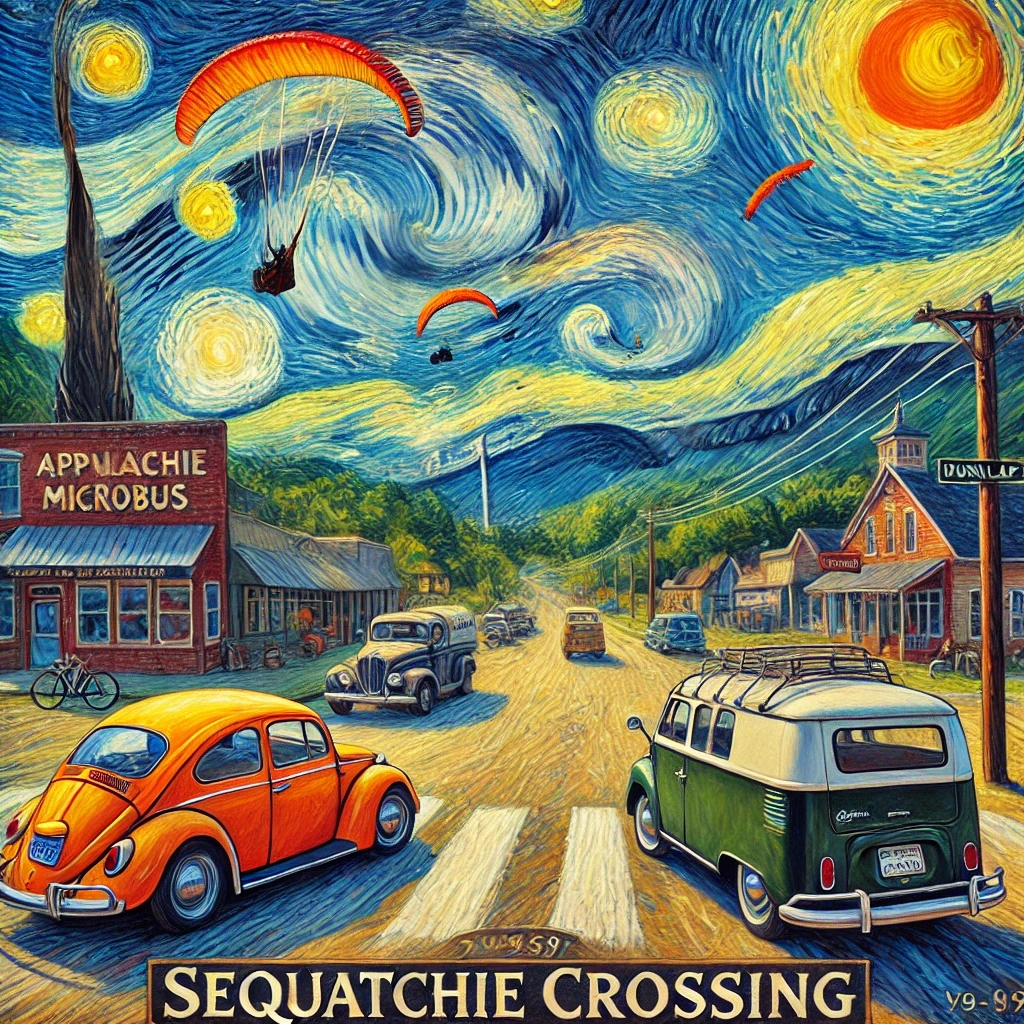







An Overview Of Power Grid Reliability – Understanding Utility Infrastructure Needs In Rural Tennessee
By Tom Seest
At Dunlap Directory, we help Dunlap, Tennessee, business tell stories and market and sell their products and services.
Please share this post with your friends, family, or business associates who may want help telling the stories of their legacy.
Power Grid Reliability – Understanding Utility Infrastructure Needs In Rural Tennessee
Power Grid Reliability – Understanding Utility Infrastructure Needs in Rural Tennessee
When you think of Dunlap, Tennessee, the image might bring to mind picturesque landscapes, hardworking folks, and a community that rallies around one another. Yet, beneath this serene exterior lies a vital need that often goes unnoticed—the resilience of our power grid. In rural areas like Dunlap, the electricity that flickers into homes isn’t just a convenience; it’s the heartbeat of the community.
Imagine a summer evening, the sun setting behind the lush hills, families gathering for dinner, children playing outside. Suddenly, the lights flicker and go out. In more populated areas, interruptions are fleeting, often dismissed as insignificant. But in rural Tennessee, that blackout can mean more than inconvenience; it can disrupt livelihoods, endanger safety, and even threaten the very fabric of daily life. Reliable power isn’t just about comfort; it’s about sustaining the rhythms of life that we cherish.
Residents of Dunlap rely on their power for more than just lighting; it fuels livelihoods—from local businesses to healthcare facilities ensuring that every heartbeat and every transaction is supported. The utility infrastructure here must adapt to the unique challenges posed by geography and weather. It’s not merely about laying down lines; it’s about understanding that every connection is a lifeline, a bridge to opportunity, and a promise of continuity.
Addressing the infrastructure needs of our rural communities invokes a collective sense of responsibility. It calls on utilities, lawmakers, and the people of Dunlap to engage in an honest dialogue about the resources necessary for a robust power grid. This dialogue shouldn’t just be a checklist of needs; it should resonate with ethics and shared values—commitments to safety, sustainability, and service.
Moreover, as the world advances, so too must our infrastructure. Embracing innovative technologies and thoughtful investment can transform challenges into possibilities. It’s the way forward that cultivates trust, confidence, and a shared vision for what rural Tennessee can become—a place where electricity flows as freely as the spirit of its people.
Let’s recognize that ensuring power grid reliability isn’t merely a technical task; it’s a community endeavor. When we come together to advocate for our needs, we create a tapestry of voices that resonate far beyond Dunlap. Each plea for progress and each push for resilience represents a commitment to a brighter future—a future where the lights never flicker for long and every family can thrive.
Power Grid Reliability – Understanding Utility Infrastructure Needs In Rural Tennessee
Power Grid Reliability – Understanding Utility Infrastructure Needs In Rural Tennessee
- Dunlap, Tennessee, represents a rural community with a crucial need for a reliable power grid.
- Power outages in rural areas can disrupt livelihoods and threaten safety, making reliable electricity essential.
- Local power is vital for various sectors, including businesses and healthcare facilities, impacting daily life.
- The utility infrastructure must be adapted to unique geographic and weather challenges faced by rural areas.
- Community engagement is necessary for addressing infrastructure needs, focusing on shared values like safety and sustainability.
- Innovative technologies and investments can enhance infrastructure, transforming challenges into opportunities.
- Ensuring power grid reliability is a collective effort, symbolizing a commitment to building a brighter future for Dunlap.

Power Grid Reliability – Understanding Utility Infrastructure Needs In Rural Tennessee
Table Of Contents
- Power Grid Reliability – Understanding Utility Infrastructure Needs In Rural Tennessee
- What Keeps Rural Tennessee Communities Connected to Power?
- How Does Power Grid Reliability Impact Everyday Life?
- What Are the Hidden Costs Of Unreliable Electricity?
- Who Is Responsible for Improving Our Utility Infrastructure?
- How Can We Ensure Equitable Energy Access for All?
- Conclusion
- Other Resources
- Glossary Of Terms
- Other Questions
- Haiku
- Poem
- Checklist
What Keeps Rural Tennessee Communities Connected to Power?
In the quiet heart of Dunlap, Tennessee, where rolling hills embrace the sky and the rhythm of life seems to align with the pulse of the earth, the essence of community is woven into everyday existence. Here, connections run deeper than wires and cables; they are the invisible threads binding families, friends, and neighbors together.
Imagine a typical Saturday morning in Dunlap. The hum of a lawnmower competes with laughter, while the smell of biscuits baking drifts through open windows. People gather at the local diner, sharing stories over coffee, fostering relationships that have flourished over generations. These moments are more than just routine; they are touchstones of a community’s identity. This is what keeps rural Tennessee connected—not just to each other, but to the very power that fuels their homes and dreams.
The infrastructure that delivers electricity, while crucial, is only a part of the equation. The heart of Dunlap is its commitment to cooperation and collective effort. Local power companies, often community-owned, prioritize service that goes beyond profit margins; they understand their role as guardians of their towns. These companies are more than providers. They are stewards of the local heritage, ensuring that every resident, whether a farmer at dawn or a teacher by day, has access to the energy that powers their potential.
Rationality plays its part; leaders in Dunlap are committed to sustainability and innovation, finding ways to harness renewable resources that respect both the environment and their economic realities. Ethical stewardship is a cornerstone here—residents take pride in knowing their power comes from sources that sustain their home, not strip it bare.
But it’s the stories that truly resonate. Take, for example, the tale of an elderly neighbor who, with the help of her community, harnessed solar energy to power her home. Inspired by her resilience and the collective effort of her friends and family, others followed suit, not just for themselves but for the future of Dunlap.
Together, these elements create a fabric of trust, where ethical choices meet the emotional fabric of community life. It reinforces the idea that power isn’t just about electricity; it’s the collective strength of a town that continues to thrive through connection, cooperation, and courage. This is what keeps Dunlap, Tennessee, alive and vibrant—an enduring commitment to each other, charged with the power of possibility.

What Keeps Rural Tennessee Communities Connected to Power?
What Keeps Rural Tennessee Communities Connected to Power?
- Dunlap, Tennessee, is characterized by its close-knit community and deep connections among residents.
- Saturday mornings feature gatherings at the local diner, fostering relationships and community identity.
- Local power companies prioritize community service over profit, acting as guardians of the town’s heritage.
- Leaders focus on sustainability and innovation, harnessing renewable resources for energy needs.
- Residents take pride in using sustainable energy sources that benefit their home and community.
- A story of an elderly neighbor utilizing solar energy illustrates the community’s collective effort and resilience.
- The essence of Dunlap lies in its commitment to connection, cooperation, and the shared power of possibility.

What Keeps Rural Tennessee Communities Connected to Power?
How Does Power Grid Reliability Impact Everyday Life?
Power grid reliability is more than just a technical concern; it’s the pulse of our everyday existence, impacting everything from our morning routines to our evening relaxations. In places like Dunlap, Tennessee, the power grid is not just a series of wires and poles; it’s the backbone of our community, a lifeline that connects us to the conveniences and comforts we often take for granted. Imagine waking up to an alarm clock that never rings, the lights that refuse to flicker on, or the refrigerator that gives up its cool embrace. These are not simply inconveniences; they are disruptions that ripple through our lives, affecting our productivity, our mood, and our sense of security.
When the power is reliable, we feel empowered. Our homes become sanctuaries where families gather, where shared laughter echoes, and where memories are built. Yet, when outages strike—often during the most critical moments—we face uncertainty and anxiety. It’s not just about comfort; it’s about trust. We trust that the lights will stay on, that the internet will connect us to loved ones, and that our businesses can operate smoothly. A reliable power grid fosters confidence in our infrastructure and the systems that support our daily lives.
Rationally, consider the economic implications of a reliable power supply. Businesses thrive in stable environments; employees are more productive; families can budget better when they know their power won’t go out during a snowstorm. The ethical responsibility of ensuring that everyone has access to this reliability is paramount. Every citizen, regardless of their background, deserves uninterrupted power. It’s a right, not a privilege, and it underscores the very fabric of our society.
Narratives of communities banding together during outages remind us of our shared humanity. Remember that stormy night in Dunlap? Neighbors helping neighbors, pooling resources, and sharing food. Those moments strengthen social bonds and remind us of our interconnectedness. They are reminders that power is not just a commodity; it’s a connection that we share.
So, the next time you flip a switch or plug in your device, take a moment to appreciate the power grid that makes it possible. Reliable power isn’t just about electricity; it fuels aspirations, ignites passions, and underlines our collective journey through life in places like Dunlap, Tennessee. It’s up to us to champion this cause, to advocate for sustained investment in our power infrastructure and to ensure that our communities remain vibrant, connected, and thriving.

How Does Power Grid Reliability Impact Everyday Life?
How Does Power Grid Reliability Impact Everyday Life?
- Power grid reliability is essential for everyday life, influencing routines and comforts.
- In Dunlap, Tennessee, the power grid acts as a community backbone, vital for connection and convenience.
- Power outages disrupt productivity, mood, and security, highlighting the importance of reliable electricity.
- Reliable power fosters empowerment and trust in infrastructure, supporting families and businesses.
- Economic stability is linked to consistent power supply, benefiting productivity and budgeting for families.
- Access to reliable power is an ethical responsibility, emphasizing it as a right for all citizens.
- Community solidarity during outages reveals shared humanity and the relational aspect of power supply.

How Does Power Grid Reliability Impact Everyday Life?
What Are the Hidden Costs Of Unreliable Electricity?
What Are the Hidden Costs of Unreliable Electricity?
In Dunlap, Tennessee, the flickering lights and occasional power outages often go unnoticed until they become a recurrent problem. It’s easy to take electricity for granted, but the costs of unreliable power ripple through our lives in ways that many don’t see coming. When the lights go out, it’s not just about the inconvenience of tripping through darkened rooms. It’s about the tangible and intangible impacts on our daily lives.
Think about what happens when the electricity fails—your refrigerator can’t keep food fresh, potentially leading to waste and loss. The emotional weight of tossing out spoiled groceries isn’t just about lost money; it’s a frustration that eats away at the soul. Families in Dunlap rely on consistent power to fuel their lives, to cook meals, to be together, and when that’s disrupted, it fractures the very foundation of daily routine.
On a broader, rational level, unreliable power can severely impact local businesses. A shop that can’t keep its lights on is not just struggling with higher operational costs; it risks losing customers who seek the reliability and convenience that power provides. This isn’t just a business issue; it’s a community issue. When shops close and jobs disappear, everyone feels the pinch.
Ethically, consider the implications for those who may already be marginalized. In communities like Dunlap, where resources can be scarce, unreliability hits hardest on those who can least afford it. It raises questions about equity and access, forcing us to confront the disparities that exist right in our own backyards. We owe it to our neighbors to ensure that everyone has a stable, running current.
What can we do? It starts with awareness and advocacy. Communities must rally together, demanding accountability from energy providers. Let our shared stories create a narrative that fosters connection and drives action—because with every flicker and flick, there is a collective call to restore something fundamental.
Reliable electricity isn’t just a service; it’s a lifeblood. It connects us, empowers us, and keeps our dreams alive. It’s time we recognize the hidden costs of unreliability and invest in a brighter, steadier future for Dunlap and beyond. When we come together, lighting the path forward, we discover that the cost of action is far less than the price of neglect.

What Are the Hidden Costs Of Unreliable Electricity?
What Are the Hidden Costs Of Unreliable Electricity?
- Unreliable electricity in Dunlap, Tennessee, leads to tangible and intangible costs that impact daily life.
- Power outages can spoil food, causing emotional and financial frustration for families.
- Local businesses suffer due to inconsistent power, risking higher operational costs and loss of customers.
- The issue of unreliable electricity disproportionately affects marginalized communities in terms of equity and access.
- Community awareness and advocacy are essential for holding energy providers accountable.
- Reliable electricity is crucial for connecting and empowering communities.
- Investing in reliable power is vital for a stable future and collective well-being.

What Are the Hidden Costs Of Unreliable Electricity?
Who Is Responsible for Improving Our Utility Infrastructure?
In the heart of Dunlap, Tennessee, where rolling hills meet the spirit of community, the question of who’s responsible for our utility infrastructure resonates deeply. This isn’t just a matter of pipes and wires; it’s about the very lifeblood of our towns. Every time we turn on a tap or flip a switch, we engage in an unwritten contract with those who build and maintain our infrastructure. But who actually shoulders this responsibility?
First, let’s talk about the importance of community engagement. In Dunlap, we’ve seen how conversations can spark action. When residents rally together, advocating for better services, they don’t just demand change; they become the change. It’s a reminder that behind every utility line, every grid, are people—neighbors, friends, and families who rely on these services to thrive. When we bring our voices together, we create a chorus of accountability that local governments can’t ignore.
Governments and utility companies hold a significant share of this duty. Their expertise, funding, and planning shape the foundation of our infrastructure. Yet, it’s not just about paperwork; it’s about the ethical responsibility to provide reliable services. Citizens deserve transparency and dedication, especially when it comes to infrastructure that directly impacts health and safety. It’s crucial for officials to not only listen but also act, transforming plans into tangible benefits for the community.
However, there’s a narrative woven through our shared experiences that plays a critical role in this equation. Each outage during a storm or a burst pipe on a cold winter morning reminds us of our vulnerability. It’s human instinct to seek assurance that someone is watching over our needs. This is where trust becomes invaluable. Residents need to know that they’re not just numbers on a spreadsheet but integral to a system that sees them, understands them, and prioritizes their welfare.
Lastly, we cannot overlook the influence of industry leaders and experts. Their insights are crucial for developing innovative solutions and strategies to modernize our infrastructure. We look to these authorities not just for answers, but for inspiration—encouragement that together, we can forge a path toward a resilient future.
Ultimately, the responsibility for improving our utility infrastructure lies with all of us. It’s a shared journey, rooted in connection, trust, and collective action. In Dunlap, Tennessee, each of us has a role to play, and by uniting our efforts, we can ensure that the systems we depend on are as strong and reliable as the bonds within our community.

Who Is Responsible for Improving Our Utility Infrastructure?
Who Is Responsible for Improving Our Utility Infrastructure?
- The debate over utility infrastructure responsibility in Dunlap, Tennessee, emphasizes its essential role in community life.
- Community engagement is vital; collective action can lead to significant improvements in services.
- Government and utility companies play a crucial role in providing reliable infrastructure and must act with transparency.
- Residents need assurance that their needs are prioritized, fostering trust in the system.
- Industry leaders contribute important insights for modernizing infrastructure and creating innovative solutions.
- Improving utility infrastructure is a shared responsibility that requires connection and collective action from all community members.
- The strength of infrastructure reflects the strong bonds within the Dunlap community.

Who Is Responsible for Improving Our Utility Infrastructure?
How Can We Ensure Equitable Energy Access for All?
In a small town like Dunlap, Tennessee, where the sun rises over the rugged hills and the community breathes life into every corner, energy access isn’t just a convenience; it’s a lifeline. We often take for granted the flick of a switch or the hum of a refrigerator, but for many, it’s a struggle that weighs heavily on their daily existence. The challenge ahead isn’t just about energy; it’s about the human spirit and our collective responsibility.
Imagine a family in Dunlap, huddled together in the cold because the cost of heating is just too high. This is not a distant tale; it’s the stark reality for many. To truly address equitable energy access, we must first grapple with the emotions tied to these stories—stories of resilience in the face of adversity. Each household deserves warmth, light, and the ability to thrive, without the anxiety of mounting utility bills choking their hope.
From a practical standpoint, achieving equitable access requires investment in renewable resources. Wind and solar not only reduce dependence on traditional, costly energy sources but create local jobs, fostering economic growth. It’s a win-win for communities like Dunlap, where energy generation can be harnessed from the abundant natural resources surrounding us. Doing the math, we clearly see an ethical imperative: investing in renewable energy isn’t just smart—it’s the morally right choice.
Moreover, we need to engage local leaders and organizations to champion these causes. When authority figures from our own neighborhoods rise to address energy disparities, they lend credibility and spark action. Their voices resonate deeply when they appeal to what is right, calling fellow citizens to join in the fight for fairness. The narrative is simple: everyone, regardless of their income or zip code, deserves the same access to energy.
It’s easy to feel disconnected from the larger energy landscape, but real change starts in our own backyards. We can build coalitions with local businesses, schools, and non-profits, creating a grassroots movement that speaks volumes. Each partnership strengthens the community fabric and works towards a unified goal—ensuring energy equity for all.
Let’s not just sit back and wait for this to happen. Join me in taking action, lending your voice to those who need it, and pushing for policies that prioritize equitable energy access. It’s time for Dunlap, and every other town like it, to shine brightly.

How Can We Ensure Equitable Energy Access for All?
How Can We Ensure Equitable Energy Access for All?
- In Dunlap, Tennessee, energy access is vital, serving as a lifeline for residents.
- Many families struggle with high costs, affecting their daily lives and well-being.
- Equitable energy access requires addressing emotional stories of resilience and hardship.
- Investment in renewable resources like wind and solar can reduce costs and create jobs.
- Local leaders are essential in advocating for energy equity and sparking community action.
- Grassroots movements involving local businesses and organizations can strengthen efforts for change.
- Collective action and advocacy for policies prioritizing equitable energy access are crucial for all communities.
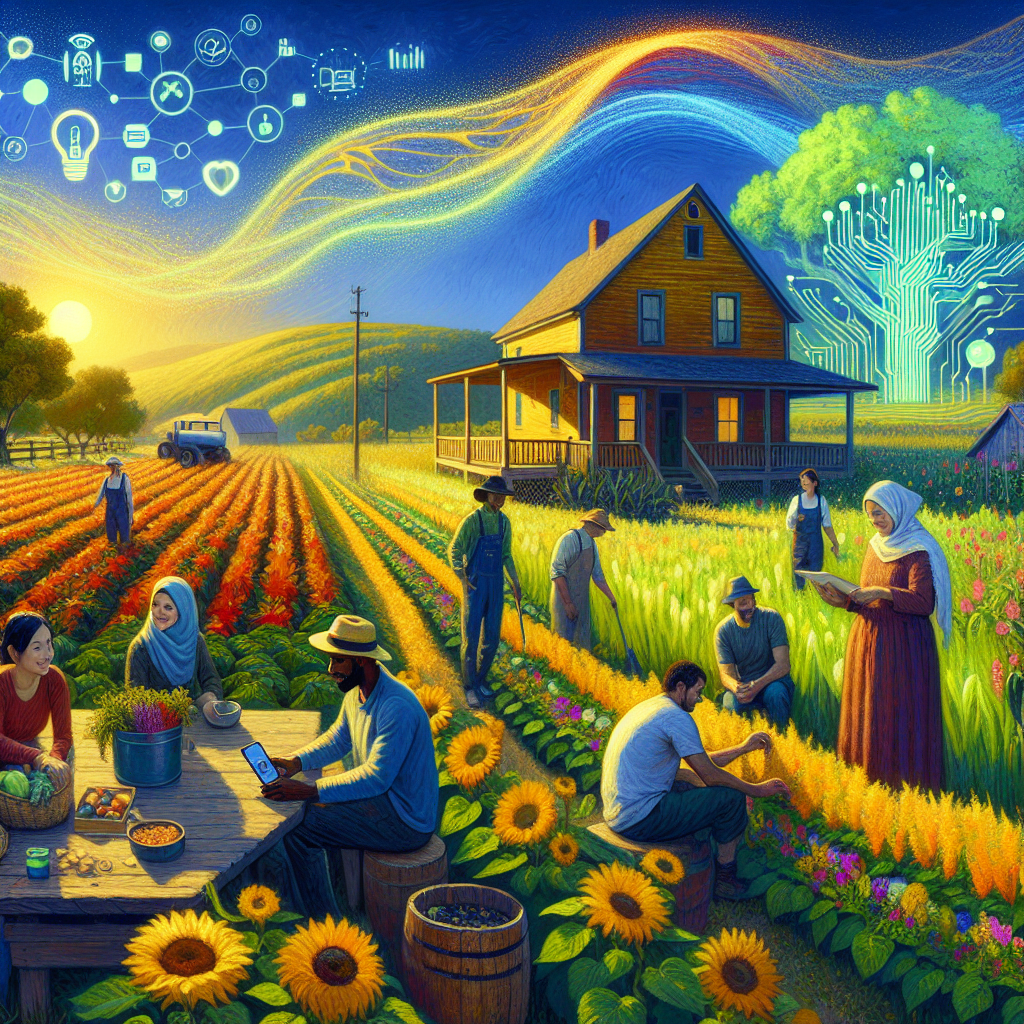
How Can We Ensure Equitable Energy Access for All?
Conclusion
The power grid in Dunlap, Tennessee, symbolizes much more than just electricity; it represents the heartbeat of a closely-knit community. In this picturesque setting, reliable power is not merely a convenience but a necessity that sustains the lives of its residents. When the lights flicker and go out, the repercussions are felt deeply—disrupting not just daily routines but also jeopardizing livelihoods and safety.
The essence of Dunlap, characterized by cooperation and mutual support, becomes even more significant in discussions surrounding utility infrastructure. The community understands that power access fuels everything from family gatherings to business operations. Each connection to the grid emerges as a lifeline, fostering both opportunity and continuity. It’s crucial that local power companies act responsively, prioritizing service for the people over mere profits, ensuring every resident can count on the electricity that fuels their dreams and aspirations.
The dialogue around power grid reliability must engage all stakeholders—utilities, lawmakers, and community members alike—to cultivate a formidable collective effort. It’s not a mere checklist of needs; it’s about facing our shared responsibilities ethically and making commitments to safety, sustainability, and service. As the world evolves, so too must our infrastructure, embracing innovations that turn obstacles into opportunities.
Each moment of unity during power outages—when neighbors come together, pooling resources and sharing what they can—highlights the fundamental truth: power is more than just a service; it embodies the collective strength of the community. This connection becomes vital in building trust and fostering confidence in the systems that support everyday life.
Unreliable electricity carries hidden costs, affecting families and businesses, and amplifying the inequalities faced by marginalized groups. We must advocate for accountability from energy providers and demand a robust commitment to equitable access to power. Ensuring stability within our community isn’t just important; it is our ethical duty.
As we champion the cause of improving our utility infrastructure, we must engage our voices, creating a chorus that resonates beyond Dunlap. The effort to foster a reliable power grid is a community endeavor—a tapestry woven with the threads of our shared stories, struggles, and triumphs. Together, we can illuminate a brighter future where electricity flows unimpeded, empowering every individual to thrive and keep the spirit of Dunlap alive.

Conclusion
Conclusion:
- The power grid in Dunlap, Tennessee, symbolizes the heartbeat of a closely-knit community.
- Reliable electricity sustains residents’ lives, affecting daily routines, livelihoods, and safety.
- The community values cooperation and mutual support regarding utility infrastructure and power access.
- Local power companies are urged to prioritize service for people over profits to fulfill residents’ needs.
- Engagement from utilities, lawmakers, and community members is essential for a reliable power grid.
- Unreliable electricity can exacerbate inequalities faced by marginalized groups, necessitating accountability from energy providers.
- Improving utility infrastructure is a community effort that reflects shared stories, struggles, and triumphs.

Conclusion
Other Resources

Other Resources
Here is a list of other resources you can review online to learn more:
- God’s Warriors Martial Arts
- The Silver Eagle
- Sonic Drive-In
- Historic Coke Ovens Park
- S & J RV Park
- Tides On West Dunlap
- Super 8 by Wyndham Chattanooga/East Ridge
- Walmart Bakery
- Sequatchie County Veterans Memorial Park
- Farm Bureau Insurance
- Upper Creek (Upper Leggett Road) Trailhead of the Cumberland Trail
- Hampton Inn Chattanooga/Hixson
- Udder Yum Ice Cream Shoppe
- Econo Lodge – Hotel in Chattanooga
- Scott’s Transmissions
- Dollar Tree
- Dunlap Natural Gas System
Use This Prompt To Get More Resources With Your Favorite Online AI Tool: Please provide me with a list of online articles with their URLs in a bulleted list that I can read regarding Power Grid Reliability – Understanding Utility Infrastructure Needs In Rural Tennessee

Other Resources
Glossary Terms
Power Grid Reliability – Understanding Utility Infrastructure Needs In Rural Tennessee – Glossary Of Terms
1. Power Grid: A network for delivering electricity from producers to consumers, encompassing generation, transmission, and distribution.
2. Reliability: The ability of the power grid to consistently provide electricity without interruptions or failures.
3. Infrastructure: The physical structures and systems necessary for the operation of the power grid, including power lines, substations, and transformers.
4. Utility: A company that provides essential services such as electricity, water, or gas to consumers.
5. Generation: The process of producing electricity from various energy sources, including fossil fuels, nuclear, and renewables.
6. Transmission: The high-voltage transport of electricity over long distances from power plants to substations.
7. Distribution: The process of delivering electricity from substations to end-users, typically at lower voltages.
8. Substation: A facility that converts high-voltage electricity from transmission lines to lower voltages for distribution.
9. Load: The total amount of electrical power consumed by users at any given time.
10. Demand Response: A strategy that encourages consumers to reduce their electricity use during peak periods in exchange for incentives.
11. Renewable Energy: Energy derived from natural sources that are replenished, such as solar, wind, and hydroelectric power.
12. Grid Resilience: The ability of the power grid to recover quickly from disruptions, such as natural disasters or equipment failures.
13. Interconnection: A link between two or more electrical grids that allows for the transfer of electricity.
14. Capacity: The maximum amount of electrical power that a system can deliver or a facility can generate.
15. Voltage: The electrical potential difference that drives electric current through a circuit.
16. NERC: North American Electric Reliability Corporation, the organization responsible for promoting the reliability of the electric grid in North America.
17. Outage: A temporary loss of electrical power due to maintenance, faults, or extreme weather events.
18. Frequency: The number of cycles per second of alternating current, measured in Hertz (Hz); important for maintaining stability in the grid.
19. Smart Grid: An advanced power grid that uses digital communication technology to detect and react to local changes in usage.
20. Microgrid: A localized grid that can operate independently or in conjunction with the main grid, providing resilience and reliability.
21. Voltage Regulation: Maintaining the voltage level within predetermined limits, ensuring stable power supply.
22. Distributed Generation: The production of electricity from decentralized resources, often located close to the point of use.
23. Energy Storage: Technologies that store energy for later use, helping to balance supply and demand.
24. Transmission Line: High-voltage cables that carry electricity over long distances from generation sites to distribution centers.
25. Load Forecasting: Predicting future electricity demand to ensure the grid can meet needs efficiently.
26. Reserves: Extra capacity that can be called upon during periods of high demand or unexpected outages.
27. Regulatory Commission: Government bodies that oversee and regulate the electricity industry to ensure safe and reliable service.
28. Electricity Market: A marketplace where electricity is bought and sold, influencing investment and pricing in the power sector.
29. Capacity Factor: A measure of how often a power plant operates at its maximum output over a period.
30. Grid Modernization: Upgrading the power grid with advanced technology to improve performance, reliability, and efficiency.

Glossary Of Terms
Other Questions
Power Grid Reliability – Understanding Utility Infrastructure Needs In Rural Tennessee – Other Questions
If you wish to explore and discover more, consider looking for answers to these questions:
- What are the primary causes of power outages in rural Tennessee?
- How often do outages occur here compared with urban areas?
- How long do typical outages last in Dunlap and similar communities?
- What specific infrastructure upgrades are planned for our local grid?
- What is the timeline for those upgrades and who sets the schedule?
- Who pays for grid improvements — utilities, taxpayers, or ratepayers?
- Are federal or state grants available to fund rural grid upgrades?
- How will planned investments affect my electric bill?
- What metrics does my utility use to measure reliability (SAIDI, SAIFI, CAIDI)?
- How are vulnerable customers (medical, elderly, low-income) protected during outages?
- Will utilities prioritize critical facilities like clinics and water systems during outages?
- What role do local electric co-ops play versus investor-owned utilities in rural areas?
- How transparent are utilities about project costs, schedules, and performance?
- How can residents effectively engage with utilities, regulators, and local government?
- What legal or regulatory avenues exist if service is consistently poor?
- Are microgrids or community-scale resiliency projects being considered?
- What opportunities exist for community or rooftop solar in Dunlap?
- Are incentives or rebates available for home solar and battery storage?
- What technical or financial barriers prevent wider renewable adoption locally?
- How will the grid handle more distributed resources like home batteries and EV chargers?
- What is the plan for vegetation management and tree trimming near lines?
- How are utilities preparing for more frequent extreme weather events?
- What emergency preparedness resources and communication systems are in place?
- How do I report an outage and track restoration progress?
- What steps can households take to reduce risk from unreliable electricity?
- Which backup power options (generators, batteries) are most practical for local homes and businesses?
- How will improvements create local jobs or workforce training opportunities?
- How are energy equity and affordability addressed in upgrade plans?
- Are there programs to assist low-income households with energy efficiency or bill relief?
- How will modernization affect ongoing maintenance and future reliability?
- What cybersecurity measures accompany grid digitization and smart devices?
- How is aging infrastructure identified, prioritized, and replaced?
- Are there case studies or pilot projects from other rural towns we can learn from?
- How will upgrades impact small local businesses and agricultural operations?
- Will grid investments support future technologies like widespread EV charging?
- What environmental impacts will proposed solutions have locally?
- How are utilities addressing supply chain or equipment shortages that slow upgrades?
- What role do state regulators and public utility commissions play in approving projects?
- How can community members organize to advocate for faster or fairer improvements?

Other Questions
Haiku
Power Grid Reliability – Understanding Utility Infrastructure Needs In Rural Tennessee – A Haiku
Power lines intertwine,
Hearts beat with electric pulse—
Together we thrive.

Haiku
Poem
Power Grid Reliability – Understanding Utility Infrastructure Needs In Rural Tennessee – A Poem
In the heart of Dunlap, where hills softly rise,
A pulse beats strong, beneath sunlit skies.
Electricity flows, a vital lifeline,
Yet often unseen, like roots intertwined.
Imagine the laughter on a warm summer’s night,
When flickering lights dim, snuffing out light.
Not just a disruption, it’s life’s rhythm stalled,
Livelihoods threatened, community called.
Power’s not merely a flick of a switch,
It’s hope, it’s connection, it’s life without hitch.
Local businesses thrive on this unwavering grace,
Yet, hidden costs linger, shadows we face.
From kitchens with hunger, to shops that won’t thrive,
Unreliable power holds dreams in a dive.
Ethical calls rise, for equity’s hand,
Each family deserves warmth, in this promised land.
So unite, all voices, let integrity steer,
Advocating change, drawing futures near.
Harness the winds, let the sun gifts be shared,
A brighter tomorrow, when all are prepared.
With every heartbeat, every flicker, every plea,
Together in action, we’ll rewrite the story.
For power in unity, we’ll light up the skies,
In Dunlap, Tennessee, where the spirit never dies.

Poem
Checklist
Power Grid Reliability – Understanding Utility Infrastructure Needs In Rural Tennessee – A Checklist
Checklist for Ensuring Power Grid Reliability in Rural Tennessee
Emotional Appeals
_____ Share personal stories of power outages and their impact on daily life.
_____ Highlight the emotional significance of community gatherings that rely on electricity.
_____ Create a narrative around the collective strength demonstrated during power disruptions.
Rational Appeals
_____ Assess the economic impact of unreliable power on local businesses.
_____ Identify practical steps to enhance power grid technology.
_____ Measure the benefits of sustainable energy sources for long-term reliability.
Ethical Appeals
_____ Advocate for equitable access to energy for all community members.
_____ Emphasize the responsibility of utilities to maintain transparent and accountable operations.
_____ Discuss the importance of investing in renewable energy to protect the environment and future generations.
Authority Appeals
_____ Involve local leaders in discussions about infrastructure improvement.
_____ Encourage community members to engage with utility experts on innovative solutions.
_____ Leverage data from reliable sources to support initiatives for power grid enhancements.
Narrative Appeals
_____ Collect testimonials from residents about their experiences with power reliability.
_____ Share success stories of communities that have successfully advocated for improved infrastructure.
_____ Illustrate the interconnectedness of community members through shared experiences related to power access.
Social Appeals
_____ Foster community events focused on advocacy for better infrastructure.
_____ Create partnerships among local businesses, organizations, and residents to campaign for changes.
_____ Utilize social media to amplify community voices and experiences regarding power reliability.

Checklist
At Dunlap Directory, we help Dunlap, Tennessee, business tell stories and market and sell their products and services.
Please share this post with your friends, family, or business associates who may want help telling the stories of their legacy.


