












An Overview Of Product Substitution Strategies – Adapting When Preferred Items Aren’t Available In Rural Tennessee
By Tom Seest
At Dunlap Directory, we help Dunlap, Tennessee, business tell stories and market and sell their products and services.
Please share this post with your friends, family, or business associates who may want help telling the stories of their legacy.
Product Substitution Strategies – Adapting When Preferred Items Aren’t Available In Rural Tennessee
Product Substitution Strategies – Adapting When Preferred Items Aren’t Available in Rural Tennessee
In the small community of Dunlap, Tennessee, there’s a certain rhythm to life. It’s a place where neighbors know each other, and the local store often feels like a second home. But what happens when the shelves are bare or the item you need simply isn’t available? Instead of frustration, it’s an opportunity for creativity and adaptation.
Imagine the scene: it’s Saturday morning, and you’re gearing up for a family barbecue. You’ve got the grill ready but realize the local shop is out of your favorite spice rub. Rather than despair, consider what’s already in your pantry. A few common spices can become a delicious substitute. You might mix paprika, garlic powder, and a hint of brown sugar to create something unique. This is more than just necessity; it’s a chance to innovate, to turn challenges into culinary adventures that bring families closer together.
Product substitution isn’t just about food; it resonates with a way of thinking that stretches across all aspects of rural living. When faced with shortages or limited choices, turning to local substitutes fosters community and supports our neighbors. Need a tool for a project? Rather than heading to the big-box store miles away, check out that old friend who might have what you need gathering dust in their garage. Sharing resources not only gets the job done but strengthens bonds, creating a vibrant tapestry of interdependence among us.
However, it goes deeper than mere practicality. We’re part of a broader narrative that values resourcefulness and community support. By substituting what we can’t find, we reconnect with our roots, honoring the heritage of those who came before us—the farmers, artisans, and craftsmen who thrived on ingenuity. They crafted lives from what they had, teaching us that adversity can be a catalyst for creativity rather than a roadblock.
The ethics of supporting local products cannot be overstated. Choosing local goods fosters economic sustainability, preserving the very essence of rural living. When you opt for what’s available in Dunlap, Tennessee—be it locally sourced produce or handmade crafts—you’re not just making a purchase; you’re investing in your community’s future.
So the next time you find yourself facing a shortage, embrace the challenge. Look around you, explore the resources that you can substitute, and remember that every adaptation is a step toward resilience. Let every decision reflect a commitment to creativity and community, turning obstacles into opportunities that drive us forward, together.

Product Substitution Strategies – Adapting When Preferred Items Aren’t Available In Rural Tennessee
Product Substitution Strategies – Adapting When Preferred Items Aren’t Available In Rural Tennessee
- Product substitution promotes creativity and adaptation in rural Tennessee communities.
- Local challenges, like missing items, can be met with innovative solutions using pantry staples.
- Collaboration with neighbors fosters resource sharing and strengthens community bonds.
- The practice reflects a commitment to resourcefulness and honors local heritage.
- Supporting local products enhances economic sustainability and community investment.
- Embracing challenges encourages resilience and turns obstacles into opportunities.
- Every substitution decision reinforces the importance of creativity and community engagement.

Product Substitution Strategies – Adapting When Preferred Items Aren’t Available In Rural Tennessee
Table Of Contents
- Product Substitution Strategies – Adapting When Preferred Items Aren’t Available In Rural Tennessee
- What Happens When Your Favorite Product Is Suddenly Gone?
- How Can You Find Alternatives That Suit Your Needs?
- Are You Prepared to Make Substitutions In a Pinch?
- What Strategies Can You Use to Adapt to Product Shortages?
- How Do Local Resources Impact Your Substitution Choices?
- Conclusion
- Other Resources
- Glossary Of Terms
- Other Questions
- Haiku
- Poem
- Checklist
What Happens When Your Favorite Product Is Suddenly Gone?
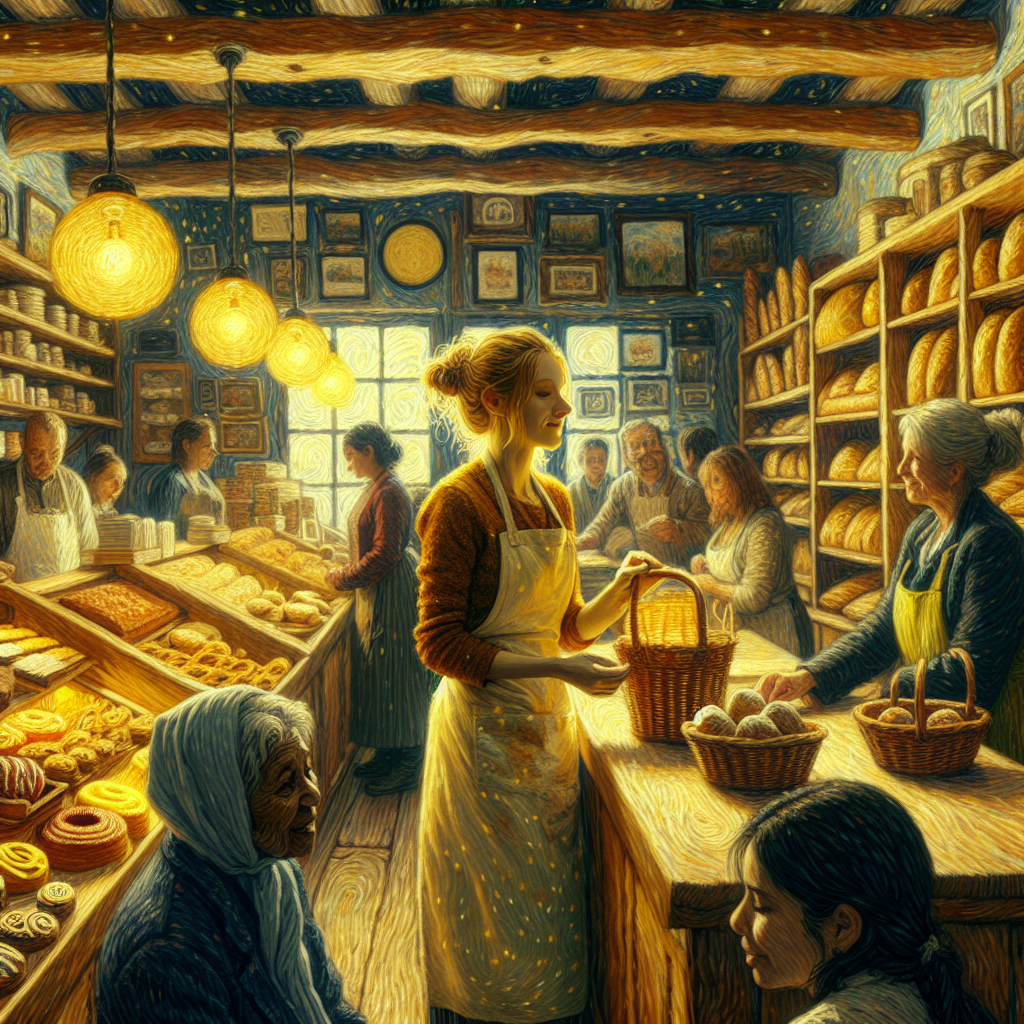
In the small town of Dunlap, Tennessee, a peculiar bond exists between its residents and the products they cherish. Picture a Saturday morning, the sun rising over the Smoky Mountains, and the mouthwatering aroma of freshly baked cinnamon rolls permeating the air. These are not just pastries; they represent a tradition, a comfort, and a connection to community. But what happens when that beloved bakery suddenly closes its doors, leaving a void that seems impossible to fill?
For many, the sudden absence of a favorite product evokes a sense of loss that transcends the tangible. It’s an unsettling feeling, as if a piece of one’s identity has been whisked away. This isn’t merely about a cinnamon roll or a favorite local coffee; it’s about cherished rituals—those early morning moments when you share laughter, stories, and a sense of belonging. The heart aches, the gut tightens, and the mind races with uncertainty. How did we let this happen?
We start to ponder the consequences. Economically, the closure impacts not just the loyal patrons but the whole community. Local businesses feed off one another; one absence can create a ripple effect. Ethically, we begin to ask ourselves why we weren’t more supportive. As consumers, we hold power. Every dollar spent is a vote for the community we believe in. When we let our favorites slip away without a second thought, we risk losing the very fabric of small-town life.
Moreover, there’s an authority in these emotions. We trust our favorite brands—they become a part of our daily narrative. Their products are more than commodities; they are woven into the story of who we are. When they vanish without warning, it triggers a wave of concern. Have we normalized this transient lifestyle? In a society driven by convenience, perhaps we’ve taken these treasures for granted.
But here lies an opportunity. The absence of a beloved product can inspire action. It can bring a community together, sparking conversations and igniting new initiatives. People rally, creating pop-up bakeries, local cooperatives, or supporting other small businesses. Collectively, we reclaim the narrative, making room for other favorites and memories to be formed.
The questions remain, but so does the chance for connection. In Dunlap, the smoke may clear, but the sweetness of community persists, reminding us to cherish and support the treasures that enrich our lives.
What Happens When Your Favorite Product Is Suddenly Gone?
What Happens When Your Favorite Product Is Suddenly Gone?
- Residents of Dunlap, Tennessee, have a deep connection to cherished local products, particularly their bakery items.
- The closure of a beloved bakery creates a profound sense of loss and identity crisis among the community.
- This loss is not just about products, but about the rituals and connections formed around them.
- The economic impact of closure affects not just patrons but the wider community, highlighting interdependence among local businesses.
- Consumers hold power through their spending, which influences community support and sustainability.
- The absence of familiar brands can inspire community action, including pop-up shops and new local initiatives.
- Dunlap’s experience emphasizes the importance of cherishing and supporting local treasures that enhance community life.

What Happens When Your Favorite Product Is Suddenly Gone?
How Can You Find Alternatives That Suit Your Needs?
Finding alternatives that suit your needs can be a journey of discovery, often leading you to unexpected places and insights. Nestled in the heart of Dunlap, Tennessee, individuals find themselves at a crossroads now and then. It’s a town that embodies the spirit of resilience and creativity, showcasing the power of community in overcoming challenges.
Imagine standing at the base of the great Cumberland Mountains, with options stretching before you like the winding roads leading into the unknown. You’re not just searching for alternatives; you’re investigating possibilities that resonate with your life’s story. Every decision you make can echo in your life like the sounds of laughter around a campfire, shared by neighbors and friends. The emotional connection to your choices matters. It’s about pursuing what truly satisfies the heart.
Balance your heart with your head, though. Practicality is a crucial companion on this journey. As you rummage through choices, weigh your options logically. Consider factors like sustainability or cost-effectiveness. Understand the implications behind simple decisions; every product or service has a ripple effect on the community and environment. Ethical considerations should inform your choices, as they reflect your values and vision for the future.
Narratives play a powerful role in this search. Think about the stories of those around you in Dunlap. What paths have they trodden? Talk to your neighbors; share experiences, hear successes, and learn from challenges. These shared stories weave a fabric of trust in your community. They serve as reminders that finding the right alternative is not a solitary endeavor but a shared journey of growth.
As you narrow down your alternatives, tap into the wisdom of those who’ve walked similar paths. Seek out local experts, whether they’re seasoned entrepreneurs or passionate artisans. Their authority can guide you through unfamiliar territory with confidence. Community gatherings or local events present opportunities to learn from others, fostering connections that can prove invaluable.
Lastly, remember that finding the right alternative is about feeling at home in your choice. Embrace the discomfort of uncertainty, for it often leads to growth. Take that leap into what feels right for you—emotionally, rationally, and ethically. In Dunlap, Tennessee, the journey to finding alternatives isn’t just about finding solutions; it’s about discovering yourself along the way.

How Can You Find Alternatives That Suit Your Needs?
How Can You Find Alternatives That Suit Your Needs?
- Finding alternatives is a journey of discovery with unexpected insights.
- Dunlap, Tennessee, represents resilience and creativity, exemplifying community strength.
- Choices made reflect personal stories and emotional connections.
- Balance emotional satisfaction with practical considerations like sustainability and cost.
- Shared narratives in the community foster trust and growth.
- Seek wisdom from local experts and community gatherings to guide your decisions.
- The journey of finding alternatives promotes personal growth and self-discovery.

How Can You Find Alternatives That Suit Your Needs?
Are You Prepared to Make Substitutions In a Pinch?
Picture this: You’re standing in your kitchen in Dunlap, Tennessee, ready to whip up a meal that will make your family proud. The aroma of spices fills the air, and anticipation buzzes like the summer cicadas outside. But as you reach for that crucial ingredient, a wave of panic washes over you. The pantry is bare. What do you do?
In moments like these, it’s easy to feel defeated. But here’s the thing—every seasoned cook knows that a little creativity can go a long way. Life doesn’t always hand you the exact recipe you want, and that’s where the magic happens. Embracing substitutions not only adds a twist to your dish but also sparks joy and connection in your cooking. When you make do with what’s available, you’re practicing resourcefulness—an invaluable skill that echoes throughout every aspect of life.
From a purely rational standpoint, many times, substitutions can enhance the flavors of a dish. That absent ingredient might just allow another to shine brighter. Perhaps you’re out of buttermilk but have yogurt on hand. That tangy richness can elevate your pancakes beyond the ordinary. It’s not just about cooking; it’s about problem-solving, finding balance, and making the most of what you have. When you tackle challenges with confidence in the kitchen, you forge trust within yourself. You begin to understand that perfection isn’t the goal; resilience is.
Let’s get to the ethical side too—cooking with what you have is also about sustainability. In a world that often prioritizes excess, making substitutions teaches us to appreciate ingredients and minimize waste. This practice connects us to our roots and our communities. It’s about being responsible stewards of what we have, reducing our carbon footprints, and honoring the farmers who bring fresh produce to our tables.
Every dish tells a story, and when you’re willing to adapt, you invite others to join you in that narrative. Gather your family, share laughter, and blend personalities into your meals. Each time you make a substitution, know that you’re not just saving dinner; you’re weaving deeper connections and creating lasting memories.
So the next time you find yourself in a zip, remember this: it’s not about having all the right ingredients; it’s about making the best of what you have. Embrace the pinch, and let your culinary creativity flow!

Are You Prepared to Make Substitutions In a Pinch?
Are You Prepared to Make Substitutions In a Pinch?
- Standing in the kitchen, a cook faces a bare pantry before preparing a meal.
- Creativity in cooking allows for substitutions, transforming challenges into opportunities.
- Substitutions can enhance flavors and elevate dishes, turning cooking into problem-solving.
- Confidence in the kitchen builds resilience, emphasizing that perfection is not the goal.
- Cooking with available ingredients promotes sustainability and minimizes waste.
- Adapting recipes leads to deeper connections with family and shared experiences.
- Making the most of what you have encourages culinary creativity and joy.

Are You Prepared to Make Substitutions In a Pinch?
What Strategies Can You Use to Adapt to Product Shortages?
In the heart of Dunlap, Tennessee, you might find folks sitting on porches, chatting about the times when there seemed to be an endless supply of everything we needed. But when shortages hit, it’s time for communities to come together, rolling up our sleeves and tackling challenges head-on. Here are some strategies that can help us adapt and thrive.
First, gather your local resources. Whether it’s a neighbor with a green thumb or a friend who runs a small business, engaging your community allows for a resource-sharing network. Imagine trading fresh vegetables for homemade bread. This isn’t just practical; it’s an age-old tradition that fosters trust and camaraderie among neighbors. We aren’t just surviving; we’re forming bonds that go deeper than any product on a store shelf.
Next, shift your mindset from scarcity to creativity. Embrace the idea that a little ingenuity can go a long way. When a beloved item is unavailable, explore alternatives. Need a particular ingredient? Look for local substitutes that might just surprise you. This strategy not only taps into your creativity but also supports local farmers and suppliers who might be facing their own hurdles. The heart of a community strengthens when we support one another through thick and thin.
Then there’s the importance of communication. Open dialogues about what you’re facing will not only alleviate concerns but also inspire collective problem-solving. Share your thoughts online or in community groups; you might find someone who has the exact solution you need. This builds a collective resilience, helping everyone feel seen and heard.
Moreover, let’s talk about ethical consumption. When faced with shortages, consider the source of your products. Support businesses committed to sustainable practices. This isn’t just about making a purchase; it’s about making a statement. By choosing where and how you buy, you can influence the market in favor of responsible vendors. In Dunlap, we value our community’s integrity, and supporting ethical options underscores our commitment to what matters.
Lastly, remember that adaptation is not about surrendering to scarcity; it’s about embracing opportunity. Share your stories of how you’ve navigated these challenges. When you inspire others through your journey, you create a ripple effect of resilience. Together, our wisdom, creativity, and connections can turn shortages into stepping stones toward a more robust tomorrow. So let’s keep the conversation going and ensure that Dunlap stands strong, united, and ready for whatever comes next.

What Strategies Can You Use to Adapt to Product Shortages?
What Strategies Can You Use to Adapt to Product Shortages?
- Dunlap, Tennessee fosters community engagement during shortages.
- Local resource sharing encourages camaraderie and mutual support.
- Creativity helps in adapting to unavailable items by exploring alternatives.
- Open communication inspires collective problem-solving and resilience.
- Supporting ethical businesses promotes sustainability and community integrity.
- Adaptation is seen as an opportunity for growth rather than surrendering to scarcity.
- Sharing personal experiences can inspire others and strengthen community bonds.

What Strategies Can You Use to Adapt to Product Shortages?
How Do Local Resources Impact Your Substitution Choices?
Nestled in the rolling hills of Dunlap, Tennessee, one might not expect a rich tapestry of local resources to influence how we make our choices. Yet, when it comes to the substitutions we consider—be it in food, product sourcing, or community support—the impact of what’s available around us is profound. Local resources are more than just commodities; they are woven into the very culture and identity of a community.
Think about it: when you choose to buy locally, you are not merely making a purchase; you’re casting a vote for your values. This choice speaks volumes about your commitment to sustainability, ethics, and community well-being. Imagine walking into a store and recognizing the faces behind the products. These are your neighbors, your friends, and your fellow residents of Dunlap. You know their story, and their successes resonate with your own aspirations. The connection is personal; it evokes a sense of responsibility towards fostering a thriving local economy.
From a rational perspective, supporting local yields tangible benefits. Local products often come fresher, more flavorful, and sometimes at a better value. It’s a straightforward arithmetic that doesn’t require a degree in economics to understand. When you buy local, you minimize the carbon footprint associated with transportation, contributing to a healthier planet. This isn’t just good for your conscience; it’s good for your wallet, too. When local businesses thrive, the community flourishes, creating a ripple effect that enhances everyone’s quality of life.
However, beyond the logic lies the heart of the matter. The ethical impulse to support local means investing in a future where our children can grow up knowing the value of community. The relationships we cultivate through these choices foster social cohesion, knitting us closer together in times of prosperity and adversity alike.
Consider stories from fellow Dunlap citizens who have shifted their buying habits. They’ve experienced firsthand how supporting local resources invigorates not just the economy but the spirit of the community. Each substitution choice you make is a thread in the fabric of your locality, connecting you to a larger narrative that underscores the significance of community resilience.
Embrace these choices with confidence. They reflect who you are and, more importantly, who you wish to be—a steadfast supporter of your community, rooted in the values of sustainability, connection, and progress. Make your substitutions with intention, and watch as they transform not only your life but the lives of those around you.

How Do Local Resources Impact Your Substitution Choices?
How Do Local Resources Impact Your Substitution Choices?
- Local resources in Dunlap, Tennessee greatly influence community choices and identity.
- Buying locally reflects personal values, including sustainability, ethics, and community well-being.
- Support for local businesses fosters a sense of responsibility and personal connection within the community.
- Local products are often fresher, more flavorful, and provide better value while minimizing carbon footprints.
- The ethical decision to support local contributes to community cohesion and prepares a better future for children.
- Personal stories from Dunlap citizens highlight the positive impact of local buying on both economy and community spirit.
- Intentional substitutions can transform personal lives and strengthen community ties.

How Do Local Resources Impact Your Substitution Choices?
Conclusion
In Dunlap, Tennessee, life thrives on connection and resilience. When shelves run bare, it doesn’t signal defeat; it sparks a community’s creativity. Picture a Saturday morning: the grill is set for a family feast, but that special spice rub is missing. Instead of frustration, resourcefulness takes the spotlight. A sprinkle of paprika here, a dash of garlic powder there, and suddenly, a delightful new flavor emerges. This adaptability extends beyond the kitchen—it’s a mindset that permeates rural life. When a tool is needed, sharing becomes second nature, not just an act of necessity but a reinforcement of community bonds.
This sense of interdependence teaches us to honor tradition and the resourcefulness of our forebears, who crafted lives from limited means. By opting for local substitutes, we not only enrich our own lives but invest in the community’s future. Supporting local businesses bolsters the economy and preserves the essence of small-town living. Each choice we make becomes an affirmation of our values and commitment to sustainability.
The sudden absence of familiar products can trigger loss and concern, evoking memories tied to rituals that define our daily lives. But therein lies an opportunity. When a beloved bakery closes, it can galvanize connections, spurring pop-up ventures or new local initiatives. Facing shortages together strengthens our community narrative, entwining our stories in a beautiful tapestry of resilience and support.
Finding alternatives is a quest that can reveal hidden treasures in our neighborhoods. It’s about more than just practical solutions; it’s a journey that resonates emotionally and ethically. Every decision echoes in our lives, and engaging in conversations about local challenges helps cultivate trust and bonds among neighbors. Learning from one another’s experiences amplifies community wisdom, reminding us that success is often a shared endeavor.
As we adapt to change, our culinary creativity becomes a beacon of connection. Each substitution is not merely a workaround but an opportunity to create lasting memories and deepen relationships. Embracing the unknown and accepting that perfection isn’t the goal ignites our spirit and drives home the importance of resourcefulness.
In this thriving community, every challenge we face is an invitation to innovate. Let’s harness the power of our connections and embrace the journey of adaptation together, confirming our commitment to support one another through every twist and turn. In Dunlap, resilience isn’t just a word; it’s a way of life, a cherished thread in the fabric of our shared existence, where we turn obstacles into opportunities hand in hand.

Conclusion
Conclusion:
- In Dunlap, Tennessee, community thrives on connection and resilience.
- Resourcefulness emerges when faced with shortages, like adapting spice blends for cooking.
- Sharing tools and resources strengthens community bonds and reflects a rural mindset.
- Supporting local businesses enriches the community and sustains small-town living.
- Loss of familiar products can unite communities, sparking new initiatives and connections.
- Finding alternatives fosters emotional and ethical engagement within the neighborhood.
- Every challenge serves as an opportunity for innovation and deeper relationships in Dunlap.

Conclusion
Other Resources

Other Resources
Here is a list of other resources you can review online to learn more:
- Bledsoe Telephone Co-Op
- HUBNER Component Solutions LLC
- Farm Bureau Insurance
- Super 8 by Wyndham Chattanooga/East Ridge
- Falling Water Baptist Church
- Dunlap Tennessee and Surrounding County
- Friends Of The Park Of Sequatchie County
- Tennessee Aquarium
- Mowbray Pike Trailhead of the Cumberland Trail
- Walgreens Photo
- Intoxalock (6100 SR28, Dunlap, TN)
- Valley View Gardens
- American Trust Cash Advance
- Mountain Valley Bank
- Foster Falls Campground
Use This Prompt To Get More Resources With Your Favorite Online AI Tool: Please provide me with a list of online articles with their URLs in a bulleted list that I can read regarding Product Substitution Strategies – Adapting When Preferred Items Aren’t Available In Rural Tennessee

Other Resources
Glossary Terms
Product Substitution Strategies – Adapting When Preferred Items Aren’t Available In Rural Tennessee – Glossary Of Terms
1. Adaptation: Modifying product choices based on availability and regional preferences.
2. Alternatives: Options that can replace a preferred item, often based on similar function or value.
3. Availability: The degree to which a product can be accessed or obtained in a specific area.
4. Barriers: Factors that hinder access to preferred products, including economic, geographic, or social constraints.
5. Community Needs: Specific requirements or preferences of individuals within a local area, influencing product choice.
6. Cost-Effectiveness: Evaluating substitutes based on price relative to quality and utility.
7. Distribution Channels: Pathways through which products reach consumers, impacting available options.
8. Economic Resilience: Ability of a community to withstand economic challenges by adapting product use.
9. Emotional Connection: Attachment consumers have to preferred products, influencing their willingness to switch.
10. Founder’s Approach: A method developed by local leaders to encourage substitution strategies tailored for rural areas.
11. Generic Brands: Brands that offer similar products at lower prices compared to national brands.
12. Innovation: Developing new alternatives that meet local needs and preferences effectively.
13. Local Sourcing: Obtaining products or ingredients from local producers to enhance availability.
14. Market Research: Gathering data about consumer preferences and behaviors to inform substitution strategies.
15. Niche Products: Unique items that serve specific consumer segments often overlooked by mainstream products.
16. Price Sensitivity: The degree to which the purchasing decision is influenced by price changes.
17. Product Development: The process of designing and introducing new substitutes into the market.
18. Quality Assurance: Ensuring that substitutes meet acceptable standards for safety and effectiveness.
19. Rural Supply Chains: Networks that facilitate the movement of products in rural areas.
20. Sustainability: Implementing practices that minimize environmental impact while meeting consumer needs.
21. Supply and Demand: Basic economic concept driving availability and choice of products in the market.
22. Substitution Effect: Economic theory explaining how consumers switch to alternatives when prices change.
23. Trial and Error: Experimenting with various substitutes to determine consumer acceptance and preference.
24. User Feedback: Input from consumers regarding their satisfaction with alternative products.
25. Value Proposition: The reasoning of consumers for choosing one product over another based on perceived benefits.
26. Virtual Marketplaces: Online platforms that expand access to products not readily available locally.
27. Wholesale Distributors: Companies that supply products in bulk to retailers, influencing local inventory.
28. Cultural Preferences: The impact of local customs and traditions on product choice and acceptance.
29. Consumer Education: Informing consumers about the benefits and uses of alternative products.
30. Economic Diversification: Expanding the range of products and services available in rural areas to reduce reliance on a few items.

Glossary Of Terms
Other Questions
Product Substitution Strategies – Adapting When Preferred Items Aren’t Available In Rural Tennessee – Other Questions
If you wish to explore and discover more, consider looking for answers to these questions:
- What specific pantry spices or ingredients can reliably substitute common branded spice blends?
- How do you adjust cooking times or proportions when using substitutes to get similar results?
- Where are the nearest sources for local products and substitutes in Dunlap and surrounding areas?
- How can you verify the safety and quality of a substitute product (food, tool, or material)?
- Which substitutions preserve the same nutritional value or dietary profile?
- How do substitutions affect cost—are they typically cheaper or more expensive?
- What are easy, local substitutes for common household tools and hardware?
- How can you start or join a neighborhood tool- and resource-sharing network?
- What legal or liability issues should you consider when borrowing or lending tools and equipment?
- How can small businesses in Dunlap pivot to offer viable substitutes during shortages?
- What are best practices for preserving seasonal produce (canning, drying, pickling) as substitutes later in the year?
- How can you find recipes and guides specifically tailored to substitution in rural settings?
- How should you handle substitutions for people with food allergies or strict dietary restrictions?
- Which substitutions are likely to alter flavor profiles significantly and how can you mitigate that?
- How do you scale substitutions for large gatherings or community events?
- What are low-effort substitutions for common household cleaning and personal care products?
- How can you identify trustworthy local artisans, producers, and small-scale suppliers?
- What online or regional resources exist to help rural consumers source substitutes (marketplaces, co-ops, forums)?
- Are there community or government programs that support rural supply resilience and local substitution efforts?
- How can ethical and environmental factors be weighed when choosing a substitute?
- What are realistic short-term vs. long-term substitution strategies for chronic shortages?
- How do you communicate effectively with local retailers about product shortages and needed substitutes?
- What are practical steps to start a local cooperative, farmers’ market, or pop-up to supply substitutes?
- How can families teach children to be resourceful and safe when making substitutions?
- What skills (preserving, basic repairs, foraging, gardening) are most valuable for substitution preparedness?
- How can substitutions reduce waste and support sustainability in a rural community?
- What are the potential downsides or risks of relying too heavily on substitutes?
- Are there historical examples or local case studies of successful substitution and community resilience in Dunlap?
- How can individuals measure the economic impact of choosing local substitutes on the community’s economy?

Other Questions
Haiku
Product Substitution Strategies – Adapting When Preferred Items Aren’t Available In Rural Tennessee – A Haiku
In rural valleys,
Neighbors share and adapt well,
Roots grow through shortages.

Haiku
Poem
Product Substitution Strategies – Adapting When Preferred Items Aren’t Available In Rural Tennessee – A Poem
In Dunlap’s heart, where the river flows,
Neighbors gather, and a spirit grows.
When favorites fade from the familiar shelf,
Creativity stirs; we adapt, ourselves.
Imagine the grill on a Saturday bright,
But the spice rub is gone, not a trace in sight.
A dash of paprika, a sprinkle of cheer,
Turn pantry staples into treasures we hold dear.
A cinnamon roll, warm from the baker’s hand,
Without it, we ponder, how to understand.
It’s not just a treat; it’s the laughter we share,
An echo of moments, a community’s care.
Resourceful hearts find new paths to explore,
Trading and sharing, opening doors.
From gardens to tool sheds, we forge and we blend,
In every small act, the ties of love mend.
Let the absence inspire, light creative sparks,
In every tough pinch, find potential in parks.
Sustainability beckons, urging us near,
To the farm-fresh choices that bring us such cheer.
Every decision a step towards resilience,
Together we thrive, bolstered by brilliance.
So embrace the challenge, let connection define,
In Dunlap, we’ll flourish, through every design.

Poem
Checklist
Product Substitution Strategies – Adapting When Preferred Items Aren’t Available In Rural Tennessee – A Checklist
Checklist for Product Substitution Strategies
Emotional Appeals
_____ Reflect on your attachment to local products and what they symbolize in your life.
_____ Engage with neighbors and share stories of cherished local items that have made an impact.
_____ Allow creative adaptations to evoke new memories and strengthen family bonds.
Rational Appeals
_____ Assess available resources in your pantry before shopping elsewhere.
_____ Research local alternatives that enhance flavor or serve your needs effectively.
_____ Weigh the cost-effectiveness of local substitutes versus traveling to larger stores.
Ethical Appeals
_____ Prioritize purchasing locally to support economic sustainability.
_____ Consider the environmental impact of your choices; aim for low-carbon options.
_____ Evaluate the ethics of sourcing products; choose vendors who practice sustainability.
Authority Appeals
_____ Seek advice from local experts or seasoned community members on product substitutions.
_____ Attend workshops or community gatherings focused on resource sharing and creativity.
_____ Utilize shared knowledge from your community to make informed decisions.
Narrative Appeals
_____ Embrace the stories of your community that highlight creativity in overcoming shortages.
_____ Recognize the heritage of resourcefulness that defines rural life in Dunlap.
_____ Share personal experiences of adapting to product scarcity that may inspire others.
Social Appeals
_____ Engage with local groups or networks to share resources and skills.
_____ Collaborate on projects that harness local talents (e. g. , swap meets, cooperative buying).
_____ Foster conversations within your community about resilience and adaptability in the face of change.
This checklist encourages proactive engagement with your community while promoting resourcefulness, sustainability, and creativity.

Checklist
At Dunlap Directory, we help Dunlap, Tennessee, business tell stories and market and sell their products and services.
Please share this post with your friends, family, or business associates who may want help telling the stories of their legacy.


