




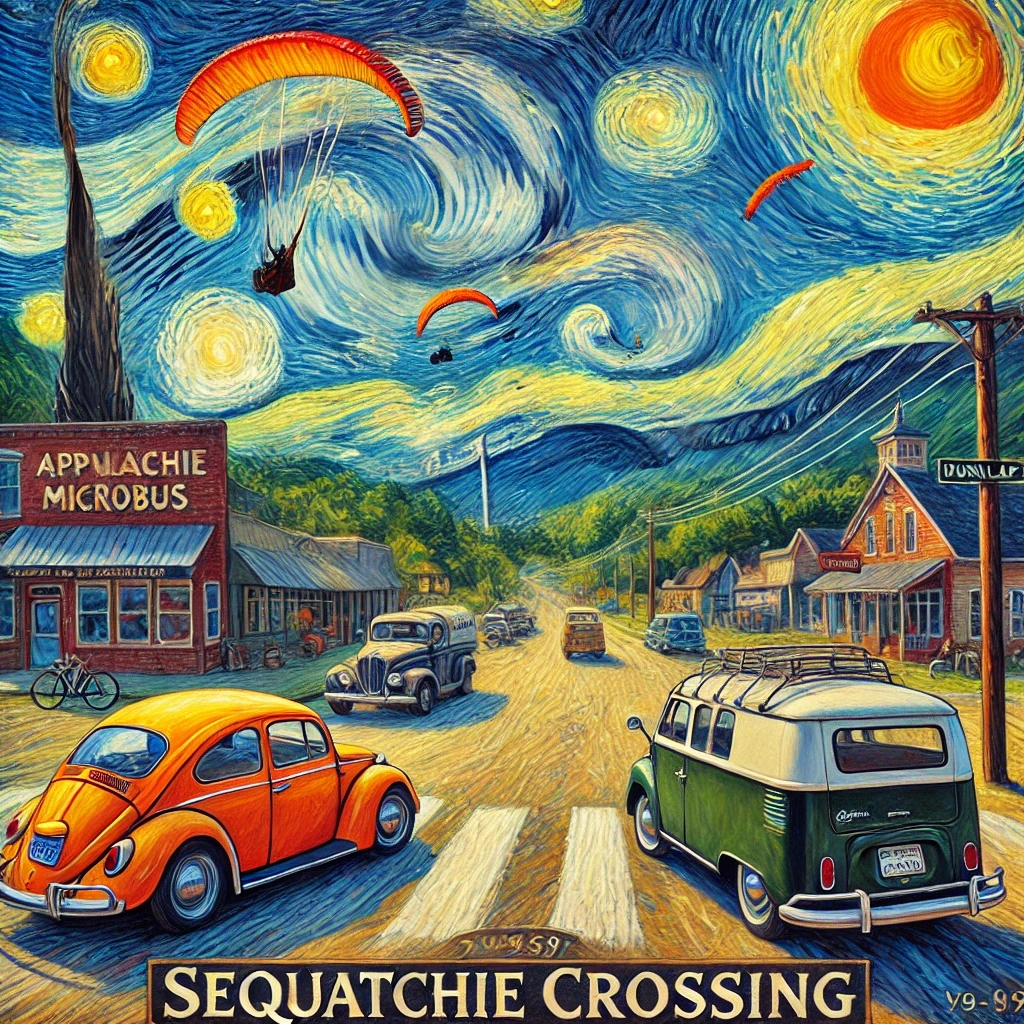






An Overview Of Seasonal Tourism Planning – Managing Peak and Off-Season Periods In Rural Tennessee
By Tom Seest
At Dunlap Directory, we help Dunlap, Tennessee, business tell stories and market and sell their products and services.
Please share this post with your friends, family, or business associates who may want help telling the stories of their legacy.
Seasonal Tourism Planning – Managing Peak and Off-Season Periods In Rural Tennessee
Seasonal Tourism Planning – Managing Peak and Off-Season Periods in Rural Tennessee
In the heart of Dunlap, Tennessee, the rhythm of tourism pulses with the seasons. As the leaves turn vibrant colors in the fall, the quaint charm of our rural landscape beckons visitors eager for a taste of authentic Southern hospitality. Yet, managing seasonal tourism isn’t just about crunching numbers or filling rooms; it’s about weaving together the rich tapestry of our community’s heritage and aspirations.
Embracing the peak season means recognizing the effort that goes into showcasing our treasures – from breathtaking mountain views to the tantalizing aroma of wood-smoked barbecue wafting through the air. It also means meeting the expectations of travelers who come seeking memorable experiences. By fostering direct relationships with local artisans and farmers, we can create unique offerings that not only educate visitors but also allow them to connect deeply with the land and its people. This isn’t just tourism; it’s an invitation to become part of our story.
However, the off-season is where true resilience shines. During quieter months, our focus shifts from the rush of crowds to the nurturing of our community. It’s an opportunity to realign our goals and develop programs that keep our small businesses thriving year-round. Workshops, farmer’s markets, and local festivals can serve as delightful anchors, drawing in locals and visitors alike. This is where authenticity lives, and it’s vital to cultivate that spirit, reminding everyone that rural Tennessee isn’t just a destination—it’s home.
Ethically, this balance serves us all. By minimizing the environmental impact of tourism during peak times and promoting sustainable practices, we protect our natural wonders for future generations. It’s an ethical commitment to both our local community and our visitors, showing that we care about our shared future.
At the end of the day, the most impactful stories of Dunlap aren’t just found on brochures; they live within the hearts of our residents. When you engage with a local guide, listen to the tales of our ancestors, or savor homemade treats from family-owned bakeries, you become part of something larger. You join a community that values connection, honesty, and the joy of shared experiences.
So, let’s inspire trust and confidence in the journey ahead. By strategically managing the ebb and flow of our tourism seasons, we can create a vibrant destination that respects our roots and embraces growth, ensuring that Dunlap, Tennessee, remains a cherished spot on the map for years to come.

Seasonal Tourism Planning – Managing Peak and Off-Season Periods In Rural Tennessee
Seasonal Tourism Planning – Managing Peak and Off-Season Periods In Rural Tennessee
- Tourism in Dunlap, Tennessee, is seasonal, attracting visitors with its Southern charm and heritage.
- Peak season emphasizes showcasing local treasures, including nature and culinary offerings.
- Building relationships with local artisans and farmers enriches visitor experiences and fosters community connection.
- Off-season promotes community resilience through events like workshops, farmers’ markets, and festivals.
- Balancing tourism seasons minimizes environmental impacts and supports sustainable practices.
- Authentic local experiences, guided by residents, create lasting connections for visitors.
- Strategic tourism management ensures Dunlap remains a valued destination through growth and respect for its roots.

Seasonal Tourism Planning – Managing Peak and Off-Season Periods In Rural Tennessee
Table Of Contents
- Seasonal Tourism Planning – Managing Peak and Off-Season Periods In Rural Tennessee
- How Can We Attract Tourists During Off-Peak Seasons?
- What Impacts Do Peak Seasons Have on Local Businesses?
- How Can We Create Memorable Experiences for Visitors?
- What Role Does Community Involvement Play In Tourism Success?
- How Can We Balance Tourism Growth with Environmental Sustainability?
- Conclusion
- Other Resources
- Glossary Of Terms
- Other Questions
- Haiku
- Poem
- Checklist
How Can We Attract Tourists During Off-Peak Seasons?
Attracting tourists during off-peak seasons requires more than just slashing prices or offering discounts; it’s about creating an experience that resonates deeply with visitors. Imagine standing in the heart of Dunlap, Tennessee, surrounded by the breathtaking beauty of the Cumberland Plateau. A place where the mountains meet the sky, and the air vibrates with the stories of its people. To attract travelers when the crowds are sparse, we need to engage not just their schedules, but their hearts and minds.
First, let’s appeal emotionally. Picture families huddled around a cozy fire after a day exploring the hiking trails, sharing laughter and stories under a starlit sky. By emphasizing these intimate moments, we tap into the desire for connection and warmth that off-peak travel can uniquely offer. It’s about crafting a narrative—one that showcases the local culture, unique attractions, and the warmth of the community. Festivals celebrating local traditions or culinary events featuring regional cuisines can draw visitors seeking authentic experiences that they won’t find in the high season.
On a rational level, we can highlight the benefits of visiting during quieter times. With fewer crowds, travelers enjoy personalized service, shorter wait times at attractions, and the freedom to explore at their own pace. It’s about presenting data that show off-peak travel can be not only more affordable but more enriching. Use testimonials from past visitors who discovered their love for Dunlap amid the tranquil surroundings, crafting a compelling case for why now is the best time to visit.
Ethical and social appeals also play a vital role. Promote sustainable tourism by encouraging visitors to engage with local businesses, emphasizing the importance of supporting the community during slower months. This approach doesn’t just benefit tourists; it fosters goodwill between visitors and residents, creating a bond based on shared values of preservation and respect.
Finally, leverage authority by partnering with local influencers, tourism boards, or even national parks that can endorse the unique offerings of Dunlap. Their voices give weight to the invitation, elevating the message that Dunlap isn’t just worth a visit—it’s a destination that enhances the traveler’s journey while leaving a positive impact on the community.
By weaving these elements into a cohesive strategy, we not only attract tourists to Dunlap during off-peak seasons but create lasting memories—both for the visitors and the town.

How Can We Attract Tourists During Off-Peak Seasons?
How Can We Attract Tourists During Off-Peak Seasons?
- Attracting off-peak tourists requires creating meaningful experiences beyond discounts.
- Dunlap, Tennessee, offers scenic beauty and rich local stories on the Cumberland Plateau.
- Emotional appeal is key; intimate moments around a fire can enhance visitor connection.
- Highlight rational benefits, such as personalized service and fewer crowds during off-peak times.
- Promote sustainable tourism by encouraging support for local businesses.
- Partner with local influencers and tourism boards to enhance credibility and attract visitors.
- A cohesive strategy creates lasting memories for both tourists and the Dunlap community.

How Can We Attract Tourists During Off-Peak Seasons?
What Impacts Do Peak Seasons Have on Local Businesses?
When you think about Dunlap, Tennessee, you might picture the rolling hills and the tight-knit community that defines this small town. But beyond the picturesque landscape, there’s a bustling heartbeat that fluctuates with the seasons, generating waves of opportunity and challenges for local businesses.
Peak seasons—be it the vibrant bustle of summer or the cozy charm of fall—can have a profound impact on local establishments. As the weather shifts, so do consumer behaviors. Tourists flock to Dunlap for its natural beauty, and at the same time, locals are gearing up to embrace their favorite seasonal traditions. Businesses that harness this energy can thrive, while those that don’t may feel the strain.
Imagine a local café, usually serving a handful of loyal customers during the quiet winter months. When summer rolls in, tables spill over with families enjoying ice-cold drinks, their laughter mingling with the hum of conversation. It’s not just about boosting profits; it’s about connection. These establishments become gathering spots, creating a sense of community and belonging. A strong local economy relies on these moments, reminding us that supporting local means supporting each other.
However, with opportunity comes responsibility. Businesses must navigate staffing challenges, stock inventory wisely, and provide exceptional service, especially when the rush hits. This demands not only financial savvy but also an ethical commitment to quality. Just think: the trust we place in our favorite shops is built not only on what they sell but how they treat their employees and their customers.
The narrative of peak seasons isn’t just about the numbers; it’s about resilience and adaptability. A local bookstore might launch a series of summer reading events, turning a dip in sales into an engaging community hub, drawing in families and bolstering the local culture. This ripple effect fosters loyalty and creates a vibrant atmosphere that tourists feel compelled to engage with, further enriching Dunlap’s charm.
Peak seasons compel us to rally together. They remind us that every cup of coffee savored, every book read, and every unique handcrafted item purchased supports our neighbors. This interconnectedness lays the groundwork for a thriving local economy, making Dunlap not just a place on a map, but a beloved home that embodies the spirit of community. Local businesses aren’t merely shops; they’re the heart and soul of our town, and understanding their seasonal rhythms helps us all flourish together.

What Impacts Do Peak Seasons Have on Local Businesses?
What Impacts Do Peak Seasons Have on Local Businesses?
- Dunlap, Tennessee features a tight-knit community and picturesque rolling hills.
- Peak seasons significantly impact local businesses as consumer behaviors shift with the weather.
- Tourists visit for natural beauty while locals engage in seasonal traditions, creating opportunities for businesses.
- Local cafés and shops become community gathering spots, fostering a sense of belonging.
- Businesses face challenges like staffing and inventory management but must maintain quality service.
- Seasonal events, such as summer reading series at bookstores, enhance community engagement and cultural vibrancy.
- Supporting local businesses strengthens the economy and community connections, making Dunlap a cherished home.

What Impacts Do Peak Seasons Have on Local Businesses?
How Can We Create Memorable Experiences for Visitors?
Creating memorable experiences for visitors is an art that blends emotion, reason, and authenticity, particularly in places like Dunlap, Tennessee. Imagine stepping into a town where the air is thick with stories, and every person you meet could recount the history that shaped them. That’s what makes a visit unforgettable: a connection that transcends the ordinary.
Dunlap offers a canvas of opportunities for bonding over shared moments. It’s the little things that resonate—the smell of homemade biscuits wafting from a local diner, or the twinkle of stars in a clear sky illuminating the night. These experiences aren’t just sights and sounds; they’re the heartbeats of a community that invites you in. When visitors engage with local artisans or farmers, they don’t just buy a product; they become part of a narrative that stretches back generations. They hear about the land, the struggles, and the triumphs—stories that evoke a sense of belonging.
Furthermore, when planning experiences, it’s essential to consider the rational aspects as well. Visitors today seek authenticity and purpose. They appreciate transparency and ethics in the businesses they support. Highlighting the sustainable practices of local farms or the craftsmanship of regional artists can create a sense of satisfaction and trust. It’s these practices that not only enhance the visitor experience but also foster a sense of community pride and responsibility. When people see their choices contribute to the vitality of a place like Dunlap, it creates an emotional investment that lingers long after they leave.
Let’s not overlook the role of narratives that engage the gut. Imagine a thrilling hike up a nearby mountain, where every step reveals panoramic views that take your breath away. These experiences don’t just occupy our minds; they stir our souls. They connect us to nature in profound, almost primal ways. They remind us why we travel—to encounter beauty, challenge ourselves, and make memories we carry with us.
Ultimately, memorable experiences are crafted with intention. They nestle into the hearts of those who visit, binding them to a place through emotional and rational connections. In doing so, they inspire trust, confidence, and action, encouraging visitors to return and share their memories with others. In Dunlap, Tennessee, every moment offers a piece of a greater story, one that beckons us all to partake.

How Can We Create Memorable Experiences for Visitors?
How Can We Create Memorable Experiences for Visitors?
- Memorable experiences in Dunlap, Tennessee, blend emotion, reason, and authenticity.
- Each visit connects people through shared stories and local history.
- Small sensory experiences, like homemade biscuits, enhance visitor engagement.
- Interactions with artisans and farmers create narratives that foster belonging.
- Visitors value authenticity and ethical practices in their choices.
- Thrilling outdoor experiences connect individuals to nature and create lasting memories.
- Intentional crafting of experiences encourages trust and a sense of community among visitors.

How Can We Create Memorable Experiences for Visitors?
What Role Does Community Involvement Play In Tourism Success?
Imagine standing in the heart of Dunlap, Tennessee, where the air is thick with the aroma of homemade Southern barbecue and the laughter of families echoes through the streets. Here, community involvement isn’t just a nice-to-have; it’s the lifeblood of tourism, transforming a quaint town into a vibrant destination that resonates with visitors and locals alike.
When the community embraces tourism, it creates a tapestry of experiences that are authentic and rich. Local businesses—family-owned diners, artisan shops, and craft breweries—add flavor to the visitor experience in a way that generic chains never could. Tourists don’t just see the sights; they partake in a narrative woven from the stories of the people who call Dunlap home. This human connection fosters an emotional bond, encouraging visitors to share their experiences, spread the word, and return for more.
From a business standpoint, there’s an undeniable correlation between community engagement and tourism success. Communities that actively participate in promoting and supporting local attractions end up seeing significant economic benefits. More foot traffic means more sales, and when locals take pride in their town, they become the best ambassadors. They draw in friends and family, creating a ripple effect that boosts not only the economy but also the town’s reputation as a welcoming haven.
Ethically, there’s a responsibility that comes with tourism. Communities have the power to shape how visitors interact with their environment. By championing sustainable practices and preserving cultural heritage, they can ensure that tourism benefits everyone, not just the few. In Dunlap, locals guide visitors on hiking trails to discover the stunning landscapes, imparting wisdom that enriches both parties. It’s about more than dollars; it’s about preserving the integrity and spirit of the community.
Consider the stories of those who call Dunlap home: the entrepreneur who started a shop out of a love for local crafts, or the retiree who volunteers at the community center, sharing tales of days gone by. These narratives fuel the soul of tourism, creating memorable experiences that resonate long after the visitor has left.
When a community comes together to embrace tourism, it invites the world to experience its wonders. Dunlap stands as a testament to what can happen when heart, skill, and community spirit unite. The success of tourism in such places isn’t just measured in tourism dollars; it’s counted in the laughter, connections, and shared experiences that linger in the air long after the last visitor has departed.

What Role Does Community Involvement Play In Tourism Success?
What Role Does Community Involvement Play In Tourism Success?
- Dunlap, Tennessee, thrives on community involvement, which is crucial for its tourism sector.
- Local businesses enhance tourist experiences with authentic offerings that differ from generic chains.
- Community engagement correlates with economic success, increasing foot traffic and sales.
- Locals become ambassadors, attracting friends and family and boosting the town’s reputation.
- Ethical tourism shapes visitor interactions, prioritizing sustainability and cultural preservation.
- Personal stories from residents enrich the tourist experience, creating lasting memories.
- Successful tourism in Dunlap is measured by shared experiences and connections, beyond financial gains.

What Role Does Community Involvement Play In Tourism Success?
How Can We Balance Tourism Growth with Environmental Sustainability?
Balancing Tourism Growth with Environmental Sustainability
In the heart of Dunlap, Tennessee, a crossroads exists between our passion for adventure and our responsibility to preserve the beautiful landscapes that inspire such joy. Picture a family hiking through lush, green hills, laughter echoing as they connect with nature. This is what tourism can offer: moments that create lifelong memories. Yet, with every new hotel or attraction, we face a pressing question: How do we foster this growth without sacrificing the very essence of our environment?
The answer lies in a blend of common sense and shared commitment. Communities like Dunlap showcase the balance between inviting visitors and nurturing our natural resources. By implementing sustainable practices—like eco-friendly accommodations and responsible waste management—we can create a tourism model that emphasizes preservation rather than exploitation. Think about it: when every visitor chooses to respect the trails they hike or the rivers they fish in, they contribute to a larger narrative of stewardship.
It’s not just about protecting what we have; it’s about ensuring future generations can enjoy the same breathtaking views and exhilarating experiences. As stewards of these ecosystems, we hold an ethical responsibility to maintain the gift of nature. Here in Dunlap, we have a unique opportunity to show that growth and preservation can coexist. Our local businesses can lead by example, offering experiences that highlight the beauty of our surroundings, encouraging visitors to support sustainable practices.
Research has shown that destinations that prioritize sustainability often see greater long-term benefits—things like increased visitor loyalty and a stronger community identity. When travelers feel a connection to the land, they are more likely to return and even share their experiences with others. This realized connection can turn one-time visitors into advocates for our environment.
We invite you to take part in this journey, not just as tourists, but as guardians of our earth. Together, we can engage in conversations that matter, champion causes that inspire, and create a movement where tourism flourishes while nature thrives. Let Dunlap be a beacon of hope—an example of balance that demonstrates how we can all enjoy the splendors of our planet while honoring our duty to protect it. This is our moment to intertwine our loves for exploration and conservation, ensuring that Dunlap’s beauty endures for all who come after us.

How Can We Balance Tourism Growth with Environmental Sustainability?
How Can We Balance Tourism Growth with Environmental Sustainability?
- Dunlap, Tennessee, presents a balance between tourism growth and environmental preservation.
- Tourism provides opportunities for memorable experiences in nature, such as hiking in lush landscapes.
- Communities can promote sustainable practices like eco-friendly accommodations and responsible waste management.
- Visitors contribute to environmental stewardship by respecting natural resources during their activities.
- Maintaining ecological integrity ensures future generations also enjoy the area’s beauty and experiences.
- Destinations prioritizing sustainability often see increased visitor loyalty and stronger community identity.
- Dunlap aims to exemplify how tourism can thrive alongside nature conservation, urging visitors to become advocates for the environment.
How Can We Balance Tourism Growth with Environmental Sustainability?
Conclusion
Managing tourism in Dunlap, Tennessee, hinges on the delicate dance between the peak seasons that draw visitors and the quieter off-peak months that nurture community. As the vibrant hues of fall draw in tourists eager for a slice of authentic Southern life, a profound responsibility rests on the shoulders of locals to ensure these experiences resonate. Tourism isn’t merely about filling hotels or maximizing profits; it’s about sharing a rich tapestry woven from history, culture, and warmth.
During peak season, Dunlap springs to life with the laughter of families dining on wood-smoked barbecue or exploring breathtaking mountain trails. This bustling energy creates opportunities for local businesses to thrive, turning coffee shops and bookstores into community hubs. However, with this influx comes the task of maintaining high standards of service and sustainability. Businesses must not only meet the demands of tourists but also carry the spirit of Dunlap’s ethical commitment to preserving its charm.
Conversely, off-peak seasons reveal the grit of the community, offering a chance to cultivate local culture through workshops, farmer’s markets, and festivals that keep spirits high and businesses active. This period emphasizes relationship-building, inviting visitors to connect authentically with the land and its people. It’s where the heart of Dunlap truly beats, as locals share their stories and traditions, echoing the importance of community involvement in the tourism narrative.
The bond between locals and visitors fosters an emotional connection that can transform a fleeting visit into a lasting memory. Engaging with artisans or participating in local events creates an immersive experience that showcases the best of Dunlap. This narrative encourages travelers to become advocates for the town, sharing their discoveries and inspiring others to support sustainable tourism practices.
Balancing growth with environmental stewardship remains critical. A commitment to sustainable practices ensures that Dunlap’s breathtaking landscapes endure for generations to come. When every visitor participates in the preservation of the environment, they contribute to a legacy of care that transcends their stay.
In essence, Dunlap is not just a destination; it’s a community that offers a journey through its stories, values, and people. By managing the ebb and flow of tourism thoughtfully, Dunlap can continue to be a cherished haven where visitors feel a genuine connection, inevitably leading them to return, time and again, to be embraced by the soul of this remarkable town.
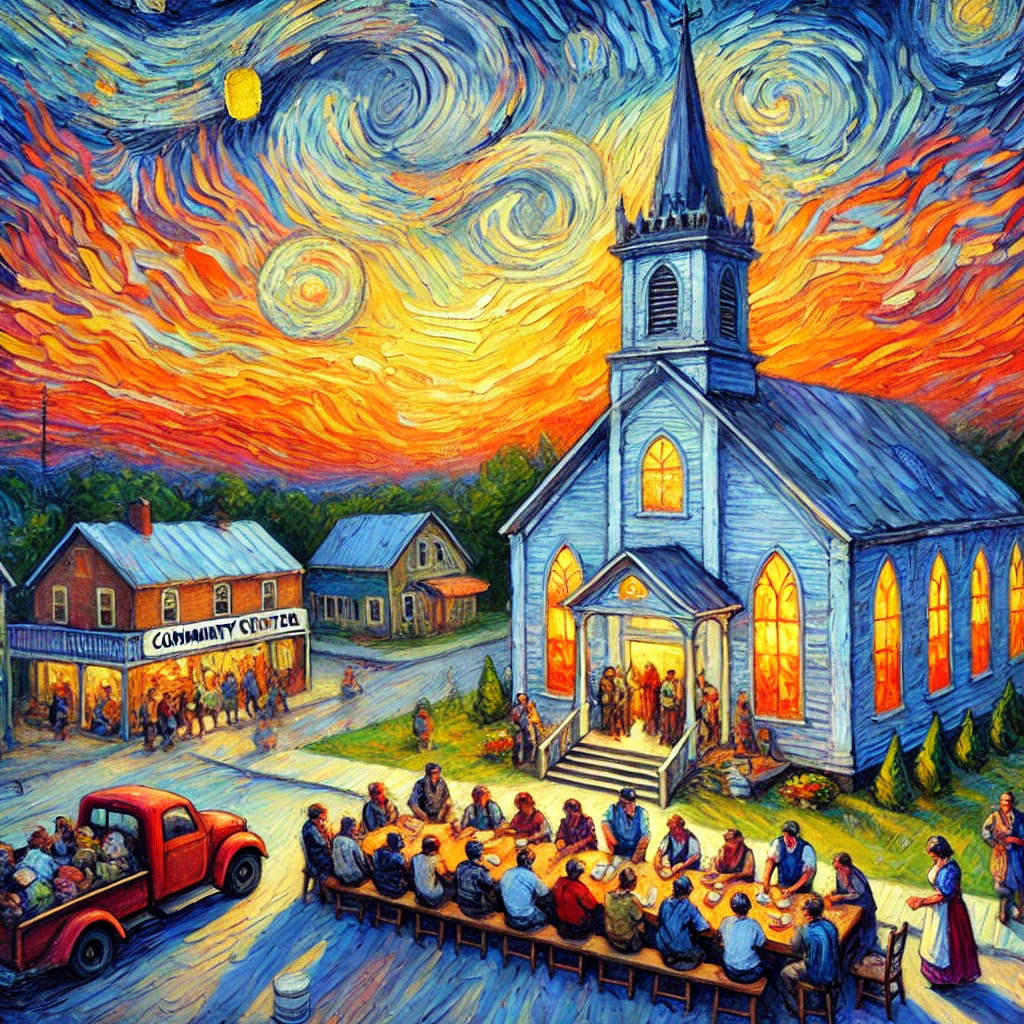
Conclusion
Conclusion:
- Tourism in Dunlap, Tennessee, balances peak tourist seasons and quieter off-peak months.
- Fall attracts visitors seeking authentic Southern experiences, placing responsibility on locals to ensure memorable interactions.
- Tourism encompasses not just profits but the sharing of Dunlap’s rich history, culture, and community warmth.
- During peak seasons, local businesses thrive while maintaining high service standards and a commitment to sustainability.
- Off-peak seasons foster local culture through workshops, markets, and festivals, enhancing community engagement and visitor connections.
- Emotional bonds between locals and visitors create lasting memories, encouraging advocacy for sustainable tourism practices.
- Dunlap is a community offering a journey through its unique stories and values, inviting visitors to return and connect with its essence.

Conclusion
Other Resources

Other Resources
Here is a list of other resources you can review online to learn more:
- Coinsource Bitcoin ATM
- Walmart Photo Center
- The Law Office of Samuel F. Hudson
- OYO Hotel Cleveland, TN
- Perfect Blend Pest Solutions
- Sleep Inn
- Valley View Gardens
- God’s Warriors Martial Arts
- FedEx OnSite
- The Highland Cottage
- Harrison Bay State Park
- INPOWERD
- Dunlap Stone Inc
- VFW Post 5772 Dunlap
- Dellview Homestead
- Hughes Produce Dunlap
- Red Roof Inn Monteagle – I-24
- Dunlap Natural Gas System
- Bryant Self Storage
- Walmart Supercenter
Use This Prompt To Get More Resources With Your Favorite Online AI Tool: Please provide me with a list of online articles with their URLs in a bulleted list that I can read regarding Seasonal Tourism Planning – Managing Peak and Off-Season Periods In Rural Tennessee

Other Resources
Glossary Terms
Seasonal Tourism Planning – Managing Peak and Off-Season Periods In Rural Tennessee – Glossary Of Terms
1. Agritourism: Tourism focused on agricultural activities where visitors experience farming or rural life.
2. Peak Season: The period of highest demand for tourism services, typically during summer or major holidays.
3. Off-Season: The period with lower tourism demand, often characterized by reduced visitor numbers and lower prices.
4. Visitor Capacity: The maximum number of visitors that a location can accommodate without compromising experience or quality.
5. Leisure Travel: Travel for recreational purposes, as opposed to business-related travel.
6. Cultural Heritage: Aspects of a community’s culture and history that attract visitors, including festivals, traditions, and local arts.
7. Outdoor Recreation: Activities done in natural settings, like hiking, fishing, and camping, which are popular in rural tourism.
8. Seasonal Employment: Temporary jobs created to meet increased demand for services during peak tourist seasons.
9. Marketing Strategy: A plan developed to attract visitors, particularly during off-peak times, leveraging local attractions.
10. Economic Impact: The effect of tourism on the local economy, including job creation and revenue generation.
11. Sustainable Tourism: Tourism that minimizes environmental impact and supports local communities and economies.
12. Community Engagement: Involvement of local residents in tourism planning and decision-making processes.
13. Event Tourism: Travel associated with attending events, such as fairs, concerts, or sports, that can boost off-season visitation.
14. Rural Tourism: Tourism focused on rural areas, highlighting natural landscapes, agriculture, and local traditions.
15. Seasonal Packages: Special offers or discounts provided during off-peak times to encourage visitation.
16. Travel Trends: Patterns and behaviors that influence how and when people travel, affected by seasons and economic factors.
17. Accommodation Types: Various lodging options available, including hotels, cabins, and bed-and-breakfasts, that cater to seasonal tourists.
18. Destination Marketing Organization (DMO): An entity responsible for promoting a specific destination to potential visitors.
19. Visitor Experience: The overall enjoyment and satisfaction an individual has while visiting a destination.
20. Local Cuisine: Dishes and food products unique to a region, often highlighted in tourism offerings.
21. Volunteer Tourism (Voluntourism): Travel that combines leisure with volunteer work, often appealing to off-season visitors.
22. Nature-Based Tourism: Travel focused on experiencing natural attractions, such as parks and wildlife.
23. Visitor Surveys: Tools used to gather feedback from tourists, informing future improvements in tourism offerings.
24. Transportation Infrastructure: The systems in place to facilitate visitor movement, including roads, airports, and public transport.
25. Off-Peak Discounts: Reduced rates offered to attract visitors during less busy times.
26. Biodiversity Conservation: Efforts to protect and promote diverse biological species, which can be a draw for eco-tourists.
27. Local Artisans: Craft producers in the rural community whose products can attract tourism.
28. Recreational Events: Organized activities designed to draw visitors, such as marathons or outdoor festivals.
29. Visitations: The number of visitors to a location, often tracked to assess tourism trends and impacts.
30. Planning Framework: A structured approach to developing strategies for managing seasonal tourism effectively.

Glossary Of Terms
Other Questions
Seasonal Tourism Planning – Managing Peak and Off-Season Periods In Rural Tennessee – Other Questions
If you wish to explore and discover more, consider looking for answers to these questions:
- What are the peak and off-peak months for tourism in Dunlap, Tennessee?
- How many visitors does Dunlap receive annually, and how is visitation distributed by season?
- What are the primary target markets (demographics, origins, travel motivations) to recruit during off-peak months?
- Which marketing channels and messages have proven most effective for attracting off-season visitors?
- What budget and funding sources are available for seasonal marketing and events?
- How can small businesses coordinate promotions and packages to extend stays across seasons?
- What incentives or pricing strategies work best to boost midweek and shoulder-season bookings?
- What infrastructure limitations (roads, parking, public restrooms, signage) constrain growth during peak times?
- How can transportation and parking be managed to prevent congestion in peak season?
- What is Dunlap’s lodging capacity (hotels, B&Bs, short-term rentals) and how does it change seasonally?
- Are there local regulations or permitting issues affecting short-term rentals and new accommodations?
- How do seasonal fluctuations affect employment and staffing needs for local businesses?
- What workforce development or training programs exist to help businesses scale seasonally?
- How can volunteers and part-time staff be recruited and retained across seasons?
- What measurable economic impacts (sales, jobs, tax revenue) does tourism generate for Dunlap?
- How can success be measured—what KPIs should be tracked (visitor numbers, spend per visitor, length of stay, satisfaction)?
- What are realistic short-term and long-term goals for increasing off-season visitation?
- Which off-season events or products have high potential (festivals, workshops, culinary events, winter outdoor activities)?
- How can partnerships with regional attractions, state parks, and neighboring towns be leveraged?
- What funding, grants, or public-private partnership opportunities exist for event creation and infrastructure improvements?
- How can local artisans and farmers be better integrated into tourism product development and marketing?
- What policies or practices are in place to manage visitor impacts on trails, waterways, and sensitive habitats?
- How is carrying capacity determined for natural sites, and how are limits enforced during peak periods?
- What waste management, recycling, and sanitation solutions are needed to reduce environmental impacts?
- Are there sustainability certifications or eco-friendly standards local businesses can adopt, and what are the costs/benefits?
- How are residents’ attitudes toward tourism measured and addressed to prevent overtourism and social friction?
- What community engagement processes exist to involve residents in tourism planning and decision-making?
- How are revenues from tourism reinvested in community priorities and conservation projects?
- What emergency services, medical care, and safety plans are in place for visitors, particularly in remote areas?
- How can accessibility and inclusivity be improved for visitors with disabilities or limited mobility?
- What digital tools and platforms (websites, booking engines, social media, email) are used to promote Dunlap, and how can they be improved?
- How can storytelling, interpretive programming, and guided experiences be structured to highlight local heritage ethically?
- What seasonal product development opportunities exist around agritourism, culinary trails, crafts, and cultural heritage?
- How does climate variability or long‑term climate change affect seasonal tourism patterns and planning?
- What contingency plans exist for unexpected shocks (pandemics, extreme weather, economic downturns) that affect visitation?
- How can visitor feedback and satisfaction be collected and used to refine offerings seasonally?
- What examples or case studies from similar rural communities successfully managing seasonality can Dunlap replicate?

Other Questions
Haiku
Seasonal Tourism Planning – Managing Peak and Off-Season Periods In Rural Tennessee – A Haiku
Hills echo with laughs,
Seasons weave stories alive,
Heart of home, we thrive.

Haiku
Poem
Seasonal Tourism Planning – Managing Peak and Off-Season Periods In Rural Tennessee – A Poem
In Dunlap’s gentle embrace, tourism flows,
A seasonal dance where community grows.
Autumn’s hues call, while summer’s laughter stays,
As visitors seek the charm of our ways.
Heartfelt gatherings once again ignite,
Warm fireside tales on crisp, starlit nights.
Beneath the sky, stories twine and weave,
In every local smile, joy to receive.
Yet in quiet months, our roots grow strong,
Cultivating bonds where everyone belongs.
Markets bustle with culture and cheer,
A steady pulse of life throughout the year.
Sustainable choices, an ethical guide,
For every traveler with respect by our side.
In our lush hills, where adventures unite,
We cherish the nature that fills us with light.
Connections forged through crafts and cuisine,
Each moment shared defines what we mean.
Memories linger like the sound of a song,
In Dunlap’s heartbeat, we all thrive along.
So come join our journey, partake in our lore,
In the spirit of giving, we each open doors.
For tourism here is more than just trade,
It’s the soul of a town, in harmony laid.

Poem
Checklist
Seasonal Tourism Planning – Managing Peak and Off-Season Periods In Rural Tennessee – A Checklist
Checklist for Seasonal Tourism Planning in Rural Tennessee
Emotional Appeals
1. Create narratives that highlight personal stories and experiences of locals.
2. Design marketing materials that evoke warmth and connection (e. g. , family gatherings, shared meals).
3. Promote intimate experiences that encourage bonding among visitors and the community.
Rational Appeals
1. Provide data on the benefits of visiting during off-peak times (e. g. , personalized service, shorter wait times).
2. Highlight unique offerings that can only be experienced outside peak seasons.
3. Include testimonials from past visitors emphasizing their enriching experiences during quieter months.
Ethical Appeals
1. Promote sustainable tourism practices, emphasizing community and environmental stewardship.
2. Encourage visitors to engage with local businesses that prioritize ethical sourcing and environmental care.
3. Develop initiatives that show commitment to preserving cultural and natural heritage for future generations.
Authority Appeals
1. Collaborate with local influencers and tourism boards to enhance the credibility of marketing efforts.
2. Feature endorsements from respected community figures or organizations.
3. Share expertise from local artisans and farmers in tourism-related events.
Narrative Appeals
1. Craft engaging stories about local traditions, crafts, and history in promotional materials.
2. Develop events that allow visitors to immerse themselves in the local culture and stories (e. g. , storytelling sessions).
3. Utilize local media to share captivating tales that highlight the community’s unique aspects.
Social Appeals
1. Encourage community involvement in tourism activities, showing how local participation enhances visitor experiences.
2. Promote festivals and events that celebrate local culture and attract both residents and visitors.
3. Utilize social media to create a sense of community among past visitors, encouraging them to share their experiences and memories.

Checklist
At Dunlap Directory, we help Dunlap, Tennessee, business tell stories and market and sell their products and services.
Please share this post with your friends, family, or business associates who may want help telling the stories of their legacy.


