












An Overview Of Site Selection and Infrastructure – Finding Business Locations with Adequate Systems In Rural Tennessee
By Tom Seest
At Dunlap Directory, we help Dunlap, Tennessee, business tell stories and market and sell their products and services.
Please share this post with your friends, family, or business associates who may want help telling the stories of their legacy.
Site Selection and Infrastructure – Finding Business Locations with Adequate Systems In Rural Tennessee
When exploring the vast, rolling hills of rural Tennessee, one might stumble upon charming little towns like Dunlap, tucked away from the relentless hustle of city life. This place isn’t just a geographic point on a map; it’s a community full of promise and potential. Selecting the right site for a business here means diving deep into what makes Dunlap not just a location, but a vibrant part of a thriving ecosystem.
Rural Tennessee offers a unique blend of accessibility and tranquility, promising less congestion and more breathing room. As you set down roots in areas such as Dunlap, you’re not just considering the bricks and mortar of your business; you’re investing in a community. The emotional appeal of becoming part of a tight-knit locale, where neighbors support each other and community events thrive, can’t be overstated. Being welcomed into Dunlap means crafting relationships that often feel like family, leading to a loyal customer base eager to see you succeed.
From a rational perspective, infrastructure is key. Look for sites that not only provide physical space but also connectivity—think reliable broadband, efficient transportation routes, and essential services. Dunlap’s rural charm doesn’t obscure the necessity for a robust logistical framework. Businesses thrive when surrounded by efficient supply chains and accessible markets, creating a network of interdependence that strengthens the entire area.
Ethically, choosing to invest in a community like Dunlap is a decision that carries weight. By creating jobs, you contribute to the local economy and foster growth that benefits all. It’s not merely about profit; it’s about enhancing lives and uplifting a community that values hard work and resilience. This kind of commitment signals to others that you care—building trust not only with your customers but with fellow business owners and local leaders.
Narrative has power. Picture this: your grand opening, filled with laughter, neighbors sharing stories, and the smell of fresh local fare filling the air. These moments create memories, weaving your business into the very fabric of Dunlap. The social aspects of engaging with a community amplify your impact, turning customers into advocates who share your story far and wide.
Ultimately, choosing Dunlap as your business location isn’t just a strategic decision—it’s a heartfelt investment in a community with a rich narrative and a bright future. Let the spirit of the place guide you, and in return, you’ll find a supportive network ready to help you succeed.

Site Selection and Infrastructure – Finding Business Locations with Adequate Systems In Rural Tennessee
Site Selection and Infrastructure – Finding Business Locations with Adequate Systems In Rural Tennessee
- Dunlap, Tennessee, is a charming town that offers potential for businesses away from city life.
- Investing in Dunlap means becoming part of a supportive community with strong relationships.
- Rural Tennessee combines accessibility and tranquility with less congestion.
- Infrastructure is crucial, including reliable broadband and efficient transportation for business success.
- Ethical investment creates jobs and fosters economic growth, enhancing community resilience.
- Engaging with the local community creates memorable experiences that promote customer loyalty.
- Choosing Dunlap as a business location is a heartfelt commitment to a vibrant community.

Site Selection and Infrastructure – Finding Business Locations with Adequate Systems In Rural Tennessee
Table Of Contents
- Site Selection and Infrastructure – Finding Business Locations with Adequate Systems In Rural Tennessee
- What Factors Influence the Emotional Appeal Of Rural Business Sites?
- How Can Data-Driven Insights Improve Site Selection Success?
- What Ethical Considerations Must Be Addressed In Rural Site Choices?
- How Does Local Authority Impact Business Infrastructure Decisions?
- What Narratives Resonate with Entrepreneurs Seeking Rural Locations?
- Conclusion
- Other Resources
- Glossary Of Terms
- Other Questions
- Haiku
- Poem
- Checklist
What Factors Influence the Emotional Appeal Of Rural Business Sites?
In rural America, business sites like those in Dunlap, Tennessee, evoke a unique sense of connection. The charm of these areas isn’t just found in the rustic landscapes or quaint storefronts; it’s rooted deeper, in the stories and lives woven into their very fabric. This emotional appeal resonates with the heart, each corner of Dunlap reminding us of the power of community and tradition.
Picture this: a bustling farmer’s market where locals gather, laughter mingling with the scent of fresh produce. The sights, sounds, and even the tastes create an experience that isn’t merely transactional; it’s relational. Here, businesses don’t just sell products; they sell a piece of their identity. Consumers are drawn not just to goods but to the integrity behind them. This connection builds trust and fosters loyalty, vital elements in today’s marketplace.
Rationally, think about the advantages of investing in a rural site. Often overlooked, these areas provide lower overhead costs, a dedicated workforce, and access to untapped markets. Combine this with the growing trend of supporting local economies and you have a compelling argument. It’s not just about the numbers; it’s about supporting families, friends, and neighbors. Each dollar spent within the community echoes with the promise of sustainability, enticing others to join the movement.
Ethically, there’s something poignant about nurturing local businesses in Dunlap. When you choose to shop local, you’re not merely making a decision; you’re participating in a collective mission to preserve a way of life. This responsibility compels both consumers and entrepreneurs to engage deeply with their community, creating a bond built on mutual success and respect.
The authority of longstanding family-owned establishments lends credibility to new ventures that pop up, each one a lifeline tugging at shared memories and local pride. Narratives of perseverance, resilience, and innovation become the backbone of these businesses, allowing them to weave their tales into the larger narrative of Dunlap. Each entrepreneur’s journey is not just their own; it becomes a shared story that inspires others to take the leap.
Socially, rural business sites create a backdrop for connection. They serve as gathering places where relationships are forged and strengthened, where ideas flourish, and where community spirit reigns supreme. The heart of Dunlap beats in rhythm with the human experience—every encounter at a local store or café adds another layer to the tapestry of life, inviting everyone to be a part of something greater.

What Factors Influence the Emotional Appeal Of Rural Business Sites?
What Factors Influence the Emotional Appeal Of Rural Business Sites?
- Rural business sites like Dunlap, Tennessee, foster deep community connections through rich stories and traditions.
- Local markets create relational experiences that build trust and loyalty among consumers.
- Investing in rural areas offers benefits such as lower overhead costs and access to untapped markets.
- Supporting local economies encourages sustainability and strengthens community ties.
- Shopping local involves participating in a mission to preserve traditional ways of life.
- Established family-owned businesses enhance credibility for new enterprises, creating a legacy of resilience.
- Rural business sites serve as social hubs that cultivate relationships and community spirit.

What Factors Influence the Emotional Appeal Of Rural Business Sites?
How Can Data-Driven Insights Improve Site Selection Success?
In the heart of Dunlap, Tennessee, the landscape is not just defined by rolling hills and scenic views; it is sculpted by the human choices made within it. Making the right moves in site selection is vital for businesses, and today’s decisions hinge increasingly on data-driven insights. This isn’t just about cold numbers and algorithms; it’s about understanding the very essence of a community and what it can offer.
When businesses turn to data, they’re really engaging in a dialogue with their surroundings—not merely listening to the cacophony of statistics, but tuning in to the heartbeat of the region. Imagine a business considering Dunlap as its next home. By analyzing local demographics, economic trends, and consumer behaviors, they can paint a vivid picture of what it means to plant roots here. This data is the foundation of rational decision-making. It offers clarity in a world often clouded by uncertainty. Business leaders can calculate how many patrons might walk through their doors, or how much support their initiatives might receive from the community. It allows them to craft strategies that not only meet their bottom line but also resonate with the people they aim to serve.
But numbers alone do not create connections. It’s the story behind the data that truly shapes our decisions. Picture an entrepreneur moving to Dunlap, inspired by the town’s rich history and the warm smiles of its residents. They can weave this narrative into their business model, enriching the community’s tapestry while also boosting their own success. This isn’t just a transaction; it’s a partnership built on shared hopes and dreams.
Ethically, data-driven insights foster transparency and responsibility. Businesses grounded in research show their commitment to the communities they inhabit, embracing a sense of accountability. They engage with locals, seeking input and fostering conversations. This social appeal ensures that decisions made are reflective of the community’s needs, strengthening trust between businesses and residents alike.
Ultimately, leveraging data to guide site selection is about more than logistics—it’s about embodying values that resonate with the heart, head, and gut. A well-informed decision can lead to thriving businesses that not only succeed financially but also contribute meaningfully to the vibrancy of Dunlap, Tennessee. The real success lies in transforming data into action that benefits everyone.

How Can Data-Driven Insights Improve Site Selection Success?
How Can Data-Driven Insights Improve Site Selection Success?
- Dunlap, Tennessee’s landscape is shaped by human choices, making site selection crucial for businesses.
- Data-driven insights are essential for understanding community essence and informed decision-making.
- Businesses analyze demographics, economic trends, and consumer behaviors to evaluate local opportunities.
- The narrative behind data fosters connections, enriching the community while supporting business success.
- Ethical data use promotes transparency and accountability, enhancing trust with local residents.
- Decisions driven by data should reflect community needs, creating mutual benefits and partnerships.
- Successful site selection integrates values and informed choices, contributing positively to Dunlap’s vibrancy.

How Can Data-Driven Insights Improve Site Selection Success?
What Ethical Considerations Must Be Addressed In Rural Site Choices?
When choosing a rural site for development, the conversation often veers into the practical, the financial, and the logistical. Yet, to create something truly meaningful, we must first engage with the ethical dimensions that slip beneath the surface. Take Dunlap, Tennessee, for example—a community rich in history and culture, nestled in the heart of the Appalachians. This picturesque town serves as a reminder that our choices impact lives well beyond the immediate project scope.
At its core, the ethical considerations surrounding rural site choices demand we prioritize the voices of those who call these places home. This involves transparent dialogue and ensuring community perspectives shape the conversation. When local residents are included from the outset, it’s not just about ticking boxes; it’s about paving the way for mutual respect and fostering a sense of ownership. Trust and confidence bloom in environments where people feel heard and valued.
Rationally speaking, the long-term success of any project hinges on community buy-in. When we ignore the social fabric of a place, we lay the groundwork for resentment and opposition, potentially stunting progress. It’s more than just a financial transaction; it’s about cultivating relationships that yield sustainable growth. People want to feel secure in their lives, knowing their needs are considered, and that future generations will inherit a strong community.
Ethically, we must also confront the environmental implications of our choices. Rural areas like Dunlap boast natural beauty and biodiversity that we have a responsibility to protect. Development should not come at the expense of the land’s integrity or the well-being of its inhabitants. This means making tough decisions that align with our values, opting for practices that promote sustainability rather than exploitative expansion.
Finally, storytelling plays a crucial role here. The narrative surrounding each site informs not only how we see ourselves but how future generations will perceive their heritage. Engaging with local history and cultural significance can turn a site into a cornerstone of community pride rather than just another project on a checklist.
As we navigate the complexities of rural site choices, let’s not forget the human element woven into each decision. Ethical considerations are not just abstract ideas; they are the heartbeat of the communities like Dunlap, Tennessee, guiding us toward a future we can all embrace with confidence and hope.

What Ethical Considerations Must Be Addressed In Rural Site Choices?
What Ethical Considerations Must Be Addressed In Rural Site Choices?
- The choice of rural development sites must include ethical dimensions alongside practical considerations.
- Dunlap, Tennessee exemplifies a community where decisions impact lives beyond immediate project scopes.
- Prioritizing local voices is essential for transparent dialogue and fostering community ownership.
- Long-term project success relies on community buy-in and addressing social fabrics to prevent resentment.
- Environmental implications of development must be considered to protect natural beauty and biodiversity.
- Storytelling enhances local heritage and transforms sites into focal points of community pride.
- Ethical considerations are vital in shaping a future that is secure and hopeful for rural communities.

What Ethical Considerations Must Be Addressed In Rural Site Choices?
How Does Local Authority Impact Business Infrastructure Decisions?
In the heart of Dunlap, Tennessee, a bustling town nestled against the breathtaking backdrop of the Cumberland Plateau, local authority plays a crucial role in shaping business infrastructure. This isn’t just about government regulations or zoning laws; it’s about the vision of a community that stands together, united by shared dreams and aspirations.
Imagine a local authority that understands the needs of its businesses and the heartbeat of its people. They recognize that the decisions they make today ripple through the community for generations. This connection fosters a sense of trust, where entrepreneurs feel supported and residents see tangible benefits in their daily lives. When local leaders champion infrastructure improvements—whether it’s enhancing roadways, expanding telecommunications, or creating business parks—they aren’t merely checking boxes; they are laying the groundwork for economic growth and stability.
It’s rational to grasp that when infrastructure flourishes, so too do opportunities. An inviting business climate attracts new ventures, leading to job creation and a boost in local morale. When you drive down the main street of Dunlap, you want to see thriving shops and businesses that reflect the community’s character. Good infrastructure decisions align with the ethical obligation of local authorities to promote equitable growth, ensuring that every resident has access to opportunity and a stake in their community’s success.
Consider the narratives that arise from strong local governance. Stories of small businesses overcoming hurdles thanks to supportive policies inspire others to take the leap into entrepreneurship. The local diner, the hardware store, and the artisan shop—each represents a thread in the rich tapestry of Dunlap. These stories resonate, reminding us of shared values and the importance of nurturing home-grown talent.
Moreover, the social fabric of Dunlap is interwoven with a culture of collaboration. Local authorities that engage citizens, listen to their concerns, and involve them in decision-making cultivate a sense of ownership. When residents feel heard, they become advocates for positive change, rallying around initiatives that bolster their town’s future.
In this small town, where every voice counts and every decision matters, local authority isn’t just a bureaucratic necessity; it’s an integral component of a thriving community. It’s about building a foundation where businesses can flourish, dreams can be realized, and generations can thrive together. In Dunlap, the impact of local authority on infrastructure isn’t merely a topic of discussion; it’s a call to action, urging each of us to invest in our community and support the very framework that helps it grow.

How Does Local Authority Impact Business Infrastructure Decisions?
How Does Local Authority Impact Business Infrastructure Decisions?
- Local authority in Dunlap, Tennessee, is vital for shaping business infrastructure.
- Community vision and support from local leaders foster trust among residents and entrepreneurs.
- Infrastructure improvements lay the foundation for economic growth and stability.
- An inviting business climate leads to job creation and boosts local morale.
- Strong governance inspires entrepreneurship and nurtures home-grown talent.
- Engagement with citizens cultivates a sense of ownership and advocacy for community initiatives.
- Local authority is essential for building a thriving community where every voice and decision matter.

How Does Local Authority Impact Business Infrastructure Decisions?
What Narratives Resonate with Entrepreneurs Seeking Rural Locations?
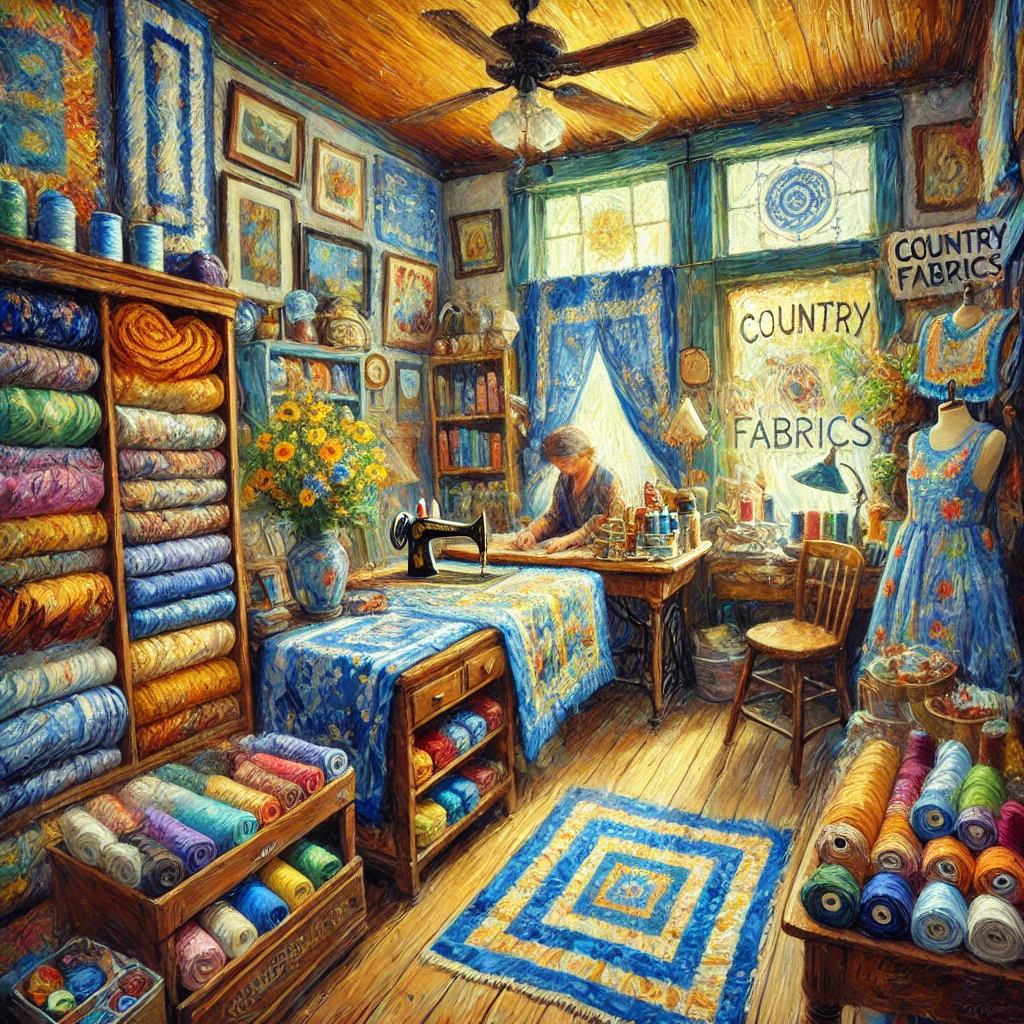
In the heart of rural America, towns like Dunlap, Tennessee, offer more than just picturesque landscapes; they provide the promise of something profoundly transformative for entrepreneurs. It’s a place where hard work meets potential, where the air is filled with the call of opportunity that often goes unheard in bustling cities. The story of Dunlap is not just about its hills and valleys but about the people who’ve planted roots and dared to dream.
Imagine a community where everyone knows your name, where a handshake is still valued, and relationships are built on trust. This isn’t just about business; it’s about belonging. For entrepreneurs, it’s a tapestry woven with stories of resilience. Each shop owner, farmer, and artist adds a note to the symphony of local culture. When potential business owners come to Dunlap, they’re greeted with open arms and minds—an invitation to become part of something larger than themselves.
Consider the vital role that ethics play in these rural settings. Here, businesses aren’t just transactions; they are commitments to the community. Entrepreneurs find that their impact is tangible—they’re not just building a company; they’re nurturing the backbone of their community. The ethical obligation to give back isn’t just a talking point; it’s a lived reality. This sense of responsibility fosters a unique bond between business owners and residents, creating a supportive network that thrives on collaboration rather than competition.
The narrative of success in Dunlap is built on real stories. Local entrepreneurs share tales of overcoming odds, of pivoting when challenges arise. They inspire newcomers to roll up their sleeves and dig deep, reinforcing the idea that achievement is a product of persistence and adaptability. Through these narratives, an aspiring entrepreneur realizes that they aren’t alone; they join a lineage of dreamers whose sweat and grit have shaped the very soil they walk upon.
Moreover, there’s an undeniable social element to rural business ventures. Networking occurs not in lofty boardrooms but at local fairs and town hall meetings. Here, the exchange of ideas is organic, grounded in the shared experiences of everyday life. When entrepreneurs connect with their community, they tap into a wellspring of support, mentorship, and collaboration that urban settings often lack.
In Dunlap, Tennessee, the call to entrepreneurs is clear: here lies a place where ambition meets heart. It’s a landscape ripe with challenges and rewards, offering a solid foundation from which innovation can flourish. For those ready to take the leap, the rewards extend beyond profit—they include a legacy intertwined with the fabric of the community itself.
What Narratives Resonate with Entrepreneurs Seeking Rural Locations?
What Narratives Resonate with Entrepreneurs Seeking Rural Locations?
- Dunlap, Tennessee, offers transformative opportunities for entrepreneurs in a picturesque rural setting.
- The community values relationships built on trust, creating a sense of belonging for business owners.
- Ethics play a crucial role, with businesses viewed as commitments to support the local community.
- Entrepreneurs share inspiring stories of resilience, fostering a culture of persistence and adaptability.
- Networking occurs organically at local events, providing support and mentorship often absent in urban areas.
- Dunlap presents a landscape where ambition meets heart, offering both challenges and rewards.
- Entrepreneurs are encouraged to create a legacy connected to the community’s fabric beyond mere profit.

What Narratives Resonate with Entrepreneurs Seeking Rural Locations?
Conclusion
In rural Tennessee, particularly in towns like Dunlap, the opportunity for business ventures is not merely about location but about becoming part of a flourishing community. Choosing to establish a business here is a profound commitment to the spirit and people of the area, one that resonates on multiple levels. Dunlap’s charm lies not only in its scenic views but in the fabric of relationships that define it—a tapestry woven from neighborly connections, shared stories, and mutual support.
The emotional appeal of investing in such a locale cannot be overstated. When one sets down roots in Dunlap, they join a community where the essence of hospitality runs deep. Here, the warmth of a smile or the familiarity of a friendly wave signifies more than mere acknowledgment; it symbolizes a readiness to forge lasting relationships. This sense of belonging fosters customer loyalty and local goodwill, creating an ecosystem where businesses can thrive.
Rationally, the infrastructure in rural areas often offers a unique advantage. Lower operational costs alongside access to an untapped workforce can present a compelling case for entrepreneurs. Furthermore, as more consumers lean towards supporting local economies, the decision to invest becomes not just economically sound but socially responsible. Each dollar spent locally reverberates through the community, enhancing sustainability and fostering growth.
The ethical aspect of investing in Dunlap also deserves attention. By engaging with the community and creating jobs, business owners play a pivotal role in elevating lives and contributing positively to the local economy. This commitment resonates deeply, fostering trust between entrepreneurs and residents alike. Additionally, a focus on sustainable practices ensures that development doesn’t compromise the beauty and integrity of the landscape.
Narratively, the stories borne out of Dunlap’s business landscape are rich and compelling. They speak of resilience and innovation in the face of challenge, with each shop or local eatery adding its own chapter to the community’s legacy. These narratives inspire newcomers, reinforcing the idea that determination and grit are fundamental to success.
Socially, businesses in Dunlap aren’t isolated entities; they are vibrant parts of a network grounded in shared experiences. Entrepreneurs benefit from engaging with local initiatives and events, turning customers into advocates who embrace and promote their stories.
Ultimately, establishing a business in Dunlap isn’t just a strategic decision—it’s an emotional investment in a community with heart, narrative, and an inviting future. By letting the spirit of this place guide them, entrepreneurs can find not just success but fulfillment in their journey together with the community.

Conclusion
Conclusion:
- Rural Tennessee, especially Dunlap, offers unique business opportunities rooted in community spirit.
- Establishing a business here signifies a commitment to local relationships and support.
- The hospitality and friendliness of the community foster strong customer loyalty.
- Operational advantages include lower costs and access to an untapped workforce.
- Investing locally is both economically beneficial and socially responsible.
- Business engagement elevates lives and contributes positively to the economy while maintaining sustainable practices.
- Local businesses shape a rich narrative that inspires resilience and innovation within the community.

Conclusion
Other Resources

Other Resources
Here is a list of other resources you can review online to learn more:
- Crossroads Baptist Church
- Montes Stone Products
- PureGuard Pest Control
- Cagle Mountain Trading Post
- George Hamilton Real Estate & Management Co.
- Cash Express Store
- Yamato Japanese Steakhouse
- Fall Creek Falls Campground
- The Dunlap Tribune
- White Oak Ranch TN
- Shazam Atm
- American Trust Cash Advance
- Holiday Inn Express & Suites Kimball, an IHG Hotel
- Rug Doctor (Rug Doctor Dunlap TN 37327 #368698)
- Pickett Heating & Air Conditioning
Use This Prompt To Get More Resources With Your Favorite Online AI Tool: Please provide me with a list of online articles with their URLs in a bulleted list that I can read regarding Site Selection and Infrastructure – Finding Business Locations with Adequate Systems In Rural Tennessee

Other Resources
Glossary Terms
Site Selection and Infrastructure – Finding Business Locations with Adequate Systems In Rural Tennessee – Glossary Of Terms
1. Access Road: A road that provides entry to a site, crucial for transportation logistics.
2. Zoning: Laws governing land use in specific areas, affecting business development options.
3. Infrastructure: Fundamental facilities and systems serving a particular area, including transportation, utilities, and communication.
4. Site Assessment: The evaluation of a location’s potential based on various factors, such as environmental impact and logistical considerations.
5. Utility Availability: Assessment of essential services like water, electricity, and sewage that can support business operations.
6. Demographics: Statistical data about the population in an area, used to analyze market potential and workforce availability.
7. Proximity to Markets: The distance to target customers or supply chains, influencing transportation costs and accessibility.
8. Environmental Impact: The effect of a business on the local environment, including the need for assessments due to regulations.
9. Public Services: Government-provided services, such as law enforcement, fire protection, and education, impacting community quality.
10. Incentives: Financial or tax benefits offered to businesses to encourage location in certain areas.
11. Site Plan: A detailed drawing that shows the arrangement of buildings, roads, utilities, and landscaping for a proposed development.
12. Competitive Analysis: The study of other businesses in the area to evaluate market saturation and positioning opportunities.
13. Transportation Networks: Systems of roads, railways, and airports that facilitate movement of goods and people.
14. Land Use Plan: A guiding document that outlines how land should be utilized to serve the community’s needs.
15. Workforce Availability: The assessment of the local labor force in terms of skills, training, and population size.
16. Community Engagement: Involvement of local stakeholders in the site selection process to foster support and address concerns.
17. Cost of Living: The average cost of basic goods and services in an area, affecting employee attraction and retention.
18. Real Estate Market: The dynamic involving buying, selling, and leasing land and properties, critical for site selection.
19. Interstate Access: Connection to major highways that enhance logistics and distribution capabilities for businesses.
20. Telecommunications: Availability of phone and internet services, essential for modern business operations.
21. Environmental Regulations: Laws that govern environmental protection, impacting site selection and construction processes.
22. Tax Structure: The framework of local, state, and federal taxes that businesses must navigate when choosing a location.
23. Flood Zone: Areas designated at risk for flooding, affecting development potential and insurance considerations.
24. Physical Topography: The surface features of the land that can influence building and infrastructure development.
25. Economic Development Agency: Local or regional organization that supports business growth through resources and incentives.
26. Construction Timeline: The projected schedule for building development, crucial for planning operational readiness.
27. Supply Chain Logistics: The management of the flow of goods and services and the location’s ability to facilitate this process.
28. Local Regulations: Municipal rules and policies that businesses must comply with during development and operation.
29. Business Climate: The overall economic environment in which businesses operate, influenced by local government and infrastructure.
30. Quality of Life: The general well-being of residents in an area, affecting the attractiveness of a location for businesses and employees.

Glossary Of Terms
Other Questions
Site Selection and Infrastructure – Finding Business Locations with Adequate Systems In Rural Tennessee – Other Questions
If you wish to explore and discover more, consider looking for answers to these questions:
- What specific infrastructure elements (water, sewer, power, broadband, roads) should I verify before choosing a site in rural Tennessee?
- Which broadband providers serve Dunlap and what typical speeds and reliability can businesses expect?
- Are there bandwidth, latency, or cellular coverage limitations that could impact technology-dependent businesses?
- What are the local zoning rules and land-use restrictions that affect commercial development in Dunlap?
- Which permits and approvals are required to open and operate a business in this community, and what are typical timelines?
- What local, state, or federal incentives, grants, or tax credits are available for businesses locating in rural Tennessee?
- How do property taxes, sales taxes, and other local fees compare to nearby towns or urban areas?
- What is the availability and cost of commercial real estate or land suitable for development?
- What is the local labor pool like in terms of size, skills, wage expectations, and availability?
- Are there local workforce training programs, community colleges, or apprenticeship opportunities to support hiring needs?
- How can a business recruit and retain employees in a small rural community?
- What housing options exist for employees and does local housing availability constrain hiring?
- How accessible are major transportation routes, interstates, rail lines, and airports for shipment and supply chains?
- Are there reliable local suppliers, distributors, or logistics partners to support operations?
- What are typical utility connection costs, lead times, and capacity constraints for power and water?
- Is the municipal water and wastewater system adequate for my business’s needs, and are expansion options available?
- What environmental constraints apply to potential sites (floodplains, wetlands, protected habitats, contamination)?
- What environmental permits or impact assessments will be required for construction or operation?
- How do local authorities handle stormwater management, erosion control, and other site-development requirements?
- What emergency services (fire, EMS, hospital) coverage exists and how might response times affect business risk?
- What are the local crime rates and public-safety considerations for employee and customer safety?
- How engaged and supportive are local leaders, planning commissions, and economic development organizations?
- How can a business effectively engage the community and secure local buy-in before opening?
- Are there community organizations, chambers of commerce, or business alliances that provide support and networking?
- What cultural, historical, or heritage considerations should be respected when developing a site in Dunlap?
- What social or ethical obligations should businesses consider to avoid negative impacts on the community?
- How do seasonal population changes (tourism, agricultural cycles) affect customer demand and staffing?
- What data sources and metrics should be used to evaluate market demand, demographics, and consumer behavior?
- How can small businesses access and interpret economic and demographic data for site selection?
- What are typical startup and operating cost estimates for similar businesses in rural Tennessee?
- Which financing options (SBA loans, community banks, local investors) are most accessible in rural markets?
- What insurance coverages are essential and how do premiums compare to urban areas?
- What are common regulatory or logistical pitfalls that have hindered rural business openings, and how can they be avoided?
- Are there case studies or local examples of successful businesses in Dunlap that illustrate best practices?
- What is a realistic timeline from site selection to grand opening, including typical milestones and lead times?
- How should a business plan for sustainability, waste management, and potential renewable energy options on-site?
- What marketing and outreach strategies work best to attract customers and build community advocacy in rural towns?
- How can e-commerce, delivery, and digital marketing be integrated with a rural physical location to expand reach?

Other Questions
Haiku
Site Selection and Infrastructure – Finding Business Locations with Adequate Systems In Rural Tennessee – A Haiku
Rural hills invite,
Communities intertwine,
With dreams, futures bloom.

Haiku
Poem
Site Selection and Infrastructure – Finding Business Locations with Adequate Systems In Rural Tennessee – A Poem
In the hills of Tennessee, where the past holds sway,
A town named Dunlap beckons, with dreams on display.
Not just a spot on a map, but a heartbeat alive,
A tapestry woven where businesses thrive.
In this charming locale, under skies ever bright,
Connections bloom deeper, drawing communities tight.
With each handshake and smile, trust is built strong,
In a place where the rhythm of friendship’s lifelong.
Here, the numbers tell stories that resonate wide,
Infrastructure and kindness walk hand in hand side by side.
Rational choices, a backbone for growth,
While ethics and purpose inspire our oath.
The markets bustle, each face a familiar sight,
In Dunlap, each purchase is a shared delight.
Entrepreneurs find not just customers here,
But advocates, friends, and a community dear.
Local authority guides with a vision so clear,
Fostering a space where hopes can revere.
Sustainability whispers through leaves in the breeze,
Nurturing responsibility, the heart’s gentle tease.
Narratives woven through trials and grace,
Showcasing resilience in this welcoming place.
Every store, every diner, a chapter to tell,
A legacy built where ambition and heart dwell.
So come take the leap into this vibrant embrace,
Where your business and spirit can find their true space.
In Dunlap, the promise is greater than gold,
A journey together, with stories retold.
Poem
Checklist
Site Selection and Infrastructure – Finding Business Locations with Adequate Systems In Rural Tennessee – A Checklist
Checklist for Site Selection and Infrastructure in Rural Tennessee
Emotional Appeals (Heart)
_____ Community Engagement: Evaluate opportunities to immerse your business in local events and traditions.
_____ Relationship Building: Develop plans to cultivate strong ties with customers and other businesses.
_____ Local Identity Alignment: Ensure your business reflects and respects the local culture and values.
Rational Appeals (Head)
_____ Infrastructure Evaluation: Assess connectivity (broadband, transport) and access to essential services.
_____ Market Analysis: Research local demographics and consumer behaviors to validate site potential.
_____ Cost-Benefit Analysis: Calculate long-term financial benefits, including overhead savings and access to new markets.
Ethical Appeals (Gut)
_____ Community Investment: Commit to contributing positively to the local economy and job creation.
_____ Sustainability Practices: Adopt environmentally friendly practices in line with community values.
_____ Transparent Communication: Ensure open dialogue with community members about business plans and impacts.
Authority Appeals
_____ Leverage Local Resources: Collaborate with local authorities for infrastructure support and business incentives.
_____ Engage Established Businesses: Build partnerships with successful local entrepreneurs for mentorship and guidance.
Narrative Appeals
_____ Storytelling Integration: Incorporate local history and stories into your business model to resonate with the community.
_____ Success Stories: Share narratives of local entrepreneurs to inspire and connect with potential customers.
Social Appeals
_____ Networking Opportunities: Engage in local gatherings to foster relationships and gain community support.
_____ Customer Advocacy: Encourage satisfied customers to become advocates for your business within the community.

Checklist
At Dunlap Directory, we help Dunlap, Tennessee, business tell stories and market and sell their products and services.
Please share this post with your friends, family, or business associates who may want help telling the stories of their legacy.


