




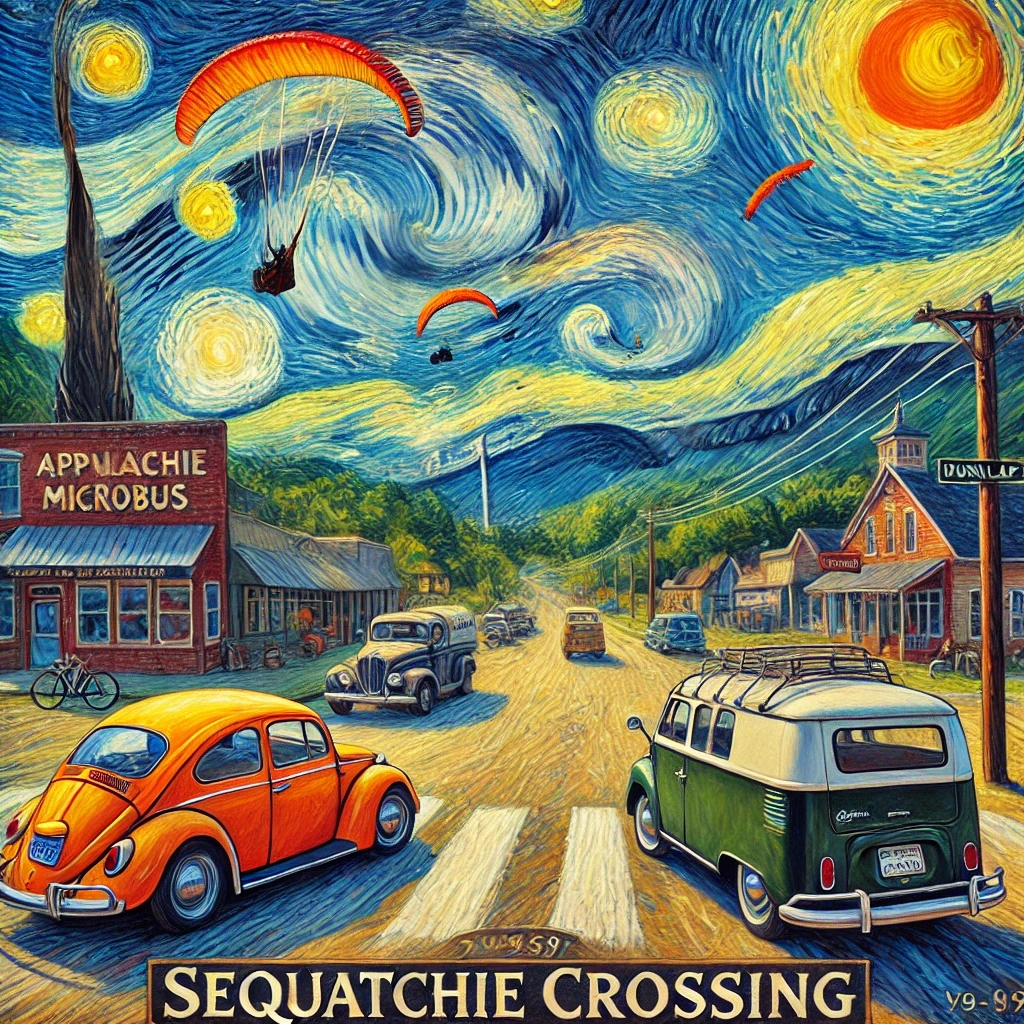







An Overview Of State Tax Incentives – Programs Attracting Businesses to Rural Tennessee In Rural Tennessee
By Tom Seest
At Dunlap Directory, we help Dunlap, Tennessee, business tell stories and market and sell their products and services.
Please share this post with your friends, family, or business associates who may want help telling the stories of their legacy.
State Tax Incentives – Programs Attracting Businesses to Rural Tennessee In Rural Tennessee
In the rolling hills of Rural Tennessee, towns like Dunlap are discovering something remarkable: state tax incentives that breathe new life into communities. These programs are not just about numbers on a balance sheet; they represent a lifeline for families and the very fabric of these towns. Picture this: a small business owner in Dunlap, facing the daily grind of keeping their doors open. Suddenly, a tax incentive emerges, turning a daunting challenge into an opportunity.
These incentives are more than financial relief; they act as a catalyst for growth and innovation. When businesses flourish, jobs follow—real, tangible employment that impacts lives. The stories of locals who once struggled to make ends meet now resonate throughout Dunlap. They’re tales of perseverance and resurgence, embodying the spirit of community that thrives on collaboration and support.
Consider the ethical dimensions of these programs. They’re designed to not only attract businesses but also to ensure that the prosperity doesn’t only enrich a few. When companies choose to invest in rural areas, they invest in people. They create opportunities for youth to stay in or return to their hometowns instead of seeking futures elsewhere. This creates a cycle of hope, inspiring a generation to dream bigger and work harder, contributing to the social fabric of the community.
Dunlap stands as a testament to what can happen when the right programs align with the needs of its citizens. Local leaders, armed with a vision for sustainable growth, are weaving together a narrative of success. Their authority comes not just from position but from a genuine commitment to enriching their community. When businesses set roots in Dunlap, they transform lives, providing significance beyond mere jobs—creating an identity.
This isn’t just an economic strategy; it’s a heartfelt invitation to become part of something greater. It’s a call to action for potential investors to consider Rural Tennessee, where supporting local businesses means nurturing families and fortifying communities. When people see the ripple effects of these incentives—like children gaining stability, parents finding purpose, and local economies rebounding—they feel compelled, almost ethically bound, to become part of the story.
The future shines bright in Dunlap and similar rural towns, where state tax incentives ignite possibilities. Investing here isn’t just good business; it’s a chance to foster connection, inspire trust, and build a legacy of resilience.

State Tax Incentives – Programs Attracting Businesses to Rural Tennessee In Rural Tennessee
State Tax Incentives – Programs Attracting Businesses to Rural Tennessee In Rural Tennessee
- Rural Tennessee towns, like Dunlap, benefit from state tax incentives revitalizing communities.
- Tax incentives are a lifeline for small businesses and families, transforming challenges into opportunities.
- These programs foster growth and innovation, leading to job creation and economic stability.
- They aim to attract businesses while ensuring prosperity is shared throughout the community.
- Youth are encouraged to stay in or return to their hometowns, fostering a cycle of hope and ambition.
- Dunlap’s success is driven by local leaders committed to sustainable growth and community enrichment.
- Investing in rural areas not only supports businesses but also nurtures families and strengthens community ties.

State Tax Incentives – Programs Attracting Businesses to Rural Tennessee In Rural Tennessee
Table Of Contents
- State Tax Incentives – Programs Attracting Businesses to Rural Tennessee In Rural Tennessee
- What Drives Businesses to Rural Tennessee for Tax Incentives?
- Can Local Narratives Shape Perceptions Of Tax Incentives In Tennessee?
- What Role Do Community Leaders Play In Attracting Businesses?
- How Do These Tax Programs Benefit Rural Families Directly?
- What Are the Long-Term Impacts Of Tax Incentives on Rural Growth?
- Conclusion
- Other Resources
- Glossary Of Terms
- Other Questions
- Haiku
- Poem
- Checklist
What Drives Businesses to Rural Tennessee for Tax Incentives?
In the heart of Dunlap, Tennessee, a curious phenomenon unfolds. Amid the rolling hills and picturesque landscapes, businesses are not just setting up shop; they’re planting roots. It’s more than just tax incentives that draw them in; it’s a compelling blend of opportunity, community, and a spirit of resilience. When you think about rural America, you often picture a tight-knit community where every handshake matters and where locals rally around a shared vision for the future.
Consider the allure of lower taxes and the promise of financial growth. On the surface, it’s a straightforward equation. However, the reality runs much deeper. Tax incentives serve as the bait, but what keeps businesses engaged is something far more profound: the people. Dunlap’s residents aren’t just neighbors; they are stakeholders in a common goal. A small business owner in this quaint town isn’t merely looking at the dollar signs—they see a chance to contribute to the local economy, create jobs, and inspire a new generation. It’s an ethical choice that resonates well beyond the ledger.
Connecting with this community is more than a transaction. It’s about weaving a narrative that champions both the dreams of entrepreneurs and the needs of locals. This synergy cultivates not just businesses, but legacies. Imagine a family-run bakery where milestones are celebrated over fresh bread, or a tech startup filled with eager young minds who once roamed these very streets as kids. This is the essence of doing business in Dunlap; it’s not just about profit margins but about making a difference.
The world may often focus on urban centers, but the truth is that rural communities like Dunlap offer something that megacities can’t: a sense of belonging. For the businesses that choose to settle here, it’s not just an economic decision but an emotional one. You can feel the heartbeat of the community in every locally-sourced ingredient and every friendly wave on Main Street.
As businesses tap into the wellspring of talent, creativity, and potential in places like Dunlap, they are also fostering a sense of trust. They become part of a broader story that values tradition while boldly embracing the future. So when you weigh the tax incentives against the backdrop of community spirit, the choice becomes clear—Dunlap is not just a destination but a home where businesses can thrive and where every venture has the power to uplift its surroundings.

What Drives Businesses to Rural Tennessee for Tax Incentives?
What Drives Businesses to Rural Tennessee for Tax Incentives?
- Dunlap, Tennessee fosters businesses that plant roots rather than just set up shop.
- Attraction stems from a blend of opportunity, community, and resilience beyond mere tax incentives.
- Local residents act as stakeholders in shared goals, contributing to the economy and creating jobs.
- Business connections emphasize community narratives that benefit both entrepreneurs and locals.
- Dunlap offers a sense of belonging that urban centers often lack, reflecting emotional ties in business decisions.
- Businesses benefit from local talent and creativity while promoting trust and tradition.
- Dunlap is positioned as a nurturing environment where ventures uplift the community and are grounded in purpose.

What Drives Businesses to Rural Tennessee for Tax Incentives?
Can Local Narratives Shape Perceptions Of Tax Incentives In Tennessee?
In Dunlap, Tennessee, a small town nestled in the heart of the Sequatchie Valley, the talk of tax incentives is more than just numbers on a spreadsheet; it’s about the stories of families, hopes, and dreams that these incentives can ignite. Picture a local business owner, a single mother juggling responsibilities, who risks everything to open a bakery that could bring the community together. The potential for tax breaks isn’t just an economic strategy; it becomes a lifeline, a way to sustain her vision of providing fresh bread and warm cookies to her neighbors. Her success is a reflection of the town’s resilience, a testament to how local narratives can rewrite the script on what investment means in Tennessee.
When we delve deeper into tax incentives, we need to recognize that they’re not just a financial tool, but a message from our leaders: We believe in you. This perception shapes the ethos of Dunlap, fostering a spirit of collaboration between local government and its citizens. It’s about partnership—communities coming together to attract businesses that create jobs and enhance the local economy. The rational side of this equation is clear: tax incentives can lead to job creation and increased local revenue, strengthening the very fabric of our society.
However, let’s not forget the emotional appeal. There’s an undeniable pride that comes from supporting local businesses. Every dollar spent in Dunlap circulates within the community, funding schools, parks, and essential services. That bakery? It’s not just a place to buy pastries; it’s where kids gather after school, where friends celebrate milestones, and where the heartbeat of the town reverberates. The ripple effect of tax incentives transcends mere financial discussions, resonating deeply within our shared experiences and values.
Moreover, as we navigate the complex landscape of economic development, it’s crucial to understand the ethical implications. How do we ensure that these incentives are allocated fairly, empowering all members of the community? Engaging citizens in dialogue fosters trust, allowing local narratives to emerge, influencing decisions that affect their livelihoods. Leaders who invite such conversations elevate credibility, showcasing a commitment to transparency.
In Dunlap, the real power of tax incentives lies in the stories they enable. They have the potential to inspire action, transforming skepticism into hope. By nurturing local narratives, we shape not only perceptions of tax incentives but the community’s future, reminding us all that together, we can build something remarkable, with a little help from our friends and neighbors.

Can Local Narratives Shape Perceptions Of Tax Incentives In Tennessee?
Can Local Narratives Shape Perceptions Of Tax Incentives In Tennessee?
- Tax incentives in Dunlap, Tennessee, represent more than financial figures; they embody family stories and community dreams.
- A single mother opening a bakery illustrates how tax breaks act as a lifeline for local entrepreneurs, fostering community connection.
- Tax incentives symbolize support from local leaders, promoting collaboration between government and citizens.
- These incentives can boost job creation and increase local revenue, reinforcing societal structure.
- Supporting local businesses instills community pride, with every dollar contributing to schools and essential services.
- Ethical allocation of incentives is crucial to empower all community members and foster dialogue for transparency.
- Tax incentives have the potential to inspire hope and reshape community narratives, emphasizing collective effort for a brighter future.

Can Local Narratives Shape Perceptions Of Tax Incentives In Tennessee?
What Role Do Community Leaders Play In Attracting Businesses?
In Dunlap, Tennessee, community leaders stand at the intersection of hope and opportunity. Imagine a small, close-knit town where the air is filled with dreams and aspirations. Here, the role of community leaders goes beyond mere titles; they are the driving force that brings together passionate individuals, local businesses, and potential investors, all united by a shared vision for prosperity.
These leaders are not just representatives; they are the storytellers of Dunlap’s unique narrative. They convey the spirit of the town, illustrating why it’s an ideal place for businesses to thrive. Through their genuine enthusiasm, they attract entrepreneurs by painting a vivid picture of a supportive community, rich heritage, and unparalleled quality of life. The emotional connection they forge is powerful—one that speaks to the heart. When leaders share personal stories of local successes and failures, it resonates deeply, evoking a sense of belonging and possibility.
Rationally, community leaders provide essential data and insights, showcasing Dunlap as a practical choice for investment. By presenting local demographics, economic trends, and resources, they create a compelling case for businesses considering expansion. This blend of emotion and reason instills confidence in investors, who can see that the potential for growth is not just a dream—it’s a calculated opportunity backed by concrete facts.
Ethically, community leaders foster a culture of trust. They operate transparently, emphasizing the mutual benefits of attracting businesses. By emphasizing corporate social responsibility, they encourage a focus on sustainable practices that align with the values of the community. They understand that long-term relationships with businesses depend on a commitment to not just profits, but people and the planet.
The authority of these leaders comes from their deep roots in the community. They are respected figures, often with years of experience in local governance or business. Their established credibility helps break down barriers and pave the way for negotiations between new businesses and the local economy. Collaboration becomes the cornerstone of success.
Finally, the social appeal of strong community leadership in Dunlap cannot be overstated. When leaders actively engage with residents, fostering dialogue and seeking input, they create an inclusive environment. This involvement strengthens the community fabric, ensuring that everyone—from the mayor to the small business owner—is invested in shared success.
In the heart of Dunlap, community leaders embody the spirit of resilience, proving that a united, passionate approach can indeed turn local dreams into lasting realities. They invite us all to join this journey, inspiring action that uplifts not just businesses, but the entire community.

What Role Do Community Leaders Play In Attracting Businesses?
What Role Do Community Leaders Play In Attracting Businesses?
- Community leaders in Dunlap, Tennessee, unite individuals, businesses, and investors for shared prosperity.
- They share the town’s narrative, highlighting its appeal for entrepreneurs through community spirit and quality of life.
- Leaders provide essential data and insights, demonstrating Dunlap as a viable investment opportunity.
- They foster trust through transparency and promote corporate social responsibility and sustainable practices.
- Their authority stems from deep community roots and respect, facilitating negotiations for new businesses.
- Engagement with residents creates an inclusive environment, strengthening community bonds.
- Overall, community leaders inspire action that benefits both businesses and the broader community.

What Role Do Community Leaders Play In Attracting Businesses?
How Do These Tax Programs Benefit Rural Families Directly?
In Dunlap, Tennessee, where the rolling hills cradle small farms and close-knit communities, tax programs aren’t just numbers on a ledger; they’re lifelines securing the future of families. These programs create an environment where hard work is rewarded and where financial burdens can be lightened, giving families the breathing room they need to thrive.
Consider a single mother in Dunlap, juggling a job while ensuring her children have everything they need. The local tax relief initiatives can directly translate into more funds for school supplies, groceries, or maybe that much-deserved family outing. When tax credits provide an extra $1,000 back into her pocket, it’s not merely a tax break—it’s hope. It’s the promise of a brighter tomorrow that fosters emotional resilience, prompting families to invest in their children’s education and better their lives.
Rationally, these tax benefits also encourage economic growth. Families are more likely to spend on local businesses, bolstering the community’s overall economy. This injects much-needed vitality into Dunlap, creating jobs and enhancing the community fabric. When tax programs equip families financially, they’re not just saving a few dollars; they’re reinvesting in the place they call home, ensuring that local shops thrive.
Ethically, it’s essential to recognize the role these programs play in leveling the playing field. Many rural families face systemic challenges—whether it’s limited access to healthcare or job opportunities. Tax initiatives provide a fair shot at upward mobility, demonstrating that their hard work doesn’t go unnoticed. This builds trust and a sense of community, where everyone contributes to and benefits from a collective effort to uplift one another.
The authority of these programs lies in their design: crafted by individuals who understand the unique struggles of rural life. This gives families in Dunlap assurance that their needs are recognized and prioritized. Narratively, success stories abound—neighbors who were able to invest in their farm equipment, young people who returned home to start businesses, and families who could afford necessary medical treatments. Each tale strengthens the fabric of the community, echoing the sentiment that we’re all in this together.
Lastly, the impact of these tax programs isn’t simply about finances; it’s about connection. When families thrive, communities thrive. So, as residents of Dunlap, Tennessee reflect on the tangible benefits of these tax programs, they realize that their future is intertwined—with every dollar saved, every opportunity seized, and every neighbor uplifted. This isn’t just good policy; it’s a heartfelt commitment to fostering the kind of community where everyone can find their place.

How Do These Tax Programs Benefit Rural Families Directly?
How Do These Tax Programs Benefit Rural Families Directly?
- Tax programs in Dunlap, Tennessee, secure families’ futures and lighten financial burdens.
- Local tax relief initiatives provide essential funds for families’ needs, fostering hope and emotional resilience.
- These tax benefits encourage economic growth by promoting spending in local businesses.
- Tax initiatives create a level playing field for rural families facing systemic challenges, enhancing upward mobility.
- The design of the programs considers the unique struggles of rural life, prioritizing families’ needs.
- Success stories highlight community investment and personal growth, reinforcing trust and collaboration.
- The impact of tax programs fosters connection, ensuring that when families thrive, the entire community thrives.

How Do These Tax Programs Benefit Rural Families Directly?
What Are the Long-Term Impacts Of Tax Incentives on Rural Growth?
Tax incentives can be a double-edged sword in the quest for rural growth, particularly in places like Dunlap, Tennessee. On one hand, these financial benefits can create a flicker of hope in quiet communities, revitalizing local economies and breathing life into struggling businesses. They can pave the way for new jobs and improved infrastructure, transforming empty streets into bustling avenues filled with opportunity. Picture a family in Dunlap, once uncertain about their future, now thriving in a community that’s blossoming thanks to tax incentives. Their story embodies the heart of what these initiatives can achieve – real people experiencing real change.
However, it’s essential to look beyond the immediate enthusiasm. The long-term impacts of tax incentives demand a thorough examination. When implemented thoughtfully, these incentives can stimulate sustainable growth, fostering a culture of investment and innovation. This growth can attract skilled workers, establish new industries, and create a vibrant job market. But let’s not forget the delicate balance needed to ensure that such incentives serve the community’s best interests. Ethical considerations take center stage—are we simply luring in companies with promises of profits, or are we creating meaningful partnerships that uplift everyone involved?
Engaging with local leaders and drawing on case studies from towns that have charted this path before is crucial. Authorities who have witnessed both the triumphs and pitfalls of tax incentives lend invaluable insights to guide the way. For instance, Dunlap can learn from the successes of other rural areas that have harnessed tax incentives C effectively, crafting thoughtful policies that ensure growth isn’t just a flash in the pan but a lasting transformation.
The narrative of rural growth should resonate with the listener’s gut, the instinctive desire for community pride and prosperity. Imagine standing in a revitalized downtown Dunlap, where families savor the fruits of their labor, storefronts thrive, and children have countless opportunities ahead of them. The potential to cultivate such a reality lives within the commitment to utilize tax incentives wisely.
Tax incentives are not merely numbers on a balance sheet; they represent hope, dreams, and the chance for communities to rise again. They ask us to engage deeply, to think critically, and to act with the courage required to shape a brighter future for Dunlap and its neighbors. Let’s embrace the possibilities together.

What Are the Long-Term Impacts Of Tax Incentives on Rural Growth?
What Are the Long-Term Impacts Of Tax Incentives on Rural Growth?
- Tax incentives can revitalize local economies in rural areas like Dunlap, Tennessee.
- These incentives can create jobs and improve infrastructure, transforming communities.
- Long-term impacts of tax incentives require thorough examination and thoughtful implementation.
- When used wisely, incentives can foster sustainable growth and attract skilled workers.
- Ethical considerations are crucial; partnerships should benefit the entire community.
- Engagement with local leaders and learning from successful case studies is important.
- Tax incentives represent hope and the potential for meaningful community transformation.

What Are the Long-Term Impacts Of Tax Incentives on Rural Growth?
Conclusion
In the scenic embrace of Rural Tennessee, towns like Dunlap are awakening to the transformative power of state tax incentives. These aren’t just fiscal tools—they’re lifelines for families teetering on the edge, granting them hope and a chance to thrive. Imagine a local business owner, burdened by uncertainty, suddenly finding a way to keep their shop afloat due to a new tax incentive. That shift doesn’t merely balance budgets; it sparks a wave of growth, generates jobs, and revives the spirit of community that defines these intimate settings.
The ethical dimensions of these programs resonate deeply. They’re crafted to attract not only businesses but also to distribute prosperity equitably, ensuring that the benefits filter down to families and local residents. This creates a cycle of hope, offering youth the chance to stay and flourish in their hometowns instead of journeying away for opportunities elsewhere. When Dunlap’s leaders unite around a vision for sustainable growth, they weave a narrative of resilience and cooperation, emphasizing that their commitment extends beyond mere economic gain.
The connection between community leaders and locals plays a critical role in this success. These leaders aren’t figures detached from their communities; they’re the heart of Dunlap—storytellers who paint an inviting picture of the potential for collaborative success. They provide not only data and insights to attract businesses but also foster trust by openly engaging with residents. This inclusive environment solidifies a foundation upon which local narratives can shape perceptions about the true value of tax incentives.
As families grapple with the challenges of rural life, tax relief translates directly into meaningful changes. It empowers parents to invest in their children’s futures, strengthens local economies, and provides opportunities for upward mobility. Each saved dollar is a step toward stability, fostering a vibrant community where businesses can flourish.
However, with these opportunities come responsibilities. A critical examination of the long-term impacts of tax incentives highlights the need for thoughtful implementation, ensuring that growth isn’t fleeting. By learning from others who have traversed this path, Dunlap can navigate the delicate balance between attracting businesses and fostering a thriving community.
Dunlap stands as a testament to the powerful ripple effects of state tax incentives. These initiatives represent not just economic strategy but a celebration of community—where every new business is a thread woven into the rich tapestry of local life. Investing in Dunlap isn’t just a wise financial decision; it’s an opportunity to be part of something much larger—a legacy of resilience and hope.

Conclusion
Conclusion:
- Rural Tennessee towns like Dunlap are leveraging state tax incentives for economic transformation.
- Tax incentives provide financial lifelines for families, fostering hope and growth.
- Local leaders play a key role, engaging with the community and promoting collaborative success.
- The programs aim to attract businesses while ensuring equitable prosperity for local residents.
- Tax relief allows families to invest in their children’s futures and strengthens the local economy.
- Responsible implementation of tax incentives is essential to ensure sustainable growth.
- Dunlap exemplifies how tax incentives can weave new businesses into the community’s rich tapestry.

Conclusion
Other Resources

Other Resources
Here is a list of other resources you can review online to learn more:
- Shell
- Excellence Business Consulting
- Booker T. Washington State Park
- Denny Cove at South Cumberland State Park
- Renaissance Park
- Sequatchie Farmers Co-Op
- Historic Coke Ovens Park
- Anthony and Theresa’s Homecookin’
- Western Union
- Flat Mountain Baptist Church
- Dollar Tree
- Harrison Bay State Park
- FedEx OnSite
- Sequatchie Valley Automotive & Off-Road
- Dunlap Stone Inc
- Sequatchie County Courthouse
Use This Prompt To Get More Resources With Your Favorite Online AI Tool: Please provide me with a list of online articles with their URLs in a bulleted list that I can read regarding State Tax Incentives – Programs Attracting Businesses to Rural Tennessee In Rural Tennessee

Other Resources
Glossary Terms
State Tax Incentives – Programs Attracting Businesses to Rural Tennessee In Rural Tennessee – Glossary Of Terms
1. Tax Incentive: A financial benefit offered by the government to encourage businesses to invest in a specific area.
2. Rural Development: Efforts aimed at improving the economy and quality of life in non-urban areas.
3. Economic Diversification: The process of transitioning an economy to include a broader range of industries and services.
4. Business Grant: Monetary assistance given to businesses to support their development and growth, typically not required to be repaid.
5. Tax Credit: An amount that taxpayers can subtract from the tax they owe to reduce their overall tax liability.
6. Job Creation: The process of providing new employment opportunities, which is often a focus of tax incentive programs.
7. Enterprise Zone: A designated area where businesses can receive tax breaks and other incentives to stimulate economic activity.
8. Investment Capital: Funds invested in a business or project with the expectation of generating a return.
9. Workforce Development: Programs designed to enhance the skills and abilities of workers to meet the needs of employers.
10. Local Government: The administrative body governing a specific local area, which can implement tax incentives to attract businesses.
11. Infrastructure: The basic physical systems and structures needed for the operation of a society or enterprise, such as transportation and utilities.
12. Small Business: A privately owned and operated business that is limited in size and revenue, often a focus of state incentives.
13. Research and Development (R&D): Activities undertaken by businesses to innovate and introduce new products or services.
14. Business Location Incentives: Benefits offered to businesses that choose to establish or relocate their operations in a particular area.
15. Community Engagement: The process of involving local residents and stakeholders in discussions and decisions about economic development.
16. Tax Abatement: A reduction or exemption from property taxes for a certain period, often used to attract new businesses.
17. Expansion Incentives: Benefits offered to existing businesses that wish to grow their operations in a specific region.
18. Sustainable Practices: Business practices designed to have a minimal impact on the environment while promoting economic growth.
19. Access to Capital: The ability of businesses to obtain funding for operations and expansion, crucial for rural development.
20. Public-Private Partnership: Collaboration between government entities and private companies to achieve mutual goals, often seen in infrastructure projects.
21. Regional Economic Development: Strategies aimed at improving economic conditions in specific geographic areas.
22. Investment Tax Credit: A credit that allows businesses to reduce their tax liability based on their capital investment in a state.
23. Venture Capital: Financing provided to startup firms and small businesses with perceived long-term growth potential.
24. Employer Tax Incentives: Tax benefits provided to businesses that hire new employees, particularly in targeted areas.
25. Relocation Assistance: Support provided to businesses moving to a new location, including financial incentives or logistical help.
26. Innovation Grants: Funding aimed at encouraging creative ideas and projects that can lead to economic growth.
27. Workforce Incentives: Benefits designed to encourage businesses to provide training or better compensation to employees.
28. Zoning Regulations: Local laws that dictate how land in a certain area can be used, influencing business operations.
29. Fiscal Policy: Government policies on taxation and spending that can impact economic incentives for businesses.
30. Export Incentives: Benefits aimed at supporting local businesses in selling goods and services outside of the state or country.

Glossary Of Terms
Other Questions
State Tax Incentives – Programs Attracting Businesses to Rural Tennessee In Rural Tennessee – Other Questions
If you wish to explore and discover more, consider looking for answers to these questions:
- What specific state tax incentive programs are available to businesses in rural Tennessee?
- Which state or local agencies administer these incentive programs?
- What are the eligibility criteria for businesses to qualify for each incentive?
- What is the application process and typical timeline for approval?
- Are incentives offered as tax credits, abatements, refunds, grants, or other forms?
- How much financial benefit can a typical small or medium-sized business expect?
- Do incentives require minimum job creation, wage thresholds, or investment levels?
- Are there industry-specific incentives (e.g., manufacturing, agriculture, tech, tourism)?
- Can startups and local entrepreneurs access the same incentives as relocating companies?
- Are incentives temporary or do they provide long-term tax relief?
- What reporting, compliance, or recapture (clawback) requirements apply if commitments are not met?
- How are incentive awards negotiated and who signs off on them locally?
- Do recipients need matching funds or local incentives from counties or cities?
- How do incentives interact with federal tax credits or grant programs?
- What transparency and accountability measures are in place to monitor outcomes?
- How is the return on investment (ROI) for incentives measured and published?
- Are there independent evaluations or case studies showing long-term impacts?
- What examples exist of successful incentive-driven projects in rural Tennessee besides Dunlap?
- Have any incentive deals resulted in negative outcomes or unintended consequences?
- How do incentives affect local government budgets and tax bases?
- Do incentives change property values, housing costs, or local infrastructure demands?
- What protections exist to ensure benefits reach local residents and not just outside investors?
- How are minority-owned, women-owned, or disadvantaged businesses prioritized or supported?
- What workforce development or training programs accompany tax incentives?
- How do incentives address environmental or sustainability requirements?
- What role do county and municipal leaders play in structuring incentive packages?
- How can residents engage or provide input on incentive decisions?
- What legal or political challenges have arisen around Tennessee’s incentive programs?
- How do Tennessee’s rural incentives compare to programs in neighboring states?
- Are there sunset clauses or periodic reviews built into incentive agreements?
- What happens if a company closes or relocates after receiving incentives?
- How do incentive programs support local supply chains and small businesses?
- How quickly do incentives translate into measurable job growth or economic activity?
- What metrics track whether incentives lead to sustainable, quality employment vs. temporary jobs?
- How are incentive impacts on local services (schools, healthcare, transportation) evaluated?
- Where can business owners find application forms, guidance, and contact information?
- What common pitfalls should applicants avoid when pursuing incentives?

Other Questions
Haiku
State Tax Incentives – Programs Attracting Businesses to Rural Tennessee In Rural Tennessee – A Haiku
Rolling hills of hope,
Tax breaks breathe life to small dreams,
Dunlap rises strong.

Haiku
Poem
State Tax Incentives – Programs Attracting Businesses to Rural Tennessee In Rural Tennessee – A Poem
In the heart of Dunlap, where hills embrace the sun,
A tale of hope unfolds, a journey just begun.
State tax incentives light the way for dreams,
Turning struggles into triumphs, unraveling hopeful themes.
Small businesses rise as lifelines intertwine,
Jobs take root in fertile soil, where communities align.
A mother’s bakery flourishes with warmth,
Each loaf a story, every bite a local charm.
With incentives at their back, families find their voice,
In the embrace of home, they reclaim their choice.
Neighbors rally, futures bright, investments in the ground,
A circle of trust and care, where prosperity is found.
Leaders weave a narrative, a tapestry of grace,
Guiding hands in partnership, uplifting every face.
With ethics as their compass, they pave a path of trust,
Beneath the rolling hills, they rise from dreams to dust.
Rational minds see charts that glow with golden light,
Yet it’s the heart’s connection that fosters the true might.
Local stories echo hope, where every dollar spent,
Breathes life into the streets, where community is meant.
So, let us nurture bonds, let connections freely grow,
In Dunlap’s storied fabric, the seeds of change we sow.
For in this rural heartland, where families thrive anew,
The promise of the future waits, wrapped in love so true.

Poem
Checklist
State Tax Incentives – Programs Attracting Businesses to Rural Tennessee In Rural Tennessee – A Checklist
Checklist for Engaging with State Tax Incentives in Rural Tennessee
Emotional Appeals
_____ Storytelling: Share personal success stories of local businesses transformed by tax incentives.
_____ Community Connection: Highlight the emotional bonds formed between businesses and residents, showcasing how these incentives foster a sense of belonging.
Rational Appeals
_____ Data Presentation: Include statistics showing job creation and economic growth linked to tax incentives.
_____ Investment Benefits: Outline the practical benefits for businesses, including improved financial performance and community support.
Ethical Appeals
_____ Fairness and Equality: Discuss how tax programs aim to uplift all community members, ensuring equitable access to opportunities.
_____ Sustainability Focus: Emphasize the importance of responsible business practices and community welfare in attracting investments.
Authority Appeals
_____ Local Leadership: Cite input and commitment from community leaders who champion these tax initiatives.
_____ Case Studies: Reference successful rural towns that have effectively utilized tax incentives to foster growth.
Narrative Appeals
_____ Local Legends: Document compelling narratives of individual entrepreneurs and families positively impacted by these tax incentives.
_____ Shared Experiences: Encourage community members to contribute their own stories that highlight the real changes brought about by these programs.
Social Appeals
_____ Collective Action: Promote initiatives that encourage local investment, showcasing how community involvement drives success.
_____ Networking Opportunities: Create events for business owners and residents to connect, fostering a culture of collaboration and support.

Checklist
At Dunlap Directory, we help Dunlap, Tennessee, business tell stories and market and sell their products and services.
Please share this post with your friends, family, or business associates who may want help telling the stories of their legacy.


